
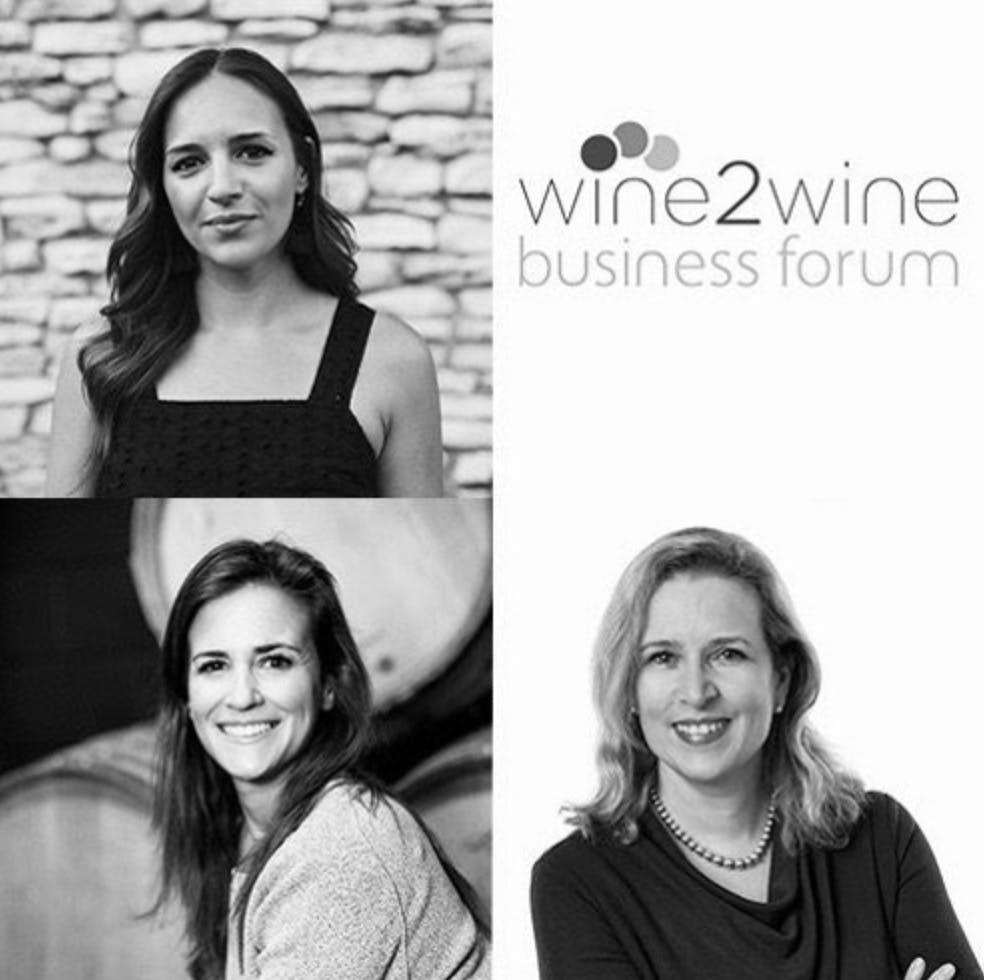
Ep. 456 wine2wine Session Recordings | Committing to Change
Committing to Change
Episode Summary
Content Analysis Key Themes and Main Ideas 1. The pervasive issue of sexual harassment, bullying, and power imbalances within the wine industry, particularly highlighted by exposés related to the Court of Master Sommeliers. 2. The critical role of female leadership and advocacy in establishing safe spaces, promoting diversity, equity, and inclusion (DEI), and driving systemic change. 3. The distinction between general difficult behavior and predatory, pattern-based misconduct, and the importance of recognizing and addressing microaggressions and boundary-testing. 4. The vulnerability of individuals, especially freelancers and young professionals, within industry structures that lack transparency, accountability, and formal HR mechanisms. 5. The complex relationship between alcohol consumption, professional settings, and potential for abuse, stressing the need for clear company policies rather than victim-blaming. Summary In this episode of the Italian Wine Podcast, host Felicity Carter leads a crucial discussion with Raniya Zayat, founder of Wonder Women of Wine, and Amelia Singer, acclaimed wine writer and speaker, on the persistent issues of sexual harassment, bullying, and gender-based misconduct in the wine industry. Triggered by recent high-profile exposés, Raniya shares her motivations for starting Wonder Women of Wine, which aims to empower women and create a safe, supportive community, drawing from her own discomfort with established institutions like the Court of Master Sommeliers. Amelia recounts her experience writing an impactful piece on bullying, emphasizing the need for constructive dialogue and collective action across the US and UK wine sectors. The conversation delves into the nuances of defining harassment and bullying, with both speakers providing personal anecdotes that illustrate how subtle, seemingly minor incidents can escalate into predatory patterns. They heavily critique the lack of transparency and robust ethical frameworks within traditional organizations, advocating for a strong emphasis on Diversity, Equity, and Inclusion (DEI) at all levels. The discussion also addresses the unique vulnerabilities of freelancers and the importance of open communication regarding pay parity. A significant portion of the conversation focuses on the role of alcohol in the industry, highlighting the need for corporate responsibility and policies that protect employees, rather than allowing alcohol consumption to be an excuse for bad behavior or to discredit victims. The episode concludes with a call for accountability, continuous learning, and a collective commitment to building a more equitable and respectful wine industry. Takeaways * Sexual harassment and bullying are systemic issues in the wine industry that require widespread acknowledgment and action. * Lack of transparency and inadequate HR/ethical guidelines in organizations contribute significantly to fostering abusive environments. * Grassroots initiatives like Wonder Women of Wine are vital in providing support, community, and advocacy for women. * Predatory behavior often manifests as a pattern of escalating microaggressions and boundary-testing, not just isolated incidents. * Freelancers and young professionals are particularly susceptible to exploitation due to power imbalances and lack of institutional protection. * Companies should implement clear alcohol policies and monitor consumption to prevent its misuse as an excuse for misconduct. * The narrative around female alcohol consumption during incidents of harassment needs to shift from victim-blaming to holding perpetrators accountable. * Moving forward requires leaders to prioritize DEI, learn from past mistakes, and actively work towards creating safer, more inclusive spaces. Notable Quotes * ""This is not simply a problem of the Court of Master Sommeliers... this is a widespread problem."" - Felicity Carter * ""I wanted to create a platform for women to not only feel celebrated in the wine industry for their contributions, but also feel empowered, create a safe space for women to come together."" - Raniya Zayat * ""Psychological bullying, that for me is sometimes much more insidious because it's harder to prove."" - Amelia Singer * ""The biggest issues that I've always found within the court specifically is a lack of transparency... we really need to to have a focus on diversity, equity, and inclusion in all companies and in all organizations."" - Raniya Zayat * ""It's about how you're going to apply that lesson to future opportunities to do better, and I think that, that's that's an important component of moving forward and building building a better wine industry."" - Raniya Zayat Related Topics or Follow-up Questions 1. What specific accountability mechanisms can be implemented to ensure transparency and ethical conduct in wine industry organizations? 2. How can male allies be more effectively engaged in supporting and promoting DEI initiatives within the wine industry? 3. What are the mental health resources available for victims of bullying and harassment in the wine industry, and how can access be improved? 4. Beyond legal frameworks, what cultural shifts are necessary to dismantle power imbalances and foster respectful professional relationships? 5. How can industry events and trade shows develop and enforce clearer codes of conduct regarding alcohol consumption and professional behavior? 6. What role do industry media and publications play in holding organizations and individuals accountable for misconduct? 7. How can mentorship programs be designed to specifically protect and empower young professionals entering the wine industry? 8. What strategies can be employed to encourage open discussions about pay equity and working conditions for freelancers and vulnerable workers?
About This Episode
The speakers discuss the ongoing bullying and sexual harassment of women in the wine industry, including the Me Too movement and the importance of creating a safe space for women to talk about the issues they are experiencing. They also discuss the negative impact of small actions on women, including bullying and harassment, and the need to build a culture of transparency and transparency for employees. The speakers emphasize the importance of setting boundaries and setting expectations for small groups, and the need to address pervasive anxiety and fear of bullying. They also discuss the importance of building a community of balanced glass and setting boundaries for small groups. Finally, they emphasize the need to create a safe environment for employees and address the pervasive anxiety and fear of bullying.
Transcript
Italian wine podcast. Chinchin with Italian wine people. Italian wine podcast as wine to wine twenty twenty media partner is proud to present a series of sessions chosen to highlight key themes and ideas and recorded during the two day event held on November twenty third and twenty fourth twenty twenty. One to wine twenty twenty represented the first ever fully digital edition of the business to business forum. Visit wine to wine dot net, and make sure to attend future editions of wine to wine business forum. Good evening. My name is Felicity Carter. I'm the editor of wine biz mining is wine business international. And or good morning to some of you. And we're here to talk about female leadership in the context of, recent bullying sexual harassment and, victimization claims. And I would, I'm very pleased to introduce two amazing people to you. Raniya Zayat is an advanced similar, a wine educator and gender advocate who founded the wonder women of wine in the USA in two thousand eighteen. It's a non profit to advance women that involves networking and scholarship And she's also founded the be the change job fair to encourage diversity in the industry. We also have Amelia Singer, who is well known as co presenter of the wine show. She's also an award winning wine writer She's the UK Ambassador for the California wine Institute, and she runs a wine event and media business. She also is the recipient of the I WSC and WSTT Future fifty Award. So, Right. We have had several conversations before we started this, and we have an immense amount of talent on offer here and and things to talk about in only twenty minutes. So we'll get right into it. First of all, You're probably all aware of the New York Times, Julia Moskin's expose of the Court of Master Simelias and some fairly serious sexual harassment, problems. This This I want to make really clear is not simply a problem of the Court of Master Simelias. After that article came out, I was contacted by a number of people in other countries who've also experienced everything from bullying to very severe and even criminal levels of sexual harassment. The difference with the United States is that they have first amendment protections, and so it's easier for them to talk about it in the media. And some of the stories that I've heard don't rise to the legal level that I would need to publish them, but I want to be very clear that this is a widespread problem. So, so I want to start off by asking Rania, can you talk about some of the initiatives you're involved in and why you started? Yes. Absolutely. Well, first of all, thanks. It's very exciting to be here and to have a platform to discuss these these issues and opportunities for change. I started wonder woman of wine in two thousand eighteen on the heels of the Me too movement, which started, in late two thousand seventeen. And this happened to be around the same time that, the forty fifth president was being elected to office in the United States. So there was this this sense of anxiety and discomfort, that was really happening both within me, and also within, though, not specifically the wine industry, but just women's movements in general. And I felt very anxious. I had a lot of nervous energy, and I really wanted to find a way to channel it for the greater good. And so I started reflecting on my own experiences within, my time in the wine industry, And, earlier that year in July two thousand seventeen, I had sat for my master, Samuel, theory exam for the first time and the last time. And then when I walked away from that test, I knew that it would be the last time that I would choose to to sit in and participate in any court of master Somlier certifications. And so with all these things happening, I wanted to create a platform for women to not only feel celebrated in the wine industry for their contributions, but also feel empowered, create a safe space for women to come together to talk about the issues that we were experiencing that we've been experiencing and also find a way to channel that those conversations and create real meaningful change, in all sectors of the industry. So that extended beyond my experiences, Asomeli, but to include the distribution world, to include the production side, retail, media. And so I started a two day conference, and, it was a huge success for our first year. We had an amazing lineup of speakers. We were able to, to work with, some other organizations to issue some incredible scholarships for women in the industry. And, so we've since launched a lot of different programs, including our allies webinar, femme, weekly interviews with women, and we're planning our second Well, what would it be our third conference, but our second conference, first March of twenty twenty one? And, Amelia, you wrote an absolutely fantastic piece about bullying in the buyer. Can you talk about what what brought you to write that and some of the responses that you had? Yeah. No. I, it's so sorry listening to Rania because I must admit it's only really that when I've been actually trapped due to the travel bans in LA and witness this crazy year with this crazy president with the BL movement, with the riots, and also LA just it was a real epicenter too for the Me too movement, and all of my friends who are very switched on and socially engaged, and and that's what lots of our conversations are about. It made me think, oh my goodness. There's so much change happening here. Lots of positive change as well as scary transitions too. I really just kind of wanted to act as a bridge when I send these all these social injustices happening or social change and talking to people like Julia Colleen and I've seen the project she was doing and meeting people like Ronnie. I was like, wow. Wouldn't it be awesome to kind of access the bridge between the US and the UK where I very much feel that UK was in the kind of the fetal developments of all this. Social change. And, I think there are several incidents, which act as a catalyst, which absolutely made me feel that I actually had a responsibility with my platform. I knew lots of people were too scared to write anything. I knew lots of people thought they wouldn't be listened to. I wanted also just I felt everyone was was tired and exhausted, so I wanted to write a really constructive, positive, approach, like, kind of approach focused articles. Everyone just kind of the season so exhausting. And I also kind of needed to refer. I'm like, no. There's a reason why I've been in this industry for eleven years. It's like plenty of good, but we it really calls for collective action if we want to see positive change. And so reading my article, I did kind of as I felt like I was safe by being here, kind of because I felt like I had the platform. Also, I just thought this is the right time now where people need to kind of be galvanized And then I I what my real hope was that it would spark other people to come forward and encourage positive action. And already, I've heard from Richard Siddle at the buyer that he's had so many stories. He's had, he's heard from Latino women who set up the first kind of a female support group here for Latino Women in the wine industry. He's and he wants to kind of talk about their stories, heard about women in the vine. They just announced their story in this week's, the buyer, and they're calling for the UK people in the wine industry to sign a pledge to really help. Kind of make the wine history more inclusive and safe space for women. And and really, I've actually seen, like, a plethora of articles really come out in the last two weeks, Jansis Robinson probably is the most famous. He's come out since the article. So I think for me, it was really just to get people talking to get, and also, I in order to get bodies to talk together, in my article, I I mentioned how the drinks trust and the WSTA were already having discussions about creating some kind of collective platform. And I know that off the back of my article, it actually forces them to have those conversations a little bit quicker than maybe they were anticipating. So, I just, like, sort of, like, maybe scurrying things up a bit and, in a positive, in a positive way. Can I ask both of you? One of the things that a lot of people get confused about is what harassment and sexual misconduct actually are? What's the difference between somebody just being generally difficult personality or a tough person to work with or being a demanding person to work with or being complimentary, and somebody who's being predatory, bullying, or harassing. Ronnie, what do you think? Yeah, I think that right now, it's really interesting because I think a lot of these these issues, they're they're getting the same sort of attention, publicly. So somebody who maybe is experiencing some sort of bullying, bullying typically relates to some sort of harm that is either caused, physically emotionally, psychologically, by, you know, some sort of imbalance of power. And, for me, harassment it is an extension of bullying, but it is really more targeted to somebody's protected class. So that seems sort of harm, but is is being applied to somebody because of their gender or their race or their sexual orientation or some other form of of class. And so we see a lot of both, but, that's how I define them. Yeah, Amelia. What do you think? Yeah. It's interesting. I mean, the wine industry and equity pledge has just been, revised to center on various companies in the US. They describe harassment and sexual harassment as, like, two things, quid pro quo as in you're only gonna be allowed into this arena or accepted if you accept social, yes, sexual favors or invites or whatever, but then there's also harassment, which is as rania was saying targeted abuse due to one's gender sexuality race. I I see them both forms of of governance, both basically someone abusing their position and it's abuse of power, from someone that, like, taking advantage of that position to someone who they want to deliberately, control someone else. And I think What I I think everyone's, definitely caught a massive smellier scandal. Everyone's focusing on sexual harassment in terms of, like, sexual assault, which is, protected by the law. Whereas, I think sometimes for me, like, when it comes to bullying, which can include that, but also the psychological bullying, that for me is sometimes much more insidious because it's harder to prove. And I I think there's sometimes people focus a lot on on sexual harassment as opposed to kind of psychological systemic bullying, and I would argue that actually both can be is destructive to an individual, but one is slightly harder to prove. Definitely legally, which therefore puts more of an onus on a company to come up with some kind of all inclusive, targeted pledge or code of conduct, which makes it very, very clear what, and what is not acceptable. Yeah. One of the one of this really interesting conversation, well, disturbing conversations that came out of me too, which I think also applies to bullying, is how many men and how many women who are unsympathetic believe that me too was about getting men because people had misunderstood their behavior that a man might give a compliment and a woman would get him for sexual assault. In actual fact, what what usually happens in both bullying and sexual harassment is that something small is done because the person is predatory and is testing the boundaries. And they want to see if the situation will let them get away with it. And those very small things can actually lead to very big things. I think you've both got examples of small things that that got out of control, Rania? What what do you think about that? Yeah. I think that's very valid, and it always reminds me of this, you know, conversation about microaggressions and how, you know, those those small paper cuts over time can really lead to a significant injury. For somebody. And so, for instance, with my, with my case with, the Court of Master Sunliers, I was, messaged, privately messaged by a, very prominent figure, in the court who was basically complimenting a photo of mine that I had posted on Facebook or Instagram and, you know, what started off as a casual compliment eventually led to this person trying to coerce me into having sucks with, on multiple occasions in different cities whenever I was traveling for. Really? Oh, go ahead. Oh, no. I'm sorry to break you in the middle of such an awful thing, but I'm curious, was there something about that original message that was off that to you looked different to just a normal compliment? Yes. I I was I had interacted with this person, face to face, prior to this message and I was still very young in my, my wine career, but I I had put a lot of work into, what I was doing and studying. And so initially, when this person approached me in person, I, I thought that I was honestly being recognized for, the work that I had been doing. And so I was confused whenever I got a message that was, basically pertaining to my physical appearance, and it sort of made me question any positive attention I had ever received, for, for being a wine professional, questioning somebody's motives. And so I just thought it was interesting that this person who is such a prominent figure that there were no guidelines or, you know, code of ethics or anything in place that would prevent this sort of interaction from happening. And I didn't see it for what it was at the time, which was was predatory behavior, because I know that this has occurred with many young women with this particular individual. That's that's a it's a shocking story. Amelia, you've got stories as well about about things that started small, and then they they actually proved to be symbolic of a much more serious problem. Do you want to talk about that? Yeah. I mean, definitely one of the examples. I and I state this in my article, I, you know, it's very clear to say that bullying and harassment, it's it's not just a gender thing. I mean, some of the worst bullies I've encountered have been women. And in terms of psychological bullying, women are can be supreme at that. And unfortunately, my first job in the industry I met someone who was so charming on first meeting an actual buddy buddy, which now I know is a warning sign when someone gives you too much personal information as being buddy buddy. Too soon. That's a warning sign. And it just started off as little things. Like, it was a very small team, two thousand and nine. They were very stretched. So my role kind of composed of two roles, which they molded into one. They never really done that before. And I was really wanting to impress and, you know, you're on very little pay when you enter the wine industry and junior roles. And I was working all kinds of hours, was would ask for help. She'd acted. It was too much, you know, too, you know, stupid if I had to ask for help. And that, you know, not to bother her. And it was a lean team. I need to prove my place. She, like, if I ever did a typo, she would send it around the office. She would laugh at me. She would never, I would be running the portfolio tastings and things from the company. She never ever said thank you. She would accept praise. Never. She would comment on the one bottle, which didn't arrive out of six hundred from around the world for a portfolio tasting, and that would be the one bit of feedback I'd get for an event, I have a lactose problem. So I can't have dairy, but when we go out with clients, she'd kiss at me, you beat everything on your plate. You know, you don't complain, you know, and so I remember one trip, go to France and being up all night because she'd insisted that I ate everything. And eventually, it just got to the point where, I got so ill, and I was so anxious. And I'd lost all this weight. And I it was on it was, like, the company last day of work before Christmas, and I'd organized the company party. And we were doing our marketing meeting first, and I had to leave to be sick. And I had to get a taxi to a doctor, and I called up the girl, like, the junior person behind me, sorry, above me. Just be like, can you make sure the Christmas party's okay? And and I saw the doctor and the doctor said you can't get back to work. So please just grant me half a day. Please just grant me half a day. I can't leave this company. You know, my life won't be worth living if I'm not there. And I called her up on her mobile. She said, where are you? And I'm like, oh, I'm at I'm at the hospital, but I think I could come in for half a day. It's like, why you shouldn't bother. I don't need any broken soldiers around me. And that was, like, weird. That was, like, a slight also. I let it get too far. But I was young. I was I wanted, you know, I was impressionable. I really wanted to do a good job. I was twenty two, and I really felt like I was letting the company down. And I I would say just to anyone who's that young, like, red flags would be if someone's super charming to you right from getting stay away, like, or, like, just be a bit kind of boundaries. That's important. Number two, if they're super charming to anyone, like, this person would be extremely charming to people of influence or power, but then would treat her employees terribly. It was very too faced. Behavior. What was very telling too was on my last day, I just had to leave my doctors that I had to. I'd gone through four different courses of antibiotics and was losing hair in my weight, and my doctor was like, you need to leave this job. No. My last day, she wasn't there. And it was only then that everyone in the office rally, like, came up to me and said, but by the way, we've got through about six or seven people in your position in the last six months, and two of them have threatened to sue the company for bullying. But it was only then because too people were too scared, and that's another form of bullying when everyone else. Yeah. We we we're going through this at a super fast rate because there's there's so much to talk about. I mean, all of these stories, we should actually be slowing down and spending more time on. But this comes to the point about dysfunctional organizations is usually where bad things begin to happen. I remember years ago going to a sexual harassment training seminar, which we all laughed at the name, but I remember the guy saying that he didn't see sexual harassment in companies where people liked each other, and it starts with management, whereas places where people are insecure and at each other's throats, particularly in sales environments, would often end up with harassment. Rania, you was talking about the fact that the Court of Master Similiars was set up in a very dysfunctional way that almost it was almost guaranteed that it was going to have these sorts of problems. Can you talk about that? Yes. Absolutely. I mean, it's so important how we are building our organizations moving forward. And one of the biggest issues that I've always found within the court specifically is a lack of transparency. And that lack of transparency extends beyond, you know, the the testing scenario, which obviously is like the print, the premier focus of the court. But it it it leads into who who is in charge of of managing sort of these these expectations, who's in charge of setting up, you know, ethics, who's in charge of leading some sort of HR departments, so that members feel that there is a formal course for them to to take whenever they are faced with some sort of issue like this. And so I think that what we really need to see moving forward And this is not for the court. I think that the court is is hopefully going to become obsolete at some point in the near future. But we really need to to have a focus on diversity, equity, and inclusion in all companies and in all organizations, and that means that only are we seeking out diverse people, but we are creating inclusive environments for them. They were providing them with the resources they need to thrive and to feel valued and respected and appreciated in their organizations and within their, you know, within their companies. And I think that until we can until we can get to that place. You know, we we have to stop putting the the ownership on the individuals to come forward. We really need to put more pressure on the leaders in our industry to build safer safer places. Yeah. There's a lot of people in the which is I agree. There's a lot of people in the industry though who have freelancers who are outside any kind of structures that can help them. One of the things that's been happening in the writing community amongst freelance writers in the last few months actually in the light of black lives matches is people have begun sharing their salary information. They've been sharing their freelance rates and they've been warning each other about publications and editors that don't pay in problems. What do you think about the idea of, I mean, Ronnie, you've actually set up a forum that lets people do that. Do you think that something like wonder woman of wine or or similar things in other countries could play that kind of role of information exchange? I I definitely I definitely do. I mean, I think that there is an opportunity to create sort of this, a formal exchange of information, but I also think that we just need to start being more comfortable having these conversations amongst each other in smaller groups. And normalize those conversations because they think we're still very hesitant to talk about pay and benefits, because we feel like there's only so much that can go around and not everyone is going to have access to that. But I think that once we start setting expectations, It's hard for it's hard for, especially for women who are who, you know, have have proven what in one of our, gender equality studies said that they don't really understand their path to to advancement. They don't feel comfortable negotiating, you know, compared to men. And I think that we need the tools to know how to negotiate. And one of those tools is knowing what the sort of the standard standard pay and rate is for the work that we're doing. Otherwise, and and knowing who else around us is making more or making less? I mean, how can we negotiate for something higher if we don't know what we don't know what our peers are are making? I think that's super important. And in the time that we've got left, I want to talk about the role of alcohol. I mean, we work with alcohol. And, some of the stories that I've heard about young women being used as sales staff, late at night with older male clients where the companies who employ them know that there will be alcohol there. And if trouble happens, the victim can say nothing because she was consuming alcohol. From both of you, what sort of guardrails do you think we need to put in place to protect people from the fact that this is an this can be an inherently abusive industry if people want to make it so because of the alcohol involved. I'll start with you, Amelia. I mean, a practical, I mean, this is, again, you don't want to be totalitarian, totalitarian about it, but a practical way would actually be instead of doing tastings and dinners to do something around a lunchtime. I often find, like, lunch wine tasting and things tend to be, you know, it's daylight. People go to theimbine as much. People can then still go home to their families in the evening. So even just like the simple practical things like that. I also, I I do think that if we had a space to go, I was just asked in the in the chat, you know, where can one go if one feels that one's willing to be harassed or taken advantage of. And that's what I really call from my article kind of a collective platform with a diverse board of members where people would be offered, counseling, mentoring, they get be able to get legal advice and have those kind of resources. That you have access to HR resources as well as, of course, networking opportunities and, of course, funding for education and that kind of thing. But, and also maybe by subscribing keep getting their team to subscribe to a monthly kind of session with, a balanced glass or, my gosh, I'm down to suddenly having a mind blank on that San Francisco based, organization which is all about mindful drinking. About it's about it's about glass, I think. Oh, how's it there? Yeah. And then and yeah. And there's drink aware, obviously, in in the UK, but because what I love about at least a balanced glass is it looks at it in a kind of lifestyle holistic cultured way. I just by, you know, having a health relationship with drinking. It's not just a trend. It's like that's just how you're gonna do better business. That's how you're gonna be a happier person. So maybe in the code of conduct actually making everyone subscribe to that and having monthly team sessions with a body like that. Just keeping everyone mindful and engaged and Yeah. I've just I've just had a question in the chat about, do you think we should teach young women and professionals how to react, to this environment? I actually think you know, this is an ancient question about, you know, how to get women to change their behaviors rather than predatory men. I think in this situation, something that a balanced glass or, Rebecca, a a balanced glass talks about is it's actually the role of the company to put guardrails up that companies should have very, very clear alcohol policies about how much people can consume, and they should have breathalyzes on hand so that people are aware of their own drinking so that at no time, Can people use alcohol consumption as an excuse for their bad behavior? Because they were told not to consume that much. Ronnie, what what are your thoughts on this? I think that that is a really great place to start for sure. I mean, so many of these interactions happen, late at night. For instance, you know, I I'm in the hospitality industry, and I know that there are a lot of people that, don't have the opportunity to taste or meet up in the evenings during normal hours because they are starting their shift at four o'clock and getting off at midnight. So I think that anytime anyone is traveling, you know, a producer, a supplier, anything, on the company's dollar, they should absolutely be monitored, by the company as far as, you know, how much they're drinking, where they're going out, who's who's with them, so that there are, you know, there's some sort of documentation for that. But I also think the bigger problem, and this is something that has been happening since, you know, the Roman and the Greeks is is offering women the same sort of, ability to consume alcohol without judgment in the way that we offer men and how we often give men, you know, these excuses and these passes for saying, oh, dismissing their behavior because they have been drinking, but as soon as a woman comes forward with some sort of story about being harassed, then it then it's a problem that she's been drinking, and then she's not believable. And so we really have to change that narrative and and give women more credit and respect, that they deserve. And that includes when when we've had a couple drinks because we work in this industry, and unfortunately alcohol is a rampant problem that is going to continue, so long as we continue drinking, which I don't think is gonna stop anytime soon. Okay. Just in we've got a couple of minutes left. I want to talk about two things very quickly. Just to summarize, one thing that abusers often do, and this is from domestic violence research, is people often apologize profusely repeatedly. And the second thing is that what abusers often do is try and silence victims, which is either telling them it was just to stay silent or actually in the case of a company getting them to sign non disclosure agreements. And if you find either of those behaviors, you're probably in the presence of somebody abusive or a company that's abusive. I'm gonna throw this one to you, Amelia. What do you think? Oh, yes. Science, absolutely I've had. Both of those addressed at me from people who are it's an absolute abuse of power, and it's a bullying tactic. And I I I think this is, again, when, I actually have a group every single week, I talk to a bunch of freelancers, in the UK, and talking about transparency. Because, yes, of course, it's important to know about pay, but it's also important to know what your rights, and what happens to you if you want to write about something, if you want to communicate about something, if you want to do a a positive change for good. And if some you know, something like that happens, what are the re you know, it's we're kind of pulling together ideas, lawyers, resources together just to know what are our rights? Cause it's really, really hard. And and freelance is really probably the one of the most vulnerable groups in the industry. And, so, actually, right now, today, I'm working with this collection of people just seeing if we can add on maybe a wing to this diverse platform, which the drinks trust is, making with WSTA. So, no, it's silencing that piece of power. It's it's a very real pervasive such an anxiety inducing thing, and it needs to be addressed very seriously. I I just something has come through on the chat. And this is something that I raised right at the beginning. This idea of young male professionals who are worried about dealing with their female colleagues because they they think that, you know, ordinary innocuous behavior might be misunderstood as predatory behavior. And can all of these discussions result in women being canceled from wine? First of all, no, because women are rapidly becoming the biggest consumers of wines that would be madness to cut women out of wine. And secondly, I I just think we wanna come back to this earlier point that predatory behavior is a very different thing from somebody who's being awkward or has misunderstood or or is whatever. In fact, there's a lot of research from, rape on campus in the in the US that predatory behavior is actually involved with about a very small minority of people. It's about four percent. And if they've done it once, they will do it again. The biggest flag isn't that somebody has done something discourteous. It's that they have multiple times. They have done it to different and this is one of the reasons why it's really important that people talk to one another so that people can understand that it's a pattern of predatory behavior, not, not a not a one off sort of. Well, I think I think we're I think we're all adults and we understand the difference between somebody being nice but a bit awkward and somebody who's something else. Ronny, we've got one minute left. I'm gonna give the last word to you. What would you like to wrap up and what would you like to say? Yeah, I would just say, I I just like to bring it back to this idea of cancel culture and, people being canceled for, you know, sort of minor offenses. I think that we, as a community, if we want to grow and become stronger and build, a better future for younger professionals, I think we need to give each other the opportunity to, to learn from our mistakes, to not only apologize, but to acknowledge them, and to to take that, apology and apply action to it and actually do the work. Because it's not just about saying you're sorry about something that you've done. It's about how you're going to apply that lesson. To future opportunities to do better, and I think that, that's that's an important component of moving forward and building building a better wine industry. Right. We've covered in half an hour a topic that really is a two day seminar. And I am so privileged to have, spoken with these two absolutely amazing women who are doing groundbreaking things in the wine industry. And I hope that they will continue the conversation and you will all come and listen to it because they're both really impressive individuals. And on that note, I would like to thank everybody for tuning in and listening, and I'd like to thank rania, and I'd like to thank Amelia for your amazing contributions to this discussion. Thanks for the opportunity. Wonderful. Wonderful. You know what I'm gonna go and do now? I'm gonna go and do alcohol now. Something you're saying. Alright. Thank you very much everybody. It's been a while. Bye bye. Listen to the Italian wine podcast wherever you get your podcasts. We're on SoundCloud, Apple Podcasts, Himalaya FM, and more. Don't forget to subscribe and rate the show. If you enjoy listening, please consider donating through Italian wine podcast dot com. Any amount helps cover equipment, production, and publication costs. Until next time.