
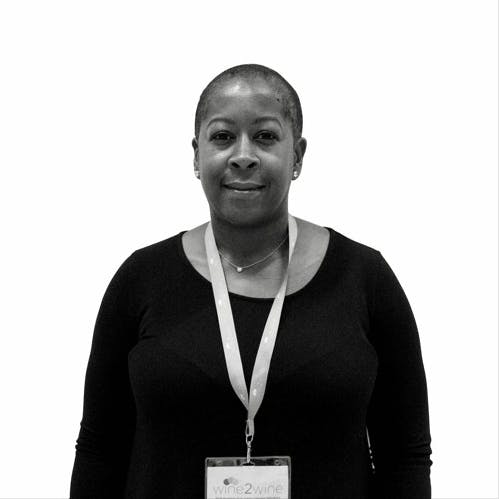
Ep. 269 Julia Coney (Wine Writer, Educator, and Consultant) on Diversity in Wine Communication
Diversity in Wine Communication
Episode Summary
Content Analysis Key Themes and Main Ideas 1. Julia Coney's unconventional career path from paralegal to beauty blogger to wine writer and advocate. 2. The importance of organization, critical thinking, and observation in various professional fields. 3. The critical advocacy for diversity, inclusion, and equity within the wine industry. 4. The interconnectedness of food, wine, fragrance, and culture as sensory and intellectual experiences. 5. Challenges and strategies for addressing implicit bias and systemic issues in professional industries. 6. The value of human connection, personal advocacy, and mentorship in driving social change. Summary In this episode of the Italian Wine Podcast, Montey Walden interviews Julia Coney, a prominent wine writer and advocate. Julia shares her unique career trajectory, starting as a paralegal in Houston, then transitioning into beauty blogging, and finally landing in the wine industry in 2016. She emphasizes how skills from her previous roles, such as organization and meticulous reading, have benefited her current work. A significant portion of the discussion revolves around Julia's passion for addressing the lack of diversity and inclusion within the predominantly white wine industry. She passionately explains her approach to challenging implicit biases, advocating for fair treatment of workers, and encouraging representation in marketing and hiring. Julia also touches on her sensory approach to wine, drawing parallels with fragrance and food, and her personal philosophy of helping others, informed by her upbringing with a U.S. Marshal father and a teacher mother. The interview concludes with a reflection on the power of human interaction and mentorship in fostering change. Takeaways * Julia Coney transitioned from a paralegal to a beauty blogger before becoming a well-known wine writer and advocate. * Her background fostered strong organizational and analytical skills, which she applies to her work in wine. * Julia is a vocal proponent for diversity, inclusion, and equity in the wine industry, highlighting the need for conversation and action. * She advocates for better worker rights and ethical considerations in wine production. * Julia criticizes the lack of diverse representation in wine advertising and marketing. * She believes in human contact and direct dialogue as powerful tools for change and mentorship. * The industry's focus on millennials sometimes overlooks the significant purchasing power of the 35-55 age demographic. Notable Quotes * ""To actually read every single thing, to read it sometimes twice, sometimes three times, and to actually think about it before you answer, and also think about everything you're going to do will have a repercussion right or wrong."
About This Episode
The speakers discuss their backgrounds and experiences with alcohol, writing, and working with attorneys. They emphasize the importance of language in writing and being organized in their work. They discuss their past experiences with fashion and their desire to be well dressed, but express hesitation in trying something new and avoiding the same industry. They also discuss their desire to be diverse and worker safety and their desire to be a hugs and love person. They emphasize the importance of understanding demographics and the benefits of working in the industry.
Transcript
This episode of the Italian wine podcast is brought to you by the new book, San Juvezo, Lambrusco, and other vine stories. Researchers Atilio Shenza and Cerrenne Macio, explore the origin and ancestry of European great varieties in a tale of migration, conquest, exploration, and cross cultural exchange. Hardback available on Amazon in Europe, Kindle version available worldwide. Find out more at Italian winebook dot com. Italian wine podcast. With Italian wine people. Hello. This is the Italian wine podcast with me, Montey Walden. My guest today is Julia Coney, Julia is based in Washington, DC. Yes. Okay. How did you get into wine? And what do you do? Well, I write about wine. I got into wine from an attorney I used to work with. I used to be a paralegal. Oh, really? Okay. Go on. And what's that what's is paralegal? You assist attorneys. You handle documents, all the files. Like, just keep everything kind of a willed oil machine. Okay. So where were you doing that? In Houston, because I'm from Houston, but I live in Houston. So that's tech your tech Texon then. Texon, yes, to run through. So hang on. How did you just wind back without to you were born and raised there? I was born in Louisiana, which is kinda like next to Texas. Okay. So born in Louisiana grew up in Texas. Yes. Then you became a paralegal. Yes. It sounds very kind of like, kinda like a very, job with a lot of responsibility. Not a responsibility, but I to travel the world. It was a lot fun too, so I can I have to admit that? Take on, what was the, what was the typical day to day there? Well, you know, emails, lots of copies. This is, like, emailing what judges or lawyers or Email other lawyers with documents, reviewing documents, making sure all the cases filed. So it was a lot of handling of paper. A lot of, like, making sure everything flowed together filing documents with the court, then you would go to trial. So I went to trial a lot in different places and understanding that. So, you know, sixteen hour days, some days, almost twenty hour days. So you're you're the person to make sure that a case runs smoothly because if documents are missing Exactly. The key to the case. Yes. How they key to the gates? So you but you're not advocating for one side or another. You're just lawyers that are involved in case. You're getting all the stuff that they need. And Yes. Well, it's you know, each team has a side. So we all had our own side, but I just hand I handled a lot of paper. In terms of your that particular job, I mean, if is there any opportunity for you to do anything naughty and that you would get in trouble or not or just incompetent. Yeah. But I wouldn't do anything naughty. No. I know you wouldn't I know you've been. But you could. It was a lot of fun, though. I learned a lot. I had I still keep in touch with a lot of those people. I made great friends for life, so but also the skills I think helped me in what I do now. So what skills did you learn from that then apart from organizational? Well, that's the best thing to be organized to actually read every single thing to read it sometimes twice, sometimes three times, and to actually think about it before you answer, and also think about everything you're going to do. We'll have a repercussion right or wrong. Nothing bad, but So were these were these civil cases criminal cases. Civil. Okay. So there's a lot of fine margins in terms of documents and items. Yeah. Yeah. Okay. Still separate things. So and, obviously, you're writing as well. So you've got a a super grasp of of language in terms of Yes. But it also have a degree in English. Okay. So So So where did you get that one from then? University of Houston. Okay. Yes. Alright. So how did you get into first of all, you got into beauty. You had a beauty blog. Is that right? Yes. I had a beauty blog. So how did you jump? From paralegalism to beauty Beauty was a hobby. Somebody told me I should start a beauty blog because I was traveling to France every year to get facials just to get a facial. Just to get a facial. I mean, I traveled to eat and drink, but it was, like, all sort of facial. So why for why can't you get a decent face in the states? They're just different. They're decent in the states, but they're very different. Go on. Your skin care is very different. It's a lot more about in the states, everything was makeup at that time, and skin care was second, whereas in Europe skin care is a big deal. And makeup is, yes, there's makeup, but it's always second. Yeah. I'd say you're absolutely radiant. Thank you. Really? Yeah. Thank you. I do a lot of work for it. Yeah. I mean, you're yeah. I well, I'd I wouldn't you probably got a lot of practice, but, a lot of practice. So you and cut, I'm not a lot of you look at me, I'm not I'm not you didn't not I'm not a fashion person, sir. I like to be nicely dressed, but that's about it. But beauty was like the thing. I feel really underdressing, so my shirt is hanging out. It's not properly It's a classic man ironing. I do the ironing house. Oh my gosh. So you ring because I do apologize. It's very sort of your sartorial elegance. Okay. So why did you start writing and when? Two thousand six, I started the blog in March of two thousand six. It was a hobby, and I was still doing a paralegal work. I enjoyed it. And so as I did that, I was just it became the blog became bigger. So in two thousand six blogs weren't worth the what they are now. And so in two thousand and eight, the blog really took off. So that was on beauty, there was two. All of it. But I my background on beauty was, like, scientific. So I'm very curious about what ingredients are in things, and definitely ingredients in fragrance. Fragrance is still very hard for me not to wear fragrance when I write talk about wine. Not to yeah. Oh, I see because it will yeah. It would hinder, but I still love fragrance. And so I I'm fascinated with flowers, the elegance of fragrance. So when I would think of wine, I think of fragrance first. I always think of, like, not just like, oh, it has cherries, but what flowers it also has. Because a lot of wines, you have hints of wine that's hints of jasmine, but they don't really come across the same way. That's like citrus. Right? When we say citrus, is is it dried citrus? Is it, you know, peel? Is it actually the juice I think of it in those terms, and I always refer to fragrance in learning how to really smell fragrance to understand why. So you're the same with food. I mean, when when you're in a restaurant, someone puts the plate that you've ordered on the plate. I smell. Yeah. I smell it first. And what about humans. No. I kinda like my god did not share that. I think because sometimes it's it's it's why everybody likes truffles, right? When it when you smell a truffle in there or the shaman, you it's just a sensory overload. Right? You don't know what to do. It's the same with, like, cheese or with, like, you get a a great dish. That to me is how wine relates. Right? But I also think, like, okay, I can't wear fragrance and taste wine, but I always relate wine to rigorous in some type of way. And so, eventually, the blog was becoming a job, and I had a job. So I had to decide which job I wanted to do. Okay. And you chose? I quit my job. My law firm job in twenty ten to go freelance. Was that it must have been a little scary. I imagine, you know, the the job that you had, you were surviving. Yeah. Very scary. And it was very scary. It's still sometimes I always think, like, oh, it's very different, you know, but I've been doing it now freelance nine years, and I'm very I'm very grateful. I've had some great people behind me and helping me, and especially making a transition from beauty to wine, like I did in twenty sixteen. So why did you make that transition? You just wanted to try something new or No. I just started thinking I was forty three, and I wanted to my next act to finally be in food and wine. And I always say food and wine go together, but I think the industry also keeps them very separate. Yeah. Either you're into wine or you're into food. It's like you can't almost be into both. And I don't know anybody who's not into food that's not into maybe wine a little bit or people who are into wine that's not into food. So I'm always like, they're at one and the same to me. Yeah. It's interesting. And I I'm I have to confess. I mean, my knowledge of food is is pretty limited even though I know what I like and Mhmm. Very lucky I live in Tuscany. So I've been exposed to and travel a lot But people say, what do you have for dinner last night? Oh, I can't really remember. They asked me the wine. I can tell you exactly what I drank last night. Oh, really? Yeah. So, I'm in the I'm in the demographic that would need your help. Well, I wake up and have breakfast thinking about lunch. I have lunch thinking about dinner. Like I do, I was thinking, and I'm thinking, like, what am I gonna make with them? What am I gonna drink with dinner? It's I don't know. I I think they go together. So when you're out shopping for produce or produce, how fussy are you? I'm very fast. I mean, you literally go a lot like I love grocery store. Nos are it nosy. Everything. Yes. I know. I smell, I look. I kinda hold things up to the light. I'm I'm very picky about, like, produce and vegetables, and I'm spoiled in that way. But I imagine you're the person that we really would interact with the person selling, and where's it from? And Oh, I asked, oh. You know, just gonna pick it up and wait and and pay your daughter and and off again. I go through, like, I touch every garlic clove. I have to, like, see how tight it is because sometimes they'll lose. It's a process. Have you ever had your own vegetable garden? You haven't been able to have that? I don't have time. My husband and I tried, and we just couldn't take care of it because I was was never around. What does he do? He works in tech. Oh, you take. Yeah. He's worked in the IT. Okay. And is he is he kinda, like, got an artistic side, or is he just a drink? No. He just he just drink whatever. I Offes it's a track. Yes. He drinks beer and then I've had him to taste the wine. He's like, okay. Okay. But if he turns up with, say, a fast food burger, for example, do you do you frown, or what do you say? Oh, no. No. I'm an equal opportunity eater. I like fancy food. I like, I am evil opportunity. I don't judge. I don't judge people's flu choices. Okay. I mean, sometimes you just want a fast food burger. Yeah. As long as you want some comfort, we call it comfort. We call it comfort food. Comfort food. Yes. Okay. So you talk on your blog of of, now I see why you call it is a study, right? So I always tell myself I'm constantly studying to be better. I'm naturally curious. So I'm one of those people if I it's like a dog with a bone. If I get an idea, I'm down a rabbit hole, and it's the same with wine, because wine is a rabbit hole tell people this all the time. Everyone comes to wine from different. Like, I don't come from a family that drinks. Nobody in my family really drinks, but I I have a job now that I drink four later. Was that for religious reasons or was it just No. They just they didn't like the taste. Never and they never judge that, oh, I like wine. And oh, I was into wine. But I think that when you sit down, right, and you have this glass, there's so much to talk about in it. So it's I'm naturally curious of K. Also, where does it come from? I believe in voting with dollars like, who are the producers? Who am I helping? Are their workers getting in the vineyard? Are they getting adequate pay? I think of all that when I buy one. And I think that a lot more people are really concerned with that. I think as we look at the changes in the one street, what is happening globally, climate wise, we all have to realize we all are trying to make it for the next generations to come. But the one thing that's very interesting is, like, we always talk about, like, a wine but we talk about the lack of diversity in a lot of industries, but the wine world, I think the problem with the lack of diversity is we don't talk about inclusion. Yeah. So we're always like, oh, we're, well, we're trying to be diverse, but they're we're not including everyone that's different. In that conversation. Yeah. So that's why I write about that and I talk about it. And I think you also have to not just talk about it in terms of wine, just in terms of life and culture. So I'm, like, reading the art section in the newspaper because all of it connects instead of, like, one is separate, we're all parts of the same moving vehicle. Yeah. I mean, that is, you highlighted two massive issues. I mean, our industry is hideously white. That's the first thing that's undeniable. And the second issue is worker safety and, worker's rights in not saying everywhere. Some countries are better regulated in terms of, you know, minimal conditions and in food breaks or maternity breaks. But, I mean, temporary workers, which is, in California, is the main, majority of workers in vineyards are, I don't have thick contracts. And, you know, in terms of their future when they retire, if they ever get to retire, is not always assured. Yes. And, when we see wines that are sold sold for a ridiculous amount of money, you know, we never we we ask ourselves what's what hotel? Why was it from? How long was the red wine on skins, that kind of stuff? What we don't say is, how many dollars per hour the people who pick this stuff? And also, are they able to not just stay pickers, right? Can can they evolve and work for the company? Like, how does that work? And so I understand the industry is notoriously white. That's that's that happens. It is what it is, but how the perception of other people who are not white in the industry. And that's a lot of problems with the with the wine industry that I talk about is this everybody judges. Right? And, right, we all have implicit bias. Everyone has implicit bias, but when it affects another person's livelihood, how is that affected, or it affects another person because you can't get past what you've been told or what you've heard or what you've said because words mean things. And I think in this industry, that's changing, and it has to change. Right? But is it changing fast enough though? And what we do to make that change? It's it's not changing fast enough. And I think the problem with it is air ride talking in no doing. And it has to be we have to take the blinders off because also at the end of the day, we're we're in a business to sell. We're in a service business. So I job is to serve, and that job is to also make green. We need to make money. Right? But the problem of it is we have to get rid of some of the old ways, some of the things that are being said, and I'm specifically talking about in the US, like the assumption that people want the professionals make to me, you know, all the time. Like, I thought all black people like suite one, and they'll say that. And they're they won't take anything of it when I challenge them, I, or they get offended. But why were you getting offended when you just offended me? So we have to have these uncomfortable conversations for people. But how do you say to the how do you say to them, you know, what is, you know, your advocacy, what how would you say your assump you made an assumption there, and I'm gonna just gonna tell you why you're wrong. That's what I say. How do you how would how do you what do you say to them? I say where do you get this from. What date? Where did you read this? West data. Yeah. Are you going by what you assume? Are you going by maybe you watched a hip hop video? What are you going about? Where are you getting this information? And if you can't tell me I can go find it, then that is a problem. So now you have to say, you can't say that anymore. And a lot of them were like, oh, I never thought about it. They just made the assumption because somebody else probably made the assumption, so they assume, and everybody keeps assuming without change. So I always say, please go back and tell whoever you're talking to that, please, that's not that's not true. And, you know, usually they'll, you know, people will come to me and go, okay. I thought I thought about it, and we'll go start an email conversation, right, and we'll have it able to have a good conversation. But then I'll get people who tell me, oh, you need to quit whining about race because no one cares about race and wine. And that just happened. Somebody sent me an email last month and then told me that. But then he said, well, I'm an Italian American. So when I responded back to him, I said, well, you identify with your nationality. Why can can you say that? You didn't say you're an American. You said you're an Italian American first. Like, so think about what you wrote me and then think about why it's not okay for you to say that to me. Yeah. It's kind of almost he's kind of, making himself look very silly, you know, because as you pointed out. And I think the way you've probably dealt with that is is, without shouting just so you just have a look at yourself and then get back to me. He didn't get back to me. Yeah. No response. No. No. So he was a guy, right? Yes. Yeah. Yep. A wine director actually, of a big wine company, wine restaurant grouping in the States. We'll get right back to the Italian wine podcast after a quick reminder that this episode is made possible by the book, San Jose, Lambrusco and other vine stories available on Amazon in Europe and Kindle worldwide. But I mean, on your website, for example, I mean, you know, obviously you're you're writing down your thoughts about tastes and things like that. Mhmm. But I mean, the app efficacy side of you, the the thing that you've that comes through from talking to you Yes. Was with these issues, rather than whether Cabade sauvignon tastes of black currants or red currants. Yes. Do you know what I mean? Yes. I think because no one was talking about it in the industry And I just came from a professional side of beauty, and I go into the wine industry. And I'm like, holy moly, like, I didn't say that said the s word. I didn't know. Okay. But I'm like, I'm looking at it, like, what is the problem? Like, where it and just so much was sent to me that starting in twenty seventeen that I was so shocked. And I was like, okay, winery has a problem, but no one wants to address it. But what about other industries? Say the fashion industry where, you know, they could could have issues with the age of models or how the models are treated? Do you think that same prejudice is as strong there, or they bury the prejudice because they know that if they put a picture of Naomi Campbell on the on the front of the magazine, they're gonna sell more dresses, for example. Yes. But I think they also are addressing it now. I think we live in age where a lot of people have voices, the social media has allowed people to say things and and we hope people are accountable now that before I don't think we did. And when things happen So, like, me too, for it. I mean, that's a really egregious example of Exactly. Of bad treatment. A bad treatment with no people are not taking anymore. And also too when we think about wine and we think about advertising in wine, don't you wanna see yourself represented? Like, I do. I mean, I look at a lot of ads and not necessarily, like, ads per magazines, but ads on websites for wine honorees. I'm tough. And I'm always shocked. I'm always in twenty nineteen. You have and you'll say we just updated our site, and you have everybody who's a size six. It's brown. Everybody who's blonde. No one who is brown. And but then you want someone like me to mention your wine or I don't wanna mention your wine. You're what why would I mention your wine? When I send people look like me to the website, they don't see themselves. They don't see anybody brown. That's a problem. They don't see him by age. We gotta talk the ageism. Right? Not necessarily a bad thing, but everything's hard, but we have to worry about the millennials and how do you attract the millennials and the next, you know, the whatever before the next generation after millennials. What about the people like me who have disposable waiting code to, by the nine. We're missing no one talks about the thirty five to fifty five. That is where the money is, but everyone's like, oh, we gotta worry about the young people. Yes, we do. See, in some ways, it's it's like the, the kind of, the golf club, the first person of color that joins the golf club Yes. Is, I know, one of those. There's that sort of uncomfortable thing. And, and, I've scratching my head to think of and I've lived in the States twice. Wine adverts with a person of color. I've never ever seen one. I can't remember those. I honestly, I just don't think I've never seen one. I mean, there advertising wine? No. Not advertising wine. Never seen. No. No. They're not advertising wine. You know, pretty young things that have white or or people, maybe my age that have white. Yes. Beautiful vistas Yeah. A beautiful table skate. Yeah. And you look at it, and I'm going where who was on is on this marketing campaign? Right. Who's on this marketing campaign? Because if you think about, like, fashion now, they're slowly changing. Right? But that's going to, like, the bigger houses. And it's always the ones that are lesser. I'm always thinking, like, who are you targeting. Even if now because what's the first thing people look at for advertising right now? Instagram. We look at social media first in a different way because a lot of people aren't buying print editions of magazine, but if you look at website social media, I mean, and there is primarily Instagram, which is just photos and videos, it doesn't reflect a lot, you know, what what the world looks like. It pretty much not if you especially if you're trying to target the United States, because the United States, we have a history of race, and it's really tough. Like, I really tough. I'm but the problem is we have that issue, and every other country also feeds off that issue. So in their mind, they're I think they might be thinking, why should I bother? But it's at the end of the day, dollars. Yeah. Money. But I mean, so that's so short sighted, though, because you're only focusing on one quote demographic, aren't you? Yes. And you're alienating. You're alienating a lot of people who want to. And also, that's, I think, the rise of pride at clubs, right, private wine clubs where people can order wine to their home in the States because they don't they don't feel a lot of people don't feel comfortable going to a winery. They don't feel comfortable going out to visit a winery because they feel they're gonna be judged, which nine times out of ten, they are. It happens to me. And I work in the business. Yeah. It's extraordinary. Yeah. I mean, it's I mean, I don't bring a famous wine rider. If I imagine a famous female wine rider turns up at a winery, he said, oh, you're white, you know, can't have you here. Moment, if the table if the table if the tables were turned. Yeah. Well, I mean, had people say, oh, I didn't expect you to be black. I mean, it could But how do you do it? How do you reply? Oh, I expect you. Well, I am. No. I just say I didn't expect you to be an asshole. That's just a like, it doesn't I don't know what to say to that because Well, that's a good way of yeah. It defusing it because and then this hitting the nail on the head. And then I can say, why would you think that? Like, you know, oh, well, you know, your name, and then it goes back to are we talking names? And it's always a different level of things. So actually okay with having a very uncomfortable conversation and actually talking it through because I think that's the way you have to do. Some people wanna talk, some people don't, but more wanna talk than not. That's what I'm finding. More people wanna talk, and they really wanna solution. And I think it becomes when you're maybe even if they're doing college tours and they're going to campuses, if they're looking at marketing, and you really see that everybody in this room looks like me, then we have have to find somebody that doesn't. You need two things. You need, you know, people start appealing to certain demographics because only you've seen the economic benefit rather than the social benefit or the or the common sense benefit, then that's obviously another problem potentially, isn't it? Yes. Because people gotta do it wholeheartedly and for the right reasons. Reasons because you if you walk, especially in the United States, depends on where you live. I can't save from, but Washington, DC, major cities. You walk around, you see so many colors of people walking around different colors, all different shape. That's not what we see in this industry and many other industries. So it's understanding that the people who will be responsible for that need to say, okay. How do I put other people in the room? I may not know them, but somebody somebody, especially once again, the way social is connected. We're all connected to somebody. Mhmm. So it's using that and figuring that out. Yeah. I mean, the RNE of Washington DC is the seat of the government, and I don't know exactly what the demographics are, but if you look at senate in the your your politicians of majority white. Yes. But the politicians come from the other states. Yeah. Right. They don't they don't really close from. In general, that building, what's inside the building, people making laws is not representative of, of the demographics of the USA. No. So, and that's another reason why, you know, an uphill struggle in terms of electoral representation, there has to be one way where things will change, and it's probably gonna be an extraordinarily slow road given the how the electoral system works in America Oh, yes. Where white rural America has more power per vote than the bigger cities that actually has more people. So So in a way it's gonna the way that you're doing it is not via politics, but via via personal contact and personal, education via your website and what you do. But that's why I like to speak to people. And I think we've gone, you know, sometimes you can get lost in emails and but I also always believe, like human contact, human interaction will change things. And this conference is like this. I mean, it's one of those things. Why would people wanna work in our industry too? I can say it's fun, but unless I mentor someone else to come along, which is my job now, which is, as Yonic said, my social responsibility, I have to do that. So I'm hoping that in the next five years, I see it easier for a lot of people. Okay. Hold on that note. On that note? Yeah. It's been great to meet you. Thank you. We should ask one. Yeah. It's been a little bit early. It's what's half past in the world. It's a little bit. It's been fun. You've got, such a bubbly personality. It's not what I wanna say. It's, you've got real presence. Thank you. The way that you project your authority in a, in a, and you're doing an a soft, friendly, logical way, that you are the kind of person that could disarm your enemy with just a couple of words and just say, why are you being such an idiot? Yeah. And and, you know what? You're right. I had to work, man. Rather yeah. I know. But rather than who the hell are you telling me to do? So when you say you had to work on that, what do you mean? I have I have four older brothers. So Four older brothers. Yeah. I have the baby. So you we always had to talk our conflict through. And my parents would like talk it through. And I've learned to see every person for who they are because everyone has a different personality, and you have to go at each person very differently. So I learned that growing up. Like, one I dealt with one brother one way, and and it's just logical family arguments, family disagreements, and that's what we do. We just talk it through and figure it out so no one gets a hot head. It's it's practice. Yeah. Your parents seem like very good people. They were very good people. Yeah. What did they do? What was that background? My dad was a the first US Marshall for the state of Texas. It's state of Texas. Yes. Wow. That's a pretty that's a Yeah. My mom was a teacher. So, yeah. And I come from people who believe in helping other people. So my dad, we always had we both had a house that had everybody over. Like, if a kid, my parents knew that kid was didn't have, like, Christmas presents, they bought them presents. We were that we were just that family, and I come from people who are like, your job is to help someone else. No matter what you do. That is your job. That the reason you're on this planet? So just to get one little segue when, we'd obviously never met before until about one hundred and twenty five minutes ago. And, we spotted each other. There's a big conference, a lot of people. And the first thing that happened was I just got embraced by you never met me before, never spoken to me before. Yeah. That's me. And it's like, okay. This is gonna be a great interview. Because I I just like, I like people. Yeah. And my I am a hugger, so I'm a naturally hugger type person. I like I'm a touchy feely person as we like to say. So I always to make somebody feel well welcoming. That's just, you know, it's also something hospitality. Well, you're very welcome to come back anytime you want. Thank you. Been absolutely inspirational. Good. It's a great you use such a personality, great sense of humor, you see everything in proportion, and, you don't scream and shout. You just say there's a way of getting around this. It's gonna take time, but we can do it if we all pull together. Well, I gotta pull together. We got one planet. One planet. Super. Brilliant. Thank you. Inspirational. Thank you. Yeah. We wish you had more time, actually. But if we hook up at some stage over the next day in a bit. Yeah. Be great. Yes. Give us a hug con. Alright. Thank you. Thank you, brother. Thank you. Thank you for coming on, Gina. Oh, thank you. I wish you every success and safe travels back to the States. Oh, yeah. That's a part of only part I hate. I'm thinking about. I hate to travel. I hate to fly. It's just I really hate to fly. Thank you about what you're doing. Thank you. Thank you very much. Thank you. Thank you. Listen to all of our pods on SoundCloud iTunes spotify himalaya Fm and on Italianline podcast dot com. Don't forget to send your tweaks to eton wine podcast.
Episode Details
Related Episodes

Ep. 2789 ColleMassari: a long-term vision rooted in Montecucco with Giuseppe Di Gioia | On The Road With Stevie Kim
Episode 2789

Ep. 2788 Ep. 14: Austria and Hungary | Study Smart for your WSET Level 3
Episode 2788

Ep. 2785 From Volunteer to Speaker at TEXSOM with Samantha Cole Johnson | TEXSOM 2026
Episode 2785
Ep. 2766 Inside the U.S. Non-Alcoholic Wine Market: What Wineries Need to Know with Jill Sites | Masterclass US Wine Market
Episode 2766
Ep. 2761 Winemaking and Consulting Across Sicily with Alessandro Serughetti | Wine, Food & Travel with Marc Millon
Episode 2761

Ep. 2759 Part 2 – The VIA Educational Program & Italian Wine | Heart-to-Heart Conversation with Sarah Looper
Episode 2759