
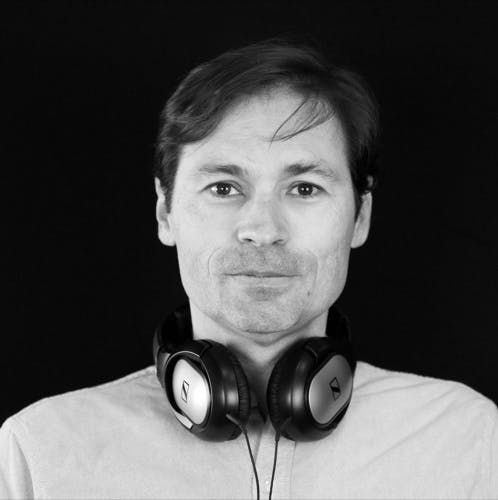
Ep. 252 Gérard Spatafora (E-Studi’OZ.wine) on e-commerce, big data, and SVOD platforms
E-Studi’OZ
Episode Summary
Content Analysis Key Themes and Main Ideas 1. The evolution and current state of online wine retail and marketing. 2. Tailoring marketing strategies to different international wine markets. 3. The role of content creation (videos, events) and big data in wine marketing. 4. The specific challenges and nuances of selling fine wine online. 5. Future trends in wine marketing, including SVOD platforms and influencer marketing. Summary In this episode of the Italian Wine Podcast, host Mark Millen speaks with Jira Spataro from E-Studios, previously from Millesima. Jira discusses his pioneering work in e-commerce for fine wines, starting in 2007 when online wine sales were less competitive. He explains how Millesima specialized in top French and international fine wines, targeting affluent private customers globally. The conversation highlights the early adoption of content creation, like video reports of wineries, to connect customers with the producers. Jira emphasizes the need to adapt marketing strategies based on cultural differences, regulations, and market readiness across countries. He also delves into the importance of big data analytics for understanding consumer behavior and tailoring messages, as well as the emerging role of Key Opinion Leaders (KOLs) and wine influencers. Looking forward, Jira reveals his new venture: producing wine documentaries for SVOD platforms like Netflix and Amazon Prime Video, aiming to elevate wine content for a broader audience. Takeaways * Online fine wine retailing began in a less competitive environment and has evolved significantly. * Successful online wine sales require highly adaptable marketing strategies tailored to each country's culture and regulations. * Creating engaging content (e.g., winery videos) is crucial for connecting customers with the product and its story. * Big data analytics are essential for understanding market demands and customizing messaging, though careful analysis is needed to avoid superficial conclusions. * Fine wine consumers, especially affluent ones, are increasingly global and seek detailed information about the wine's origins and production. * The future of wine marketing includes leveraging SVOD platforms for high-quality, engaging wine documentaries and collaborating with wine influencers. * Even traditional wineries need to embrace digital tools and content creation to stay competitive and engage modern consumers. Notable Quotes * ""The business was easy because we were only selling fine wine. So the competition was not so hard on fine wine segmentation."
About This Episode
The speakers discuss their small but experienced online wine tasting and marketing strategy centered around customer needs. They use wine in various ways, including selling affordable and entrepreneurial premium wines, selling fine wine in different countries, and using big data analytics to determine success of wine sales. The importance of proper marketing decisions and understanding the success of wine sales is emphasized. The speakers also discuss the use of big data tools and the importance of making proper marketing decisions.
Transcript
Italian wine podcast. Chinching with Italian wine people. This podcast is brought to you by Native Grape Odyssey. Native Grape Odyssey is an educational project financed by the European Union to promote European wine in Canada, Japan, and Russia. Enjoy. It's from Europe. Hello. This is the Italian moyne podcast on the Montewood in my guest today is Jira Spatavora. Jira, where are you from? I'll let you explain that. Well, I'm, from France, from Bordeaux and, alfa parts from, Montreal in Canada. So you're who which was which? Dad was Canadian. Mom was Canadian? I know. My, my father and mom was, Italian. Oh, really? So you're a mixture of mix? Yep. A hybrid. Okay. So what are you doing in Bordeaux? And how did you get there? So I'm in Bordeaux since two thousand and six. I followed the the one MBA program at Insect Business School, Insect, Insect Business School. And right after I had the chance to, to take the position at Mille Zima. It's a Bordeaux wine, a fine one merchants, and they asked me to, develop the e commerce sales all over all over the world. So when which year was that when you started? It was in thousand and seven right after the YNB. Okay. So that at that time, the internet was obviously powerful, but online retailing and selling was maybe not so strong. How has that developed? It developed really well because at that time, it was not, so competitive. No. It's so competitive, as you said. And, I mean, the business was easy because we were only selling fine wine. So the competition was not so hard on fine wine segmentation. So when you say fine wine, are we talking about just or are we talking about good, everyday wines as well? No. Elizabeth was really specialized on top French wine, and then they expand the range to, all the, the fine wines from all over the world. So, like, SASica, from Italy and barolo. Yep. And the fine wine from USA or Chile or Australia or Australia, everyone in the world. Who were the clients for those wines? And who was buying coming on to Medatema buying those wines? It was only private customer. I mean, private individuals. Why couldn't wasser because most of them bought two wine on primark for the bottle wine, of course. So they were already buyers of fine wine. They knew what they were doing. Yep. And, and they were really into, I mean, buying, wine from all over the world. So it was a it was a great business for fine wine. So how much do you know about your customers? Obviously, it's an online business. Do you speak to them directly? Did you host any events to get to know them personally? Yeah. Of course, we were also organizing wine testing, you know, in different places in the world, large cities, such as, London, Hong Kong, Singapore, New York, of course, Paris. And, we were also really active by creating content in two thousand and nine because at that time, we hired a wine, x, wine journalist, and he was specialized on videos. So at that time, we were offering a reports, a small videos report four to six minutes to the wineries to present, I mean, who were behind wine. Oh, that's interesting. So how did they react to that? Was it still quite new then to ask? Now now wine producers have become almost like rock stars. They're always on online. They have videos and all the rest of it. So was that quite pioneering then? Yeah. We we were upright, but you anyhow, as you said. And, I mean, the, the customer was really happy. They, they were sending email or calling, calling us to say thanks, because thanks to you. We had the chance to discover the wine we were buying for our years. So it was great. They were really interesting because we were shooting the videos in French, and then the being in English, Spanish, Portuguese, and so on. That was a great idea. You came up with that idea. I was, I was looking for what happened in the USA at that time, and it was booming, the terms in, inbound marketing. So it was, the way you create content to attract the right people. So you're doing an online shot and you're creating content in terms of video, audio, and also you're running events as well. Yep. So for those those events, how would they be structured? Was it very formal wine tasting, or was it friendly? Did you have to wear a jacket to turn up? How did it work? Go ahead and describe one? Yeah. It it was a really informal because we asked the, wine owners, the chateau owners to come with the wines and to test the wine to serve the wine to the clients. So it was really, sympathetic because the the wine lovers could talk to the winemakers and so on. It was great. So it's like it's like music lovers meeting rock stars. Yep. Without, rock music. Yeah. Okay. So in terms of, so how are things now in terms of online online marketing and retailing in the wine industry in general and how is it for you personally in your day to day? So I can see, a lot of difference coming from, countries because, I mean, for example, UK is really in advance in terms of online selling, which is not the case for Italy, for example, or even in, USA, I mean, most of the online selling are made by the wineries. So we call that the direct consumer. So I I can see that markets are really different depending on the cultural differences. And the law as well. And the law regulation and so on. So, you know, UK pretty unregulated and the US incredibly regulate in terms of alcohol. So in unfortunately on the if we talk about online business worldwide, there is no recipes. Global recipes. There's no one single formula. Yep. Yeah. You have to adjust your marketing strategy. You have to adjust your range of wines. You have to adjust the way you up to the customer according to the market. So you to talk to different customers in different ways according to where they are. So give me give me a couple of examples of extreme examples of of the same wine going in your try. It's gonna be sold to say an American or someone from Asia or someone in Europe or a different pitch. At Midizima, we had the chance to sell only fine wine. So thanks to that, we are talking only to affluent customer, and the affluent customer are more global. So it was easier, which is not the case if you want to sell, I mean, an affordable wine, entrepreneurial premium wine. In that case, you really have to adjust the speech, the information you will give to the people. For example, in the, USA, you must be really educated and, having something answered statements. But if you talk to the UK market, which is according to me more knowledgeable about wines, they want something more deeper in the roots of, the winery, the way you, you treat the grapes and so on. So it's really different. Do you get questions about organics and biodynamics. And I find wine hasn't always been associated with that, even though some of the most famous estates in the world are biodynamic like Romini Conte, don't let the flare, etcetera, it was in the umbracing, go on and on bridge, whatever. How do they, approach you about that sort of situation? A lot of question about, winemaking techniques and so on. And, we had the chance at Meijima to have a team of wine advisor, and they were a very knowledgeable wine because they were testing two thousand wines per year. So they were able to talk to you about the winemaking process, the taste of the wine compared to different vintages. If you don't have people, knowledgeable people, you are in trouble because if if someone, if the customer talk to you, wants to reach by social media or on the phone, you have to answer them in the right way. Okay. So how in terms of your staff, how how how big is it as a company? In terms of, large company? Yeah. But, of course, in the USA large company, it would be, I mean, wine dot com, the oldest on the market. Now your company in terms of how many staff? How how big is it? Oh, okay. As many Zima, we used to have fifty five people. That's quite awesome. I'm not working anymore for me, Zima. Yeah. But, okay. But now, I mean, how big is the company? My my new company is e studios. E studios. Yeah. And where where's that register e studios? Is it a French company or a Yeah. It's a French company based in Bordeaux, but we offer our services to everyone, wineries in the world because, we have the background, to help them expand, their notoriety, their brand awareness all over the world. Okay. So, and in terms of marketing mix in different countries, how does that work? I mean, if you're studying the same wine or try and say, you're talking about fine wine, for example, just say, top Italian Bruno or, Maremalo, concessionica, or something like that, and you think you're gonna make us, how do you approach that in terms of, say, someone from South America, someone from North America, some information? Now, we we can define different strategy, depending on the countries. So for example, if we talk about Bruno, for example, our channel, now they can sell their wine direct to the customer by using a platform named Vincent and they can for the first time in their history, they can sell the wine on primera, like a presale. And it's really new I mean, for the for the Bruno de Montecino. It's possible if you have a strategy according to the market. So this is possible for the USA, for example. They've always been quite strong in the USAR, John. I had quite, and I I just to let you know, I did worked with them on organics a while ago, the guy who's in charge, but you must know Bernadinosani who's in in charge of it. And they've always tried to be, forward thinking. Yeah. So I'm not surprised there. I didn't know that though Adidina's on pre mining. It's a very interesting to hear the word on prima and Bruno is quite a shock. But but, you know, the same company would, won't make the the same sales, I mean, on primo sales in China, for example. The market is not ready for that. So you would have to adjust your marketing strategy by doing something difference, probably pushing more videos to this market because your wine is not well known as in the USA. So you may give, like a video saying, people can familiarize their self, see what the estate looks like and what the people what are doing, and it makes them more confident when they maybe buy wine they've heard of or seen has got maybe good scores in some of the wine publications. Okay. Let's give it a go. It's the first video you have to do. I mean, talking about your winery and scores and so on, your history. And you also have to work with, I mean, KOL, key opinion leader, or wine influencers, and you have to choose them in the right way because you can have some trouble. And thanks to those people, you will adjust your marketing, your mess suggests to their audience. Right. Okay. So you're almost like you're kind of doing the winery's job a little bit for it by anticipating and and saying, listen, if we do making a film and we need to show this aspect of your winery because we know that this market loves history, for example, or this market loves. I mean, what about, often with in fine wine we kinda think that people don't care about organic or biodynamic farming? Is that changing? Definitely, to to make sure we have the right information coming from the the markets. We use big data analytics system or tools, to know about what people are saying, what people are talking about in their markets, what they are looking for, kind of information. And thanks to those tools, can come up to the winery and say, okay, on these markets, your wine is not well known, and people are really, interesting about knowing about organic, but it's not the same, in, out of the country. So thanks to big data tools. Today, if it's easier to give the right answer to the right people. But and in your case, the right answer means that you're connecting a potential buyer with the product that he or she, not only will buy, but hopefully will enjoy, and we'll fulfill their preconceptions if you like of what the brand values of that particular brand are. Of course, we we like going direct, and I think it's the future. I mean, it should be in the present, but it's it's gonna be the future. Depending on the, the strategy of the winery, we will adjust the strategy. So in in some ways, we often wine companies are a little bit backward because it's the rural view in the countryside and particularly it it it is associated maybe with with having been a little bit slow off the mark in some ways online, not translating into English their websites, not great photos, or whatever. Obviously, the the bigger wineries, the the sort of blue chip ones would have been ahead of the game. I would have thought in most cases, what changes do you do feel that they need to make, even the top winers to stay ahead, talk about in terms of big data and and using that as an opportunity with what they do and their public face. It's a big change for them. Of course, they can hire some, really, interesting people, knowledgeable people to, to do that kind of job, or they can hire a marketing agency. It's full of, a very, good marketing agency now. We knows about those, big data tools and, make great analysis to make sure you will, we will reach the right, the right people. Do you think there's always a risk risk when you're, you know, that the kind of idea of big data that there are some people that fall through the cracks that don't fit into the sort of big data picture, and they could be maybe really, really traditional old fashioned wine lovers have been buying fine wine all their lives, and they actually the idea of going online ordering Sassigaya, for example, arriving at their door. They're so excited. They open the box. Are they gonna fall through the cracks or will they be picked up as well into in the big data matrix? Big data, it's it's it's really big. So you you must make a great analysis If not, you will make a mistake. Okay? So give me an exact idea of how a mistake, a mistake may occur when you're looking at big data. For example, if you don't go deep in the datas, you can you can just, have some information coming from superficial, professional Yeah. Okay. And sometimes there is a lot of assumption coming from the professionals, and and and and that, will push you to make mistakes. So you have to go deeper. You have to go further, to a lesson, to wine influencers, to consumer, also consumer. And and then you will have the right information. You have to to be careful with the big data. It's a it's a it sounds in one way kind of easy that you may just press a couple of different buttons, but also the more data you have, the more complicated it becomes. Exactly. Exactly. So analyzing and, I mean, to have people with good skill, it's really important to make it, make it in a good way. Okay. So what's your what's your next step? The next step is gonna be to produce, wine documentary for wineries, but not for TV, but for the SVOD platform. Which means? So Netflix, Amazon Prime videos, or Apple TV plus, all that those networks are looking for great content. And, they would love to have a content on wine, gastronomy, food lifestyle. I mean, you know, tourism. They would love to have those kind of, great content to be displayed on, on the SVOD platform. So your role in that would be consulting and advising on how, not obviously, how the sunset is shot by the TV camera man. It's actually the the the bigger picture is taking a step back from that. Yeah. This is what we think appeals to these a one, whatever consumers that are can afford to buy a bottle of a tour or a feat or whatever it is. Yeah. Two of my associates are x y journalists from France. One is still working with the French TV, and another one used to be the chief editor for, la ville de France. So they know about, writing a screen plan. They know about shooting. They know about making something appealing to American or appealing to Chinese people. And, and then, it's it's gonna be easier to, spread the world to have a great brand large brand awareness in the market, thanks to the SVOD platform. SVOD. That's quite interesting. Okay. So you sound like you've got a really fascinating job that you really enjoy. You love crunching data. You've clearly got an artistic side to you in terms of you appreciate the really well made video aid because it's a well made commercial tool, but also aid because it is beautiful to look at, as well as informing and entertaining people. Plus, the bonuses often like us wine journalists, we take great photos. We don't get paid much money for them. We don't really have much money. In your case, you've got an economic model where it allows you to do what you enjoy. And in your view connects consumers high high value consumers with the product, that they associate to them with quality and also with a story behind it, the the romance, if you like, of wine. Alrighty. That's it. We're done. Yeah. Yeah. But it's really, you're the first we've had actually that on the podcast who's who's got you've got a really unique niche in your career. Really, I can't really put you in a box. I'm gonna put you in about four different boxes, but not just one on it. So that's the applause for you. It's Cand deploys, actually, there. It's a free anyway. Thank you. So I just wanna say thanks very much to my guest today, Jiras Patavoa. Thanks for talking to us about connecting high value clients with high value wines. My pleasure. Hello. Thanks for tuning into the Italian wine podcast. Our channels are SoundCloud iTunes, iTunes, Spotify and Himalaya FM. We're also widely available on other podcast apps. Our official website is Italian wine podcast dot com, and that's all one word. If you're using iTunes, feel free to rate the podcast or write a review. Thanks. This podcast has been brought you by Native grape Odyssey, discovering the true essence of high quality wine from Europe. Find out more on native grape Odyssey dot e u. Enjoy. It's from Europe. Follow Italian wine podcast on Facebook and Instagram.