
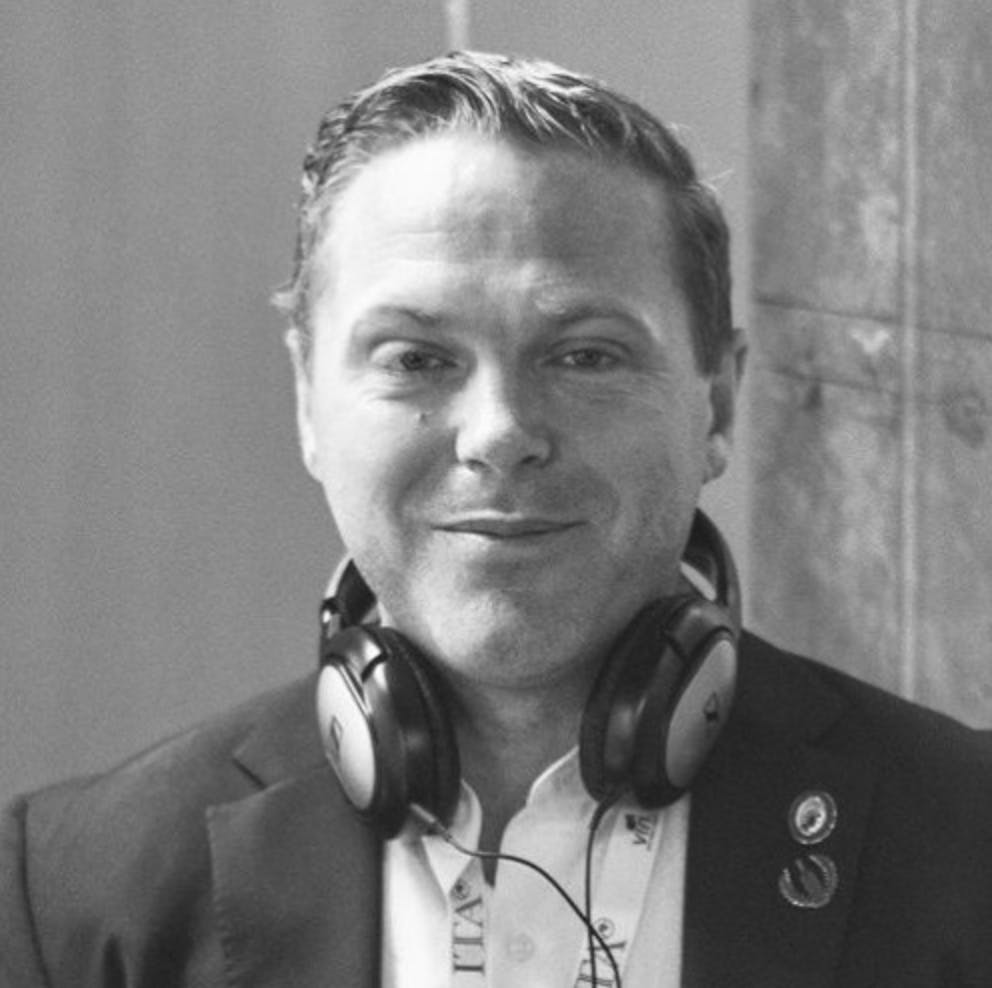
Ep. 244 Brandon Tebbe MS on the sommelier profession in the US
Ep. 244
Episode Summary
Content Analysis Key Themes and Main Ideas 1. The career path and realities of a Master Sommelier, including challenges and rewards. 2. The philosophy and practical application of designing engaging wine lists and interacting with restaurant guests. 3. The role and prestige of the Court of Master Sommeliers. 4. Insights into industry trends, such as the demand for organic/biodynamic/natural wines, from a sommelier's perspective. 5. The guest's personal winemaking project in Oregon and hypothetical winemaking in Italy. 6. The concept of terroir, including ""microbial terroir,"" in winemaking. Summary In this episode of the Italian Wine Podcast, host Monty Waldin interviews Master Sommelier Brandon Tebbe. Brandon recounts his journey from an IT background to becoming a prominent figure in the wine world, detailing how a trip to Paris ignited his passion. He provides an inside look into the demanding life of a sommelier, emphasizing the long hours, inventory management, staff training, and the strategic art of personalizing guest experiences and designing innovative wine lists. Brandon explains his method of categorizing wines by flavor profiles to encourage guests to explore beyond common varietals. He also shares his perspective on the often-discussed trend of natural, organic, and biodynamic wines, noting that direct consumer requests for these attributes are not as frequent in his experience. The conversation concludes with Brandon discussing his nascent winemaking project in Willamette Valley, Oregon, focusing on Pinot Noir and Pinot Gris, and a hypothetical desire to make traditional Barolo wine in Italy, valuing extended aging and historical context. Takeaways * The sommelier profession, particularly at the Master Sommelier level, requires immense dedication, long hours, and continuous learning. * Effective wine list design and guest interaction involve understanding individual preferences and subtly guiding them to new experiences. * The Court of Master Sommeliers is a key organization for professional development in the hospitality industry. * Consumer demand for specific natural/organic wine certifications may vary significantly across different regions and dining environments. * Winemaking, for some, extends to harnessing the ""microbial terroir"" for unique expressions. * Traditional winemaking approaches, particularly in regions like Barolo, are highly valued for their ability to produce age-worthy wines that ""taste history."
About This Episode
Speaker 2 and Speaker 3 discuss the success of "The Italian Grape Odyssey wine podcast" and its potential promoting European wine in Canada, Japan, and Russia. They also discuss the importance of content in wines and how it affects the guest's palate. Speaker 3 explains their process of researching and creating a wine list based on the guest's preferences, including the trend of natural wines being led by popular culture. They also discuss their winemaking project, which is a Piena Leonor, and their responsibility to make their experiences seamless. Speaker 2 asks about their winemaking project, which is the traditionalists, and Speaker 3 describes their winemaking project, which is the traditionalists.
Transcript
Italian wine podcast. Chinching with Italian wine people. This podcast is brought to you by Native Grape Odyssey. Native Grape Odyssey is an educational project financed by the European Union to promote European wine in Canada, Japan, and Russia. Enjoy. It's from Europe. Hello. This is the Italian wine podcast with me, Montewood, my yesterday is Brandon Tebbi. Brandon is a master sommelier based in Las Vegas in the United States. Actually, for Oregon right now. Oregon, they've downgraded you then. Yes. I went to, went to make wine instead of selling it along going back to selling it in, boss in about three weeks. Alright. So you're making wine as well. Are you? Yeah. Alright. We're gonna do sixteen different podcasts then on, on the wine growing in the song. Let's start with the song. But you are still a sommelier. Yes. Okay. Like a sommelier for life. Yeah. Yeah. If so you're in Houston or a saying pneumonia? Yes. Where are you from in the States, first of all? Basically, it'll be Boston, Massachusetts instead of two and a half weeks. And where where are you from in the state? Two two people divided by a common language, where's your family from in the States? Oh, the state's, Colorado. Okay. So, actually, you're born and raised in Colorado. How did you get into wine? The trip to, Paris, just staying in hostels and enjoying wine, which is something I wasn't accustomed to. How old were you at the time? Twenty six, I believe. So was like a holiday, was it you learning French or your parents sent you over there as part of a school program? How did you end up in Paris? No. Nothing like that. I just got sick of being, I was in IT. I got sick of sitting behind a desk all day long, so I quit my job, cash everything out and hit it off to Europe. So you had an IT job and then and how long did you spend in France then about three weeks? Did you start speaking French at the end of that period? Not even close. Not even close. I like a man who's honest. So that wetted your appetite for wine. So then what happened? You took you went back to the states and said, alright, this is my career. I wanna do this on a switch cruise and become a wine person. No. I actually started working at restaurants just to decide, everyone decided where I was gonna end up being and, took an interest in wine, a distributor, took interest, in helping me further my education, had me sit the introductory level with the Court of Master Smalie is. And I just kind of it blew me away, all the teaching, all the knowledge, everything it took to get it, and I just kind of got it hooked after that. So the Court of Master Samalie is what is that? It's an organization, probably the most prestigious in the world as far as being a A, as far as, restaurants, hospitality. It's probably about forty, fifty years old, based out of London, and just an incredible way to, incredible organization, really, to support this profession in particular. So what is it like being on the day to day aspects, a lot of people will think that there is a lot of glamour involved, there probably is some glamour depending on where you're working, but it is there's a lot of hard grind that goes on in the background. Just give us a bit of the skinny on the on that on that side of the industry. How much definitely, I mean, it's sixty, seventy plus hour work weeks. It's inventory. It's it's a tasting and and spitting and selecting wines and designing wine lists. It's training staff. It's spending our time going around. Like, I haven't actually taken a vacation vacation in I don't have twelve years. Every vacation I take is always wine related, which sounds fun, but really it's winery to winery to winery and about tasting and focus. And Okay. So when you're talking about designing a wine list, are we talking about the the type of paper you use or we're actually talk talking about the content on that whiteness? Or both. Both actually, I mean, I'm really big on content. My wine lists aren't just like, okay. These are the varietals. These are the wines. I actually like to have a lot of fun and put the educational information or information that just draws people in. Okay. So just give me an example. I'm looking at your list, and I'm just saying looking at the, I don't know, dry white wine list, for example, and I spy a couple of Italian wines on there. Am I just gonna see the names of the wines say Vodicchio or whatever it is? Am I gonna see a little description? You're not gonna say this is citrus y and floral or what are or how does that work? I know when I'm or is it like, like streaks of green, and then I would explain what that is, and talk about these wines with herbaciousness and, and, like green notes and minerality, and then everything that would fall under that category would be listed under there. That way, if they get the guest wants to understand what kind of wine they're drinking, they could read that, and they can realize that anything in that within that is actually gonna be to their palate. Okay. So you you also then have to be flexible as well because ultimately you want them to you want them to get the wine that you think will suit them as a human and also would will suit them in their mood as well as the food that they're eating. Is that is that how it works? Is that what your mindset is when you're making those decisions, or comments. Yeah. The focus, the reason why I'm doing that is I'm trying to get them to break out of the pinot grigio, chardonnay, Cabernay, and try to get them to look into, like, look at a selection of wines basically that's similar to what they enjoy, and to get them into something else, to get them to be adventurous to try something new. So I mean, just is humor part of that, or was it very serious? You're trying to Oh, no. Human has to be part of it. See, you're gauging their personality. You may see a businessman and maybe your pitch will be a little bit different to him or her or businesswoman or or maybe a family or or you style how you speak and what you say to each individual person? Most definitely. Yeah. And what what what about difficult situations when, I don't know, you you've you've described four different wines, but it's like, no, no, that one doesn't sound. Have you got, can you recommend something else? You just keep on going? And then you just, well, when it gets to a couple wines, you just ask them okay. What do you normally drink. Right. And then from that, you can understand what they actually want. Okay. So you're picking up on they say, I only drink dry white wine, and then you've asked them what they drink and they've named a wine, you think, and you know that that wine maybe has three, four, whatever it is, five grams of residual sugar. In, so you're thinking, okay, what they really want is a wine that has obvious fruit. Is that right? Yeah. I mean, if they say they like, because a lot of people will say I like sweet wine, but that could be sauvignon blanc, which is obviously not sweet. So, yeah, it helps me to figure out what I'm gonna offer them. Do people come in and ask for wines by manufacture so they say I want an organic wine or a biodynamic wine or a natural wine. Is that trend growing, or is it pretty static in in your in your part of the industry? I personally have never been asked for an organic wine once for biodynamic wine, but other than that, no, never. So not, it's not a big thing that people are talking about. The songs, obviously, you know, the New York songs, you know, that some of the movies that have been made recently in this this big, not craze, but this it's a buzz term at the moment, natural and that has largely not bought, totally, but it's been led by a group of soul groups of songs and certain influential areas. Right. And you're saying in your part of the world, which is where you've mainly been working, which is Oregon right now. That hasn't really kind of transferred to that part of the US. I think in Portland, possibly, yeah, but in, like, anywhere of experience, whether it's, Colorado or this Las Vegas, whether it's, poor that I personally haven't experienced it. I think Psalms really focused on it because they're looking for a quality wine to offer the guest. And I think when you look at biodynamic wines organic wines, organic wines, you're usually looking at a wine that has to be cared for more. So that doesn't end up faulted. And when they are clean, then you know they're gonna be an incredible wine. So I think it's more about finding those great wines for your guests. So you could also end up giving somebody, for example, an organic or biodynamic or natural wine, and you're just giving the way you're not telling them, oh, by the way, this is organic. You just say, you ask for a white wine with x, y, and zed flavors. Here you are. I hope you like it. You're not saying, oh, by the way, also organic or whatever. No. I know you're doing it. Yeah. Okay. So you'd I thought you're just basically, making their experience as they would like it without any rough edges without causing any kind of, doubt or, or fear that they feel in some way less knowledgeable than you, obviously, because they know you're knowledgeable. And it's in your job, in that case, is about feel good and interpersonal relationships. It's not about how many grams of residual residual sugar, a wine may or may not have. Job is to get in and out seamlessly into, just to make somebody's evening without interrupting their evening. So when you're having meals, but, I mean, you shouldn't have a family with your family and family and friends. How are they with you? Do they sort of poke fun at you in a very friendly way? I'm sure about, I'll go and will I him to will let him to choose the wine because that's his job or do they say, no. No. How me the wine list? I'm gonna choose the wine. It's just a pretty much all of that, actually. I get absurdly harassed when I Really? Yeah. But I guess in a nice way. Yeah. Yeah. Yeah. Yeah. No. I'm I'm used to it. So, I mean, in terms of in terms of you as a character, in terms of you as a character, you obviously have responsibility for your staff as well. You're lucky. What are the potential pitfalls with younger members of staff? For example, you're just entering in the industry. Is it their fear of being, of saying, a wrong comment or looking stupid because they have your knowledge or they just, you know, fearful of dropping a plate when they're walking to the table. What what are their what are their hopes and fears? Honestly, I think the younger, staff are usually pretty excited about it and they're really wanting to learn to ask a lot more questions than staff that's been around for a while. And, you know, a little bit of everything. You have staff that's been around for a while and knows everything. And then you have staff that has been around for a while and is still interested in learning. It just kind of like depends on where you're working, I guess. Sure. Okay. Just a quick couple of words on your winemaking project. Released in twenty twenty, it's Piena noir. Piena Green made it old school. In barrel, long aging on the leaves. Basically, just looking to make up five hundred cases of really good wine and see if it's something I wanna continue. Which part of Oregon? Willow Valley. Okay. Whereabouts exactly in the Willow? It's being made up of hollering winery. Mark if there's an amazing winemaker. But, I mean, in terms of filing it, you're gonna you're gonna sell me your wine. And what am I? Is it a blockbuster? Were they blockbuster wine? Is it Oaky? Are they mineral driven? Definitely not about theoka. The painter noir is really indigenous fermentation. It was about trying to draw out complexity. It was really about trying to, make a wine that represents not just the terroir, but the microbial terroir, terroir. Well, that's interesting. No, terry about that. That's a good one. I mean, for me terroir has to be everything. You've got the balloon that's coming in on the the grapes. And if you're not utilizing that, then how can you speak of terroirroir walks? That's all part of it with the way it's it was about using pinot gris and trying to find an interesting way to express it. So there was a little bit of carbonic, a little bit of cold soap, throughout some color, some flavors. There was two different ways to press, one through soft slow pressing, one up to two bar, really really hitting it hard and then micro ox, and all into barrel, groceries, everything natural. And then I picked based on pH, not based on bricks, so I wasn't looking for sugar. I was looking for wines that would be stable, and I don't have to worry about them in barrel. Okay. So unfortunately, your Oregon project, I'm gonna close it down. And I'm gonna say, unfortunately, is where you are now gonna have to move to Italy. And but you can choose where you go and where you go, you must make at least one wine. Where are you gonna go and which wine would you choose to make? Burlo. Okay. Definitely, Burlo. I actually had three and a half thousand bucks on that as a bet. I I mentioned this. And I'm now I can now retire from the podcast, which will be a relief for many of my listeners, and enjoy a very happy life, it should be in my dog. Sorry. Barolo. So in terms of barolo, what style of barolo, and what kind of terroir would you be looking for? I like the traditionalists, I like, extended aging. I like barolas that have to soften the time so I can drink them when they're older. I love wines with age. Everyone was that you like to drink, I like vintage, because you taste history. As far as a structure and soil, I usually look at, like, Sarah Lunga, actually really hate looking pretty much anywhere in Burrala because I love the wines. I wanna drink a little earlier look at La Mora. I'll look at Burrala. I wanna age it for a while. I'll look at one for it, are you? Or sarah lingo? Okay. One final question. We've got a bottle of your Nebula in our hands. So we're in Barolo. You've transferred there. I come in to see you. You're gonna you're excited about showing me your wine, and we're gonna have meal. Just one one dish in piatosoro. What are we gonna be? Do braised lamb leg with, wild mushroom risotto freshly shaved all the truffles. Okay. So I like I like dinner then. Excellent. Yeah. I mean, you're a big lad. So you're a strong lad. You could see, you look like an American footballer. You got broad shoulders rubby, yeah, rugby. Oh, you play rugby, do you? Yeah. Well, I'm a little old now, so yeah. No. Yeah. You're little about five. You got a baby face. Yeah. I'm about forty years old. Forty? Forty. Yeah. Well, are you looking good, man? All boy squad. You keep drinking the red wine. Exactly. I wanna say thanks to say thanks to my guess today, and Tebi from the Court of Master Semellier, Semellier, and Waimemaker. Congrats. Thank you. Great talking to you. Thanks a lot. Thanks. Cool. Good luck with you. You're in Devers. This podcast has been brought you by Native grape Odyssey, discovering the true essence of high quality wine from Europe. Find out more on native grape Odyssey dot e u. Enjoy. It's from Europe. Follow Italian wine podcast on Facebook and Instagram.