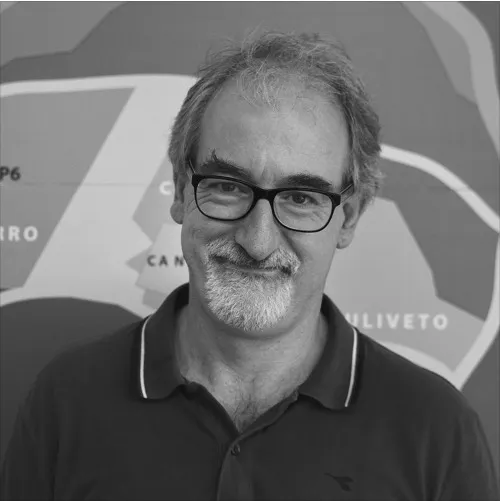
Ep. 249 Michele Scienza (Guado al Melo) on Bolgheri wines, co-plantation, and microvinification
Ep. 249 Michele Scienza (Guado al Melo) on Bolgheri wines, co-plantation, and microvinification
Episode Summary
Content Analysis Key Themes and Main Ideas 1. The history and unique terroir of the Bolgheri wine region. 2. The Scienza family's legacy and scientific approach to viticulture (Artilio Scienza's contributions). 3. Guado al Melo winery's innovative winemaking philosophy, including grape experimentation and minimal intervention. 4. Strategies for adapting to climate change in viticulture. 5. The evolution of consumer tastes and wine styles, particularly for Italian wines and Super Tuscans. 6. Specific wines from Guado al Melo, highlighting their blends and stories. Summary In this episode of the Italian Wine Podcast, host Monte Wallis interviews Michele Scienza, co-owner of Guado al Melo winery in Bolgheri. Michele shares his family's deep roots in winemaking and their move to the Bolgheri region, driven by his father Artilio Scienza, a renowned viticulture professor whose studies were pivotal in establishing the Bolgheri DOC for red wines. The discussion delves into Guado al Melo's forward-thinking winemaking philosophy, which includes cultivating and experimenting with diverse and sometimes unusual grape varieties. This strategy aims to adapt to climate change and cater to evolving consumer preferences. Michele emphasizes their scientific yet natural approach, producing clean wines with minimal intervention through patience and a deep understanding of viticulture. He describes several of their unique wines, including a complex white field blend (""Poggio ai Frati"") and a red blend from 30 co-planted varieties (""Atis""), explaining how Bolgheri's coastal terroir contributes to wines that are both fresh when young and age gracefully. The conversation also explores the historical success of Super Tuscans and the shifting global palate from oak-heavy wines to more elegant and balanced styles. Takeaways * Guado al Melo winery in Bolgheri leverages a strong family heritage rooted in scientific viticulture, led by Michele Scienza and his father, Artilio Scienza. * Artilio Scienza's academic research was instrumental in the establishment of the Bolgheri DOC for red wines in the mid-1990s. * Bolgheri's unique coastal microclimate, with distinct day-night temperature variations, helps preserve acidity and freshness in grapes, crucial for quality and aging potential. * Guado al Melo proactively addresses climate change and changing consumer tastes by experimenting with a wide array of grape varieties and producing many small, separate vinifications. * Their winemaking emphasizes a science-backed, minimal-intervention approach, allowing for natural stabilization and a focus on expressing the character of the grapes and terroir. * The winery produces distinctive wines like ""Poggio ai Frati"" (a complex white field blend designed for aging) and ""Atis"" (a red wine crafted from 30 co-planted varieties harvested at different times). * The historical success of Super Tuscans is partly attributed to their smoother, less tannic profile (due to small oak barrel aging and non-Sangiovese blends), which appealed to international palates. * Consumer wine tastes are evolving towards more nuanced, elegant, and fresh styles, moving beyond the initially preferred sweet or heavily oaked wines. Notable Quotes * ""My father is, Artilio Shienza, and and, he's a Viticulture, professor University of Milan."
About This Episode
The speakers discuss the Italian wine podcast, a educational project funded by the European Union to promote European wine in Canada, Japan, and Russia. They explain the history of the name and its connection to the region, and discuss the importance of learning and learning for the wines. They also discuss the importance of natural wines and the importance of the sun and the sea in the taste of the wine. They also talk about the success of their wine circuit and the importance of diversity in their city and region. They thank their guests and promote their podcast.
Transcript
Italian wine podcast. Chinching with Italian wine people. This podcast is brought to you by Native Grape Odyssey. Native Grape Odyssey is an educational project financed by the European Union to promote European wine in Canada, Japan, and Russia. Enjoy. It's from Europe. Hello. This is the Italian Wine podcast. My name is Monte Wallin. My guest today is me who is owner or co owner of the Guadarmelo. Guadarmelo. It's just it's an easy thing to say, but I always get that wrong in the Bulgaria region on the Tusan coast. What is a Guado and what is a Melo? Is the name of the the place. So the the whole name of this place, Guado, is four four. Yeah. And, at the April three. Maybe because many, many years ago, there was cultivated some April three in the area. The property is around the property. We have a small river. And in a small area of the Israel area, we have this port. So the name of this this place is It's like Guado is like a lookout post, isn't it? Yeah. So the idea was that the this area the Tusling Coast was invaded by the Spanish in the middle ages. Yes. Absolutely. Guado is is a common name here. Because normally we have the rain concentrated, in winter and and in spring. So in summertime, normally, the river, without water, and you can cross, normally, the river. This is the reason because we have many Guado because you can cross this river in summertime with by the horses or Okay. So it's a Ford or if you were a Ford. I'm not in the law. I got that. I thought it was a look out town. Yeah. Like, guadalajara. Guadalajara. Yes. Okay. The the the word is guadalajara. Okay. So it's a it's a crossing point. Without a bridge. Without a bridge. Yeah. And so when the stream is low, the animals can cross. Yeah. Yeah. Yes. Okay. And normally you can go where you are. With your boss. Yes. Absolutely. Okay. Where is your family from originally in Italy? My family come from Trentiva to Abidgium. Okay. In part of Italy, in West part of Italy, we we reach this area of Bulgaria in almost twenty years ago because in, nineteen ninety eight, the year before my, my grandparents' debt, and they owned our estate in, in of Trentino because my family, in Tarantino, is, grape and wine producers since, three generations. But at that time, my grandparents died in nineteen eighty eight. And, me and my father, we decided to leave this state because this state was small. Our relationship, me, my uncle, and and my father with his brother were not so easy. Yes. So we decided to leave. And, we decided to to went to Bulgaria because my father did many, many students about Bulgaria, Taiwan to briefly just do as you did. My father is, Artilio Shienza, and and, he's a Viticulture, professor University of Milan. And in nineteen ninety three, he gave the, yeah, to study, He was given the job of studying the the Bobry terrier. Yeah. From the the the bold very consultio and from from the region, Tuscany. And then So that was in nineteen ninety three or four. Yeah. Yeah. So that was The study from, was from nineteen ninety four, the first vintage, nineteen eighty five, thing. It was, finishing in nineteen ninety six. So this was when Bogery, changed the the shipping area. There was a change in there. Was there anybody in the deal? As, free age. The first was before, nineteen eighty three. Because before that time, Bulgaria was a Vino de Tavola, only Vino de Tavola. Yes. Absolutely. And it was funny because, nineteen seventy four, the blade testing in in London, who was funny because Sashicaya, table one from Italy. Yes, was the best. So it was, so in nineteen, eighty three. The battery were, became a doc, but only for the white and for the rosé because, Adinore, made one of the most famous, Jose, in Italy, called Calabrioje, in Bulgaria area. They, doc for the red, come only in, nineteen, ninety four, ninety six. Sorry. And come because of this study, made by my father. Because, just because the study were made to understand the different soils in Bulgaria, in combination with the five manly, cultivated at the time, right, grapes. So some of those were border grapes, weren't they? Yes. Not only because, Bulgaria is, in Tuscany. And, before the, French grapes, Bulgaria was, area was, Malvasia and the Colorado. So in the, at DOC, we we have the possibility to make a a wine, with San Jose less than fifty percent, no more than fifty percent. Sorry. But we we we can do. We can do it if you want. So the the the the study was made on the five mainly cultivated grapes in in the different, soils, just to understand, in free vintages, different vintages. I was the the best combination, and I is the the best grape or best combination of grapes. And and, the the study finished in nineteen ninety nine when, DOC, Organization released the, manual use of the territorial means a great book. God book for the region. Yes. In in in this book, you have all the information about you come from, I don't know, from Australia, and you would like to plant a vineyard in Walgreens. So you you you take this big book and you you analyze the piece of land that you brought. So you can understand, from from this book, which kind of grape plants, which we would stop to choose, absolutely. How do you manage the canopy? How do you grow your grape without grass in the field? Or So that's pretty unique in Italy, isn't it? It's actually a wine region based. He says, listen, if you want to come and more people probably will come because of this famous decanter tasting, I think was in seventy eight. Success of SASagon is that if you're gonna do that, these are the source, and this is probably a good suggestion. Is this rootstock, if you wanna do it this? I mean, that's pretty unheard of, isn't it? That kind of organization and that planning in in order that people that do come don't make expensive mistakes, and then make, maybe not great wine and and diminish the reputation of of bogue region. And that has to be unique in Italy. Yes. Yes. His, his entrench is is, quite common, but absolutely not not in Italy, but Unoboldering is a small area. The people that founded the first group were a producer with a big knowledge. So they decided to to have and to call let many information to improve the work and also to help the people Yeah. To to make, not too many mistakes. Yeah. For sure. Absolutely. This experience is is very good for the, for the red, actually. We don't test have many experience about why it's in the region. You're in Bulgaria, so what do you mean? Also, also in Bulgaria, particularly because, you know, outside, outside tasking, the people think that Tuscany is a great region for the red wines, but not for the white. Sometimes the problem is the grave. If you want, make a great wine here with the Trebiano, probably Even on the best soul in the world, your struggle make it really kind of No. We'll see. If you want to make it it's not the problem. It's the problem is not related with the tourbillon because in soa in, lugana, you can make great white with, Trebiano, or also in approved. So you can make a great, white Tribunebiano, but you need, weather. And so I condition totally different. We have sandy and very light soils here in this estate. Yes. Also in in Boulder. Normally, we don't have a lot of clay. So in your vineyard, you did do the classic thing of planting, as far as I know, of planting, I don't know, ten rows of cabernet sauvignon, ten rows of merlot, ten rows of cabernet franc, explain to us how you and your father have planted your vineyards because it's a very unique way of thinking. We normally our structured strategy is when we plant a new vineyard, we decide that the manly grape or the two manly grape or the three manly grapes, but we dedicate part of this vineyard to plant such strange grapes, not so common grapes. When you say, sure, you mean foreign grapes, I mean, like, unknown, almost grapes. Yeah. Or not planted or not common for the For it to the area for italy also. The idea behind the, the reason are two mainly. The first one is that the weather could change. Climate change. Absolutely. You need to be prepared. So the the only way is to cleanse different grapes and to vinify separately. We make every year almost fifty different vinification, but small. I mean It's not covered. Yeah. We vinify less than, fifty kilos of grapes every year. We make this small unification just to understand how this grape, yeah, absolutely. For many different vintages, because one vintage or two vintages, some times they are not so enough to understand how a grape can grow or which kind of wine is produced. And the second reason is also the people who change the taste. When I study, university and before in in the Masa Mikele. Yes. The days was absolutely different from now. To cool fermented Estuary whites. Yes. Primary true. Yes. And, white, absolutely white, like, paper, and, very technology. Yeah. C three white. Technological white, and then woody, that's, absolutely, blasted with a absolutely concentrated and and big, mask. And so this is this was the stage that this now is is going to another direction completely. But if you have twenty hectares with two grapes or one grapes, this could be a problem because you cannot change your agricultural or your and all jewelry wines, immediately. Absolutely. Absolutely. Now. So tell us a little bit about some of the wines that you make and start with the whites first. Do you make just single varieties, like, do you make a single varieties or chardonnay? Yeah, we have, we have, Verintino on the percent because Verintino is now. He's very common. He's, he's a good grape. What are his characteristics? First of all, he's a table grape, and he's explained one hundred percent of the characteristic of this grape and this wine, means that you have a low acidity, but also not eye sugar. You can make, enjoyable, drinkable, fruity, and of soft fruits. Yeah. Absolutely drink drinkable wines, but you cannot make a great white. It's a really complex one. Absolutely now. So this is the reason because I was born in our state another white more complex, more powerful. What's it called? What's it called? It's called. A single vineyard, small vineyard, different kind of grapes. So a mix of varieties. Yeah. It's a field blend. It's a field blend. So roughly how many different varieties you've got in there? Five difference. Okay. Vermentino, fiano, in Cortro, manzoni, if you can pet him and say. Why with fermentino, these other four grapes. Because all these four grapes are able to age, and they have great acidity, great structure. The piano, you can drink after twenty years and are. They are amazing. Absolutely. And the Verdicchio, why not? And in coach of manzoni, in the blue as the riesling. So you can imagine, and and the is an amazing grapes because, when he's ready to pick, you can have, twenty six, twenty seven bricks means seventeen, actually. Yeah. Yeah. But ten. A seed. Deepgram. It's got high malic acid level, isn't it? That's that's the secret of the enhancement. And also two point nine eight pH. Mhmm. Because the seed it is is important for the taste. You you cannot feel the pH, but for the technology of the fermentation, the pH is absolutely important. Because if you if you have a soul low pH, you have, a great fermentation, and also the the aging process is absolutely amazing and very long, and is more easy, in terms of, spoilage. So low, that just the PH having the pH like that means the wine has a has a high acid strength and that that, you know, helps preserve. Yeah. And but, if you want to have an enjoyable sensation from this this kind of wine, so we is kind of a city. The only way is to age, on the east for such a long time. So we have fermentation. We leave for one year, the wine on the east, and we easter. Couple of time every week. So that gives you a great combination of a wine that has that freshness from that acidity that you're talking about. And then that creamy, almost sort of creamy flavors that you or textures that you get from the lee's aging and lee's stirring. So you have a lovely combination. Yeah. Because during the days that stained wine with this alcohol and and this acidity, they they after fermentation, they they broken. And this, means that they they have a wall around. Do you mean the yeast? Yes. The yeast, this wall, and this wall is made by big sugar. So after staying with this acidity and this, this are hole in the wine. This word broken. And you have in the wine is sugar, big sugar. This sugar in your mouth means creamy and sweetness, not sweet like sugar. Properly. It's the sweet thing. It it's seems like sweetness, but it's not actually sugar. It's like an increiminess or yeah. So it's not like your sugar level goes up when the yeast Absolutely. You have also, you have important effects on the technology because these or polysaccharides help you to stabilize the wine from the tartaric, precipitates. So I don't need to make a stabilization. I don't need to add nothing chemical from outside. Side is very natural. Would you think of just talking about natural? What everything But I I need time. The only problem is if if you have want to have this process, you need time. You need one year in ten. So means time means sometimes money. What what's interesting about what you're saying is you've, you know, you and your father's probably the most famous wine, what he is, the most famous wine scientist in Italy, and obviously, he's part of the winery as well. I don't be too rude about natural wine, but everything that you've explained to me in terms of you have for slightly unconventional vineyard because you've mixed great varieties. You pick it, I guess, normally and ferment it fairly normally. But what you're saying is with patients with healthy grapes that are in balance that are picked Wow. And not hurt at all with the nice fermentation, all the rest of it. With a bit of science behind it, you can actually make a wine with really little or no intervention. Yes. I've seen it. Which is clean. Which is clean. Yeah. Yeah. But then the science and, had a lot of knowledge. If you use well, they help you to make a very sustainable wine in term of production, but also in term of, Additives. Absolutely. Nice stuff. Absolutely. We'll find you. Because if you know what's happened at each step, and you know you're already a step ahead. You know what's gonna happen. You say, right, I know if I leave the wine like this with weeks or months. I'll have to do this and I'd feel a little bit of Patiente. Okay. That was that wine. Let's let's, that's a great story. Let's, let's talk about another wine. Go on. We have also another wine, strange, strange wine, like the cruzio. This is, So what does that mean? This is a river. Is this the Ford? No. Okay. No. This is a river. Especially, it's in the south of Kazakhstan. Oh, Kazakhstan. Yeah. Uh-huh. So why is that important? It's it's important because for an old of historical erodatum. This river was the limit between Asia and Europe. So it was the fruit. It was like a frontier, wasn't it? Between, yeah, between cultures and Absolutely. Way of eating and even well the. Yeah. So it was real. Okay. So it was that bound. And also because, many grapes come from from Asia. We would like to call this one, Jazate, because of this history behind the Viticulture and the the analogy. And then this is the reason because we call this wine, the sad So what's the blend? Thirty grapes. Thirty. Yeah. From a single vineyard. And they're all, like, they're all planted together, comp planted. Yes. They are transplanted. It means that we we have thirty ropes, and each row is another grapes. Different grapes. Yeah. Different grapes. We don't identify we don't pick all the grapes at the same time, but, we are is two million seven different, vintages. Seven different times. Yeah. We make seven different fermentation, co fermentation. And then at the end, the wine is the seven wines that are aged for a couple of years. So then they're blurry. You have you have seven different and then they're blended. No. They're kept apart. They age separately as well. Okay. That's interesting. The blend is only at the end of the aging process. We cannot start us at the same time simply because in the white, you have only two dimension because you have the acidity and the sugar. But in the red, you have also the polyphenols. So they are very important as a component of the taste of the, for red wine. So you you cannot harvest at the same times. So different grapes because otherwise, at least it's like wine made harvest at the same times because in if you go in Bouro Valley, they make, wines with eighty, ninety different grapes from a single vineyard. The wine are absolutely amazing. The only problem is that they are not so fine, so elegant. So my my idea was to separate and do all this. The grape when they are ready to make these seven different wines and then blend to have to have, a wine more, if you need to more, with more definition. Yes. What would you drink with that? Clear, you mean? It depends on the vintage. Because sometimes, you can have, just start to very powerful. The last vintage is, they are very concentrated. Because, climate? Yes. Absolutely. But what is fine is that you have great concentration, but the wiring is still balanced because of the acidity because the different vintages, the different, grapes, have, really different, reaction to the weather, to the climate change. So you're studying that as well, though, aren't you? That's that's what you're doing Yeah. With your father. Yeah. So what, I mean, in terms of the effects, just to say whether, in terms of the effects of climate change, I mean, if if I'm a a wine grower, just say I want some money. K. And I want to plant a vineyard. Okay. Somewhere in somewhere in somewhere at Walmart, south of France, Spain, wherever? What would your advice to me be? I'll make your tip. Weeds can of grapes, you mean? Yeah. Made, I can plant it just a normal, like, some white wine varieties and some red ones. Oh, you can plant white or red. Yeah. But I'm I'm I'm I gonna be That's another. It depends. We we scatter grapes. Yeah. Am I gonna be planting chardonnay and merlot? Or Normally, you must choose grapes, normally that are late. Later ripening. Yes. The merlot was created not, but selected because it's very early because you can, normally, it's ready very early, and in the Bordeaux area, we are in Bordeaux, we are one thousand two hundred kilometer in order of Bolgari. So the weather is not Mediterranean. You need grapes that is ready when the weather better is still good. Otherwise, you can have a problem with health, and and the grape, maybe it's not so good to harvest. So the Merlo is perfect for Pubodaux. We don't have too much Merlo in in my state. I I I because border is maybe too hot for for Malo. It depends. The only area in in Boulder where the Malois is very good is in mass Seto, but they have very unique combination of soil. The soil is very clay. It's like Petrus. So they they can make a great merlot. The other area, probably are not so great for Malawi. And the chardonnay is the same problem, sir, is is a great from burgundy. Could all your fellow growers in in Bulgaria? Obviously, they, you know, your famous family on the scientific academic side for sure. And obviously, you've got your your your your which is also it's very beautiful. It's a very biodiverse when you walk around. You're not looking at rows and rows of vines. You're looking at, trees. Like a garden. Yeah. Right. Trees and lavender plants all over the place. Do they think you're a little bit crazy, or do they realize that obviously you're very scientific. I mean, we're coming from famous science based wine family. Are they curious? Do they do they say, you know, I'd I want to copy what you're doing with your lavender and and do they do that, or do they just not have a lot of contact? No. No. We have we have contact. Absolutely. Yeah. But I don't think you like the crazy the crazy scientists, you know, the No. No. We have we have contact. We have many contacts. We have, we are also very open. If we have people, producer in the area, we we have ad producer from the that came in the best when they decided to to make, for example, white. They came and they tasted the different grapes from the vineyard, and they tasted the different, small unification just to understand which was the best. Could be nation, not only the the best grape, but the the best combination of white grapes to have very good, white wine. Yeah. Absolutely. What is very unique is the combination between is the concept of the the wine. You cannot you cannot copy is the unique combination between one wetter, one soil, one one maker, the grape or the combination of grapes. This is unique. The wine made by I, shenssa family is unique. I'm not worried about imitation or because Never hard to imitate, isn't it? Yeah. Because this is, you remember in the past, in Florence Bernardo teach to many different students how I'm not Leonardo. Be careful. But, it's just one stand. Yeah. Yeah. This is what I do. If you wanna Yeah. Take some lessons. Because, you you have a grape, you taste the grape, and you, your taste, the taste of the the wine maker is unique. You taste the wine during the fermentation or during the identification. Normally, this is your taste, and you you take the decision with your brain, with your taste. So it's unique. Okay. So let's just talk about the the rest. This is Art. Okay? We have other three frets. Okay. Let's do them one by. Let's do them one by one. The more easy wine, produced by what Al Melo is called Baco in Tuscana. This wine is dedicated to I am, right by Franchesquerady called Paco in Tuscana. Franchesquerady was, is a funny man because he was a scientist, but also an artist. I mean, michelangelo was the same. Yeah. Scientist and artist. The time was normal. Yes. Now we are only one thing we drink. One grape. Not a problem. Single grape. We we have one one one. Yes. But the the people can do many things and they can taste many things. And then in the back in Tuscana, it's this poem. And in this poem, Francescairede imagined that Baco, Baco is Baccus, the god of the grape, traveling around Tuscany and tasting different wines, different grapes, And, on the label, you find, the, the word, boom, ba ba ba, because boom, ba ba, it was, a dense, dense, in Florence in the middle of seventeenth century. When he writing, when ready was writing, and interesting. He was was writing, in seventy forty shoe. So the next one. And then we have, the, the, how do you spell that, Rute? Rute is r u t e. R u t And what's the blend? The name, the name before. Yeah. Because the name is, red, the color for the trust and population. I said it's an etruscan word. Newton. It's an etruscan word. Yeah. And it's the blend of mainly covered in Suvien, eighty per sent almost, and the rest is metal. Agent for fifteen months in Barriq. It depends on the vintage. It depends on the year, but more or less fifteen months. How long when you in a normal vintage, you make that wine, how long does it take to come round as to to be drinkable. You you need to wait twenty years or is it? I want to tell a nice story because, twenty more than twenty years ago when when I came to Walgreens. I did my first vintage as practical, in the, sorry, in Kamakan, the state. My main experience before was in, in Tarantino, was in, Piamonte. And, at the end of twenty days in Camarcanda, I state, we have had the the first, winatua. When you take the, grape skins out of the red grapes, out of the the tank and just collect the wine and press the skins. Yeah. And then then we taste the the wine for me was strange because after the biolo Galapo Alianico, you can imagine, a wine from Walgreens that was after fermentation, drinkable, enjoyable, smooth thinnies was absolutely the outstanding impossible. The question is, yes, the one is drinkable just after fermentation. But the aging, the aging is is possible because the aging process is not related only with polyphenols, but it really with the balance of the acidity. If you think that some wines can age for many years without polyphenols, also red without big polyphenols can age for many years. Bulgaria has a great balance in the acidity because of the soil because of the weather, because this difference between night and day temperature, we preserve a lot of the acidity, good acidity, and low pH, allow us to have wine that can age for many years without being unbreakable when they are young. Where does the cold air come from? From sea. Because we are free to the meter from the sea. And the mountains? The mountains are very close to the the the sea, the region, or this wind, the wind for for the cool. Yeah. So you so basically in the evening, you get cool cool air coming in from the sea, and it sits in Burberry. And then, obviously, during the day, it gets turned off. And then again, the next the next night. Yes. The cold air goes in. Yeah. Consider that. We have thirty. Normally, also, the day temperature is not so high. If you have in Montecino, thirty five, thirty seven, we have thirty three during the day. But during the night, we have fifteen, sixteen. So So what effect does that have on the chemistry of the, of either white wine grapes or red wine grapes in terms of aromas and tannins? You have, a very progress and very slow, accumulation of polyphenols, and you lose not too much acidity, and you lose you don't lose a lot of flour. So you you have even you are in the Mediterranean and whether you have fresh potential, fresh wines, not First tasting wines. And then you can wait longer and you can harvest, more and then you have powerful wines. You can do what you want. You're more. It's it's a it's a it's a it's a climate get you a macro rather than give you flexibility. Yes. Absolutely. Then you can decide on what you want to do. But, you have this possibility. And this is unique because if you go to Silvereto is maybe twenty five minutes from here in South, they don't have the the same because they don't have the influence from the sea because they go hilt a row of hills, and they can sort of blocks that sea air a little bit. Also, the soil are very powerful. It's a lot of clay. So normally the wine, there are more power full, more concentrated, more tanic, and they need a lot of time to age. So you're saying that, is that one of the reasons why Volgreens has been so successful that you can make these wines big in terms of, I don't want to say structure, but in terms of mouthfeel, should we say? But they're not grasping Nutanic. They're actually very when they younger. Because the in our culture in Italy, normally, we use wine during eating. So normally, the tendons combine with the protein in the food, and you don't feel nothing. Or maybe he's he's also is enjoyable. It's nice because the wine help you to to eat. To digest. Yes. Absolutely. But, you know, we produce wine also to export. And we we go and we explained our wine to other cultures. And in other cultures, also they they drink wine outside lunch or the dinner. So at that time, you need to drink wine, not so tangy poor acid. Otherwise, the sensation could be not so nice. So this is the reason I think that Bollberry did success. Yes. Absolutely for the burglary. Also, because behind Bulgaria, there are great producers, the antinori and the Susicaia and Nornelaya. So those people invest many, money, and their And information. And and they also, they have many, many, a lot of damage. This the reason behind a successful wine, you need also the quality. And maybe the the quality of this wine is related with this kind of Yes. Also also because, you know, the sangiovese was a common grape before nineteen fifty years The idea was, baby. Yeah, the San Jose is common, but we need something different because we need that the people speak about bulgari. And also, the San Jose is a difficult grape. It's a great grape, but the problem is that it's very Italian. So great combination of acidity and terms, and it's not so easy to understand the wine with this kind of combination. The the Saks is of a super tuscans. We're a blend of San Juuise and Merlo because Merlo is more smooth. The city is low. So the San Juuise with Merlo is more enjoyable or cab or you can put syrup. Or what you want. So this is the the idea. And also the aging process, because the idea behind the super tuscan where the where the use of small wood, the small wood, us, increase the rating of the polymerization process, the polymerization process of the tenants. What does that mean? Means that when the tenants are very small, they are very aggressive. If you drink a red wine, young wine. The sensation in your month is Yeah. Make sure mouth feel dry. This is because the tenon, small tenons in the red wine combined with the protein in your month, and the sensation is drying. Yes. Because the protein make the simplification of your tongue. So he was telling you. Yeah. The polymerization process make these small tenants aggressive bigger because, they link together with the of of oxygen. And when the tenon are big, they are sweet. It's smoother. Yeah. They are not so aggressive. So, the small, barrel. Small barrel aging helps. Yes. App have a lot of oxygen from from outside to to the wine, and you increase the ratio of the, polymerization. So at the end, San Giovanni, as a mechanic, after a cup of years in Barrick is smooth. It's very drinkable. And this is the the idea behind the circuit task and also. Yeah. And the agent goes through. The idea that these these tannins are like Yes. Single parts of a chair. Yeah. And then they all get joined up and it's Yeah. It's smooth, smoother to say. Because they the the the idea is because if you want to introduce your grapes and your wines, I mean, from Italy, that come from another kind of culture, and another kind of use in in different and culture. The wine must be a little bit changed. You cannot make the same wine with the same characteristic as Italy, and you put absolutely to, I don't know, try I know, or England or US because the people, they are not prepared to understand this kind of, you know, taste. Do you think tastes are changing them? And obviously, there has been an era. Some of those wines, not yours, but were quite sort of a little bit too okie and big. And now everything seems to be calming down at the sort of super tuscum. Absolutely. Much easier drinking. Less. Absolutely. Because the people that started to drink maybe twenty years ago, they they are now. They are they have more knowledge because normally you start when you start to drink the wine, you start with the sweet sensation. So sweet wines. Because the sweet is your first sensation when you you're born because the milk from your mother is wheat. So when you start to drink, you start to drink the Moscato dusting, for example, or a grape pacito or something like that. Then, of after. Sometimes, I don't know how much it depends. Yeah. You need other sessions. So you are prepared for maybe for more acidity or maybe not tenants, but it's acidity. Then you need a tenants and then, you know, and this is the process. So this is the process. And, this is normal. Also, we, in Italy, we, in, in ninety nine, around nineteen ninety, we produced this kind wine with a lot of oak sensation just because at that time, we we we sell the wine to US. And the people in US at that time, they came from whiskey. So whiskey is without acidity. Yeah. But with a lot of wood. Mhmm. So the idea was to produce a wine. Like a stepping stone. Yeah. Now, the people, after twenty years, they are they they drink for these twenty years. So they need other tastes. Maybe more soft, more elegant, more, you know. But that's not the reason why you're doing your your white wines that are, made in this quote old fashioned stuff. With the, vineyards that have been interplanted. You're doing that for other reasons as well. I mean, you're the recent trend, I suppose, is natural wine where you've got, you know, amphora wines and all that. So you're doing it to look ahead as you said earlier on about climate change and the fact that we probably are gonna to change the great varieties we have in our vineyards and the way that those wines are started. But, you know, what what I need is a small producer like me. Normally, I I do this this kind of I have this this idea. So customers and the producer, they go into streets. And, the big producer, they they drive on this street, and this street with the customer is very close to because they don't have time to explain the difference between the normal taste, normal, inverted commas. Yeah. And this idea behind the one that they they produce. Yeah. So you have to keep it simple. Yeah. I time, and this is my volume to go to the people and to explain why I make this wine with this kind of taste or this kind of combination of, city or tenants or what you want. So I'm not so close to the the customer. I do don't need to be very close to the customer taste because I can't explain. That you can hand sell. Yes. Absolutely. And you have a and I knew you have a story to tell as well. Yeah. So we've got one more wine to talk about. We have the hatis. Absolutely. Thank you. Atis is a t e s. A t e s. Yeah. And what's that made from? His name is, is the name of, king. He's, he he was an etruscan king. In fact, this is a nice history because, artist was this king because many, many years ago, the the historical thing that thought that the trust and population come from, Lydia from Asia, from, and they they came from from that area to the Terrainian coast. Now, we we we know not me, but the archaeological, know that is a top population local population. Yes. But the history is that maybe four thousand years ago, in Lydia, this region of Turkey. There was the situation was very bad. So they they didn't have, nothing to eat. So the, the king decided to divide the population into groups and sent one groups to the Terrain coast. And the the man who drive this group was called Terreno. So this is the the reason because our city is called Mariete the tiring scene. Yes. The left left hand side of it today. Just for everybody that doesn't know where it is. And and and and the father of the arena was artist. So what do you drink that with, Akis? Oh, you can you can tell me, man, man, man, things. When, when is young, you compare with, powerful, also powerful food. Marima is a strange place. Boguer is a strange place because we are five kilometers from the sea, but we don't have ketchup about seafood. Because after after the trust can publish, the pro the trust can publish a lot to drive the area because the the area was very humid. Very swampy. Absolutely. So the trust can work a lot and they they absolutely drive area, and many area around Bulgaria were cultivated, but more than two, thousand years ago. After the time, fortunately, the soils became a game humid. And only, at the end of eighteenth century, the low frayland, family plants the pine very close to the sea and started to dry the the soils. Pine trees. Yeah. Yeah. In that area, close to the sea, there were not people that leave. So we don't have sea, seafood culture. Absolutely not. We hit wild boar. We eat a lot of, things that come from from the forest, the land, you know. So you can pair at least with, wild boar, why not. And maybe it's more A bit of much. Track. Absolutely. For the area, absolutely. Okay. I'd like to say thanks to my guests, Mikelixienza, for telling us a little bit about the year or a lot in fact about, history, and also the very interesting wines, that he makes, to Guardoine Melo. I love the idea of these, sort of, orangey white wines that are technically pristine, but they're very, very characterful. Very, they're really, really stimulating wines of them. The most stimulating wines, I think I'll try, in quite a while, if I'm being honest, a really, really interesting text relayed. It was of the color as well. Very brilliant. Yeah. Color. Yeah. Real eye opener for me. Now you you say, right, Monty. You're gonna go to two absolute nerdy scientists, and you're gonna try their one to, oh, it's gonna be cool, fermented history. You know, kind of thing. Absolutely not that, not the case. And, I also love the fact that you've everything you've done, and that your father's role at Titilio is obviously well known scientist, is grounded in the past. It's like, but not looking backwards nostalgic but looking to the past with the good ideas that that existed. I think it's so important that we remember where we've come from. We're going to a really dangerous place, I think, in terms of climate change and all the rest of it. We've gotta be a little bit more cognizant of where we went wrong in the past. And what we got right in the past, and your wines are real, example, to me, of taking the best of the past and the best of the modern and making wines of real character and really high quality. So well done to you. Well done to your dad, and, it's been absolutely fascinating talking to you. And, great guy. I got a great sense of humor. Thank you. Really friendly. And, yeah, hopefully, well, we'll see each other again. We'll do another chat sometime. Yeah. Really enjoyed it. Thank you so much. Thanks a lot. Thanks. Podcast has been brought to you by Native Grape Odyssey, discovering the true essence of high quality wine from Europe. Find out more on Native Grape Odyssey dot e u. Enjoy. It's from Europe. Follow Italian wine podcast on Facebook and Instagram.
Episode Details
Related Episodes

Ep. 2822 Ep. 20: California | Study Smart for your WSET Level 3
Episode 2822

Ep. 2789 ColleMassari: a long-term vision rooted in Montecucco with Giuseppe Di Gioia | On The Road With Stevie Kim
Episode 2789

Ep. 2788 Ep. 14: Austria and Hungary | Study Smart for your WSET Level 3
Episode 2788

Ep. 2785 From Volunteer to Speaker at TEXSOM with Samantha Cole Johnson | TEXSOM 2026
Episode 2785
Ep. 2766 Inside the U.S. Non-Alcoholic Wine Market: What Wineries Need to Know with Jill Sites | Masterclass US Wine Market
Episode 2766
Ep. 2761 Winemaking and Consulting Across Sicily with Alessandro Serughetti | Wine, Food & Travel with Marc Millon
Episode 2761