
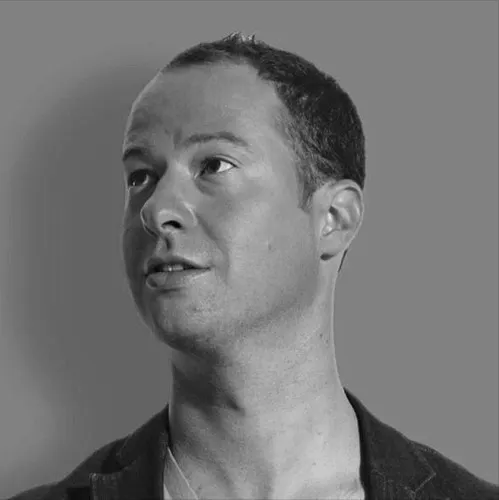
Ep. 98 Monty Waldin interviews Logan Lee (Wine Awesomeness) | Monty Waldin's Let's Talk Wine Biz
Ep. 98 Monty Waldin interviews Logan Lee (Wine Awesomeness) | Monty Waldin's Let's Talk Wine Biz
Episode Summary
Content Analysis Key Themes and Main Ideas 1. Targeting the Millennial Wine Market: Wine Awesomeness's core strategy revolves around appealing to millennials, identified as the largest and fastest-growing wine-drinking demographic in the US. 2. Making Wine Accessible and Fun: The company aims to demystify wine, moving away from traditional snobbery by offering curated selections, themed experiences, and engaging, unintimidating content. 3. Innovative Subscription & Content Model: Beyond simply selling wine, Wine Awesomeness provides a full ""experience"" through monthly themes, a physical print magazine (""The Back Label""), and integrated content like recipes, music pairings, and winemaker stories. 4. Entrepreneurship in the Wine E-commerce Space: Logan Lee's journey highlights the challenges and motivations behind founding a direct-to-consumer wine business, including capital raising and market positioning. 5. Storytelling and Winemaker Connection: The importance of understanding and communicating the origin, story, and people behind the wines to build a deeper connection with consumers. Summary In this episode of the Italian Wine Podcast, host Mark Millen interviews Logan Lee, founder of Wine Awesomeness, an e-commerce and wine club geared towards US millennials. Logan highlights that millennials constitute nearly half of all wine consumption in the United States, making them a prime target. He recounts his entrepreneurial path, transitioning from executive recruiting to founding Wine Awesomeness about four years ago, driven by a desire for more direct involvement in a business and observing the growing wine interest among his peers. Wine Awesomeness offers a monthly subscription box containing six curated bottles, centered around unique themes (e.g., ""Burger Month""). Each box includes a physical magazine, ""The Back Label,"" which provides tasting notes, pairing suggestions, and in-depth articles about the wines, regions, and winemakers. Logan emphasizes their commitment to making wine discovery fun, approachable, and educational without being condescending. He discusses the company's efforts to get ""as close to the winemaker as possible"" to understand and convey the wine's story, and their strategy of raising capital and relocating to New York City to foster growth. Logan expresses Wine Awesomeness's ambition to be an innovator and trendsetter in the $60 billion US wine market, challenging traditional, ""stuffy"" perceptions of wine. Takeaways * Millennials are the dominant wine-consuming generation in the US, making them a key demographic for wine businesses. * Wine Awesomeness distinguishes itself by offering a curated ""experience"" rather than just wine delivery, using unique themes and engaging content. * The company aims to destigmatize wine by making it fun, accessible, and inclusive, moving away from traditional snobbery. * Authentic storytelling about winemakers and wine origins is central to Wine Awesomeness's approach. * Founding a wine e-commerce business requires significant capital investment and strategic market positioning, including navigating logistics and regulations. * Wine Awesomeness leverages both e-commerce and content (via their ""The Back Label"" magazine and blog) to educate and entertain its audience. * The US wine market presents substantial opportunities for innovative business models and growth. Notable Quotes * ""Millennials consumed forty two ish percent of all the wine in the United States. It's the biggest wine drinking generation ever."
About This Episode
A wine club called Wine Awesomeness offers a club for millennials to discover wine. The club is initially naive but eventually hesitant to do so. They use a subscription system for curating wine bottles and have worked with brands to help with labeling. They emphasize transparency and being open and accessible in wine drinking, and they are interested in building a business within wine. They thank local wine drinkers and express their love for the project.
Transcript
Italian wine podcast. Chinching with Italian wine people. Hello. This is the Italian wine podcast with me, what's rewarding my guest today is Logan Lee, whose company wine awesomeness is what? Wine awesomeness. Great question. Good way to start. Wine awesomeness is a a very fun way for millennials in the US to discover wine. We do that in a kind of a a couple ways, but I would always start kind of broadly with the US market last year. Millennials consumed forty two ish percent of all the wine in the United States. It's the biggest wine drinking generation ever. So we're very focused on that that customer in helping them discover more wines. And we do that through a couple of ways. Wine club, e commerce, in a, a really great blog that is the back label dot com. Are you a millennial? I am on the old end of the generation. Yeah. Are you a millennial? Yes. I am a millennial. Okay. Proud one. Is it what Meble? Nineteen eighty three. Where did the idea of wine awesome this cover? What was what were you doing before you founded this? Before starting the business, we're just over four years old. I was in recruiting executive search, helping people find great what I thought were great jobs. Based where were you based on the business? Based in Charleston South Carolina. And your home state is? My home state is, I would say, Charleston, South Carolina's home, but our business now is based in New York City. But was focused on recruiting and helping companies build teams. And as a typical millennial, I kinda wanted something more and really be a part the business, not just help people find kind of the the best job for them. And out of that, I was at the same time realizing my friends were drinking more and more wine and that was I started realizing I was drinking more wine and just was a very, a collision of moments in life. And we were a bit naive, my cofounder and I, who runs, technology and operations. We were just kind of a bit naive and dumb enough to start a business and, kinda held on for your life. How did you capitalize, what you were doing? And how did you pay for what you were doing? Was it require a big upfront investment, or is it just says question of tapping a few buttons on a laptop and sitting back and enjoying the ride? It was definitely not as simple as tapping a few buttons That is for sure. We've raised capital for some really amazing, individual investors that have done all kinds of backgrounds from finance and banking to startups and digital media and e commerce. And that was part of one of the big reasons for moving from Charleston to New York. Was that we needed to, one, really even learn how to raise capital. And hang up with more hipsters. Plenty of hipsters. I live in Brooklyn, so I'm, guilty as charged, but, I think, also just learning how to raise capital was a big piece for us. Like I said, we're in the beginning, we were very naive and and we were smart enough that we could get a website up and and figure out if we had something that could be a business. But we were definitely naive and not quite understanding everything we needed to know. What would you like to dance? What would you like as a kid at school? And that was in South Carolina presumably. Yeah. Were you a good kid, smart kid, were you the head of the we were leader, follower? I would say that kind of all of the above in just different ways, but I never one that has been really always would just follow the rules because somebody told you it had to be away. I kinda wanted, I would definitely press the envelope and figure out if there was a way that I wanted to do it instead of listening to somebody else. Germany siblings? Two younger brothers in the the firstborn. Is that an influence the fact that you wanna just be your own man? I mean, I I suppose a a little bit. We're all kind of spread apart, a bit. We're like four years apart each. So I guess I got it on my own a little bit, but I was definitely just not afraid to kind of march to the beat of my own drum. Okay. So wine awesomeness is based in New York as are you. So what is it? What what do I if I go on wine awesomeness dot com? I presume you have that. Yep. Exactly. So I thought what am I gonna find? What is wine awesomeness known I think we're known. I think really our calling card is our our subscription. Each month, we curate six different bottles of wine wrapped around some sort of really interesting theme of a way for people to discover wine. That could be for example, we we produce a print magazine that goes with our box each month. In September, we did Burger Month, and it was this just the six best wines that paired with hamburgers. We could do a tour of a region this this past year. We've done some fun stuff with regions in France and also with Portugal. Just making it a very experiential way to discover wine. So each month, we curate six different wines paired with recipes, music suggestions, tasting notes, just making it really fun, but also a little bit of authority learning something, but not doing it in a way that you feel like somebody's teaching you are talking down to you. Okay. So the first question is about the wines that you choose and who you work with to get those wines. Presumably, you're having to buy from third parties from importers, distributors, even retailers, or do you bring the wines in yourself? So we've worked with all the I mean, we wanna work. We think of it a little bit differently in the states. You have this three tiered system. I think we think we want it to be as close to the winemaker as possible whether that means we're helping import that wine working with an importer or distributor. We wanna know the story of of the one wine? Who made it? Where is it? Where is it from? What are the grapes? Why is this interesting? And getting as close to the winemaker? I think is is when we are at our best. And that also saves money, isn't it? Doesn't it? Absolutely. I mean, the business model is is definitely if you can if you can get to the winery and and present a really great value proposition for the winery, why they wanna work with you. And I think we add a lot of value to how wineries are currently marketing themselves. But of course, if you don't have to pass through wine through multiple businesses, then there's more margin on the the business model makes a lot more sense. So do you do your own label, say do you import a vat of red wine from from Tuscany, for example? Do you stick your own label on it or design a funky label, or you still gonna buy, you know, Castello toscana's wine made by the Castello tosc on a family and you just have to put it in that box and says this goes really well with a burger. We get as close to homeless. I would say we do not import bladders of bulk juice manipulated in a few different ways and slap a cute label on it and call three different things. That is matter style. We work with real brands this past year. We've actually helped with winemakers to build four brands, which I think some people would might would say is a private label. We kind of think of it more as a partnership label. And when we've we did our very first one, with a really, really cool wine, winery in, Sonoma. And it was a just a a very a very entry level, but fun pinot noir. And I actually wrote the story that went in the magazine and talked about what is actually going on within bulk wine and and how of these private labels exist. And yes, this is technically fits in that category, but this is why we did it. This is who we worked with. This is where the juice came from and the wineer would love it. So I think there's there is some nuance, quite a bit of nuance. Is one awesome as a trendsetter or a follow-up all both? I think we are very good at discovering really cool wines and tell the telling those stories. I think we look in the beginning. We didn't realize that in the US millennials were just becoming more and more a wine drinking generation. So we look really smart now, but I think we just did it because these are things we cared about personally. But I think we definitely can influence the market and I think we can definitely be an attractive partner. I just don't think we think of ourselves as being, trendy, but we wanna be, we wanna do things first. I mean, we don't want to. I get really bummed when somebody else has a better idea than us. I want us to be as innovative as possible and and find some of the some emerging or indigenous varietals and and be one of the first to get those bottles to twenty somethings. So when the box arrived, I order a box of wine through you. One awesomeness. What actually writes a box and then I open it what's gonna be inside. So when you order from one awesomes dot com and you become a subscriber, you can do three reds, three whites, variety of three or all six. You'll get a really amazing neon blue box. We'll show up at your door step in very I like to joke that wine awesomeness. We're the most serious wine company ever. So it's a very fun and loud box. That's really great. You'll open it up. You'll have a magazine for whatever that month's theme is or that journey that adventure that we're trying to really package within that box. So why not just to be a a handful of bottles that show up a real experience. You'll see the magazine and you're like, oh, this month is all about burgers or Portugal or whatever that is, and you'll dig into your selection. Okay. So you do you write the editorial in that little We have an awesome editor. We have I would have to say white or sweetest. He's not gonna be. Well, we got a pretty dreary. Mediaoker. We have a very immediate now. A young woman named Alex Pestrone is our our lead editor. She's a team of freelance writers, a couple writers on staff. We have videographers, graphic design. We really think ourselves a lot as a real magazine, but instead of having a bunch of advertisers in the ads, like literal ads, like an old school magazine, that we've monetized the business through through selling wine and and telling those stories. To them, so the little magazine, the the the bit that you read in the box is just about the wines is not about, you know, somebody putting an vote in there saying my wine is great. Oh, no. It's it will be an ex there'll be tasting notes, kind of pairings, and there'll also be, like, deeper dive articles on what's going on in x y z region or check out this this specific winemaker. I think stuff that maybe longer format that fits better for print than I think in the digital world, it's everything is kind of being very click based. This is an opportunity to be a little bit more longer format and and really tell the story. So on your website, presumably, you can read all that as well. Sure. Yeah. All of it's all that that magazine is distributed digitally as well. We have about almost just short of a million and a half email newsletter subscribers, engage social audience, and and we take those stories really seriously. Everything lives on its own domain, the back label dot com. It's you can enjoy the content without having to be a subscriber. So if I didn't know who you were and I bumped into you and someone introduced me, introduced you to me at a party, I would I had to sort of, you know, when you all sort of judge people, I said, definite hipster. Probably from New York. Probably works in the art in the art school. You could be a journalist. You could be like someone who works in movies. You know, got that kind of aura about you. And it's funny, you know, kind of people think wine is boring, don't they often? What you're bringing to, I think, is some kind of form of obviously excitement and anticipation and entertainment. Well, I think all of us, so who I am, hopefully becomes personified into into the business and and obviously our team, I think we're all very different have different skill sets and it's a very diverse group. But I think it's time, especially for this big generation in in America that's drinking wine, that it doesn't have to be stuffy. It doesn't have to be snobby. It's one of the coolest things. It already is super cool. And it's something that people want to learn about in our travel all over the world and is is unique. And if you're wearing your Brooklyn hipster jeans or you're wearing cargo shorts, whatever it is, I think that the idea of wine should be very open and accessible. And, I don't mind personally pushing the envelope a little bit whether that is how you're dressed. I think it's I think it's a way to kind of push back on something that the industry can be a little bit pretentious and a little bit snobby and I think it would be better for all of us if we were having being more open and more accessible and and having welcoming more and more wine drinkers, which was is really what is the kit. I think is what's happening, but I think sometimes wine is kind of like a look can be a little bit of a club. Do you think some of the and we have some quite established. I'm from the UK. Wine clubs that have been going for maybe, I don't know, thirty years like mail order. And I'm not saying that they are, but just say they're a little bit stuffy or a little bit old fashioned or or whatever. Do you think there's a risk? Or, or would you be happy if they copied some of the things that you're doing? Or could they say, oh, they've just copied our idea and just jazzed it up and made it a bit more trendy. Those young men with their fancy website terms and millennials and things like that. Is that? Is that I think people are I mean, I think people already do copy us and I think that's great. I think I look at that as really as a compliment. I don't want to. I mean, we'll always innovate and we're always gonna learn from other people, but I think from just being as an entrepreneur, I want to be a part of things that are leading innovation and doing things a little bit differently. And if those things work and you build a business, obviously people are gonna come and and you. I think it's, that's a pretty natural kind of phenomenon. So, obviously, wine is heavy and fragile and difficult to transport and subject to lots of regulations. Obviously, the way you do it, you're sort of doing the back end. You the wine is already in the US, all the paperwork has been done, and you're managing to deliver it safely. Without the bottles breaking with a lovely pack with lots of information in there to your customers. If you could look at Amazon that kind of almost started like that, but sending lots of stuff, are you going to expand and and do offers like, I know, on on wine, Parafinaire cork screws or or wine tours, tours to wine regions, or selling CDs or films, or whatever it is, or subscription online, is it gonna expand? Is this just the beginning of something? Or is it just simply a mail order wine sales? We do. We do some accessories. The most the most popular accessory is is a brace it's a bracelet that doubles as a flask to hide your wine in. Okay. It's, I don't think it's very hipster, but it's very female folk in women tend to love it. So we're interested in accessories. We're interested in building. I think there's a big business to build within wine. It's a sixty billion dollar space in the United States. I hope I always say as I align. I a lot of cliches that I'm in BS that I'll spout out and just trying to be fun. You've been okay so far. Is that I think we're always I hope we're always just getting started. Like it's enjoy the ride, enjoy the journey. And we've made a lot of progress in four years, but we're always just getting started. So I hope like there's a a big business to build. Gonna finish this by saying awesome. Thanks very much locally of wine awesomeness for coming in. It's a fascinating project. It's obviously successful and it will only get bigger. I'm quite sure of that. Cheers. Thank you. Thanks very much. Thanks. Follow Italian wine podcast on Facebook and Instagram.
Episode Details
Related Episodes

Ep. 2822 Ep. 20: California | Study Smart for your WSET Level 3
Episode 2822

Ep. 2789 ColleMassari: a long-term vision rooted in Montecucco with Giuseppe Di Gioia | On The Road With Stevie Kim
Episode 2789

Ep. 2788 Ep. 14: Austria and Hungary | Study Smart for your WSET Level 3
Episode 2788

Ep. 2785 From Volunteer to Speaker at TEXSOM with Samantha Cole Johnson | TEXSOM 2026
Episode 2785
Ep. 2766 Inside the U.S. Non-Alcoholic Wine Market: What Wineries Need to Know with Jill Sites | Masterclass US Wine Market
Episode 2766
Ep. 2761 Winemaking and Consulting Across Sicily with Alessandro Serughetti | Wine, Food & Travel with Marc Millon
Episode 2761