
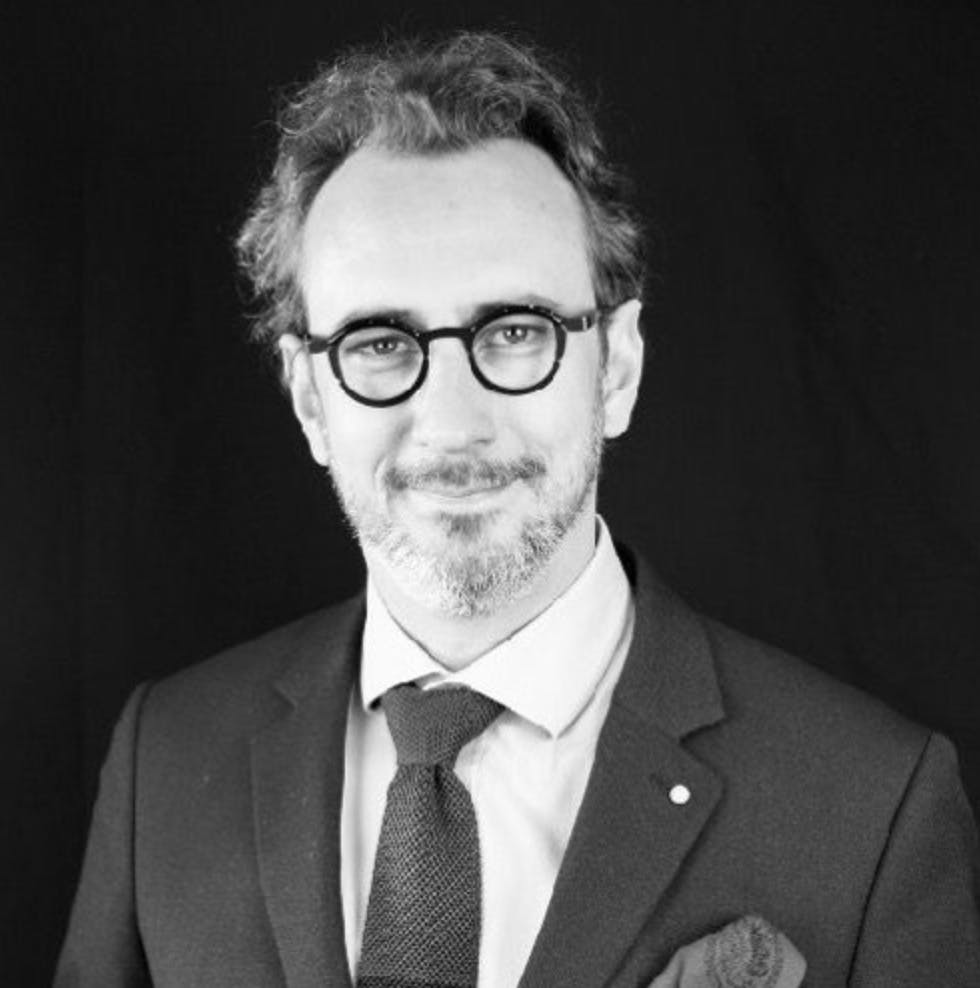
Ep. 406 Arnaud Orsel
Episode Summary
Content Analysis Key Themes and Main Ideas 1. Arnault Orsel's unique career path in the wine industry through barrel making. 2. The historical and evolving use of oak barrels in Italian winemaking, particularly French oak. 3. Contrasting business cultures and winemaking approaches between French (Burgundy) and Italian wine regions. 4. The importance of personal relationships and connection to place in the global wine trade. 5. The mission, history, and activities of the Confrérie des Chevaliers du Tastevin and its central role at Chateau du Clos de Vougeot. 6. Arnault's perspective on the future challenges and opportunities for French and Italian wine. Summary In this episode of the Italian Wine Podcast, host Monty Waldin interviews Arnault Orsel, a seasoned wine professional with a master's degree in wine knowledge and international trade. Arnault shares his decade-long experience as a barrel maker for Francois Freres, explaining how this niche allowed him extensive travel and tasting opportunities across global wine regions, including Italy, beyond the scope of a sommelier. He delves into the historical evolution of oak use in Italian winemaking, noting the shift from traditional large Slavonian oak vats to the adoption of French oak in the 1970s, influenced by pioneering Italian vintners like Angelo Gaja. Arnault discusses his personal affinity for Italian regions like Piedmont (due to its similarity to Burgundy's focus on single noble varietals) and Verona (Valpolicella), emphasizing that wine appreciation is deeply tied to the people and landscapes encountered. He highlights the distinct approaches when dealing with French versus Italian clients, describing Burgundy winemakers as precise and traditional, while Italian vintners are often more open to experimentation and new ideas, despite the formal blind tastings. A significant portion of the interview is dedicated to the Confrérie des Chevaliers du Tastevin, a Burgundian non-profit association where Arnault serves as director. He explains its mission to promote Burgundy wines and culture, detailing its history, the pivotal role of the Chateau du Clos de Vougeot as its seat, and the traditional ""Chapitre"" induction dinners. He concludes by sharing his outlook on the future of French and Italian wine, stressing the importance of quality, respect for the grape and soil, and adapting to cyclical challenges while maintaining tradition. Takeaways - A career in barrel making offers a unique pathway to extensively explore global wine regions and production methods. - Italian winemaking historically relied on larger oak vats but adopted smaller French oak barrels from the 1970s, influenced by key figures. - Italian wineries, particularly some ""revolutionary"" producers, can be more open to experimenting with barrel types and sizes compared to their more traditional French counterparts. - The barrel maker's role has a direct and significant impact on the final quality and style of the wine. - The Confrérie des Chevaliers du Tastevin plays a crucial role in promoting Burgundy's wine heritage and culture globally. - The future of French and Italian wine hinges on a continued focus on quality, respect for terroir, and a humble approach to nature's annual variations. Notable Quotes - ""Being a provider of the wine industry, when you are a barrel maker, helps you to go into the setups [cellars]."
About This Episode
Speaker 1 and Speaker 2 discuss their experiences in the barrel industry and the importance of finding the right barrels and formats for their projects. They also talk about the use of Italian language and the importance of learning to understand the history of the industry. Speaker 2 describes their experiences in the crafting industry and their desire to write a book about their experiences. They also discuss the importance of being open-minded in regions and the importance of learning a language. The Chateau de hosts and the restaurant's hospitality and world-class standards are also highlighted. Speaker 2 thanks attendees for their attendance and promotes their podcasts and resources.
Transcript
Italian wine podcast. Chinchin with Italian wine people. Okay. Hello. This is the Italian wine podcast. My name is Montewood. My guest today is Arcono Orsel. I'm not you have a master's degree in knowledge and international trade of wines, and you obtain that from the agro soup in dijon. You spent a decade with Francois Fair, Cooper, which are maker of barrels. Was it barrel making that originally attracted you to the wine trade, or did you decide to pursue wine as a career for some other reason? Well, actually, when I finished my master degree, I wonder where I could learn more about wine on how to taste as much wine as I would like. And actually, being a provider, of the one industry, when you are a barrel maker, helps you to go into the setups. And apart from Sumeli, which is not what I was, thinking of doing, I thought that, being, working for a, a real knicker for a Cooper, will help me, to, visit, some of the best domains. And, actually, working for Frost Frrera, which is one of the leader of the, barrel making worldwide, got me to visit most of the domains. I wanted to visit, in France, obviously, burgundy, SD, but also in, South Africa, in Italy, in Australia, in Germany. I got to travel around for, about a decade and, testing, I like eight domains, a day and, and, two weeks a month. So that was not a bad tradition. So you mentioned the use of French barrels in Italian, winemaking. Is that a long standing tradition? Well, actually, it's quite interesting. Obviously, in Italy, the, tradition is as a start more onto a bigger oak fermenters and big vats that were made with the Lavoline Oak. Actually, in the early seventies, the know how of Cooper was almost gone because in France, a few domains were willing to use New Oak. Because of the, arrival of, stainless steel. And, actually, when we call, like, Orangeier or the manual or manual quality, kept on using, a hook on new wood. And, and in the early seventies, from Italy, arrives guys like, Angelo Galla, or, Jaco mobileonia, that, went to visit, for licevic called and went for, for, internship into some domains. And they found out that the use of Oak was, quite interesting for, for them, and, they started to try it under Marolo. And, and, in Gimonte, it's starting like this. I think the same thing happened to, one that comes from Tuscany, when they started plant, some, international grads like, Maryland and Gas, they looked at what was happening in, in in Bordeaux, and then we then start to import some, some barrels from Bordeaux. So it's not a long tradition. That's I I have to say that there is some traditional barrel maker in Italy, like, gamba or Gabito. That's, now next some, some barrels. Did you, I mean, when you were working and sending barrels and going to Italy, was there a particular region you you felt that you had a real affinity for? Well, actually, I would say two of them. For the connection between between a burgundy and, you know, what you mean, which will be one only great and, local varietal. I I would think that, Jose Vignard, using the Bureau of Barolo, Babaresco looked quite similar into approach with the small domains, family estates, and, you know, a search for quality here that, has always been a second to know. So I would say, for the link between, and and the similarities, I would say, Then, I had the chance to, travel to, to Verona, I really, follow-up in Italy. And, it it happens that I met very good friends, in the region of Verona and Balcolixella. So, I would say my my test is in, in Vermont and my heart is in, helping each other. Oh, really? That's interesting. You know, it's that they're often seeing those two regions is very different. You know, one is this sort of aristocrat and one is slightly less aristocratic. So, why why are those two choices? Well, I I got to travel also, I mean, into a market and, lads you, obviously, a lot of tuscany, under, under, Cecilia. You know, it's rather that the the wine is a matter of people you meet, and, and, the landscape, and then the taste. And you can, you can, enjoy your, as much, shit to do to you, but, and, to me, I mean, even though, characteristic are very different. It all depends on, on what you opened. The, who was to watch all the same for, I mean, amarone and, and, a great, great, Cemonte. I mean, then, I I would say that, looking at the white wines, obviously, outdoor, DJ wines are in very interesting, and But, you know, it's it's all a matter of the people you meet and and, it's it's about ten years. Moment ten years I left, housewife, and I kept a very good contacts with, with some, one niggas and some friends. And, and I, I'm happy to travel, as much as I can, also, to meet my friends. And also, I, I have to confess that they're also good to, to tuscany. And then it was all in a few brands there. I mean, if if if you, were going back to your previous job, and, I said to you, right. This week, you gotta do two trips. One of them, will be around a dijean burgundy. And one of them will be in Italy. How would you prepare differently for a French client or, an Italian client in terms of your in terms of your sales pitch and also in terms of, styling Well, interesting. Here in Burgundy, Z one makers pretty much know what they want. So, we know what percentage of new roots they they're gonna use. We know what type of testing And, you hear, on a more, like, a friendly relationship, and, it's, it's, it's, you you confide on your on your battle maker, and, and, you got to see, your customer, on every event that's happening in burgundy. Whereas when you go to Italy, maybe you see the guy, just once a year. And, it's more like you you taste blind and you compare to, like, ten other couples, and, so it's it's been a different approach. I remember having some, tasting, like, a tinian yellow or, in, in, at TASICaya where we are, like, twenty five samples, very formal, blind testing, and, and also, something interesting to to test different type of those team to test different. I would say that in Italy, you had more chance to make some, discoveries on mood, different proposal If the one makers were more open minded, like, if in burgundy, you come to a domain and say, you know, you may you better use three hundred liter barrel rather than, two twenty eight features. They would look at you and say, you know, a tradition is the same since the vote, the tango lua for two thousand years. So we're gonna not gonna change the shape of our barrels where in Italy, you know, a tradition is less, long term. So you could go and say, you know, I think six hundred liters for you, wine, would be more appropriate. And, and then you you go, faster into the the know how of, aging experiences. What was the most, What was the what I mean, did you don't have to name the winery, but maybe the region? But, you know, which which areas, particularly, will really, really you say that the Italians are really open minded with with their particular regions where there were even more open minded than other places in Italy, was it Piamonte and Tuscany, the the revolutionaries, or was it, well, was it other regions, mine, whereas in other regions? Yeah. I remember, in, in market, who have this discussed, long time. Someone make us just to find the appropriate, parallel for multiple channel. And, and, it's it's been, you know, I came every year, and we've been discussing, and, And, so, the guy was doing a hundred percent. You would, quite, very powerful wine. And, so you, you had to find those appropriate barrels so as to, match and not do over auto wine. And to respect, the idea of the wine, of of the winery. So so it's not like a region. It's more like somebody you meet, somebody you share passion with, and, and then, I would say it's, a feeling and, it's good time to spend together. But it's interesting that you mentioned that this, one of the revolutionaries was a a grower of, multiple channel, the great variety because it is a slightly monolithic great, great variety, or as seen as being slightly monolithic, you know, a lot of tan in, a lot of color. And so it's interesting that you you cited a a producer there that was really keen to Yeah. It's quite far from it. It's quite far from a from a Binonua. And and, obviously, the approach towards aging is is different. But, when you when you in every region, you have some, you know, people that are really precise willing to go over to to be leader in their mind and, to make new trials. And, and so this is, these are moments exceptional moments that you because, when you are a provider to watch the wine industry, actually, barrel maker is the only one where you have an impact, direct impact on the wine. I mean, if you're a co producer, if you have an impact on the wine, it's not a good idea. If you're a bottle maker, obviously, your your impact is, is, non sensitive. On the taste of the wine. Whereas the barrel, you can, enhance the quality of the wine, or you can also, put it down. So so this is, some very interesting, and, for the ten years, I spent, traveling the world and visiting the wines. I've always had some, very interesting discussion with those type of, winemaker, willing to, to go further and then to be, junior in virgin. Yeah. We look, hopefully, hopefully, you're gonna write a book about your experiences. You seem to have really loved your time in the in the barrel industry. You speak Italian. How how did that come about? Ben, you know. Actually, if you want to, to be involved in the in the culture of a country, the the best ways to be able to to talk. And, I remember one day I was, in, in, visiting, an old archeological, place. And this is, the beauty also of traveling, you know, sometime you could also, visit some, very nice place. And and the guy, the gardener, was there. And, I've studied to talk Italian to him, and he was, like, crowed of tourists. No one was, interested in talking to the gardener. He took me on his tractor, and he took me for a tour of, the world site, tasting some almonds and some pistachios and stuff like that. So, you know, this is what helps you to learn a language. You just get more from the people you meet. And, as I had to learn, I mean, it was my choice to, to to start to learn Italian when I started to, to work from from software. And, I started with twenty, house of lectures in Burgundy. And then my friends in Italy told me is that I was talking, because I was mixing, Italian and Spanish, and But by the end, now I speak better Italian than Spanish and, and, you know, the chance to, visit Italy several times a year, and the friendship makes a difference. You've you've conducted, you you say about coming to Italy. You've conducted seminars and tastings in verona, in the past. What goes into preparing, these seminars? And what what lasting lessons do you hope? Your audience takes away? Oh, you know, we all know what burgundy is, is complex and, and, the seminars were rather on, on burgundy and, it's a mathematical point understanding why why is that the same grape, the same village, with the same soil or almost, a closed soil, get a village, a region, a regional position, a picnic crew, a ground crew, And why is, this wine, more, much more complex than the than the over? What I understand also in, in, my twenty years of experience in the wine business is that you never got to know the whole story every year as a new vintage, you have to stay very humble, about, what's most of nature gives us. So, I would say that, this is what I want to tell to some, somebody and to some, you know, people that were attending, this, seminars just to to give them a a good approach on on Burgundy and also just to handle, there's no, there's no, rules on, you know, food on wine pairing and stuff like that. We have to go further. Yeah. It's good to see you're open minded on that. Now you are a member of the, and you're also its current director. Now can you briefly describe, for our listeners, the mission, or the core values of, the, is, nonprofit associations that have been created, created in the mid fudges, in burgundy at the time where millivita or nuts, burgundy wines were really difficult to sell. There was this, depression, red depression that that crossed, the advantage and, and the, the, the barrels were full, the sellers were full. And, the core heidi of, the core idea of the the contrary was to put together friends and, and, offer to, visit us, the tradition of burgundy of big meals with great wines good food and and, you know, like the traditional songs. And so it it all started, in a little cellar, in November nineteen thirty four. And, today, we had held more than a thousand two hundred dealers at the Chateau de Cogdoches that we own since, nineteen forty four. And, and, we are gathering every time, I mean, in normal time, about five hundred people that, come from all of those world at Boston News. And the company now is, as more or less twelve thousand members, the alphabets being, French members and the other half being, about, in seventy five different countries in the in the world. Where people enjoy burgundy wine, and, I'm great, I'm great food. Just tell us about the chateau du clos de Vogio, it's a symbol of, burgundy patrimony. Now, why is it central to the confreide de chevalier so as I mentioned, earlier, this is, the seat of the order of the country. But before being, in the hand of the country, it's also, the start of, bugundy, wine history. If you go back to the, late, eleventh century, start twelfth century, the monks of Sito, the sea stations, started to plant vineyard, in the coast, what we call the coast like a door. None replanting the sun vineyard in Fugeot. And, we own this block of this parcel of vineyards called the for, about seven hundred years. And the chateau has been in the place where, So there's a lot of history, and you can see, the chateau still is a remarkable, seller with big presses, that still remain. So it is, placed with a lot a lot of, poor. It is a place with, as a real, feeling when you are inside. And you are, we are inheriting from, from the, from the monks. The chateau by itself is dating back from, the sixteenth century. You might have seen some pictures of this, very beautiful, monument from the renaissance time. And, so the aim of, to go for it is to step by step, stone by stone, restore the shadow to your duty. And obviously, as we have and executive chef, the chateau, that is, the one in charge of, producing, the great meals for the, for the chateau dinner. We also, have a lot of events at how happening at the shot of, like, international weddings and, big tasting and concerts. So it's a it's a very live monument and we tend to, to, use it as much as we can. So that's this does from all of us who can, enjoy and understand, what's, you know, what is the root of building the wine. And, and, so it's it's a place, really people need to, to feel, when they are in the region. She mentioned the word, what does that what does, that refer to in the in the context of the clos de vougeot and the Confray? Absolutely. Shapitra, actually, is is the name, is taken this name is taken from, the gathering of the monks that the the sister she used to make and we we used this name. It's actually the the name of the dinner when where we proceed to the induction of the new members into the confetti, and, it's a six course dinner. Obviously, each, each dish is, a combined with, burgundy wines, and, there's a lot of, speeches about burgundy, it's history. And it's, I mean, it's quite formal in, in a non formal format, meaning that, the dinner is a black time in the evening grounds. But, by the end of the evening, you get to know, you have you have met many many new friends. So this is, the spirit, and we also, worldwide, some of the meetings, as we have seventy five, what we call, SUcamodry, which are, I mean, the little undersides of burgundy that we have, in the US, in, Australia, in Hong Kong, in Japan, whereas the members gather, two celebrate, burgundy and proceed to the same type of traditions that we hear we we have here. Final question, what, in your view does the future hold, for French and Italian wine, in, in general? That's that that's a a wide question. I'm happy to to keep on having some good relationship with, with, like, on the Alba, and, and, we have had a very nice, meeting together at the Chateau. He told me, you know, two years ago, the of the of the of the in, in, in, and so the future, the future is, you know, whatever is, the situation, we know that, why is the cycle? Sometimes you have some crisis. You have to keep on, on doing, so best that you can and, and we see the secrets, so as to, to keep on, expanding and, and, keep the tradition. So, you know, back to, barrel making, I remember, some, some, years ago, going to some domains or, biggest stage in, tuscany and, you know, So, owners, would ask me, to provide him with, a lot of new barrels, and, I was looking at the guy and said, but, your vineyard is very young. What are you gonna do with, those barrels. And, the guy wanted to fill up the, the cellar with new wood because it was, it was, in bucket, fashionable. And, and I said to him that, you know, I mean, you have to wait for your grapes to to to to grow. You could contrast using your root and, into, into, winer made out of, vines. So this is typical, you know, don't make a recipe. Just, do what you feel and, and the unexpected regret because it's in the start. It's the start of, the the work process and respect the grip to get good grips respect the soil. That's what I would say. In the time of, of the future, this is, I mean, a common goal, for French, on Italian wine maker to focus on, on quality. Yeah. Both, both countries have a very strong sense of terwar driven, winemaking and a wealth of, great varieties. And, lots of things in common and differences between how they use, how how they use their wood as you described earlier on. So And I just wanna say thanks very much to you for coming along, on the Italian wine podcast today. It's been fascinating hearing about your career, which has been very eventful and also seems to be very successful and giving us the inside story on, what it's like, selling barrels. Thanks very much. Thank you, Monty. It's a pleasure on the next time I hope we, see each other with a good class of, Nebula or or opinion or enhanced. Perfect. That's very kind. Look forward to that. Thanks, Anur. Thank you. Listen to the Italian one podcast wherever you get your podcasts. We're on SoundCloud, Apple Podcasts, HimalIFM, and more. Don't forget to subscribe and rate the show. If you enjoy listening, please consider donating through Italian wine podcast dot com. Any amount helps cover equipment and publication costs. Until next time.
Episode Details
Related Episodes

Ep. 2795 Ep. 15: Spain | Study Smart for your WSET Level 3
Episode 2795

Ep. 2789 ColleMassari: a long-term vision rooted in Montecucco with Giuseppe Di Gioia | On The Road With Stevie Kim
Episode 2789

Ep. 2788 Ep. 14: Austria and Hungary | Study Smart for your WSET Level 3
Episode 2788

Ep. 2785 From Volunteer to Speaker at TEXSOM with Samantha Cole Johnson | TEXSOM 2026
Episode 2785
Ep. 2766 Inside the U.S. Non-Alcoholic Wine Market: What Wineries Need to Know with Jill Sites | Masterclass US Wine Market
Episode 2766
Ep. 2761 Winemaking and Consulting Across Sicily with Alessandro Serughetti | Wine, Food & Travel with Marc Millon
Episode 2761