
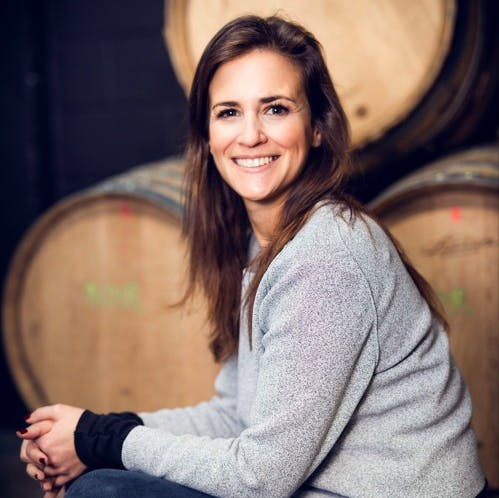
Ep. 495 Amelia Singer
Episode Summary
Content Analysis Key Themes and Main Ideas 1. Amelia Singer's personal journey into the wine industry, driven by family influence and a desire for approachability. 2. The innovative concept of pairing wine with music and other cultural elements to make wine more accessible and break down elitist perceptions. 3. The profound impact of major social and political events (e.g., BLM, US election) on the wine industry and broader society, as experienced in Los Angeles. 4. The critical issues of bullying, harassment, and the lack of protective measures (especially for freelancers) within the wine industry. 5. Amelia's active role in advocating for positive change, professionalization, and increased support within the wine sector. 6. The success and personal significance of her ""Wine Wednesdays"" Instagram Live sessions as a tool for connection and engagement during the pandemic. 7. A celebration of diverse Italian wines and their cultural pairings, including personal favorites and recommendations. Summary In this episode of the Italian Wine Podcast, host Rebecca Lawrence interviews award-winning wine educator Amelia Singer. Amelia shares her early introduction to wine by her father, which cultivated a belief in wine as a ""life enhancer"" and inspired her to make the industry more approachable. She discusses her unique approach to pairing wine with music and other art forms, aiming to break traditional barriers and engage new audiences. The conversation shifts to Amelia's experiences in Los Angeles during 2020, where she witnessed significant social change amidst the pandemic. A poignant segment focuses on the pervasive issue of bullying in the wine industry, with Amelia recounting a traumatic personal experience and highlighting the vulnerability of freelancers due to a lack of professional safeguards. Despite these challenges, Amelia expresses a strong commitment to driving positive change, detailing her advocacy work and collaborations with industry organizations. She also shares the unexpected success and personal growth gained from her ""Wine Wednesdays"" Instagram Live sessions during the pandemic. The episode concludes with Amelia's ""Italian wine Wednesday"" playlist, featuring a selection of her favorite Italian wines and a delightful pairing of Panettone with Moscato d'Asti. Takeaways * Amelia Singer's passion for wine was fostered from a young age by her father, shaping her view of wine as a life enhancer. * She aims to demystify wine, making it accessible through creative pairings with music and other cultural elements. * The wine industry grapples with serious issues like systemic bullying and a notable lack of professional HR and support mechanisms, particularly for freelancers. * Recent social and political shifts have acted as catalysts for critical discussions and calls for change within the wine industry. * Amelia is actively involved in initiatives to professionalize the wine trade and improve support and representation for all its members. * Her ""Wine Wednesdays"" Instagram Live sessions unexpectedly became a vital platform for community engagement, learning, and personal expression during the pandemic. * Italy offers a rich and diverse range of wines, many of which are underrated, and are deeply intertwined with local food and culture. Notable Quotes * ""He's like, that's the perfect tasting note. I didn't actually say that. It was very much a part of the daughter thing."
About This Episode
Representatives from the Italian wine podcast discuss the importance of communication in the wine and music industry, as well as the impact of COVID-19 on their work and personal lives. They emphasize the importance of social and cultural factors in bringing people together and creating joy, and stress the need for a holistic approach to the industry. They also discuss their love for wine and their plans for virtual crafting, including their own Panato Tasting and their own Panato Tasting. They emphasize the importance of sharing experiences and ideas online to avoid going back to the industry.
Transcript
Italian wine podcast. Chinchin with Italian wine people. This is the Italian wine podcast with me Rebecca Lawrence, once again, taking the reins from Monte Walden. And actually, it's a bit of a not only a female takeover of the podcast but a British female takeover of the podcast. This episode because I am honored to be joined by Amelia Singer, an award winning wine educator and expert on the wine show, which many of you I hope have watched. On TV. So, Amelia, welcome to the Italian wine podcast. Oh, thank you so much for having me. So, Amelia, before we dive into the discussion that you had at wine to wine and maybe see if we can take it a little bit deeper for listeners to the podcast, What was it that initially drew you to the wine industry? Did you come to wine like straight out of the gate or were you lured to the wine industry from another profession? I kind of was seduced by my father into the industry. Like, he is European and pretty much weaned me on wine from age six. Who'd always allow me to have a sip of wine before dinner, and then I give him like, I'd have to, like, try and describe the flavors and he actually burst into tears aged ten when I described Avier as having peach honey and apricot notes. He's like, that's the perfect tasting note. I didn't actually say that. It was very much a part of the daughter thing. And, actually, the first bottle of wine. I remember sharing with him was actually in Italy, about four I was, like, I didn't just it wasn't just me showing a bottle with him. It was like a family meal, and I was, like, fourteen, and I was actually allowed a full glass of Amber Roni on holiday in Italy. Yes. He kind of got me excited about wine and really thinking about wine as one of life greatest enhances. You know, we'd have these long family meals and great conversations. And it's like all life enhanced. It's like good music and good books, all that kind of thing. So he kind of got me very comfortable with it, but it was only really when I was at university, and I thought it was gonna be an actress. I was spending lots time acting and singing and studying English literature. But I helped set up the food and wine society there will help run it. And I really loved all the wine tastings going on, and it was in Dublin and Ireland. And not many of my friends came from wine drinking families, And but they suddenly, like, I just suddenly realized there I would throw these wine and cheese nights at my flat, which at first, everyone ridiculed me for. And I was like, look, guys, just bring a bottle of wine, bring some cheese. It could be baby belle, who cares. And, let's just, you know, like, have fun. And that it was when I was there, I actually people started, firstly ridiculed me, and then they came along and, like, oh my gosh. No. This is actually really fun and cool. And it just made me realize, gosh, you know, why why does it have to be such an elitist intellectual subject? It's really just about getting the right tone and mess to Jean and communication. And people, then everyone can see it's one of his life's greatest enhances. And at university too, it was when kind of Jamie Oliver was in his prime, and I really loved what he was doing with food. And I remember going back in my last week, uni to a Christmas party, and someone talked to me about wine, and I was like, I just really hit the strict dichotomy with wine, but I think it was think of it as either very elitist or they're like this pissed or three bottles of Jacobs Creek. Why can't there be someone who could jamie all of a of wine and really empower people when it comes to making decisions? And this guy was really bored of my chance. And why don't you do it then? And I was like, oh my gosh. Yes. And it just kind of it was, yeah, it was two thousand and eight, and I remember telling my father on Christmas Eve. Yeah, dad, like, I have to tell you something It's like, because it could be really anything with me. And, I was like, yeah, I no longer want to be an actress. I actually want to go into wine, and he burst into tears. And he said I'm so happy for you. I would have supported if you wanted to be an actress. But I think God and Swine will make you far happier and give you far more rewarding life. And he's fine about that. No regrets. Nice story. Oh, that's so lovely. It really makes sense because you are such a good presenter of wines that, like, the the acting training and your kind of natural ability to just make some wine something that is really approachable, I think, has been such a great thing. Like, you've definitely inspired me or my wine journey to do that kind of thing to to remember that wine is is something that you can have fun with. It doesn't, like you say, there doesn't have to be this dichotomy with it. There can be this fantastic middle ground. And talking about the food and wine pairing, you actually enjoy pairing wine with music I understand. So I I wondered if you could share some pairings or some inspiration that you're particularly proud of when it comes to wine and music pair. It's it's like I ultimately want to be considered the cross dresser of booze because for me, I love. Okay. That's it, everyone. That's Amelia's new hashtag, the cross dresser of booze. Because ultimately, again, it fits into that whole communication thing. Like, I hate that being binaries. I hate that being strict brackets of things. And really, it's just about understanding your audience, making them think, okay. Like, they might really love music. So if you talk about, you know, I love doing wine and music events, wine and art events, wine and literature events, wine and philosophy events, because for me, I love it because that creatively gets me to think about wine in interesting ways and gets me reengage with it in, like, an exciting dimension. But then it's gonna make wine lovers who normally think we'll see wine, you know, in one linear way. They see maybe favorites of their you know, kind of in a whole new way. And then people who would never normally engage with wine at these kind of events or whatever, they suddenly see their art form or their interest being represented in Vineia's form. And so it makes them engage with wine in a way which we feel comfortable and excited and just kind of enhances their mind. And, like, that for me, that that's what wine is about. It is it is about it is a life enhancer. So the wine of music, I definitely find the most I find it the easiest out of all the cross pressing, I do. I'm careful. I'll not get that quote out of context. But, yeah, just because again, I think sensorally the way that wine and music works, you know, I always give the example, you know, so much of wine is, like, you know, this smell and scent and perfume, and it might just sense what you taste, what you smell is. It's amazing how you suddenly smell something or taste something and it'll bring up kind of amazing, there's some kind of memory or or mind you something. Same thing is kind of set to be said for music, could be walking down the street and suddenly hear a tune playing or whatever. And it'll just suddenly you'll get this arresting, like, flashback or memory or associations. I think just in terms of how they work, I find it the easiest. Also, probably because I used to sing jazz and blues and play the pianos. Maybe I just I I love to work with the two. But for me, probably the the parents I've felt the most proud of us doing for, genres of music, which I'm not that knowledgeable in, like, really going out by my comfort zone. So for example, I got a call two years ago to do the interpretation of Kanye West through Spanish wine at in an art gallery, in Laguna Beach in California. So, like, that for me, like, I really You know, I I I did listen to, like, hip hop a little bit at school and things like that. Like, but it really is not a genre. I I can be a ten to be an expert or connoisseur on. And that for me was, like, it was really fun, and I really had to, like, think about wines, I don't know why it could be represented through Kanye West as a as a as his music, but also as a producer, and then how that could be reflected in art. And like that for me, that was super, super fun. And again, I guess more recent was actually filming the last bit of film we did for the wine show series three. Thank goodness, we managed to film in February and managed to wrap everything up. We were so lucky with timing. But it was when I was in New York, and I was being interviewed by Germaine Stone, who has a wine and hip hop podcast. What, what, one of, one of my friends, Germaine Stone, the wolf of mine. Oh, it's so amazing. We've done quite a few things together now, but the first of my met him was in New York. For this wine share filming in February. And I was really nervous because I was like, oh my god, I'm a wine person. I'm not a hip hop person. And immediately, I was doing stuff with doing the thing which I always tell people never to do, you know, like, there doesn't need to be these binaries or blah blah blah, but I was really, really nervous. And, actually, he's just how he does it. Like, he he considers himself a wine culturalist, and he also is a is a cross dresser, you know, human being why I'll call himself that. But, what he's doing with his wine and hip hop podcast is exactly that. And engaging with communities who would maybe view wine in very set way and whatever, but he's actually really able to break down barriers. I love I love his ethos. Anyway, we actually end up having the best conversation. He suddenly played a song and I was able to tune it, like, pair it with an amazing chardonnay, which I discovered, earlier in the day at a Urban New York, winery with Andre Mac, who also is a hero of mine. So, yeah, I know it was, like, it was really fun. So I was like, oh, no. And I was like, absolutely because I just basically said, look, I just said to him in in the interview, I was just like, okay. I don't know what to look for with hip hop. So can you tell me, like, break down the three things I should look for? And it's exactly how when I do a wine tasting, I always tell my wine tastings with these are kind of my own three principles of wine tasting. I mean, they're not terribly serious. I mean, it's like swirly, swirly sniffy sniffy, slurppy, slurpy. But, you know, like, you know, based on those three principles, I kind of can go through, like, tasting. And that's effectively, like, he did it in his own vernacular with hip hop. And I was like, oh my gosh. And from doing that, I could then listen to the song, and then I could find the right wine. And it was just case in point how all of these things, I do consider wanting to be one of the arts that meant to bring people together and give you joy. And, yeah, see things in whole new, exciting light. So, yeah, that was for me, like, a really, really affirmative tasting and pairing. I really love the way that he quite often approaches his kind of music and wine pairing from this idea of the mood that is created. Like you're saying this, like, sensorial aspect of wine is is not just in what we smell and what we taste, but it's connected to so many other things, and like he really approaches it from mood. And I think that's such a nice way to think about wine with people, particularly people who are worried that wine might be quite, elitist and don't know how to approach. It's like, but what do you feel like drinking on this occasion. Like, what what mood are you in and we can take it from there? And I think that's also like these kind of pairings, these cultural pairings, in many ways, are kind of the foundation of wine, and we got a little bit lost from it because if you think back to things like and, you know, the Greek and Roman appreciation of wine, it was so tied in with culture. So actually, it's it's it was always there. It's just I love that people like yourself and Germaine are are bringing it to the fore again. Yeah. And what it has meant to be fun too. You know? And I just, again, I think unfortunately fairly recently. I mean, I went into the one industry twelve years ago because I just was like, oh my gosh. Like, why do people have to think of it as this very elitist intellectual thing and just seem like so sad. I I do think non anglophone countries are better at, like, with, like, kind of drink, like, you know, like, kind of in terms of associating wine with food and good conversation. And, like, when I think of my French and Italian friends, like, how they were brought up with wines and much more healthy than, I would say the England and definitely in the US. Oh my gosh. The prohibition has a lot to answer for in this country. Well, speaking of the US, you've actually been stuck in LA for most of twenty twenty, which I can imagine has huge pros and cons, but also you must have been in within quite a the heart of social change that's going on. Have have you kind of felt and seen the the impact of social change while you've been there this year? I think LA is up there and probably if you're gonna see the most social change and see it literally in ground zero, LA would be one of the main cities. If not the the, you know, the real I mean, I I could I could I can also think Portland. I can also think. But the thing is LA has always been known as a city for kind of protests and, you know, being liberal, being able to express yourself. And, obviously, the Me too movement really kicked off here two years ago. And then this year, absolutely, I mean, it's just been such a tinder box with COVID with it, of course, being election year. I mean, that's really affected everything. I'll be very interested to see how the media portrayed COVID if it was not election year, but that's another conversation. And then, of course, the whole, BLM Movement, and I where I live West Hollywood, I mean, I had tanks outside my door. I had swap teams in the neighbor's garden. We had to keep Avasma. We had to keep the windows shut because of tear gas. I mean, it was, like, it was just mad. It was really and I just to try and explain and and this had nothing to do with the protests. These were riots. These were, you know, kind of, probably white man mainly taking advantage of the fact that it was a very precarious situation here. And you know, kind of under the cover of BLM movement were actually just being thugs and smashing jewelry stores and, you know, all of my shops and, you know, the local laundrette where I go and the place where I get my milk and all of these pay they all were, like, had to be boarded up and, like, and they could've all graffitied on or smashed up. I mean, there was one morning where I woke up, and I was like, I wonder what the landscape's gonna look like today. You know, it it was literally, like, I was like, what's gonna be smashed in? What's gonna be still around? So No. Like, absolutely, I think LA, it is kind of an epicenter for all kind of these movements, but also where I'm I happen to be placed was just ground zero. And, I mean, but then I was talking to my landlords who also live in the same kind of garden area and, you know, they were here in the nineteen nineties when they were kind of protests then and they're like, you know, it it is. It's very, tumultuous, but at the same time, very in aspiring city in a lot of ways. I mean, it was it was scary. I'm not gonna lie with the tanks starting to roll in from Beverly Hills, and we had to happen here for about four or five days. But, yeah, you are really on, you know, the the the, like, the before the front row seats, basically. Of these movements. Yeah. Yeah. No. It's it's been it's been us, but then also because of that, that precipitates, again, like, just with social media too, everything gets accelerated anyway. But, you know, and then you see people people's reactions and you see how people try and move with a change, whether that's trying to weigh awareness on their social media platforms or, you know, whether, it's been very interesting seeing the kind of stories, even with a court of master sommelier story, which know, came out and said, like, and that was with the New York Times. Like, it's not just social media accounts. It's even big publications. Like, they suddenly realized, oh, no. We have this onus to be engaged and to reflect what is going on. So it it really yeah. Things were a catalyst here, and it's really just affect the whole country, and, and this has been interesting to see the coverage, the communication, and the different platforms, which are kind of evolving because of it. So speaking of, of platforms for, for change, and also things like you bringing up the court and the issues that are currently being brought to light, I think, or at least being focused on more in, in our wine industry. I was really impressed in your discussion during wine to wine, that you were talking about, the difference between bullying in the industry and harassment, and this idea that bullying is is much harder to pin down than harassment. And, I mean, like harassment, but also you can see that it's not limited to gender. Early in your wine career, you were talking about this, in the session, but for those who haven't seen it, you experienced a very extreme case of bullying. And often people in such situations, like, they don't see a way out. So I I wondered if you could maybe talk a little bit about that experience for those who haven't had the chance to see the session and and then maybe talk about the red flags or or warning signs that unfortunately, you know, you are now aware of that maybe we can help make other people aware of. Yeah. No. Absolutely. I mean, I was twenty two when I entered the industry. I was very green and just positive and just wanted to work really hard. And actually, the person who wasn't bully was female. And I think that was, like, very important to bring up in the session because, of course, you know, sexual harassment comes up a lot, but, actually, I think systemic psychological bullying can be just as damaging. And that's what happened to me, and that can happen with a male or female boss. And for me too, like, to be anti bullying, like, no one should have to suffer bullying, whatever, like age, gender, race. You know, I just don't want anyone to experience what I went through, which is why I felt like had to say something, another one to one webinar when I finally had some kind of platform and some kind of voice. But, yeah, I entered, you know, I was, again, I think what also happens in the wine industry is like there's not much money going around. It was two thousand and nine. Was a company which, you know, often most, wine companies in the industry are kind of small to medium businesses. Therefore, they're kind of really stretched. So I wasn't really even been paid that much. It actually rolled two rolls into one. You know, I really had no experience. I come straight from university. I'd I'd done a harvest in Bordeaux, but apart from that, I, you know, came straight from university. And I had this boss who first seemed so charming. I was really wanting to be my best friend. I was just like, Chummy chummy chummy chummy, and that's actually a red flag. Like, you don't actually wanna be best friends with your boss, you know, and anyone who comes across as too friend or too familiar, like, there there needs to be boundaries, legs already. Yeah. I should have known there was a lack of boundaries and a lack of Yeah. Kind of clear cut lines. Anyway, you know, I ended up as a possible situation trying to do some possible role, working, like, getting into the office at six AM, working till ten every day, you know, for, like, kittens, like, literally, like, no money, like, busting a gut, made myself ill in the process. And, you know, she just whenever I tried to ask for help. She just saw, I just went, make out that I was, you know, really stupid. When I did do events, she would always take the credit for it. I remember pulling off this like big portfolio tasting for the company. And everyone else, like, oh, that was great. That's the best one. And all she like, she took the credit for it. And then all she said to me, she thanked me. She just commented on the fact that one of the wines was missing out of three hundred and whatever, and that had nothing to do with me. That was, you know, the fact that it just didn't derive in time from customs or whatever. To even just you know, we'd go out for client dinners, and I am severely allergic to dairy, but she didn't want she was too embarrassed if I said anything about, like, my dietary restriction. So I remember going to, this one restaurant in France, and I actually call the head to the restaurant because I didn't wanna call the first hate was in a fast, but I was like, call them up and said look I'm allergic to dairy. Anyway, we sit downstairs and suddenly that my plate comes out and it's like covered in butter. And, she just kind of shot me this look and she whispered to me, eat it because she she just did not want me to. And I was up all night sick on it. And because I was twenty two, I did. It's like now at thirty four. I'm like, oh my god. I would never have let someone tell me to, like, eat something which I knew would make me sick. You know, like, what the hell? But I did because I was so scared of her. And eventually, I got I was so ill. I was on I was already gone through, like, three different antibiotics, and I almost collapsed, on our last day. Like, we're doing a marketing presentation. And then I organized the staff crisis party in the evening, and I actually had to run out of the room at some stage to be sick in a loo and and I took myself off in an Uber to go to the doctor, and the doctor was just you're too ill. Like, she weighed me and she's like, lost so much weight. You know, duh duh duh duh. She's like, I don't think you can go back to work. I was like, no, no, no, you don't. Just kinda like, I need to go. And like, I'm running up office party. Like, I'm just like, it was almost like, stockholm syndrome. You know, I was like, no, no, no, no, like, I was so sucked into it and so terrified of her. And she said, well, maybe you can go back for half a day, but I really just I don't think you're well, and I really I'm really worried about you. And I remember calling my boss up being like, look, the dog is not sure about me coming in back and coming in for half a day. She just said to me really coldly. You know, Amelia, there's no point in you coming in. I don't need any broken soldiers around me and just hung up. And I was absolutely devastated. And in the end, I forced myself to get back after the Christmas break. And the doctor had actually said, I think you're actually really depressed. And I think you're you're not gonna respond to these. I was on my fourth kind of antibiotic. Had lots, lots of weight, hair was falling out. You know, like, it was not a good look. Not a good look. And eventually, I I I kind of got the point where she couldn't find me, but I was like, I think I better go. And I think she was so relieved. She, like, she just, like, panned off all these gifts to me to kind of make a big show of, like, thank you so much from the company. But actually, my last day, wasn't there. And I just sent an email round to everyone in the company. It's been like, oh, by the way, like, it's my last day. You know, be at the pub, like, next door, you know, bro. And I was kind of thought, oh my god, and I felt really stupid. I thought, really stupid. Everyone hate me. Because no one ever stuck up for me. And that's also the thing with bullies too. Like, they operate by creating this, you know, like, this ambiance of fear and power dynamics, which is just so pervasive and silencing and scary. And it was amazing the whole office actually turned up to the pub later that day because she wasn't there and they could, like, show their support for me. It was so weird. And they're like, oh my gosh. We're so sad to see you leave. Like, you're the most positive thing in this office. You know, we've had ten people leave in the last two years because of her. Two of them are threatened to because of her bullying and, like, racism. And but they only told me on my last day. And so, like, I think this is what happens, like, you stop when you're a victim of this, you're like, oh, it's all me. And I think, you know, particularly I think young women too or whatever, and it's your first job. And, like, you just you know, you're just like, oh, yeah. It must be my fault why things haven't worked out on why this person is treating me this way. And there was no HR resource in the company, and there was no way really I could have gone. And I think that's like a big big issue for the industry because often these small to medium sized businesses, which how the wine history works. They don't have the capacity for you to, you know, and there there's no way for you to know your rights. And I literally, I had to have a doctor to tell me you're not allowed to work for this company anymore before I gave up because I because well, exactly, before I sorry. That just shows my my mentality. Wasn't giving up. It was no. I was not happy getting out of a very, very toxic potentially dangerous situation. This gradual, attrition of confidence, ego, like, just self belief, you know, and you that's where the term gas lighting comes into play too. You know, like, it doesn't just have to happen in romantic relationships or, you know, I think that highlights two really, really key points. The first is that quite often with with bullying and also harassment. It's not like one big thing that happens. You know, it's the constant kind of picking away at someone's confidence at their belief in themselves. Like, I've, spoken to Rania recently and Vinca, for the podcast, and they both highlight similar things that like it just, it gets under your skin, it just becomes so ingrained, and it just becomes so natural that you think it's you. And like you say, you just can't, you can't get away from it being you. Exactly. Yeah. It's a gradual attrition of confidence, ego, like, just self belief, you know, and that's where the term gas lighting comes into play too, you know, and I it doesn't just have to happen in romantic relationships or, you know, it's, And I think the other thing that that you highlighted is that there's a real lack of safeguards against some of this, particularly like you say, The industry is set up in such a way that often these businesses are small to medium and and there isn't that capacity to for support. And the other thing that I wanted to talk about is the role of freelancers because the wine industry has a huge amount of freelancers in it. Because of the way it works, and they can, in particular, be at risk of poor treatment, you know, whether it's in terms of pay or not being kind of collectively part of a company in the same way, not really understanding what their rights are, and I think that's really concerning for our industry that that freelancers aren't really protected. No. And, I mean, because our industry, it's just not a professional industry, you know. We're really, really isn't. And it's interesting when Christie Carter, interviewed Ronnie and I the other week, she actually was like, oh, scouring online. Be like, what are resources for people suffering from abuse and jobs? Where there's no HR or what are where where can freelancers go to get answers? And there's nothing there. There is nothing there. And it's partly just, like, how fractured our industry is, which seems like crazy. Like, I mean, the states is huge. Right? Yet, they seem so much more evolved in kind of having online forums and platforms and place, you know, people seem to be very transparent and how, like, I see other freelancers communicate. And then I talk about issues, like, well, this is how much I'm paid for doing a, you know, an event or is how much I'm paid for doing sponsored material, or this is where I, you know, that these kind of pledges going around, which, you know, if you work with a company you signed up to, you will be protected against x y z, but there's not really the equivalent in the UK and It's been very interesting. Like, a real kind of positive thing, which has happened from the wine bitch scandal, has been actually the type. I think people are talking a bit more in the UK. And I I actually have a regular group of freelancers who I check-in with every single week. Start off just to make sure everyone was okay emotionally and just to offer support, which is very important too. But then it was just like, okay. Well, how do we move forward with this? And, you know, the reason why freelancers were subject to attack in Wine Bitch was there's there's no one to protect them. They're very easy targets. So, you know, now I've, you know, I've written that article, what I thought should happen, in the industry. I I wrote an article about three or four weeks ago, which appeared in the in the buyer, which was really talk about the flaws of the industry and why kind of abuse and harassment can happen at every single stage of the industry just getting in as so difficult if you don't have the money, if you don't look a certain way. And and also just do you even hear about working in wine, like, right through to the end? But, yeah, I also the kind of solution was I was like, you know, we need to really create some kind of platform, which will probably be an amalgamation of the the kind of the drinks trust in conjunction with other associations across, I actually think wine, spirits, beer, pubs, hospitality, to kind of stop it with such a fractured, segmented industry, and actually also make sure that whatever board we have reflects more women, people of color minorities, they need to be represented in this area or position of power. And we should also really think about what institutions are even necessary in that current form and really question that. And you see that now in the states. With the quarter master sommelier. Like, I really am wondering how that organization is gonna thrive and what actual organizations are really benefiting people and enhancing the industry and doing good and what are actually just trying to keep this kind of this power of politics and this tyranny of silence and still operating. But, I mean, the good news is, like, since keeping up with this group in England, this is, like, you know, my articles come out and various other people are writing about it, it has absolutely put pressure on the W SAT, drinks trust, the wines for some trade association to really think about what they could do. And I actually even just two days ago, I got an email from the drinks trust saying that, you know, we're we're reforming this platform. We've just been given a grant from the national lottery and for us to be able to form a kind of interesting platform and they're actually asking freelancers to join and be part of this platform and to actually help represent. And in an ideal world, I think it'd be amazing to have some kind of platform supported by these from associations which offer HR resources, mentorship, networking opportunities, legal advice, grants for education and internships. You know, it needs to be, like, kind of holistic approach. So by having freelancers join, even though there's no association as of yet, for freelancers, which we'd love and which we're working on, I think it's really I've just, like I said, please can I be part of it? Can I be part of the, you know, representative to all three people who are freelancers to really be part of this platform? So things are changing. I'm really excited about twenty twenty one, but and and, you know, you need to have these catalysts like Wine Beach and Cortes Malier, you know, at all, as they were at least a catalyst to these kind of discussions and movement. Yeah, I I can completely agree with that. I think, you know, horrible as they are. Like you say, they shine a spotlight on it and, you know, kick everyone into gear and go right now is the time we can make the change and One of the things I really liked about your article in the buyer is that you kind of ended it by saying that how much you love and believe in the sector and wanna be a part of it that actually what it's made you do is wanna strive harder to make the sector better not to turn your back on it. And I think that's the really important next step for everyone is to go, no, we love it, we believe in it. Okay. Let's make it better. Let's let's make the change happen. And I also think on just a very personal level, it's like I actually owe it to other people entering the industry. And, like, I get, like, a lot of people emailing me and be like, how did you get to where you do? And, you know, I think for me to have gone through that experience, and unfortunately I haven't bullied elsewhere to it in in the trade and media with wine. I'm like, oh my gosh. If only I've known this in my twenties, I actually owe it to these people entering the trades, you know, if I've been pushed through all these things and I still haven't left the industry, like, I need to give back. I need, you know, that then I'm actually turning a negative into a positive. It hasn't been for no reason why I've suffered the way I've suffered. You know, so that's just for me, like, a very personal concept of, like, what can I do with this? And, you know, and I always think, like, with whatever curve ball so I've thrown, like, if you can't, like, if it does just add extra, you know, experience education, compassion, you've got to then use that. And and share it with others. You you owe it to them, you know, as well as yourself. So I I'm excited. I'm excited. And I I kind of by being in LA too, it's been interesting kind of almost like being a bridge between the UK and LA and just seeing what's going on here and what initiatives could be implemented in the UK. I think it is important for the industry. The wine history, as I said, to, like, with associations across spirits and beer and hospitality. I think we've got a lot to learn. I would love to see work being done with other industries, getting their thought leaders from other industries can also kind of maybe input and give advice how to professionalize our trade because it is just so unprofessional. So, yeah, but I I I just think the more that discuss things openly and collaborate and promote each other and find ways to necked, which, you know, with COVID, more and more things online, it's never been easier to do all of those things. So it just seems like now is the opportunity. And and and that for me, it was why that piece, it was like, yeah, it's sad. These things are happening and these are the obvious flaws, but I wanted it to be really construct. Active and positive and solution focused. And and speaking of, being positive, I'm I'm gonna continue and power through with, some positivity because one of the things that's really been making me smile this year talking about virtual and online tastings is your wine Wednesdays. Now, we're recording this on a Wednesday night in Verona, so it would be remiss of me not to ask you about your wine Wednesdays. Oh, thank you. Well, this is a thing. Like, it's it's fun. It came out second week of March to LA with a brand new visa to do anything wine and media related. So I had meetings with universal set up and some corporate tastings. Obviously, everything shut down. So then it's like, okay. You know, like, I was like, oh my goodness. I'm living above a garage in LA. Like, it was national pandemic. I don't wanna go back to the travel ban, so I don't know if I can get back in drama dramas. I was like, okay. Pivot. Pivot. I actually wanted that. One of the best things actually at, which has come out of that, is doing these Instagram lines every one six before. I don't think I would have had the confidence. I'm not someone who really likes looking at themselves in front of the camera. Like, I even though I love being in front of the camera, I don't actually like looking at myself. I I'm like, oh, cringe, you know, and I want someone who did a lot necessarily on my stories on Instagram live, and everything's just had to change overnight. And I've found that by doing this weekly one hour session, it's started off, I think meets literally wine waffling and, like, talking about the, okay, how's everyone kind of getting through, like, COVID and talking about, like, wine and Netflix pairings? And I think there was a sports team just playing and what people, you know, and just read it at the beginning of COVID too, everyone was on it. I mean, I like, four hundred people just on my first Instagram live, like, all kind of chipping in. And it was just something lighthearted and actually made me feel very connected. I was, you know, I am alone in LA living above a gout budge over the glam. And, it sounds really sad. Sounds very sad. I am an extrovert. I do love real people in real life. But, actually, there was something very affirmative and enhancing, and it gave me, like, it gave me a real kick. It gave me a real thrill. I just, like, been able to talk about wine and chat to other people who are really enthusiastic and then, you know, I started been doing it, you know, every week. And by doing it at six PM on the West Coast, then, you know, I could still get across the whole of America. And, actually, there were some times when people out there, like, insomnia or the UK or whatever. You know, it was always a delight when I saw, like, an English friend come on, but in there. I was like, oh my gosh, you know, I can, like, kind of use this, like, to either about wines which are giving me through COVID, or I can then link it in to maybe a particular region, or because, like, I I've been doing, like, online tastings. I've maybe bring some aspects to taste. I've been doing that with clients. Choose, like, open space. And I was like, this is for someone like me who's all about making wine accessible. This is the best, you know, open arena, really, and it is the most interactive way and the most natural way in so many ways. So I've now kept up most weeks. And, essentially, like, I've had different people come on with their, what, what, winemakers when those the wildfires, happy, now I had someone from California who's, like, literally right, like, kind of in the in the target zone. I've had people like Germaine come on and do wine of music stuff. Just again, just to make it fun. He's coming a couple of times. I've had people come on from local businesses in LA, like, maybe wine bars or restaurants just to kind of talk about the hospitality situation. I've recently, of course, had rania on after a wine to wine webinar. And I've also just used it for really personal stuff. I went ahead to pack up my grandma's house and say goodbye says house, which meant so much. We had to put her in a home due to dementia. And, like, I went through some of the wine. I found she doesn't have a wine cellar. She keeps all her wine in the laundry room. And actually, like, one of my favorite Instagram was, like, when I actually, I went through these, like, vibes, and it was, like, actually a really emotional, like, personal one, but it really resonated with people. And I've actually cried on Instagram for the first time ever, which I never would have thought I'd do is when Biden was announced and I just didn't realize how strict, like, as as having won the election, and there was just complete before here in LA. And I just like burst into tears on Instagram. And I was like, I just hadn't realized how, you know, how much, like, this it had meant to me. And how much tyranny this this country been under, and how now there was actual real hope for actual change, you know, and just to have that possibility. I just didn't realize how amazing it was and how much it, like, everything been weighing on me. So Again, like, I think particularly for me, which is all about making wine relatable, being engaged, you know, and and actually really, like, actually having effective communication, being able to tap in with people and not just your own ego. The having to pivot, having to do things online, doing my Instagram lives, it's actually really, like, yeah, it's actually made me it's opened me up in ways, professionally, and also personally, and be like, oh, yeah. Like, you know, you can't I I always thought I was myself, you know, and my brand was me, but I really have been, like, attesting to them has really just been so open and honest and has some quite war moments. This has been amazing how people have been so supportive and responded. And and that again is a testament to that wonderful unifying kind of element of wine. Really. And I've just got a really lovely online community, which sounds really sad. Again, as I say, you know, I do love real life, and I I love, you know, doing live events, bring back live events, please, as soon as possible. But, don't think I'm gonna I actually am now for twenty twenty one. I'm actually thinking of how do I really capitalize on this platform because, obviously, I'm gonna be in the UK at the beginning of the year time difference of things, but I'm gonna play with that kind of Instagram live model, and I've already got some ideas the formats I'll be doing and the kind of people I want to work. So it's been very empowering. It was scary at the beginning, but, ultimately, it's like, yeah, it's been really empowering. Sorry. That really bad thing answers your questions. So I can't let you leave without, obviously, talking at least a little tiny bit about Italian wine because we are the Italian wine podcast. And, you know, the team will kill me if we don't talk about Italian wine. So I wanted to frame it in such a way if you are gonna do a wine Wednesday focused on Italian wine, what's gonna be on your playlist for that night? Oh, definitely, like kind of white wines from Fruhely, definitely, and kind of the northeast, obviously. I love the white wines from there, they're so underrated. I think I'd also have to just have Vermentino from Sardinia because I can't drink a glass of that without smiling. And, it just reminds you of like a wonderful summer I had in Sardinia with my friends. I would also, I've been doing a lot of virtual tastings, like corporate tastings. And one of the wines which I feature on my alternative Christmas wine tasting, because, you know, it's unprecedented time, you know, so that more alternative wine And one of my all tentative wine suggestions for people for Christmas this year has been this amazing rose, this natural wine rose made from multiple Giana from his brother and sister. It's called Moon Rose. And, I'm gonna order some as soon as I get back to England because it's just It's kind of this wonderful pinkish orangy hue and it's tastes like rhubarb and custard boiled sweets and raspberry pavlova, but has like a savory herbal element to it. It's amazing. It's amazing so it's great with food. So I have that as, like, the wild card because I wanna show, like, new wave Italian produces. So I'd have that in there. And then I think I'd have to end with an Amalaroni, or a val Pollo from Allegrini because, Yeah. Ameroni is that's the first one I can really remember sitting down as an adult and having a full glass of with a meal with my father in Italy. And I just think it's just such a wonderful, opulent, elegant, stylish, stylish wine. So I think I think that's how I do it. Nice. Anything as well, of course, with an amarone, we're here recording in the Veneto. So, g good sucking up, Emilia, very nicely done. Probably meet with, like, the biggest the tower files at home. We start, Christmas morning with not one, but five different kinds of Panatone because one of my dad's friends, owns a a Panatone factory, So we have, like, quantro, panettone, chocolate, panettone, marong glass. I mean, it's disgusting. It's completely blackness. But, yeah, we'll be having panettone for breakfast and amarone probably followed by ricciotto, yeah, like, yeah, for for our Christmas dinner. I can highly recommend pairing your Panatone with a glass of Moskato Dasty, which to me is the perfect breakfast wine. It's five percent. It's really aromatic. It's light and fresh. It's you know, not gonna mess up your day, but it goes perfectly with that lovely, citrus, the kind of aromas that you get from Panasonic. The candy fruit. Yeah. That's brilliant. And it's just it's just like such a joyous wine. Amelia, it's been such a pleasure talking to you. Thank you so much for taking the time to share your story on the Italian podcast. So where where can people find you online for your wine, Wednesdays, your virtual tastings, all your content? On Instagram amelia's underscore wine, and my website is Amelia's hyphen wine. There has to be separation because otherwise it looks like Amelia swine. Not a great look. Good points. Good point also that my website developer told me about that. So, yeah, like, I always, like, on my website, that's like, all my contact details, my latest blogs, all my latest medias posted there, as well as future events or webinars, which I'm doing. And then on my Instagram too, I posted fairly regularly there, and that's, of course, where my Instagram live happens, which An Instagram live format will be happening in the new year, but it will just be at a different time and possibly slightly different format than what I've been doing this year. Watch this space. Watch this space. Exactly. Exactly. Well, Amelia, thank you so much. I hope we can see you in verona in twenty twenty one to share a glass of amorona together. Yes. I would love that. That's actually where I heard my first opera was I was six years old, and my parents took me to the Verona opera house to see, Carmen, and I still remember it. I was too young to drink wine, but we definitely went for ice cream in the mini and, like, they have a lot of intervals started nine Pends at one in the morning. And I got to see the Romeo and Juliet balcony and all of that. So, no, that was one of my earliest memories was in verona, and I love it there. So, no, that would be wonderful. We'll get you back here as soon as we can. Yay. Fantastic. And thank you so much, and I hope you have a wonderful, you know, healthy, happy, festive season. Thank you. Thank you so much for having me. I really appreciate it. Listen to the Italian wine podcast, wherever you get your podcast. We're on SoundCloud, Apple Podcasts, HimalIFM, and more. Don't forget to subscribe and rate the show. If you enjoy listening, please consider donating through Italian wine podcast dot com. Any amount helps cover equipment, production, and publication costs. Until next time.
Episode Details
Related Episodes

Ep. 2795 Ep. 15: Spain | Study Smart for your WSET Level 3
Episode 2795

Ep. 2789 ColleMassari: a long-term vision rooted in Montecucco with Giuseppe Di Gioia | On The Road With Stevie Kim
Episode 2789

Ep. 2788 Ep. 14: Austria and Hungary | Study Smart for your WSET Level 3
Episode 2788

Ep. 2785 From Volunteer to Speaker at TEXSOM with Samantha Cole Johnson | TEXSOM 2026
Episode 2785
Ep. 2766 Inside the U.S. Non-Alcoholic Wine Market: What Wineries Need to Know with Jill Sites | Masterclass US Wine Market
Episode 2766
Ep. 2761 Winemaking and Consulting Across Sicily with Alessandro Serughetti | Wine, Food & Travel with Marc Millon
Episode 2761