
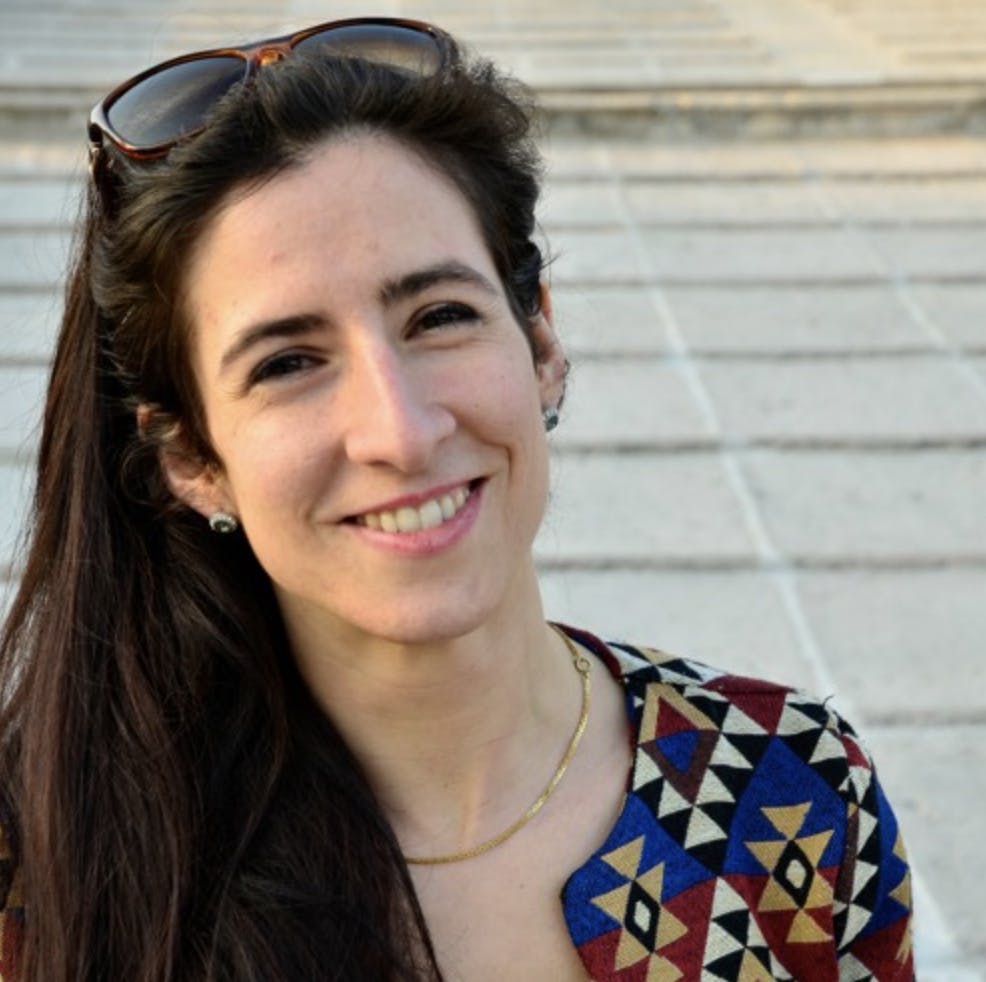
Ep. 574 Irene Graziotto | Steve Raye
Get U.S. market-ready with Steve Raye
Episode Summary
Content Analysis Key Themes and Main Ideas 1. The role and evolution of Public Relations (PR) for Italian wine in the US market. 2. Impact of COVID-19 on wine promotion, events, and trade shows. 3. Changes in media landscape and communication strategies (e.g., rise of social media, podcasts, decline of traditional print). 4. The evolving role of sommeliers and challenges for Italian wineries in the US market. 5. Importance of personalized communication and relationship building in PR. 6. The intersection of Italian food and wine, and how Italian wine is positioned. Summary In this episode of ""Get US Market Ready with Italian Wine People,"" host Steve Ray interviews Erine Geraziato, International Press Office Manager for Studio Cru, a wine and food PR agency based in Vicenza, Italy. The discussion centers on the nuances of Italian wine PR, particularly for the US market. Erine shares her experience transitioning from sommelier to wine writer to PR, highlighting Studio Cru's work with diverse clients from large consortia to family businesses. They delve into how COVID-19 impacted PR strategies, shifting from physical events to virtual meetings and sample logistics. The conversation also covers the changing media landscape, the evolving role of sommeliers, and the challenges for small Italian wineries entering the US market. Erine emphasizes the importance of personalized communication, understanding the audience, and building relationships, noting the growing significance of sustainability and storytelling in wine promotion. Takeaways * COVID-19 has shifted wine promotion from event-centric to meeting-centric, with a greater emphasis on virtual engagements. * The role of sommeliers is evolving, requiring more economic/business acumen alongside wine knowledge due to restaurant profitability pressures. * Small Italian wineries can overcome market entry challenges by forming consortia or joining associations (like FIVI) to communicate collectively. * Sustainability is a more impactful marketing concept than organic for a broader US audience. * The media landscape for wine PR is fragmenting, with a shift from traditional print to digital (influencers, podcasts, visual stories). * Personalized communication, understanding individual journalists/influencers, and building trust are crucial for effective PR. * Italian wine is inherently linked to food, and its perceived acidity or bitterness is often designed for food pairing. Notable Quotes * ""The meeting is the core business. So is it beat to virtual or beat in real? The important thing is to add a connection with the other person."" - Erine Geraziato * ""I guess that what makes a Studio Crew different from other peer agencies having somebody who is totally devoted foreign markets and the United States as well."" - Erine Geraziato * ""Italian wine probably, differs from French wine for the fact that it's way more acidic sometime, you know, and the bitterness of Italian is something that's typical."" - Erine Geraziato * ""I would say their role will will differentiate change, and they will need more economical background than just, you know, wine background."" - Erine Geraziato (on sommeliers) * ""The good news and the bad news is organic has a very definitive it has has a definition in the US, and it's regulated by the USDA. So beyond just the, TTB... when you use the word organic, you have to bring in another, federal entity, which is going to be a challenge for producers."" - Steve Ray * ""The story is still there. It's just the fruition is different."" - Erine Geraziato (on storytelling) Related Topics or Follow-up Questions 1. How can the Italian wine industry effectively leverage the growing podcast medium for market entry and growth in the US? 2. What specific metrics or KPIs are most effective for measuring the impact of modern, personalized PR strategies beyond traditional impressions? 3. Given the emphasis on sustainability, what new certifications or labeling initiatives are emerging in Italy to clearly communicate these practices to US consumers? 4. Beyond consortia, what innovative collaborative models can small Italian wineries adopt for cost-effective market penetration and brand building in the US? 5. How might the ""clean wine"" trend, as seen with celebrity brands, influence the marketing and perception of traditional Italian wines in the US?
About This Episode
The hosts of the podcast on the Italian wine industry discuss the impact of COVID-19 on their business, particularly in the wine industry. They emphasize the importance of meetings and how they manage their efforts to get samples and meet journalists. They also discuss the shift from purely an LEA to a holistic role of industry leaders and the challenges of communicating with audiences. They stress the importance of passing on the shift in media coverage and the importance of sharing experiences and ideas to improve one's lives. They also discuss the benefits of working with small independent wineries and the importance of learning to say thank you in the language of the locators and being a good wines person.
Transcript
Thanks for tuning into my new show. Get US Market Ready with Italian wine people. I'm Steve Ray, author of the book how to get US Market Ready. And in my previous podcast, I shared some of the lessons I've learned from thirty years in the wine and spirits business helping brands enter and grow in the US market. This series will be dedicated to the personalities who have been working in the Italian wine sector in the US, their experiences, challenges, and personal stories. I'll uncover the roads that they walked shedding light on current trends, business strategies, and their unique brands. So thanks for listening in, and let's get to the interview. Hi. This is Steve Ray, and welcome to this week's edition of Get US Market Ready with Italian wine people. This week, I'm pleased to have as a guest Erine Geraziato. She is, international press office manager for a PR company called Studio Crew in Vecenza, town in the Venetto just east of Verona. And we had met on a, journalist strip, a couple of years ago, sponsored by that they ran for the Kyoretto group, which is, a Rosay from the Valicello area or Bartelino area. And I was very impressed with the way Edine had organize the trip. It seemed effortless. And I do know from lots of experience in the industry how much effort it takes to make something seem effortless. And, I've been a fan of hers since. So, introduction and, thank you, Urina, for joining us. And tell us a little bit about yourself and your history in the wine industry and how you got here. Toast, thank you for having me around today. And nice to see you again. Well, I I started working in the wine business over a decade ago, first as a wine sommelier, then I moved to wine writing. I've been a contributor to several Italian foreign magazines for, quite quite a long time. And then I moved to wine PR, which is now my core business along with wine education. So, yes, let's talk about it. Okay. So start off with a little bit of, brief intro on studio crew and the type of clients you guys have. I joined studio crew, which is a, wine and food, a PR agency based in Bicenza, and established over fourteen years ago in two thousand seven by Nikelebertouts andari decocco. And I joined them in two thousand six Thina in order to improve the foreign activities they have already started back then. We now work with a plethora of clients from Gravner to Cantina to big consortia such as Chareto did she mention you know, the reserve with you on Lake Garda. And, Azolo Preseco, which is the other docG operation. And along with these, we have, you know, family businesses like, and, you know, many others. So we are in charge of consulting and promotions. So everything that goes from wine events to traditional PR to digital marketing, and, you know, well, radio interviews, I guess. Okay. So talk a little bit about the difference in in, doing PR in Italy versus your focus and responsibility is promoting things in the US. Obviously, we do things a little differently here. We pronounce words differently. You guys let me try that one again. Obviously, we do things differently here in the United States, and there is a, a trade ecosystem, if you will. And while it obviously encompasses a lot of international people, there is this kind of homegrown sort of network on this. How did you get into and find who the right people are and understand how the trade side of PR works in the United States from a base in Italy. I guess that what makes a studio pretty different from other, peer agencies having somebody who is totally devoted foreign markets and the United States as well, which allows for a huge amount of time to focus on that market on the trends that are going on in that market and, you know, and traveling to that market as well. So I've been, traveling to United States for the last decade, really meeting three players shaking hands when we still could do that. And, judging wine also in the United States. So you I got to know, you know, local master wine, local master's Malier, you know, people who were in the retailers in the trade, and that allotted me actually to have quite an overview on, you know, trends being, you know, I read a lot out of foreign publications, especially the US based one. And, you know, that's fundamental if you want to get into the mentality and also into, the what mark the mark it is, is is requesting, you know. Okay. Hard question here. I imagine you've traveled a lot in the United States. How many states have you traveled in and what are your favorite cities? Well, I traveled to, I would say, half of the United States. So, yeah, quite a you. And, you know, needless to say, you know, if you wanna talk wine, you have to be in New York. So I would say New York is the place where everything's starting, you know, big trends are set. Major critics are based in New York, I know in Napa as well in California. But, I think, you know, New York has a vibrancy that other cities, even, you know, California doesn't have. Fair enough. Okay. So let's, deal with the elephant in the room, which is COVID has had a dramatic impact on the way, everything is happening, certainly commerce, and in the wine industry. But we're taking a closer look at PR here. And how has COVID impacted the way you're doing PR relative to the US market? I remember being in your city during an event on February, twenty ninth last year, when I got a notice that Provine would have been canceled. So I immediately thought, to to wait to keep doing the activities we have already scheduled for, what is one of the, biggest European wine first. So we decided on March fifth, I saw writing email saying, you know, that the title was provide goes your and we decided we would still do the provide with the clients and the meetings that were scheduled. We just moved them from real to virtual. So sending out the bottles and, you know, and meeting the same journalists you would have done in, in Usidore. So definitely, this talks about the first important change, that COVID brought around that, whereas prior to COVID, the event was the core business of the wine promotion after COVID, we have learned that the meeting is the core business. So is it beat to virtual or beat in real? The important thing is to add a connection with the other person. So testing became the central core of the event And, I believe that also what changed is the perspective of how you will be able to schedule a meeting with your importer. So is our wine fairs fundamental? This is one of the questions that I I'm asking myself and also people in the trade. So that raises a practical question from my perspective is how do you get samples to people? I mean, I I deal with that all the time, getting samples in a products that are not currently registered in the US. There's a whole process, cola waiver all that kind of stuff. If you guys are sending samples to people in the US, presumably some, if not most of that is coming from Italy, how do you manage that? Well, we worked strictly with many couriers that have helped us, you know, solving the, you know, practical problems. Of course, there are a few issue that they have to face. The fact that, for example, if you're doing a preview or an entrepreneur, well, usually, you have fifty, sixty samples. So you have to find out the solution to have still allowed the journalists to have a preview, but at the same time, you know, not everybody as a sort of magazine where to keep all the samples. So we're used to we did like small samples, you know, five centimeters examples to send over. So we had to figure out how to be able to get, you know, the the experience as, as similar as possible to the one we had in Rio. But at the same time, I guess online tasting have provide quite a few silver linings. Like, for example, you can do a lot of interactive stuff, you know, showing virtual maps that brings journalists around even though we are in the Italy and, you know, journalists are stuck in the US. And I remember, you know, we sort of reschedule our press tour in this way, you know, sending her along, samples. And at the same time, providing an interactive experience, that would allow journalists to have feeling at least of of Italy. Parallel to the idea of how you handle fam trips as we call them. Something a similar problem is having, is occurring with some all yays. The role of the some all yay is call it under stress in the US. A lot of people got laid off. A lot of people left. Restaurants are closed. What do you see happening? And where do you think the role of the smellier in, the United States is going? I think that Somalia will move from a role of stars where they decide, which population is the, you know, the biggest one or, you know, which one deserves a tension or and which wines are really important and which not they will become more, bookkeepers. So they will have to handle excel, forms instead of, books describing wine. So I would say their role will will differentiate change, and they will need more economical background than just, you know, wine background. That's definitely something that's gonna change their, you know, what they will be asked by restaurant owners. I believe that until COVID has gone, you know, restaurants will save also in Sommelier. So probably the lower end restaurants will take on some people that are not even educated in wine, but have some, you know, financial background and know how to handle, you know, wines in order to have higher margins. We have to think that so far, you know, cities like New York City has lived on very tiny margins when it came to especially big restaurants. And I guess this thing is no more possible. I mean, they have to do the highest margin as as possible. Well, this will definitely change the wine list. So when I think about songs, I've read an article, recently, which I thought was interesting that they also represent an opportunity as a, a revenue and margin generator for an account. And I think what I'm seeing is the the transition, maybe, or the shift from purely an LEA to a food and beverage manager, which has a lot more of the responsibility of managing the profitability of the wine and spirits program as opposed to just access to. Clearly, we're seeing a lot of restaurants that are gonna reduce the number of wines that that they have on offer. And that makes a huge challenge for the individual wineries. And and I would think beyond the the larger brands that are sold in US like Cabot and Stylorrosa, I think there's something like forty five thousand Italian wine growers out there all trying to enter and grow in the US market? How can they adapt to meet this changing environment? I believe the communication will need to be reshaped. Somehow, you can, yeah, of course, the first thing probably that will be talked about is price. So I guess that operations that are able to offer high quality at a lower price with respect to competitors to other states will definitely, have some space at least right now. And I believe it's also a matter of conveying other values that's simple. The wine, you know, being able to offer the chance to have an experience. So wine is a way to have an experience, you know, to open up memories of good time, honeymoon, in Italy, or something like that. And I guess also sustainability. People during COVID has paid more attention to both. They are drinking and eating and, you know, the safety of what the food and the wine they are drinking. So I guess, also this aspect will become fundamental, in promoting wineries. Speaking about sustainability, I saw some research from wine intelligence. I thought was very interesting. At least as it, applied to the United States, that the word sustainable is more powerful than the word organic. Organic speaks to a much smaller more demanding audience where a sustainable is a little bit broader, and we're seeing some changes in the way wine is being described in the US. Certainly in the trades. I'm sure you've seen it as well as I have Cameron Diaz came out with a new one, and it was called she called it a clean one. And everybody in the industry went crazy talking about that's good or bad. What's your thought on that and and the the words that are used to describe one? I guess cling wine is is a tricky question indeed. It's a tricky topic in there because, you know, like, wine for sure contain alcohol, and we all know that in, you know, it can be dangerous if, taken in high quantities, but wine is also something which brings up sociality, staying together, partying with friends. So it brings a lot around a lot of, good sensation, good feelings If we had a a look at numbers right now, we have seen that last year. The consumption, when consumption decreased by seven percent. And I guess this is due to the fact that wine is something social lacking us like social revenues. So we cut down on the, you know, consumption even though, you know, we're we're still drinking wine at home. So I guess this is something relevant, going back to what sustainability can't means, I guess, it's more powerful as a word than organic because it appeal to something which is wider than a simple, from practices. You know, it talks about being, socially sustainable, you know, environmental, so sustainable. You know, we all know that copper and sulfur are used in organic Viticulture, but still, you know, copper is is a metal that stays in the land for a while. And so we have look beyond those solutions with, I would say, their temporary. So that's why I guess people are more, you know, in tune with sustainable word, the word sustainable than simply organic. The other thing that I say is that sustainable is, you know, is a word that can be used for anything. So we have to make sure that the con consumer really get to understand that we are really doing sustainable approach then not just about, you know, talking something which is wide and doesn't have any practical meaning in the end. Yeah. The good news and the bad news is organic has a very definitive it has has a definition in the US, and it's regulated by the USDA. So beyond just the, TTV tax and trade bureau, which is the primary federal regulator, when you use the word organic, you have to bring in another, federal entity, which is going to be a challenge for producers. I think sustainably produced also speaks to beyond how it's produced, but the mindset, and we and we we see that in basically more holistic view of the wine industry and culture. Related to that, you were talking about communications and reading newsletters and all that kind of stuff. We've seen a dramatic decline in number of magazines that are published or the number of columnists that write about wine for newspapers, which are kind of threatened as well. So as this audience of arbiters, if you will, the people who write and critique wine and wineries and all kinds of things, How are you guys adapting to that when there's fewer people for you to reach out to and more fragmentation in their reach and dare I use the word influence? Yes. That's one of the biggest challenges. I guess we are facing the fact that, you know, we're still doing one communication, but the actors and the players have changed or in some way they have transformed. We have the influencer as which is a big, like, hype right now. Probably it's already decreasing a little bit with respect to a few years ago, but I've seen that those ones that are still making trends in, you know, on Instagram are those people who already wear in the business. So be them either, you know, critics, journalist or somebody, I I can remember, you know, Raiach parr, which, you know, he has the role he has on Instagram because of this as wine's familiar and you a lot about wine and is still able to to set trends. So I would say that, we had to change also our coverage. So right now, you have to we will present your client both with an article and an an instant post because they have the same value. And sometimes, you know, the Instagram post being immediate, taking less time than writing an article is even more effective if you have to be on the, on the topic right now immediately. So if something happens, you know, like, the Instagram is definitely a different rhythm with the art. Okay. So the challenge is, you know, clients want publicity. One of the things I find is, as the newsletters have evolved and increased, dramatically. The length of stories or the the amount of coverage that a brand may get is smaller. Okay? So frequency of mention in a lot of places is taking the place of a deeper in-depth two page printed story in a magazine. Wonderful. But you still have to tell the story. I mean, drinking wine and pretty much selling any product is all about telling stories even more so today, both in terms of, new, new generation of people. The way communications is evolving, and then, of course, the addition of COVID. So how do you tell the story when the outlets in which to tell the story are disappearing? I guess the story is still there. It's just the fruition is different. We're used to read newspapers and get the stories from there. Right now, you you open Instagram and you get the story, the visual story. So we have, like, a written story versus, visual story. And I think an important switch that's becoming more and more popular is, you know, the fact that the more and more story are overalls. So you get a lot of podcasts that are becoming extremely popular because, you know, people still love to listen to stories. And when they get fed up with visuals, you know, Instagram is not seeing one photos after the other. They are moving to podcasts because they really have, you know, they can really enjoy the rhythm of something that started and, how wine developed over the years. So I guess that we are really going back to the first the first area of the literature, you know, like, when the other say it was written, it was not actually written. It was heard over the years, and then was shaped. So I I like the fact that our communication is really changing not only in the canals, but also in the way we enjoyed it. You had mentioned you you do some teaching, and I do as well. And one of the points I I make to my clients or to the students is your job has changed to to get people to tell your producer story in their words and share it with their friends. It's very different than when you did a magazine article and you reached a whole lot of people. And so that changes the dynamics of a of a whole lot of things because you're giving up control to some degree, but you are also taking control by managing the conversation. Can you comment on that? Wow. That's a great question. It's I guess, always a matter of how you ship your, your your story and you make it, you know, enjoyable for a different, interlocutor. So, be them the one that will be able to reach tell it, or be the one that, you know, will be able to enjoy. I guess that what's what you need to make to do to make it successfully is to really pass on the fashion that you haven't, okay, great. The fact that, you know, words of his mouth is probably still the the best, you know, promotional strategy, because it's a trust, it's an action of trusting, you know, the people that's telling you this. So So I guess, you know, getting those people, your interlocutors inside your story, okay, will make them, effective as communicators themselves. So you have to appeal to what they find, you know, empatical. Yeah. Well, the issue I I see from a PR point of view is the metrics we use is a problem too. We've always used the term impressions in measuring media, and now we're in millions, and there's all kinds of ways of manipulating the reports. Show that you've been generating results, but I don't think impressions are really of any significant value. It word-of-mouth, friend to friend advertising, or communications. I think that carries a a lot of, impact. So the tools are different now. It used to be you would write up a an interesting pitch letter, send it out to editors, and hopefully somebody would read that and say, yeah. I'd be interested in that story. I'll follow-up on that. That's not the way you would necessarily work with newsletters because they're not gonna do features. So how does the way you pitch? How does that change? Not just who you pitch to. That's what we talked about, but how you pitch? Well, hi, you pitch through different channels. Okay. For example, I've seen that, to talk with Sommelier, I need to pitch through Instagram. For example, they will really well, they will answer to emails at a later pace with the Instagram. Okay. And then I pitch depending on what the journalists are up to in that moment I keep reading them and reading what they're, you know, what they're writing. And then when I see something that that they're working on, I will pitch them with that. So it's a lot of, you know, reading and answering back and being able to get in while they're, you know, interested in at, of course, you have also the classical pitch letters. So you're starting working with a new client and you knock on their doors and say hi, and we have started working with them, and, you know, they do this, this, and this. And another thing that I've seen is that actually right now, you know, I've got journalists reaching out to me, you know, as you know, I'm working on this, you know, what have you that I can use that's, goes with that. So I guess it's also a matter of building a relation in which they understand that, you know, I'm providing food for their stories. So I will reach out to them and they will reach out to me when they want. Well, it's really hard to understand what the needs and interests of that person versus somebody else might be. And the best way to do that is exactly what you said. You can get to know them understand what they're doing and when you understand their bias and then can come and give them a pitch that ties on to a theory or a thought that they're already working on, maybe the clean wine issue and the use of the words or the jargon that we use in the industry, it could be. But and at the end of the day, most personalized. Okay? You don't send out in the last page? No. No. Nowadays, it's gotta be right. One on one? Yes. Definitely. It takes more time for sure. There is a huge amount time investing on that. But I mean, you get personal with people, you know, be able to spell their names, be able to remember what they are interested. That's really important. Knowing their name correctly. Yes. How about that? I always make a, you know, an effort to try to well, not only learn how what's their cause the spelling of their names, but also, you know, what's the pronunciation of their names, you know, it means putting your interlocutor at the center of the conversation. That's what they are looking for, you know, being considered not just because they write for a publication, but because there are people, they might like something. So make sure you get the right name on it. And secondly, you know, start getting personal, you know, sharing, you know, something that I love to do is, you know, sharing pics of things that I'm doing. I've got, like, people asking, you know, race a piece and, you know, even sharing, you know, recently I shared that race of the grapha, the basil grapha that my mom's does with one of the journalists. She was so so happy about that. And, you know, it it means, you know, making their time relevant to their life as well. They're not only, you know, being, pitched by somebody, but they are getting some knowledge, you know, so, you know, make the time they spent on your email enjoyable for them. It's very easy. It's in the end. Simple, but not easy. How about that? Just I'm sorry. Sorry to correct your English. But I think people mistake the two, and they're two very different things. Simple is not the same thing as easy. You guys work for companies that have PR budgets. They seek out seek you out for, you know, for presentations to say, you know, pitch my business. How can small independent wineries get the benefit of some of the things that you guys do as an agency on behalf of? Larger clients. Can they participate in this? Is this a tool? And I'm talking about PR in the the largest cent sense that they can use recognizing that their farmers you know, number we're talking about small estate producers that maybe you're only making fifty or a hundred thousand bottles. Can they participate in this? And and if so, can you offer any tips on how they can? Well, Gathering is the first suggestion that I will give them, you know, like, finding, you know, grouping together, working with consortiums. So small agencies, small wineries that actually decided to give their communication to big consortium is a way, you know, to have to be able to speak, on behalf of. So, for example, another association that we work with is the Phoebe. So the, CI, the I, which is the Italian Independent Association of, wine growers. You know, they're all small, producers that decided that, you know, communicate together was the best option. So they gathered together. They abide by certain rules, and which means that they, you know, they're in charge of the old production from the vineyards to the marketing of the wine. And, you know, moving with this strategy makes it so much more effective. So there is a way out of it, which is, you know, getting united and be able to communicate as a united entity and not as a small one. One of the cultural things that's been happening in the US is we haven't been able to travel, but there's been this one travel series, Stanley Tucci in search of Italy. I don't know if you've heard about it or seen about it. CNN production. I was watching it. Oh, it was fabulous. Know, he was going to some restaurants that I know and have been at as exciting to. Oh, I I mean, there. But the one thing that amazed me when I think about Italian wine is Italian wine goes with Italian food and Italian food goes with Italian wine and the two are kind of sort of inseparable. He did six episodes of the show, including one in bologna without mentioning or referencing. Why? I have a comment on that, but I wanna hear if you have a comment on it. Well, the problem with Amelia Romania is that, I guess, the food is so out standing that people forget about why. And this is the only reason why I would say, you know, like, that's a great answer. I like that. No. Actually, you know, it it's it's it's almost, impossible to understand why once people get the lens to, you know, Emilia Romagna, they completely forget that the wine is so in your cheerful. And I guess they remain fascinated by, you know, the smile people, the local people are simply so much welcoming And, you know, they just drink the wine because it's, you know, they're thirsty and they enjoy it, and they enjoy the lumbarsco, the bubbles. And that this does not mean that actually is not a grapevine. There are some producers which are, you know, wonderful and, which, you know, provides such an enjoyable, wine to be to to cheer up your experience. And, so, yes, the motorland and the foodland is actually also a great wine land. We I I've seen that people are more and more interested in, great quality, Lamrusco. So I believe it's only a matter of time, you know, to really sort of figure out that one is enjoyable as well. Yeah. So maybe they'll, and I don't know. I'm speculating. It it it got a lot of viewership. It was a significant thing, the Stanley Tuchi thing, and maybe they're gonna have another one where they'll they'll focus on wine a little bit more because they certainly showed them drinking wine a lot, but they didn't talk about it. But, you know, like, there was a recent article by, Sarah Heller, the master wine who was saying that, I think wine, Italian wine probably, differs from French wine for the fact that it's way more acidic sometime, you know, and the bitterness of Italian is something that's typical, and we always been judged by the French parameters. So the article was, you know, is the wine business doing bad on Italian wine because taking as a reference point something, which is completely different. And I guess she pointed out a crucial point, which is the fact that Italian wine is meant to be paired with food. And this is a great thing. And I guess in installing, which is, you know, a series that this was just like manifest under the eyes of everybody. Kind of running at a time here and as I had mentioned, we we'd like to talk about a big takeaway Yes, sir. At the end of this. So we've we've talked about PR, and we've talked about changes, and we've talked about COVID and the the dynamics of journalism changing. What's a big takeaway? What can someone listening to this podcast, walk away from this thing and put to use immediately. Can you give us your thoughts? Well, be personal in what you're doing. You know, it's time of your life that you don't want to waste. And, another thing that I would say is smile while you're writing emails, while you're answering on the phone, while you are, you know, doing business, people perceive your energy and the fact that you're really enjoying what you're doing. You know, I I've heard recently. If you if you answer on the phone smiling, people get that on the other side of the of the line, even though they are not seeing you and this makes things so much easier even when you are handling, you know, difficult things, you know, be sure, be prepared for sure. You mentioned the fact that everything's in, like, you know, simple, when I was handling the press tour. This is not at all. I mean, this means a lot of preparation before and being able to, you know, get great allies or from the travel agency to the courier to the importer. Make sure to build up a great team and get personal, read your interlocutors article, put your interlocutor at the center. So from starting from their name, you know, getting how to spell it, ask them what's the pronunciation of their names, try to reproduce it correctly, you know, this will make them so much, you know, part of what you're telling them and the center of the conversation. And another thing that I love doing is, you know, learn to say thank you in the language of my the locators, you know, from Scala, which is Lavinian, Fada Minderita, which is in Albania, spasiva, where else? Arigato, for example, in Japanese, this opens up the doors. So I would say, yes, this is a great way to, you know, have, somebody's mining back to you. Well, that's great. I think what you're really hitting on here is pay attention to what the other person is thinking and how they're reacting. I know how I react when somebody spells my name wrong, which happens a lot. They leave off the e. It tells me they're a little sloppy that they haven't necessarily done their homework. Little things like that can carry a lot of weight. I don't have a comparison. Oh, Irrin, We're running out of time. I wanted to, thank you for being a guest on Get US market ready with Italian wine people, and you're an Italian wine person. So we hope to greet you in the US on your next thing. And, by the way, next time in your in you're in New York, You're in town giving you a call. This is Steve Ray saying, thanks again for listening. On behalf of the Italian wine podcast.