
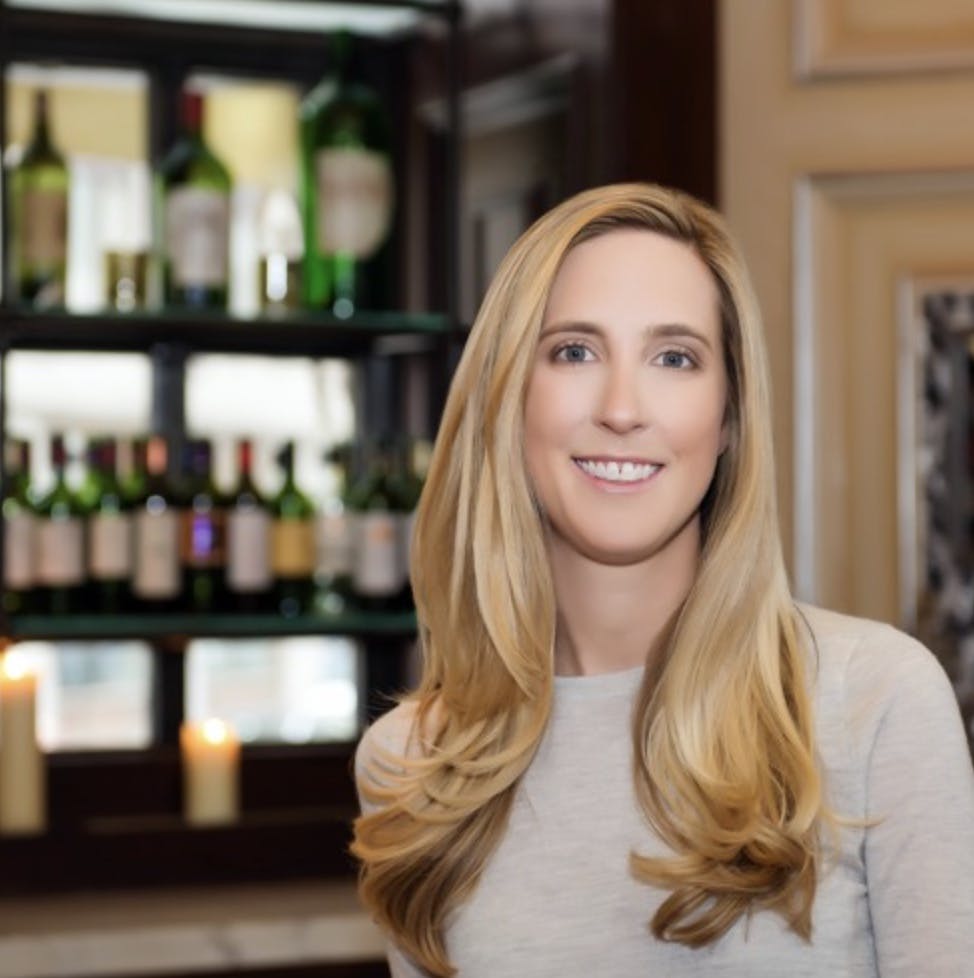
Ep. 559 Lindsey Andrews | How To Get US Market Ready With Italian Wine People
How To Get US Market Ready With Italian Wine People
Episode Summary
Content Analysis Key Themes and Main Ideas 1. The Rise of E-commerce in Beverage Alcohol: The central discussion revolves around the shift from traditional brick-and-mortar sales to online platforms for wine, spirits, and beer. 2. Minibar Delivery's Business Model: An in-depth explanation of how Minibar Delivery operates, connecting consumers with local liquor stores for on-demand delivery and shipping. 3. Compliance with the Three-Tier System: How Minibar Delivery navigates the complex and varied state-level alcohol regulations, ensuring legal and compliant operations. 4. Benefits for Retailers: The value proposition Minibar Delivery offers to mom-and-pop liquor stores, enabling them to gain an online presence, expand their reach, and increase sales. 5. Consumer Shopping Behavior and Trends: Insights into what and how consumers buy on Minibar Delivery, including basket size, average price points, and changes influenced by the pandemic. 6. Brand Marketing and Data Opportunities: How brands can partner with Minibar Delivery to promote their products and gain access to unique real-time sales data. 7. The ""Endless Aisle"" Concept: How aggregating inventory from multiple local stores provides a wider selection for consumers than a single physical store. 8. Definitions of E-commerce and DTC: Clarification of industry terminology from an industry expert's perspective. Summary In this episode of ""Get US Market Ready with Italian Wine People,"" host Steve Ray interviews Lindsey Andrews, co-founder of Minibar Delivery, a revolutionary e-commerce platform for the beverage alcohol industry. Andrews explains how Minibar Delivery connects consumers with local liquor stores for fast and easy delivery, functioning as a marketplace that empowers traditional retailers to enter the digital age without needing their own extensive tech infrastructure. She details the company's compliance with the complex U.S. three-tier system, adapting its model to various state laws. The discussion covers consumer shopping habits on the platform, noting a higher average basket size and increased interest in spirits during the pandemic, contrasting with initial drops in sparkling wine and beer. Andrews also differentiates Minibar Delivery from competitors and other e-commerce models like DTC, emphasizing their integration with local stores' payment processes and inventory. Finally, she highlights the significant opportunity for brands to partner with Minibar Delivery for targeted marketing and gain access to valuable real-time sales data, offering a clear metric for marketing ROI. Takeaways * Minibar Delivery acts as a digital partner for local liquor stores, enabling them to participate in e-commerce. * The platform is highly flexible and built to be three-tier compliant, adapting to diverse state liquor laws (e.g., dual shopping carts in New York). * Minibar Delivery does not hold inventory or process payments; local stores maintain control over pricing, inventory, and often delivery. * The service benefits retailers by expanding their geographic reach and bringing in new customers, particularly during inclement weather or for gifting. * Consumers on Minibar Delivery tend to purchase more items and higher-priced wines/spirits per order compared to national averages. * The pandemic led to a surge in spirits sales on the platform, with consumers experimenting more with cocktails at home. * Minibar Delivery offers brands unique opportunities for marketing and provides actionable, real-time sales data to measure program effectiveness. * The ""endless aisle"" approach allows consumers to shop a much wider selection by aggregating inventory from multiple local stores. Notable Quotes * ""We aim to be the best way to shop for wine, spirits, and beer."
About This Episode
The min airline delivery concept is designed to be three tier compliant and stay compliant, with a focus on the urban professional pre pandemic segment. The use of minbled products and assortments available in their store are key drivers of growth, and the use of direct-to-consumer marketing is a more domestic approach. The challenges of providing more information and updating brand images are discussed, as well as optimizing the product appearance online. The success of reserve bar in the alcohol liquor industry and the challenges of launching smaller cities are also discussed, along with the need to educate consumers about their products and measure the effectiveness of a program. The speakers emphasize the importance of working with brands and suppliers to highlight their products and provide data on how sales increased during the program.
Transcript
Thanks for tuning into my new show. Get US Market Ready with Italian wine people. I'm Steve Ray, author of the book how to get US Market Ready. And in my previous podcast, I shared some of the lessons I've learned from thirty years in wine in spirits business helping brands enter and grow in the US market. This series will be dedicated to the personalities who have been working in the Italian wine sector in US, their experiences, challenges, and personal stories. I'll uncover the roads that they walked, shedding light on current trends, business strategies, and their unique brands. So thanks for listening in, and let's get to the interview. Hi. This is Steve Ray, and welcome to this week's episode of Get US Market Ready with Italian wine people. And today, our guest is Lindsey Andrews, one of the founders of minibar delivery, which is a revolutionary concept in the beverage alcohol industry that is free to compliant but is a a different approach to the business. So, Lindsey, can you give us a bit of a background on you and the company and how you got here? Yeah. Steve, thanks for having me on. Really excited to tell you about minibar delivery. So we aim to be the best way to shop for wine, spirits, and beer. And how we do that is by connecting consumers to local liquor stores for fast and easy delivery. So you can go on to the Mini Bar delivery app or website, type in your address, and then you'll be shopping all the products and all the stores that we work with that deliver to your address, both for on demand delivery, as well as shipping. So we started in New York City in twenty fourteen. We've now expanded to about two hundred markets across the US, about nineteen states with on demand delivery. And my background is really in e commerce consumables. So if sold everything from dog food to diapers to ketchup and mustard, be being at Amazon, fresh direct. So really excited to be in, you know, the alcohol consumable space and helping revolutionize this market. I'm, pleased to say that, you and I first met early on when you guys were just starting it. And I I didn't really understand it then. I think I understand it now. One of the issues in the industry or one of the opportunities in the industry these days is this tremendous shift to e commerce. And we're gonna talk a little bit later about definitions of what e commerce is. But for now, let's just talk about individual stores or traditional retail stores, package stores, as we call them in this country. And and what role does minibar delivery play relative to those stores as opposed to the whole internet side of things? Yeah. So we work with local liquor stores to help them get online. It doesn't necessarily make sense for every mom and publicer store to have their own website, their own marketing people, their own tech people. So we really wanna help bring them into the digital age. And since we originally launched in New York City, where it's illegal to own more than one liquor store, all of our stores pretty much in New York, our mom and public are stores, especially from the wine and spirit side since wine and spirits in New York state are sold separately from beer. So we really wanna be their e com digital partner to help them, you know, move into this age where everything everyone wants to shop online, everyone wants to press a button and get everything delivered quickly. But we've really enjoyed partnering with all our stores across the US and we're really born and bred out of the mom and pop landscape since we are we launched in New York City and New York is our biggest market still. How does minibar delivery? Fit in the three tier system and stay compliant in markets that differ so radically such as New York where you can only own one store versus California where spirits are sold in supermarkets. Yes. We have built a very flexible model, so we can be three tier compliant and change how we work with stores on a state by state basis as obviously in the US. The liquor laws vary widely by state. So for example, in New York, we had to build early on, a two cart checkout. So if someone wanted to buy wine and beer, it would have to come from two stores, checkout via two stores, mini bar delivery, unlike other marketplaces where the marketplace is the merchant of record. So you would see, you know, Grubhub on your credit card statement. Minibar actually integrates with all our store's payment processors. So the store is processing the payment. So they are accepting money for wine spirits and beers since they're the ones that hold the license. They set the price for the alcohol since they're the ones who hold the license. And in the vast majority of cases, they also do the delivery. And then, you know, how we work with the stores we have liquor lawyers in every state. We have everything approved from a liquor lawyer in each state like our contract. So we ensure we're three tier compliant. And so, you know, that's where we operate, and that's how we have built the business to you know, work in this complicated fragmented industry. When I first became aware of it, we had tried it with one one of my clients, and I remember talking to a retailer and said that, hey, we're here. We're working with minibar delivery, and the guy said, oh, come right in. Where usually when he sees two salesman, you know, dressed up in suits, no he knows who we are because he immediately recognized that mini bar delivery was bringing in customers not only that had never been in a store before, but are outside his geographic traditional shopping area, which in New York City could be just like two blocks. Now we see a lot more retailers participating. How does the system decide which retailer gets the the sale or how do you direct them to a particular retailer? Yes. So you're shopping all the retailers that deliver to your address. So if you go to, for example, the Tito's product description page and you're shopping for the seven hundred and fifty ml, you will see all the stores that carry it and you'll see all their prices. You'll see what their delivery fee is, their delivery minimum. So the consumer is picking which store they want to order from. And we also believe that you know, while we have tons of stores on the platform that we're growing the entire pie and increasing their sales, you know, our busiest days are when it's raining or snowing or there's inclement weather. So those are customers that might not have gone out and bought otherwise. So we're hopefully growing their sales during those days, as well as, you know, we have a large gifting business. So are we bringing customers that, you know, before might have shopped online more easily for flowers and edible arrangement, chocolates. And now there's an easy solution for them to shift their gifting to wine or a beautiful bottle of bourbon. So we really believe that we are hopefully great partners to our stores, and helping them grow their business with sales and customers that they might not have had exposure to before minibar delivery. And talk about shopping cart and how people shop online and do the the equivalent of looking at a wall of wine and figuring out what to buy. And then what they end up buying on your site. So, you know, our customers are generally browsing as opposed to, for example, the Amazon customer that's generally searching. So we've built lots of filters and tools for people to find what they're looking for. If you wanna go in the wine category and you want the wine from Italy, you can filter by that, you can filter by the price point, you can filter by the varietal. You can sort it by least expensive to most expensive or by most popular. So we're really trying to help consumers find and narrow down the selection because it can be overwhelming, especially in the wine landscape. It is highly fragmented. There's so many. So I think there can be decision fatigue from consumers. So we hopefully are helping give them the tools to narrow it down. And the vast majority of our sales comes from wine. Our consumer is the wine drinker. The next most popular is kind of the spirits category followed by beer. So, typically, if someone's going into a liquor store, they might buy one bottle of wine for dinner that they're gonna be having tonight. I think they shop differently at Mini bar delivery. So talk about that the basket. I would agree with you. On average, our basket has about two and a half bottles in it or two and a half skews. So people are buying more. I think in New York, it's free delivery, but in other states, generally, there's a small delivery fee. So you might wanna stock up to, you know, amortize or spread that delivery across more bottles and feel like you're getting a great deal. Also, many times we have, like, spend above x dollars and deliveries free. So people might add that extra bottle so they don't have to pay the delivery fee. But we also, you know, I think our bottles of wine are much more expensive than the national average. Last year, our average wine bottle was just under twenty dollars. In the beginning of twenty twenty one, our average wine bottle is just below twenty three dollars. So, hopefully, we're sending our store partners high margin orders and high average order size orders. So they're profitable and great addition to their in store business. Okay. There are a number of competitors in the category. I'm not gonna go into details of any of them, but can you differentiate your objective goal strategy for within the category of what sets you apart? Yes. I mean, I think so our customer, since we're based me our first places we launched and expanded to were urban Metro. So our customer is generally the urban professional pre pandemic. It was someone walking home from work, ordering between four and eight PM, generally Thursday, Friday, Saturday, it was fifty percent wine, about thirty percent spirits, twenty percent beer. The buying behavior did change a bit during COVID spirits kind of moved ahead. The average order size went up a fair amount. I think compared to some of our competition, we sell more wine, more spirits, higher average order size. We book awesome in house customer service team. So if people, you know, need help, they're always there to help them between the hours of nine AM and about midnight. So we really think service, the shopping experience, our content, our emails, hopefully appeal to everyone. We have our customer base splits almost equally fifty fifty male, female. And, yeah, I mean, we, you know, anyone twenty one plus, obviously, hopefully, we end that drinks responsibly. Hopefully, we appeal to, but we have seen our consumer base kind of more on the, like, wine side than spirits and a little bit less so on the beer, but obviously, we wanna make sure we have everything a consumer would want when they come on our site. So they're not disappointed. So that, begs the question of the concept of endless aisle, the idea that, retail store is limited to whatever is square footage will allow them to stock, whether it's small, maybe, you know, a thousand SKUs and some New York stores to maybe fifteen, twenty thousand SKUs and some of the large superstores. How does that work with minibar delivery in terms of different states you know, not all states have the same products that are available. Can you speak to that? Yes. So for example, in New York City, where we have tons of stores on the platform, when you come on, you're probably shopping, like, five to seven stores. So you're shopping a much larger assortment than if you just walked into one store. Yes. They all probably have Tido's and oyster bay, but the longer tail or new wines or spirits, they'll probably vary from store to store. So you're getting a much wider election, so you're much more likely to find what you want since you're shopping so many stores. And then you can also price compare. So you feel like you're getting a good deal, but are we integrate with all the stores POS system so we understand what each store has in stock, at their store. And that does vary widely from store to store, as well as from state to state, what people carry and what's popular. So if somebody's looking for something that isn't commonly carried instead of having to go store to store, do you have it or to ask that supplier or that, retailer to order it? They can basically search online. They can search on minibar to see if that if it's a unique product, if one of our stores that deliver to their address carries it, yes. But there is still a chance that maybe it's so unique and unusual that one of the boards, you know, hard to find bottle, like a Pappy Van Winkle, that none of the stores have it. But generally, our stores have, you know, a very, very wide thereof selection. Okay. So let's move for a moment to e commerce. And one of the issues that I've been dealing with is a lack of clarity or agreement among all parties about what e commerce is and means. Can you kinda clarify the whole e commerce and what are the different flavors of it? I will give it my best. So, I mean, I feel like e commerce is generally shopping online for products, whether that's shipping or on demand delivery can vary. I would put us more in the marketplace model since we don't carry or deliver the products ourselves. We work with local retailers. So in the e commerce world, it's almost like drop shipping because we don't have the products ourselves, but we also don't process the payment. We also don't decide what to offer unlike other e commerce sites that are doing drop shipping. Since this is a highly regulated category, the stores choose what to offer. The store choose the price. The store chooses their delivery zone, their delivery hours. They really control everything about the sale. And the other phrase that's used is DTC direct to consumer. Can you define that? Yes. I mean, I think direct to consumer is a brand selling just their own products to the consumer, so they're not selling through a retailer. They're not like wholesaling their product and giving it to a retailer to then sell it to that end consumer. They're the ones interfacing and selling it to the end consumer. And we do, in some cases, it's not identical to DTC, but we do work for example, with vineyards that can ship their product and offer their products on Mini BAR two consumers and where vineyards can ship to is not as regulated or restricted as So it allows us to offer products to more of the United States, and cover more of the US with shipping, working with these, you know, vineyards on our platform. That's one of the issues I talk with people a lot about that there isn't any alternate route to market, than the three tier system with the exception of domestic wineries can, in fact, sell directly to consumers in a lot of states. I think it's somewhere between thirty five or forty. So you're integrating that as well. The a lot of the information I see in the trade magazines and newsletters, when it speaks to d c DTC, thinking about Rob McMillan's Silicon Valley bank report. DTC is more domestic wineries, as you said, direct from the producer to the consumer, whereas e commerce and variants of that are e commerce and not DTC. So a lot of times when you look at data and they talk about DTC is sometimes tough to separate true DTC domestic to consumer from so since we're focusing on Italian brands now, And the type of products that people are shopping for, have you seen a change in during the pandemic? We've read a lot about that people are not retrenching, but but but falling back towards familiar brands and being less interested in discovery or trying something new. Have you seen that in your shopping as well? Not totally. So, you know, I think the two areas that took a big hit in the pandemic on our platform were sparkling in the early days, just because no one was celebrating everything. It was a tough time as well as beer. We also saw a big drop in their category share at the height of the pandemic, but what we did see was much like the cooking craze where you couldn't find flour or yeast because everyone was at home, baking, and trying new things. We saw a huge spike in spirits as well as some of the more less mainstream spirits. People were buying, you know, Saint Germaine and tons of aperitifs, and they were mixing cocktails. And they were, you know, they couldn't go to their local cocktail bar. They weren't going out for dinners, and they didn't just wanna drink wine or beer. So I think people were testing out being a mixologist at home. So we did see kind of a spike in some of those, like, other liquors and their sales on our platform. But, you know, whiskey continued to perform very strongly, we saw, you know, a mild drop for the height of the pandemic in vodka and tequila interestingly, but I think most of these have leveled off and come back now. And then interestingly enough, like Corona beer used to not be in our top, three beers. And during the height of the pandemic, it crept into our top three, which was interesting. You had mentioned in one of our conversations about the top sellers, at least on minibar delivery, are early in the alphabet. So is the corona growth due to the fact that it starts with a c? No. So, early, in our early early days at minibar, we sorted all the categories alphabetically. And so we saw that about forty seven percent of our bottles of wine sold began with a number a, b, or c. We realized this was maybe not the best way to sort the categories. So now, and for the past many years, we now sort the categories by popularity since those are the most popular. They're probably the ones people are looking for. So we have changed it. So it was not that it began with the c, though early days that would have helped them. Though I guess some other big brands begin with, you know, b. Okay. Let's Let's turn our attention to delivery options. One of the issues that I think segments further segments the industry is who does the delivery? Whether it's a common carrier, whether it's a retailer, or whether it's curbside pickup or those kinds of things. Can you kind of sort that out for me? Yes. So on the many of our delivery platform, generally, the liquor store is doing the delivery, but we provide them many other options if they want to do something different or don't wanna have delivery in house. So we integrate with various logistics services. We're legal so that they can utilize those for the last mile. And then, obviously, when we work with vineyards and stuff for shipping, they're using common carriers for that. So it varies widely from store to store and state to state on what stores can use and do use, but we do not have our own delivery fleet at Mini Barg in house. So I was telling you about retailers and especially smaller retailers, which may not even have a website or the or or if they do, they have one that's relatively small retailers have websites whose functionality may not be at the same level as minibar delivery or Amazon, for example. So does minibar delivery provide an opportunity for a store like that to a participate in e commerce. And, b, what about their physical ability to do the picking and packing for the delivery? Yes. So, you know, in New York City, delivery is part of everyday life. Liquer stores actually always delivered. I think people just didn't realize that, but they could pick up the phone and call the local liquor store, but it was just difficult. They didn't know what they carried. They didn't know what the price was. So hopefully we're making it easier for consumers to order online from local liquor stores, giving them more business. But, you know, we do think we also provide, you know, we can provide links for liquor stores that link just to their kind of store details to give them the option to have more of an online presence. But our stores, you know, I feel like we really enjoy working with them. Hopefully, we're good. They see us as great partners. We certainly see them as great partners. So we are, you know, building tools to make things easier for them, helping them, you know, get more sales, helping them, you know, if there are any issues, giving them more tools to alert us, giving them more tools to toggle on a third party logistics company one day if their delivery staff didn't show up. So we really, you know, it's win win. The better they do, the better we do, the better we do, the better they do. So we really see them as great partners in this industry. So fundamentally, you're enhancing the shopping experience for consumers. You're driving new customers into stores buying higher margin products with bigger baskets. It's almost as if you have a more informed salesperson in a store helping consumers choose. A lot of consumers are now looking for more information, not just ratings and reviews and food pairings and critics, reviews, but some of the the the background information about the uniqueness of the country, the region, the terroir, all those kinds of things. How do you deal with the the whole concept of providing education and deeper content on brands? Yes. I agree. There's a lot more information of the fingertips. They don't need to talk to someone. We hopefully give them more tools. They can shop from past orders so that they can more quickly just find what they like, check out, and get it delivered instead of spending more time doing, you know, stuff on their to do list. But we do, you know, we get content from some of the big stores we, you know, hopefully have images, descriptions, categorization, as well as region country. You know, is it gluten free? Is it a screw top? There are various details we have. You know, we don't have it for every single bottle, but we're always improving our database to give the customer more and more information to make a smart decision. So for a producer who goes on your site and looks and sees that you have a low res picture of the bottle or don't have the most current Spectator rating. How can they get that information to you and update it? I I realized it's a challenging question. I I actually really wanna know for myself. We work with the distributors and retailers to make sure we have the most recent, but obviously the brands are the ones generally being like, you're proud. We have the image that's from three years ago. Can you update this one and we will? One of my recommendations to my clients is that the first thing that they should do is optimize the way their product appears online to make sure that the the photos of the bottle are high resolution of the most current label and capture current ratings reviews, all that type of information. I know Vivino had a site where you could a portal, I guess. Where you could go in as a supplier and upload. They took that down, and I imagine it's because of the complications and the fact that it does require some level of hand holding. Yes. And, like, an approval process. Okay. So, news yesterday was that, southern wine southern glazers wine and spirits took an ownership position in reserve bar. There's these. There's other ones out there, speak easy, Caskin barrel, and some others. Can you comment on that model and where that fits vis a vis mini bar delivery. Yeah. I mean, reserve bar has done an amazing job focusing on the high end as well as shipping. You know, I think we are maybe a little bit more mass in what we sell because we sell huge selection and probably much more wine and beer. So we kind of cover the whole alcohol liquor landscape as well as we believe that the vast majority of consumers consume what they buy within twenty four hours. So we believe on demand is the right solution for this category. But, you know, we have huge respect for everyone in this industry, including reserve bar, and they've done an amazing job with the high end. And I think it's, you know, further validation of this industry. It's here to stay. Consumers want it, stores want it. And, you know, it's really proving that, you know, distributors believe in it and want it. You know, we've seen people in the food space also getting into it. So I feel like alcohol ecom marketplaces are finally getting the attention and, you know, funding that they deserve. So speaking of attention that they deserve, there's a real kind of gap between the major markets of New York, San Francisco, Los Angeles, Chicago, Miami, Dallas, in Houston. And a lot of these what we call secondary markets, not that they're really secondary, but they're not primary. Don't get love and attention from brands. When, producers come over, they don't necessarily visit Minneapolis or Denver. How does minibar delivery service the secondary markets? We I mean, all markets and customers are treated equally. So a smaller market just requires fewer stores for us to cover the full territory. So in some respects, it's easier for us to get a smaller city up and running because in a huge spread out city like Los Angeles, we might need, you know, ten twenty stores to cover the whole territory whereas in a smaller city that's less spread out. We could maybe use launch with two stores and it would cover the whole city. So in many respects, it can be easier for us to launch a smaller city. And we certainly serve all cities. That, you know, when we've expanded to a lot, we're illegally, allowed. And, you know, we are in countless Texas cities, not just Dallas, Houston, Austin, San Antonio. And we, you know, we really enjoy taking our business to new markets. Our business model was just legalized in the state of Georgia. So we recently launched Atlanta, which has been extremely successful, and we've been thrilled to be able to expand there, for example. Thinking about some of the things that we we just talked about, how does this apply to wines and to a degree spirits from Italy? Yeah. I mean, we certainly, you know, have those wines tagged by their country and so people can find and sort and if they want wines from Italy, we work with various brands, if they want to, and countries, and, if they want to promote their wine on our site, you know, they can work with us we love working with the various suppliers and brands to, you know, showcase and highlight what they do well. So obviously yesterday was St. Patrick's day. So we obviously enjoy working with Ginnis, as well as, you know, the many other brands that make sense for Saint Patrick's Day like Jamison, and it's win win because those are generally the brands people are looking for on that day. And we partner with the brands so we can highlight them they're at the top of each page, people can find them more easily. So we really enjoy working with all three tiers of the alcohol system, and we've found, you know, we hopefully are enhancing all three tiers and are good partners to them. So It's been a good experience in, you know, wines of Italy. Certainly could be an Italian trade commission or a specific Italian brand that wants to and vineyard that wants to work with us. Okay. So with Italian ones, one of the challenges we face is tremendous number of autochthonous brands, brands that are indigenous to the country, hundreds, as I understand it. How does minibar delivery fit in this? And back to the education thing is how would type of brand or a varietal, like Segrentino de Montevallco, which is relative, not a prosseca, not a Balpolicella, not an Amerone, get visibility, or how can you help support brands that are not well known either by name or, varietal or region. Yeah. I mean, I think the first step is ensuring that they have some coverage in the retailers we work with because we can, you know, put up beautiful pictures of a brand. We can send emails to our consumers of a brand that look amazing. But if the stores don't carry it, there's no action that the consumer can take. So I feel like the first line of defense is getting the brands and the products into the retailers we work with. So that's kind of on the brands to sell it in there or the distributors. Well, let's assume they they they got that done. Okay. They're in the stores. So then, you know, they can work with us and, you know, our they can work with us to highlight their products, educate the consumer on their products, email, banners, there are various ways they can work with us to help educate the consumer about them. And so customized marketing programs for their particular need can they can when they're doing that, can you segment markets. So if somebody telling trade commission wanted to focus on Atlanta, for example, would you be able to do that? We are able to do that. Yes. That's pretty powerful. One of the things we like to do on this podcast is to end each, session, with a question of what what can you do with the information we just talked about immediately? How can somebody listening to it and recognize that there's a wide range of people from producers as well as importers, distributors, salespeople, retailers, and some consumers. What can they take away from this and put into use right away? What what's the wrench they can bring out to the tractor? They can reach out to us and we can come up with a extremely customized and successful program that we can work on together. And especially in the wine category, we it's so fragmented that you know, the tools we have to work with a brand, we can really help them get exposure, increase, you know, sales. So we encourage and love to work with all brands and would encourage them to reach out to our marketing team to have them put together a custom proposal to help them, you know, focus on whatever their goals are for, you know, each two of twenty twenty one. So a follow-up to that is how And where does metrics come into play? Because many small brands do not subscribe to Nelson, don't have access to a lot of the syndicated industry data. How can they measure the effectiveness of a program with you guys? We will give them results and data. So we will tell them how their sales increased during the program. We will tell them how their category share increased. So we will give them the data and results from their program. That's within the universe of data that you collect and not not Nielsen, for example, because so many of the brands just they're not in markets that are scanned or the volume is so low that they don't come up in any reports and they can't afford those reports. This sounds I think this is pretty important that if someone's trying to figure out a program to impact sales on a specific identified market and be able to correlate the actions you take to promote it with the impact on sales, that's pretty powerful. We hope so. Yeah. I mean, we, you know, we we wouldn't be good partners if our programs didn't work. And we're excited to share the data to show how it did work. So we can continue to work with those brands. It's much better for us to have a five ten year great relationship than do one, you know, three month program. So we really wanna work with the brands and make it a success for them and share the data to show that. You know, Southern or I think it's Southern who came out with ProVie. There's a number of these other variants on metrics reporting things. Most of which are based on depletions as opposed to sales to consumer. It seems to me that one of the strengths that many bar delivery brings to the party is the ability to connect the dots between marketing programs and actual consumer takeaway. Is that is that a good way to Yeah. I feel like in this industry, it's very rare to have robust real time data, and that's something that many of our has and can share it with our brand partners when we're working together and look forward to optimizing it and helping them do better and better in each market. So direct correlation between the marketing investment that they make and its impact on sales at retail, very clear and definitive metric that matters. Okay. A big shout out and thank you. To Lindsey Andrews of Mini Bar delivery for sharing her time with us and insights today. Lindsay, if people wanna reach you, how can they, reach out to you? And you can always shop Mini Bar delivery on our website or app or you can reach out if you'd like to work with us at marketing at minibar delivery dot com, and we'd be thrilled to work with more wonderful brands. Okay. Thank you very much. And thank you to all our listeners. This is Steve Ray, and I look forward to seeing you next week at Get US market ready with Italian wine people. Thank you for listening. This is Steve Ray. Thanks again for listening. On behalf of the Italian wine podcast.