
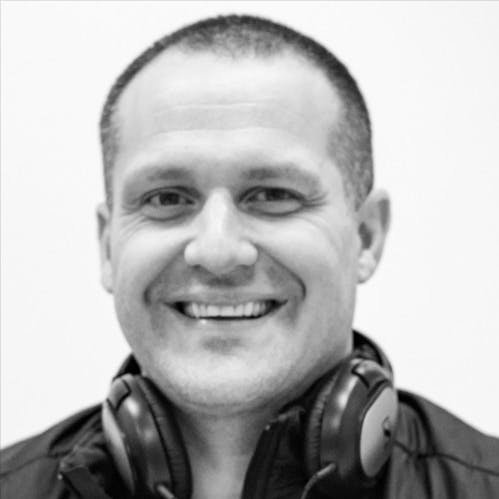
Ep. 259 Yannick Benjamin (Wine on Wheels & Wheeling Forward) on inclusivity in hospitality & wine
inclusivity in hospitality & wine
Episode Summary
Content Analysis Key Themes and Main Ideas 1. Resilience and Adaptation: Yanick Benjamin's journey of rebuilding his life and career after a life-altering car accident led to paralysis. 2. The Hospitality Industry: His deep-rooted connection to the restaurant and wine world, and his insights into the true meaning of hospitality. 3. Living with Disability: The profound physical, mental, and social challenges faced by a full-time wheelchair user, including issues of identity, accessibility, and discrimination. 4. The Power of Support and Mentorship: The crucial role of family, friends, and professional mentors in navigating extreme adversity. 5. Gratitude and Purpose: Yanick's philosophy of focusing on what one has, embracing curiosity, and a commitment to helping others. Summary In this episode of the Italian Wine Podcast, host Monty Waldin interviews Yanick Benjamin, a New York City native with French roots, whose life and career in hospitality took an unexpected turn. Yanick recounts his upbringing in a restaurant family in Hell's Kitchen, his early entry into the fine dining scene of New York, and his rapid ascent through prestigious establishments like Lacerque 2000. At 25, a devastating car accident left him permanently paralyzed from the belly button down. He shares the immense physical and mental struggles of recovery, relearning basic life skills, and grappling with a lost sense of identity and purpose. A pivotal moment in his rebuilding process was taking an ""internship"" at Jean Luc’s establishment, which allowed him to regroup and adapt. Yanick speaks candidly about the ongoing challenges, such as inaccessible public spaces, the constant risk of health issues like UTIs and pressure sores, and the frustrating experiences of discrimination during job interviews. He describes how he overcame these setbacks through sheer determination, rigorous study, and a focus on self-improvement, eventually securing a satisfying role as a sommelier at the University Club. Yanick concludes by emphasizing the importance of gratitude, continuous learning, and embodying true hospitality by helping others, highlighting his own independence and desire to mentor. Takeaways * Yanick Benjamin's career in high-end New York City restaurants began at a very young age, demonstrating early dedication to hospitality. * A severe car accident at 25 resulted in permanent paralysis, forcing a complete re-evaluation of his life and professional path. * He faced significant challenges including physical rehabilitation, loss of identity, and systemic inaccessibility and discrimination in the workplace. * A period of working ""for free"" as an intern allowed him crucial time to physically and mentally recover and adapt to working in a wheelchair. * Yanick successfully rebuilt his career as a sommelier, emphasizing resilience, continuous learning, and a proactive approach to challenges. * His personal philosophy centers on gratitude for what one has, the importance of mentorship, and the pervasive nature of true hospitality beyond the workplace. * He advocates for greater awareness regarding accessibility issues and the often-overlooked struggles faced by individuals with disabilities. Notable Quotes * ""I grew up five minutes from Times Square walking distance... But it was during the height of the aids epidemic. It was during the the height of, the crack era... everything just seemed kinda second nature."
About This Episode
Speaker 1 and Speaker 2 discuss their experiences with working in restaurants and the importance of purpose in life. They also talk about their mental health and struggles with a bad situation. Speaker 2 emphasizes the importance of purpose and the need for it in life. They also discuss their experiences with a bad situation and the importance of embracing hospitality culture. Speaker 1 offers advice on being a good mentor and encourages Speaker 2 to help others who need help.
Transcript
Italian wine podcast. Chinchin with Italian wine people. Hello. This is the Italian wine podcast with me, Montewood. My guest today is Janick Benjamin. Welcome. Good morning. Alright. Where are you coming from? New York City. You're in New York native? I am born and raised. Yeah. Yes. I am. How did you get into wine? My family, my dad's from Britney, my mom's from Bordeaux, and they both made a, life in the restaurant business in, New York. So you're free, but you're French, basically. Yeah. You're born in the states. Right? I'm born and raised in the states. That's correct. How did they meet. They met in New York City. They met in New York City? Dad came in, came to the States in sixty three. My mom in seventy one, and, they met right there. That was on the first site. I guess, but I'm not quite sure. You know, they're, they sit around, you folks. Oh, yeah. They're they're both around my dad. Seventy nine, and my mom is, sixty nine. Cool. Okay. And you speak French? I speak French. Yeah. So you spoke, did you grow up? Was it a French speaking household or? A hundred percent was my mother. With my dad up until the age of ten, it was always in English, because my dad always worked in restaurants, and he always worked with French people. So it was his way to practice English with me. So did they come over for love or for work? Or Well, they met they met here in they met at in New York. They both came separately, but my dad came right after their French Algerian war in nineteen sixty three. And he followed his two brothers for work. That's what it was. So he wasn't in the was he in the war? He was in the war. Yeah. Oh, yeah. Did you was were you kind of, like, really aware of that as a kid that was there any trauma? Or Well, no. I didn't I didn't know the severity of what the war was all about. I got older, and it wasn't something that we exactly discussed. I mean, you know, he would mention it a couple of times for sure, but it was not ever discussed. And nor did I ever see any side effects of, like, being a veteran of war? Okay. So in terms of your upbringing comfortable or hard scrabble? In the home, comfortable, outside of a different. I mean, I grew up in New York City. I grew up five minutes from times square walking distance. I grew up in a neighborhood called House Kitchen. It was, a very multicultural, neighborhood. But it was during the height of the aids epidemic. It was during the the height of, the crack era. Prostitution was rampant. But I guess it's growing up in that neighborhood, everything just seemed kinda second nature. It never just seemed like it was part of the landscape. I never thought much about it, but it was a very different way of growing up for sure. There was a rough area but with the same sense of community in a in a kind of slightly for the most part. I mean, I'll kick away. Yeah. Yeah. My parents were very good sort of, I wouldn't say shielding me because it was almost impossible, but to give me another another lifestyle when I entered the apartment. Okay. So you got it seems like you got a hardworking family with decent values. A hundred percent. Right. So, what your next move after high school and stuff? Were you a good student? That was okay. It wasn't great. I mean, I started working at a very young age. And pretty much by the age of fourteen, I had already committed to the concept that I wanted to be in the hospitality industry. And so just worked really hard. Work part time jobs. And, you know, I already had it in my mind that I wanted to go to some kind of trade school for hospitality. I didn't wanna waste my time going to college. You know, taking liberal arts courses just didn't wanna do it, but my dad did ask me, say, alright, Well, okay. Fine. Even though I don't want you going into the hospitality industry, it's it seems very clear that that's what you wanna do. But can you just go to college, see if you like it? And then I I did go to college, you know, three, four months and I got kicked out, and that was pretty much it. Yeah. I expelled it. I mean, I I just my grades were I mean, I I can't I could not even tell you what I did. Really? We just didn't engage you at all. No. No engagement. No engagement whatsoever. But did you make any friends there? It was not like you isolated kids. Do you? Well, I my my college was a it was Baru called it was, right, in the center of Manhattan. So, no, I didn't. I I don't think I made not that I was a a loner. It just was I was working already full time. So I was just going there, but no. And then finally, it was time to go. Then you parents just must have that point. Okay. Listen. He he knows where he wants to go, and we're not gonna try and shoehorn him into an academic. Correct. Correct. It was a done deal. So what was your first sort of official job? I mean, and how old were you that? So, finally, my dad said, well, if you're gonna work in restaurant. So you've gotta work at a a great place. And then, right at that point, in nineteen ninety seven, this gentleman named Sierra Machione, an Italian gentleman, opening up the second rendition of Lacerque two thousand. And Resilke, he hired me. What's what's that then? It means a circus, but it was, it's an institution in New York City. It's now closed, but it was around for, almost forty years. He was open at one place at one location for about, fifteen year twenty years, I would say, and then he moved. And then the the second reopening of it was a big deal. And, I was hired there, and it was quite an amazing experience and and job. What made it special? The tension, the Well, that's a stress. Definitely, the tension, the amount of media attention that it was getting the power players of New York with the celebrities that were coming in. And for me, to be, just barely a day over eighteen years old in an atmosphere like that, even though I had worked in restaurants, it was something different. It was, you know, Kristoff Silver and Bernadil Plates, and it was just the best of the best. And I, you know, just some looking back, it was very hard for me to comprehend what was going on at that time. So, I mean, were you sort of start truck, or you're quite easy with that. Okay. Someone famous walks through the door. They sat down. They just like any other human being. They order their food. They eat it and they go home. Yeah. I wouldn't get starstruck, but I I was impressed and blown away by the act actual quality of the people that were coming in. Okay. So it wasn't like a rough low. It was obviously high class, but well run with no, not overly pretentious or snobby or a little bit. Yeah. Yeah. A little bit. Oh, yeah. Alright. Well, that was, I, that was, like, well, fishing. You just gave her a little nibble. Okay. Next next step. But this is this is sort of foundation stone. You this is definitively the moment when your life changed. My life changed. And then after that, I stayed there for, two two years, and I the money was incredible. I was I mean, I was living a very good life at a very young age. And then at that point, I said, well, I'm I don't wanna fall into complacency. So I started working at different restaurants. I worked at a restaurant called Oceana. After Oceana went to go work for a, famous chef called, Jean George, Vonrichton. And after him, a restaurant called Atlas, and then I spent a good amount of time at the Ritz Carlton Hotel, along with working part time at an Italian restaurant called Faledia. So you're gonna see you I hate to you. This is a technical term of promiscuous, you were you were really getting as much exposure to different ways of working, different food styles, different atmospheres. Oh, yeah. Super motor video. So what was your strategy though? Was it wanted to open your own place and and suck up as much juice from all these other police and say, rather than do my own thing? Or The objective was to learn as much as I could with the hopes of eventually opening my own place or just move up the chain ladder and that was it. Well, you were moving up the chain. I was certainly moving up. And I was I was trying to absorb as much as I could. It was like, that's this is my moment to learn as much as I can. What was important to the business side of it or the or the the front of house, the the actual food, the plates, the cutlery, the the napkins? That's a good question. At that moment, it was all about front of the house type of stuff, you know. Probably looking back, I wish that I would have found that mentor who would have showed me, like, operations because it's something that we, a lot of people when they enter the business don't pay attention to. So operations means? Operations numbers, P and L statement all that, you know, crazy stuff. I've loved it a lot, sir. Profit, I'm sorry about that. Like, the real important stuff that if you wanna ever open up your own restaurant. For me, you're gonna be unlikely. Okay. Nexta. How old were you by this time? So by the time I I did all of this. I was twenty five years old. Free time, what were you a bit of a wild kid going out in night clubbing? No. For the most part, because by the time at the age of twenty three, I'd I'd met my fiance at that time. So that was my first real girlfriend, my first, you know, so I started to calm down. I mean, I was, I was still going on. I was still having a good time for sure, but not. You've got an energetic lad. Very energetic. Yes. Yeah. I'm, like, up here, you're very unique. Yes. For sure. Yeah. Your brain is not, it's never sleeping. For the most part. Yeah. Yeah. Yeah. Yeah. But I do have the ability when I, like, hit the bed. I can I can pass out? So that's a good thing. Okay. We'll keep going. So, but, but at the age of twenty five, and then I actually got married. So things were, you know, things were I wouldn't say things were settling down. But, yeah, yes, for sure. It wasn't as wide old, but, you know, twenty five is still young. Yeah. The steady income, somewhere to live. Yeah. I think that I life partner. Exactly. Correct. Yeah. And and you're moving up in the chain of command. Correct. Next step. Well, unfortunately, you know, I get married in July two thousand three, and I had a a car accident in October of two thousand three. So three months after, which was quite overwhelming, to be quite honest with you. And at that time, I was working at a great restaurant called Attevye at Carlton Hotel. Oh, that's a year. Yep. It was quite successful. So at Car accident, left me permanently paralyzed. And so that that was a real, you know, game changer, and, obviously. Okay. So when you say paralyzed, what do you mean? Yeah. Car accident, it left me permanently paralyzed from, pretty much, the belly button down without the use of my legs. So no motor and no, sensory. So, basically, I don't feel anything below that area. Yep. I sustain the spinal cord injury at the six six, level in, area. So, I mean, obviously, that was, yeah, that was a life or death as well, wasn't it, I guess? Yeah. I mean, you know, what was wild about that car accident to be quite honest with you was if you would have come to visit me at the hospital little, that day of, you would have seen me and you'd be like, okay, that you looked pretty good actually. There were no scrapes or marks on my face, except for the fact that, you know, it was just, I I had a burst fracture and it left me paralyzed. That was it. So, yeah, I mean, the car was in pretty bad shape, but everything else in my body, I was fine. I mean, I did I I I broke two ribs, but, you know, I didn't break any other bones besides my actual vertebra. Out of all the bones I could have broken, I, you know, I broke my the worst part. A worse one. So how did you rebuild your life? Well, it wasn't overnight. I can tell you that right now. It was, quite complicated. It was long. You know, even having to talk about this right now, I wouldn't say it's painful, but something that I it just puts me back in that same kind of place. So one of the happening. I'm in the hospital. I'm there till January two thousand and four. Two thousand and four, I'm trying to figure things out, you know, what my identity, who who am I, clearly trying to go back to what in restaurants was going to be very complicated. How am I gonna do that in a wheelchair? Cause I'm now I'm a full time wheelchair user, and all I really know up at this point is restaurants. That lack of not having an identity or a sense of purpose, to go somewhere was very, very hard to accept. And I wouldn't say that I was in a dark hole, but I certainly was not seeing the light. That's for sure. So that first year and a half was, I would say, two years, was very, very, very hard. And I was just I was relearning my body, you know, like, my legs, how to, you know, I'm, I'm basically carrying dead weight, you know. So all of that relearning the skill set of transferring on and off the shower bench, how to shower, how to put on a pair of pants, tie my shoes. I mean, all of this stuff, you know. It was it was quite arduous. But you presume you had some kind of help from the medical people or not really. I would I mean, pretty much, you know, you you're in rehabilitation for about three, four months Just not very long. Which is not long at all. Because that's what insurance covers. After that, you do what they call, like, an outpatient rehabilitation. So you're going to physical therapy, like, twice a week. And that only lasts for another three months. And then you're on you're on your own after that pretty much. So it's a double whammy. I mean, so it was a triple whammy. Yeah. Whatever you wanna call. Yeah. But at mentally, physically, but also to your your self esteem as a Oh, yeah. It was awful. It was awful. I mean, that's, again, I think that we all need that sense of purpose in life, and I simply did not have that. And I did actually interestingly enough. I went back to I was taking wine classes already by February two thousand four, went back to work part time at the Ritz Carlton, more just doing, like, office work, getting myself back, acclimated to that whole lifestyle of work, and, you know, learning how to, like, get around in a wheelchair with transportation and all that. But, yeah, that was very. It was tough times. Yeah. Mentor draining. Completely draining. Completely draining. And so, after that, what ended up happening, I actually started I was working a lot. I was really pushing my body. It was completely in denial. That, you know, spinal cord injury, you know, I, are you looking at me now? I'm healthy. I do what, you know, I do a lot of great things, but, you know, there's a certain maintenance to it. You know, if you if you don't take care of it, a lot of things can get kind of out of control very fast such as, you know, listen, I I, you know, as I said, I don't I don't feel, from the belly button down. So I don't have any I don't have any sense nor do I have any control of my bladder? Which, you know, at the age of twenty five, you know, usually, you know, you you're usually around sixty five, seventy years old when your bladder is out of control. And so I didn't have any control of my bladder. So your prone to urinary urinary tract infections. And I didn't understand my bladder. There's a certain science to it. You know, so I'm outside, and I'd have a cup of coffee. Then, oh, you shit. My pants are soaking wet, you know, and I'm like, all the way in in midtown, you know, in the heart of Manhattan with the soaking wet pants, you know, at the it's very humbling to be in a situation like that. I cannot tell you. Yeah. If you it's kind of, like, adding humiliation to Oh, there's there's, humility you're being humbled. But, yeah, I mean, my, I mean, my bladder, like, drove me nuts. I mean, I wanted to go game on thrones on it sometimes and just take, like, one big sword and just, like, stab it. I mean, it's, when you it's it is one of the most discouraging things to have a bladder that just acts on its own. Of course, that took time to finally understand the science of it. And once I did it, I, of course, it was fine, but wow, that took a while to to kinda get. It's one of the biggest issues. So, a lot of people think spinal cord can't walk terrible. I said, oh my god, just give me full control of my bladder, and I would be happy. So how does that I mean, I don't wanna go too much to do first and stuff. I mean, how does that what happens if you need to have a pee? Yeah. For sure. So I have to catheterize myself. Okay. So I'm I'm I'm catheterizing at least, you know, upwards of, like, five to six times a day, which is always interesting, you know, when you're in a place like Italy. Right? Because, eighty percent of the time, none of the bathrooms are accessible. So you've gotta to make up some bullshit excuse. Oops, sorry. And tell people, you know, I'm gonna be right back. I gotta make a phone call, what you're actually doing is I've gotta go find the corner somewhere in the street to pee because there's no Seriously, you're not peeing to a bottle or something or No. I mean, I've I've got the it's a catheter. It's a closed bag system. Again, I've gotta be very careful. I've gotta make sure bacteria is not entering my urethra. That because if that, that, you know, again, urinary tract infections, and I don't know if you've ever had one, but they are off full. They are awful. They just they they they knock you out. I'm sorry about that. I keep knocking it. They keep they they they will knock you out. I mean, where, you know, I don't know, upwards of a hundred into, Fahrenheit, so I don't know what that would be in Celsius. It's thirty. It's quite warm. Twenty. Oh, yeah. The chills and the whole I mean, it's So your body temperature as well, and that can be dangerous content. Oh, absolutely. It's terrible. I mean, it's one of the worst I mean, if you wanna understand death, just take a I mean, really, I mean, that's sincerely. It's just, it's not fun. Okay. So back to your your work. You obviously had a this massive Yeah. You know, adjustment. Right. How did you rebuild and what do you do now? So, right. Pretty much. Then after that, the Ritz Carlton Hotel, I just closed or the restaurant inside was not doing well. At that point, I was very sick. And what happened, this was a byproduct of me pushing my body. I developed what you call a pressure sore, which is very common in the spinal cord injury. What that means is because I'm sitting on my butt all day. If I don't have the right kind of cushion. If I'm not careful, basically, you you develop, like, it's a, you know, scab, but it's it's what they call stage four. It's basic. I had a, the size of a golf ball on my ass. So it was pretty bad. And I was living with that for a couple of months, and then finally my body just gave out, needed it to get us. I needed to find a doctor who would do surgery to close it back up. I needed an actual classic surgeon, but most doctors did not wanna touch me because the fact that I didn't feel and all this. Finally, I found this incredible doctor, doctor Thomas Terry, who, did the surgery, and then I was the hospital for another two months. Lane on my one side. Yeah. It was it was awful. And then finally, I had received a phone call while I was in the hospital from a gentleman named, Jean Lukele, who had asked me if I was interested in coming to work at tell. And of course, I had to give him some nonsense answer because I'm here. I am laying onto my side. And I said, Hey, Jean. Luke, great to hear from you. Unfortunately, I can't come and interview with you right now because, you know, Gail, I don't know what I told them, you know. You didn't tell them the truth. I definitely did not tell them. Get into it. I was ashamed. I didn't wanna come across as vulnerable. I just didn't wanna, like, you know, I actually, as a matter of fact, a lot of my friends, and only a few of my family members knew that I was in the actual hospital because I put this big break face for, like, two years. And finally, you know, and I was at that point, I can honestly say, I definitely was in a dark place. There's no doubt about that. I was in a dark place. But would you, did you thought about the s word or not? Suicide? No. Definitely not. And tell you very simply why because I was what always motivated me to try to do better was the fact that my parents had worked so hard for me. You know, my my my dad stopped going to school at fourteen. My mom stopped going to school at fifteen. And they provided with such a great life that I knew that that was the least I could do was, like, just try to make get out of this situation. And I so it never crossed my mind. There were moments like, what the fuck? You know, like, I mean, of course, there were absolutely. There was no doubt about that. Know, I'm I mean, there are moments where I wanted to give up, but what I will say to you is do I understand why people get to that point? You know, and I know people are very judgmental when people, on others that committed suicide, and I think it's terrible, but I I understand it. And I've I've had some very close friends, unfortunately, that, that went down that route. And, you, you understand. I get it. I do. I really do because it's exhausting. It's exhausting to, like, have that burden on your shoulders. Mentity and physically. Oh, it's awful. You know, for sure. I get it. So If you never switch it off, right? When you've got that black cloud of, like, depression, I mean, and anxiety. It's awful. I mean, like, I you just gotta say, like, what the and I I totally totally get it. I I I don't I have no judgments about that, you know. Okay. So but you did get back on track. And how did you do that? Well, basically, what I what I needed to do was I needed to I was pushing my body way too fast. I was completely in denial of my body. I was trying to keep up with my old self. Yeah. You're a hundred and ten percent, though. I was and and what I needed to do was take a few steps back. So finally, I went and knocked on John Luke Ladeau's door after a few months, and he's like, oh, my god. Where have you been? I haven't heard from you. And then, he said, well, unfortunately, I hired people, and I can't hire you now, and I see now. I said, listen. Perfect. Do you mind if I work you for free. And he said, what? I said, yeah. I just I need to regroup. I need to, you know, and so I what I did was I went by, like, that European model of doing, like, a Steschel being an intern, and that's what I did. So I didn't have that pressure. And so if I woke up one morning, I felt tired. I didn't have to do that. I didn't have go into work. So that's what I did. I and I needed to rebuild, and I needed to rebuild physically. I needed to rebuild, obviously, mentally. So it was really the best rehabilitation. I needed to go backwards in before I can go forwards. It's a smart move. Yeah. And it was a great move. Yeah. There was another changing move for you. A hundred percent life changing move. It was the best thing I could have done. Yeah. The brain taking a little bit more power. I that's what I needed. Yeah. For sure. Absolutely. So so that was enjoyable. Yep. And then finally, and I actually stayed there for about another or eight years collectively. While I was there, I, you know, then I started to compete, some way competitions almost all the time. I started taking some certifications. I actually went back to college, finished college, and got divorced, but it was it wasn't that was was very amicable. It was very quite simple. I have to say we we've remained friends. So, yeah. So, yeah. And then, I think that's important to have that. Your life, even though it's not one that's right next to you all the time. Absolutely. No. No. And, you know, listen, I'm I'm I'm forever grateful. I mean, she was clutch. She was there. Her family was incredibly, generous and great to me. So, they were all Italian to actually funny enough, but so nice. And so I'm very thankful. And when you go through a situation like that, you need this incredible network of friends and family. It's an emotional and physical support. So So so you had that strong family network, and then it was recreating that professional network. That's what and something that I needed and wanted. And so after a few years of, you know, competing a lot and now really understanding my body and understanding how to, that I could work and do certain things in a wheelchair. And and also understanding, listen. I hate this term that when people say, nothing is impossible. And I think it's such a shitty thing to say. I I don't believe. And I I I, you know, one of my favorite movies is, Shalshing for Dem and and in that movie, I stressed a lot about, you know, false hope, false hope. And so, like, you know, I'm a big believer in that as well. Don't give people false hope, you know. And so I realized that I needed to work with what I have and then try to, like, build upon that. And, while I was, you know, I never I never embraced retail. So I was working in retail, and it was just not my thing. But I was grateful to be working, and I I had an identity, and I was traveling, and things were going well, but I wanted to go back and restaurants. But I just didn't know how to to go about that. That was the issue. Pretty much. So at this point, I was I went back and I was keeping my ears to the grindstone, if there was something open of it. But I knew that I needed to work in a place where the tables were sort of set apart, you know, I can navigate physically. And interestingly enough, talk about putting yourself out there. This gentleman happened to be one of the judges at one of my competitions, and he's the general manager of a private club called the university club. And he reached out to me, and he said, Hey, Anika. Listen, I remember you competing. Would you like to come in an interview as, for the, you know, chef Sommarier position at the university club? And I said, and I thought he was bullshitting for I mean, I or I'm like, this do you remember me? And he said, yeah. Yeah. I'm like, the guy and I literally said, I'm the guy in the wheelchair, because I had already I've been I've been traumatized at this point because I must have interviewed a hundred times for for summary positions. And, you know, either I've been laughed at, literally laughed at, or just, you know, just nonsense. How about you feel, though, when people did that? Oh my gosh. The one time when I got laughed. Yeah. I mean, you must call people out. You're not the kind of guy. I mean, you there were people there were people I would call out for sure. And I would call them out when I would find out who they hired instead of me. And I'm like, well, you know, can you tell me more about that, you know, why you hired that individual over me? And they're like, well, we can't. I'm like, yeah. But what or, well, can you tell me what qualifications I act and give me some give me some feedback. And they won't do that. It was just such an uncomfortable situation for them. Well, that's good that you put them in the hospital. Oh, yeah. For sure. I mean, like, you know, at least, you know, just fucking tell me. I either call it straight or get the Exactly. Don't waste my time. But not did that make you even more determined or even Oh, yeah. No. I definitely put a I mean, it really, you know, I it's got the journal in going again. Yeah. And I I would say, listen, a chip on not angry, but a chip on my shoulder. It forced me to really even study anymore to really make myself more balanced so that I knew that when I got interviewed, that I knew as much as I could. So my goal was to get a director of operations position and all that kind of stuff. But when this job came knocking on my door. I mean, I went to go see him. And my my interview is five minutes. That's it. And then he just asked me very simply like a gentleman. He said, what can we do for you? Well, how can we make you feel comfortable here? And I said, I don't know. I said, I didn't have the answer. He said, I said, well, if you don't mind, you know, we'll just kinda see how we go. So see how we go. And now exactly. And he said, great. And that's it. And I've I've been there for almost six years. How proud did you feel on your first day? What were your emotions on your first day? Your first your first shift? Oh, my fur just before I got out there. I was shitting yourself. I was shitting myself. Oh my god. And, you know, my butterflies. And I I stopped by out this this little bistro. I I had two beers. I mean, I needed to calm my nerve. And, you know, I mean, you know, when you're so nervous, I mean, I could five years, and it would have done nothing. You know, but it did help a little bit, but I was so nervous. You know, I'm thinking, what are these people gonna see, you know, the the the the members that that are gonna come to dine there? What are they gonna think of me? A guy in a wheelchair serving wine and and cocktails or whatever it is. And then I was also working with, these hardcore waiters. It was all unionized, but it turned out quite well. People were very warm and very accepting, and it's been it's been really a wonderful experience. As a matter of fact, they got married there. I got remarried. So it's a very special place. It's a very special building. And, I mean, it was just like Jean Looklodou was sort of the first chapter for a new life. And then this was like the second chapter of another life. So, basically, you're talking about one chapter is the work, the day to day, the getting back into the routine, and the other is the emotional. You said it perfectly. Yeah. And that's it. And how did that? I mean, were you folks stood around at this time? Oh, yeah. I mean, they yep. Still and they're still around right now, but did they did they advise you? Did they encourage you? Did they just say, you know what he's okay? Is he whatever he wants to do? He we know that he's a good decision maker. We're gonna let him get on with it? Or what did they? I I would say after I'd gotten injured, they probably would have preferred that I gotten to the world of IT or to law or something where it was wheelchair friendly. Yeah. A sensible job with a guaranteed income. Yeah. You know, for sure. Exactly. Absolutely. And, you know, this business, the hospitality industry is very complicated. It's very difficult. I mean, it's tough for tough for everybody. It's tough for a yep. And and, you know, let alone if you're disabled and you you you you have a a cold depend I wouldn't say cold dependency, but you're heavily dependent on insurance. It's, you know, it's it's tough. There's no doubt about I mean, it's it's definitely very risky. I mean, just in every every restaurant, you're gonna have good customers and customers that spend money, but are a little bit rude or a bit arrogant or Right. I mean, if somebody says something a little bit rude to you that you know that they're saying it just irrespective of your physical condition, I think. Right. Do you call them out, or do you just say, it's just a bit of an asshole y, to get guy on table three? His wine was one degree too warm or something. We'd just let that one go. Yeah. I So what's very interesting is that I know there are times where customers really wanna I mean, I have to say one thing. I am not saying I mean, there are a lot of things that I'm bad at, but as far as, like, table side manners and going out of my way to make sure that person gets whatever they want, I would say I'm ninety nine percent. There's probably that one time. But for the most part, sometime, I mean, three weeks ago, we had this disaster of a service. And I it was a disaster. It was probably the I'm not making this up. It was the worst first I had ever experienced in all my years. And I mean, I don't know what happened to the staff. It just which all went wrong. Everything you could imagine went wrong. I mean, customers are standing up, you know, just going ballistic. But each time they went to vent to me or complain, they they were biting their tongue, and it's interesting, and I know it has something to do with me being in a wheelchair. So they never exactly they're they're they're always extremely polite. I'm sure they wanna be like mother fucker? Like, where's my food? Where's the they're like, they're like, listen, Yonic, you know. So they're very they're very correct, politically correct when they talk, which so, I mean, I think it's just a bit just obvious. You know what, mate? Your your your your state was like one degree cooler than it should you know, and and they're saying that to you and you're thinking, you know what, mate? There could be slightly other problems that could go wrong in your life. I I yeah. That's it for the moment. Yeah. No. I I mean, it's like, you know, even like on this trip, you know, with some other individuals and some people are saying about their they're not complaining about their hotel room. And I'm telling them, I love my hotel room. My hotel room's wheelchair accessible. I come to Italy a lot and every time they tell me it's so accessible. It's not even accessible. So I'm even happy that that's excessive. And all I need is a plate. If I can sleep on the floor and I've got a bathroom that's accessible, that's all I need. And I'm like, okay, that, you know, those are real first world problems. I mean, they really are. In terms of, you know, when you go home from work, you'll hear tasting wine in in verona and doing and speaking as well. Yep. Do you need someone to get you into bed or out of bed? Are you totally independent? I'm totally independent. I'm on this trip by myself. Yeah, yeah, for sure. No, I Everything's, yeah, I don't have anyone with me or anything like that. Yeah. So yesterday, you gave a speech Yes. To, the wine to wine audience, which is, b to b business to business event. Mhmm. What were your main messages? One message was to be thankful for what you have. Focus on the that you do have. Don't focus on the things that you do not have. The goal is always to try to do better, you know, never get complacent, never lose your curiosity. And, you know, the the fact that and it's not just in Europe and earth's time just in the United States, but I think those of us that grow up in a first world culture, we have a tendency to complain quite a bit. I mean, it's quite amazing. But I also think what I wanted to focus on too is, you know, if you're in the wine, if you're working in winery, if you're working in distribution or as an importer or you're working in restaurants or in a hotel, you know, you have to really embrace the culture of hospitality. And hospitality does not stop when you punch out. You know, it's it's a twenty four hour, you know, seven day, you know, thing. And I think a lot of people don't practice that. That concept of walking on the street. Hello. How are you? Or, hey, can I help you with something? Or can I hold that door for you? I mean, if we practiced that more, if we incorporated that lifestyle, I mean, the world would be significantly a better place, you know. Should we do with that? Not a problem. Thank you. You can carry on. I don't. Do we miss anything? No. You're pretty good. Right. Yeah. I don't know. You hardly said anything, but you got me to say a lot. Jeez. You know, you're very good. But you you are an inspirational person, and I I unfortunately had a a huge glass window, which was in the booth upstairs. It's different. I could see you speaking. Yeah. You had that audience absolutely wrapped around your finger because you you're saying stuff that we kinda know and we just conveniently forget. Right. That we don't wanna face up. And we have a cuddly industry, right? The wine industry is cuddly. You may not always earn a lot of money or something with you, but, you know, it's friendly and it's social. Yeah. And we kind of a little bit divorced sometimes from from the real world. And I think if there's any benefit with climate change, for example, is we're all linked to our jobs depend on that effectively. And and it's and then we also figure get the human side and, you know, we can talk about workers in the field in certain vineyards and certain areas of the world that really have nothing and they get paid particularly well and exposed to to to to to pesticides on the rest of it that. Yep. And until we we really think about the the human aspect of the tell war equation, our industry, I think, will only be partially formed. And I think what you've done turning a, obviously, life changing event into a life changing experience and using that in a positive way. Yeah. I mean, it's all it's all about sharing our resources. And and I I'm certainly trying to do that. I was very blessed to know that when I left that hospital room, I had a family and I have friends. Not I'm not I'm not I'm not rich. I'm not wealthy, but I did have financial resources that allowed me to do simple home modifications, put in grab bars, make the doors wider, put in a couple of ramps. A lot of people did not. I was I was on the same hospital floor with other individuals that went to nursing homes, and that's like the beginning of death. Yeah. Be honest with you. I just wanna be able to help those that have less, help them figure out what their passions in life because this we only have a few. It's not a very long life. This goes by very fast. And so we have to make the best of it, but we all also have to have the ability to be able to help others that need our help and and doesn't have to be monetary. It doesn't have to be, you know, giving money, but sometimes mentorship goes a long way. And I think we can certainly do a better job in this industry with that. You'd be a great mentor. I'm not just saying for your you know, the situation, but also in your wine knowledge and and the fact that you've come from a family with values is clear. It shines through. I mean, you know, other people that had the situation that you've experienced may be from very privileged spoiled for families. Just for example, everything is taken for granted, I would imagine would have found the transition much, much harder. Yeah. No. You know, a life changing in in kind of like, oh, it's so unfair, and it is unfair. But, I think we did talk last night about your parents, and I'm glad we did because because, it's gonna meant you're warmed up a little bit this morning, but it's so important and it shines through and well done them. Well, thank you. Thank you very much. Well done you. And, yeah, leading by example, that's what it's about. And that's what you do. Well, I appreciate that. Thank you so much. No worries. It's been a real pleasure. Yeah. Thank you. Listen to all of our pods on SoundCloud iTunes, Spotify, HimalayaFM, and on Italianline podcast dot com. Don't forget to send your tweets to eta wine podcast.
Episode Details
Related Episodes

Ep. 2789 ColleMassari: a long-term vision rooted in Montecucco with Giuseppe Di Gioia | On The Road With Stevie Kim
Episode 2789

Ep. 2788 Ep. 14: Austria and Hungary | Study Smart for your WSET Level 3
Episode 2788

Ep. 2785 From Volunteer to Speaker at TEXSOM with Samantha Cole Johnson | TEXSOM 2026
Episode 2785
Ep. 2766 Inside the U.S. Non-Alcoholic Wine Market: What Wineries Need to Know with Jill Sites | Masterclass US Wine Market
Episode 2766
Ep. 2761 Winemaking and Consulting Across Sicily with Alessandro Serughetti | Wine, Food & Travel with Marc Millon
Episode 2761

Ep. 2759 Part 2 – The VIA Educational Program & Italian Wine | Heart-to-Heart Conversation with Sarah Looper
Episode 2759