
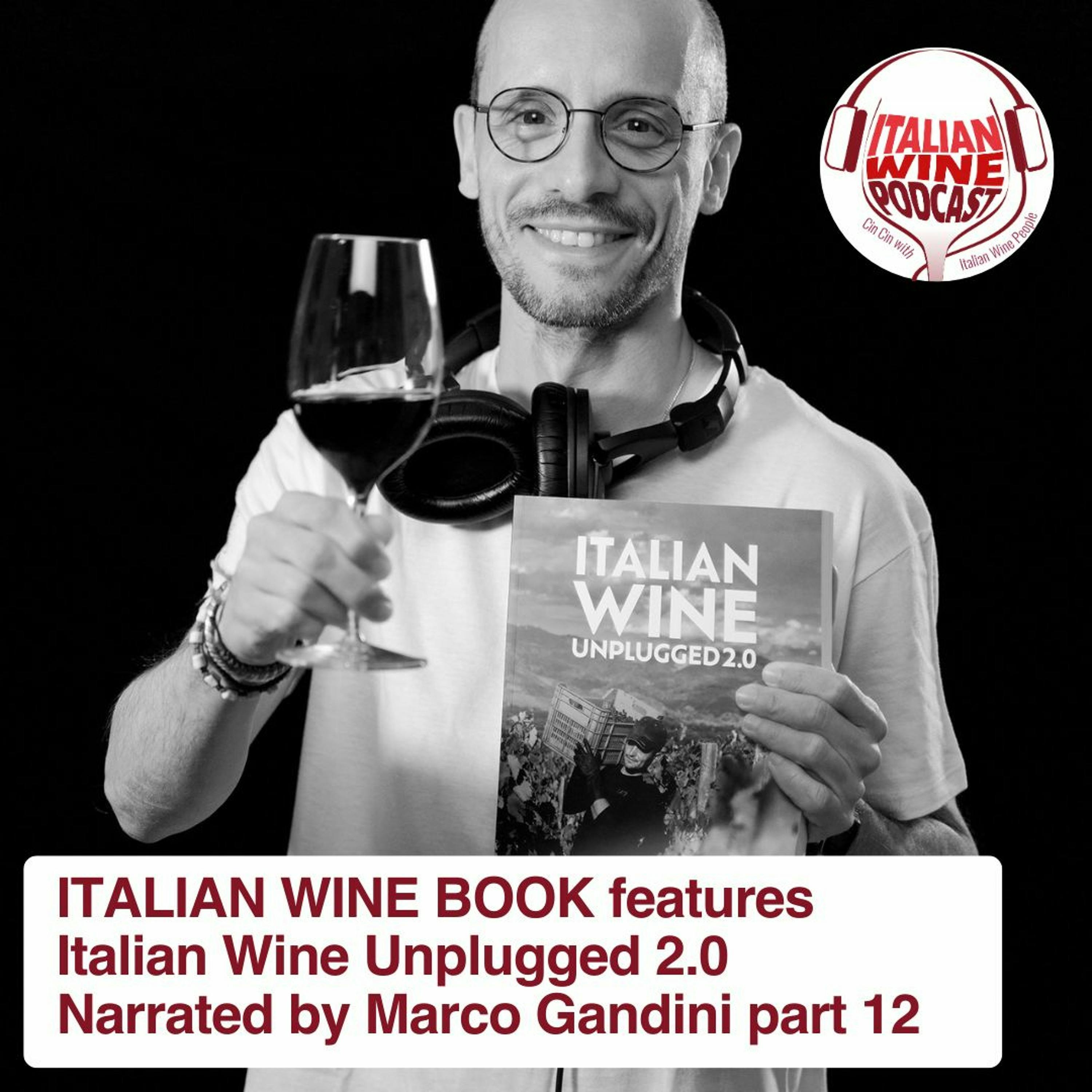
Ep. 1349 Marco Gandini Narrates Pt. 12 | Italian Wine Unplugged 2.0
Italian Wine Unplugged 2.0
Episode Summary
Content Analysis Key Themes and Main Ideas 1. Promotion and content excerpts from ""Italian Wine Unplugged 2.0"" by Mamma Jumbo Shrimp. 2. Detailed explanation of Italian wine sub-denominations (Classico/Storico, Riserva, Superiore, Novello, Passito, Vineyard Names). 3. The specific characteristics and legislative requirements for each wine classification. 4. The importance of producer competence and consumer knowledge in navigating wine quality despite classifications. 5. The unparalleled diversity and ""nativeness"" of Italian grape varieties. Summary This text is an excerpt from and promotion of ""Italian Wine Unplugged 2.0,"" a book by Mamma Jumbo Shrimp. It delves into the often-confusing world of Italian wine classifications, specifically focusing on sub-denominations for DOC and DOCG wines. The author meticulously explains terms like ""Classico"" (referring to historical production zones), ""Riserva"" (indicating extended aging periods, often implying higher quality), and ""Superiore"" (denoting higher alcohol content and minimum aging). It also covers ""Novello"" wines (early-release, fresh and fruity, often with carbonic maceration) and ""Passito"" or ""Vino Passito"" (sweet wines made from air-dried grapes). The concept of ""Vineyard Names"" is briefly introduced. A recurring theme is that while these classifications provide guidance, the ultimate quality of the wine heavily relies on the individual producer's skill and diligence, and consumers should not solely rely on labels. The text concludes by emphasizing Italy's unique position in the wine world due to its incredible diversity of grape varieties, with an estimated 600 to 1000 native or locally adapted types, making Italian wine offerings dazzling and varied. Takeaways * ""Italian Wine Unplugged 2.0"" is presented as a comprehensive guide to Italian wine. * Italian wine labels include specific sub-denominations (Classico, Riserva, Superiore, Novello, Passito) that indicate particular characteristics and production methods. * ""Classico"" or ""Storico"" refers to wines from historically significant production zones. * ""Riserva"" signifies a mandatory minimum aging period (e.g., 2 years for red DOC/DOCG wines), often implying better quality, but this is not always guaranteed. * ""Superiore"" indicates a higher alcohol content and a minimum aging period compared to the base wine. * ""Novello"" wines are young, fruity wines released in November, using carbonic maceration. * ""Passito"" wines are sweet wines produced from grapes that have been naturally or artificially dried. * Italy possesses an extraordinary number of native or localized grape varieties, estimated to be between 600 and 1000+. * Despite elaborate classification systems, producer competence and consumer knowledge are crucial for assessing the true quality of Italian wines. Notable Quotes * ""Italy has additional wine categories, which can be confusing."
About This Episode
The history and qualifications of Italian wine, including sub denominations and proper care for specific wine formats, are discussed. The importance of age for the quality of wine and the need for a longer aging period for some types of wines. The speaker also touches on the use of specific qualifications for wine with specific alcohol content and age requirements, and the importance of multi-year tasting and finding good single wines. The Italian wine industry is also discussed, including the importance of multi-year tasting and finding good wines.
Transcript
By now, you've all heard of Italian wine unplugged two point o. The latest book published by Mamma jumbo shrimp. It's more than just another wine book. The fully updated second edition was inspired by students of Vin Italy International Academy and painstakingly reviewed and revised by an expert panel of certified Italian wine ambassadors from across the globe. The book also includes an addition by professor to Yoshinsa. It's leading vine geneticist. The benchmark producers feature is a particularly important aspect of this revised edition. The selection makes it easier for our readers to get their hands on a bottle of wine. That truly represents a particular grape or region to pick up a copy, just head to Amazon dot com, or visit us at mama jumbo shrimp dot com. For all the super wine geeks out there, we have a special new series dedicated to you. We are reading excerpts from our new addition of Italian wine unplugged two point o. Wine lovers tune in for your weekly fix only on Italian wine podcast. If you want to own a copy of this new must read Italian wine textbook, just go to amazon dot com or visit us at mama jumbo shrimp dot com. Other justifications. Italy has additional wine categories, which can be confusing. These sub denominations are established only for wines of DOC and DOCG quality levels as a guide to specific characteristics relating to producing zone, alcohol content, aging potential, and more. This denomination are mentioned on the labels when the wine meets those specific characteristics. The qualifications currently authorized by law are essentially three, classical or Storico, historical, reserva, and superiore. Clasico. Classic for DOC and the OCG wines or Storico, historical for DOCG and DOC's sparkling wines are qualifications reserved for wines from specific areas of particular historical significance known to have been associated with quality wine producing for a long time. The classical denomination refers to a sub area indicated by a particular disciplinear or protocol corresponding to the historical production zone of a specific wine. An example is the difference between candy wine producing the wider area of Tuscany and Chianti Glasgow, producing the small, designating area historically most associated with the wine. Our examples include, orvieto classico. Once again, although the merits of such subdivisions are clear, it has been practiced the competence of the individual producer also plays a crucial role in the wide quality. In other words, a producer who owns vines with a classical zone and follows all the appropriate production guidelines can earn the right to make a classical wine, but If that producer is not sufficiently talented, careful or hand working, the wine still may not be particularly good. Riserva, the Riserva qualification is found in many DOCG and DOC wines. That is several label is attributed to DOC and DOCG wines with a minimum aging period of no less than two years for red wines, no less than one year for white wines. No less than two years for sparkling wines produced with a caramel method and three years for sparkling wine produced using the classical method. The extra aging time for resettlement qualification can be longer depending on specific disciplinary guidelines. Often, these wines have an alcohol content greater than the non reservable wines. The characteristics are variable depending on the grape variety since different grapes provide different alcohol content. Such variation happens because some grapes accumulate sugar much easier than others or because they grow in hotter environments. For the OCG wines, the reserve qualification is related to mandatory aging parrot of three to five years. In simple terms, it is out of a wine almost always refers to a wine that is perceived to be better quality and is aged for a longer amount of time in oak, usually two additional years. As the wine is made from the producers higher quality grapes and is richer and more concentrating than a non reservoir wine, it ought to be age worthy. Having benefited from more time in oak. Unfortunately, depending on the producer, the grape and levels of care and attention, many dessert wines are simply overly oaked and free challenge. Reminding consumers that even some basic knowledge about the wine's provenance will help to avoid paying higher prices for our watery bottles labeled reserve. This qualification is very similar to the previous one. Superiora is a term given to DOC and EOCG wines to indicate a higher alcohol content than the base wine and a mandatory minimum aging. The superior guidelines adhere to the same legislative standards of this reserva roots. Compared to the entry level wines, wines with the superior denomination, are typically aged at least one extra year and have a higher alcohol content. Plus, o point five percent. Depending on each discipline error, there could be a requirement for a longer aging period and a lower yield per actor than those mandated for base wines. Examples of super wines include, and Are you enjoying this podcast? There's so much more high quality wine content available from mama jumbo shrimp. Check out our new wine study maps. Our books on Italian wine including Italian wine unplugged, the jumbo shrimp guy to Italian wine, Sanjay, Lambrusco, and other stories, and much much more. On our website, mama jumbo shrimp dot com. Now back to the show. Novelo. Novelo new can be attributed to IGT, DOC and EOCG wines, both still and sparkling. Which are released for consumption at midnight o one of the sixth day of November. In the year, the grapes were grown and harvested. It is equivalent to a French new vote. The wines must contain at least forty percent of wine produced with whole grapes using carbonic maceration techniques with a minimum alcohol content of eleven percent and with the vintage year of the label. A minimum carbonic maceration requirement of forty percent is very low. And it effectively denies the whites, the chance to be anything other than light bodied and fruity. Due to its vast variety of grapes and terrors, Italy has the potential to make truly outstanding available ones. Whether the carbonic maceration minimum requirement of forty percent should be raised is a point of contention. But until it is, We can continue to expect rather unremarkable novella wines on the Italian market. Examples of better novella wines are those made in Tretino and alto Adigene. With other interesting wine emerging from other regions, including Sicily and Calabrio. As always, provenance is important. We're considering a purchase and with Novelo, tasting is often the best way to find good simple wines. Pacito or Vino Pacito. IGT, DOC or DOCG wines obtained from fermentation of grapes through natural drying or drying achieve in a controlled environment are described as passeto or vino passeto. This sweet wine are generally made from air dried grapes. A fortified version of this category often label licorrozo in Italian also exists since in the vino passito licorrozo qualification means a fortified sweet wine. A classification attributed only to IGT wines. Note that few people in Italy, even those who ride about wines, have much understanding of the differences between late harvest and air dried wines. And often use the name interchangeably to describe it sweet wine generically. As seen in different cases, it is not always accurate as why it's obtained via the two processes can be starkingly different. With varying levels of acidity and complex flavor profiles. Vineer names. Vineer names are attributed to the OC and the OC G wines obtained from grapes grown in a designated parcel of land corresponding to a specific plot, long identified by a traditional name, categorization, and some useful scientific concepts. Italy has more wide varieties than any other country. Approximately, thirty percent of all the wine grape varieties in the world are Italian. As mentioned in the historical overview, many of these grapes have called Italy their home for centuries. While others were imported to the country even earlier by Greek colonists and seafaring Finnish traders. Some of Italy's grapes are not truly native. In the sense that it did not spring from Italian soil. Rather, Many of these grapes are considered local. In that, they have been recognized as Italian are associated with Italian terroir for hundreds or years. Thanks for scientific research and genetic testing, we now understand that many of Italy's grape varieties are not directly related to Greek or near e scrapes. Grape fights have been proven to be plants that undergo rapid genetic mutations over just a few reproductive cycles. It is therefore unsurprising that single grape varieties have changed both genetically and morphologically over time often very quickly. Over the millennia, in which grapes have been grown in Italian soils, they have adapted to their new habitat. To the extent that they now bear little resemblance of their ancient ancestors. They are dual intents and purposes native to Italy. No other country can boast such a wide variety of grapes from which the main wine. In fact, This is one of the most distinctive characteristics of Italian wine. For no other place on earth, offers wine lovers such a dazzling and at times dizzying choices of wine. The officially recognized number of wine grapes in Italy is five hundred ninety. With more varieties discovered recently and awaiting genetic identification, researchers estimate that company alone has a further one hundred varieties to be identified and sardinia about one hundred fifteen, evidence of the incredible richness of Italy's agriculture. On this basis, a figure of between six hundred and one thousand native Italian grapes seems like a reasonable estimate. Listen to the Italian wine podcast wherever you get your podcasts. We're on SoundCloud, Apple Podcasts, Spotify, HimalIFM, and more. Don't forget to subscribe and rate the show. If you enjoy listening, please consider donating through Italianline podcast dot com. Any amount helps cover equipment, and publication costs. Until next time.
Episode Details
Keywords
Related Episodes

Ep. 2787 Prosecco Superiore by Dr Susan H. Gordon | Book Club with Richard Hough
Episode 2787

Ep. 2784 The Other Side of Valpolicella: Volcanic Soils & Sparkling Wines with Francesca Marcato of Talestri Winery | Wine, Food & Travel with Marc Millon
Episode 2784

Ep. 2780 The Bridge between the Past and the Future of Wine with Serena Costanzo from Palmento Costanzo on Etna | Clubhouse Ambassadors' Corner
Episode 2780

Ep. 2773 Trento DOC: one of Italy’s finest sparkling wines with Alessandra Caroni of Maso Martis | Wine, Food & Travel with Marc Millon
Episode 2773

Ep. 2749 The Many Faces of Etna: Climate, Contrade and the Art of Volcano Winemaking with Federico Graziani | Wine, Food & Travel with Marc Millon
Episode 2749

Ep. 2744 Ep 25: Pantelleria, Salina e il fascino del vino insulare | Pellegrinaggio Enoico con Attilio Scienza
Episode 2744