

Ep. 1899 Marco Gandini Narrates Pt. 66 | Italian Wine Unplugged 2.0
Italian Wine Unplugged 2.0
Episode Summary
Content Analysis Key Themes and Main Ideas 1. In-depth profiles of three specific Italian red grape varieties: Innavignor, Rokey, and Sagrantino. 2. Exploration of the historical origins, genetic lineages (or lack thereof), and regional significance of each grape. 3. Detailed analysis of vineyard practices, soil requirements, and climate influences specific to each variety. 4. Discussion of winemaking techniques, aging considerations, and the evolution of traditional vs. modern styles. 5. Sensory descriptions, including appearance, aroma, flavor profiles, and structural characteristics (acidity, tannins, body). 6. Food pairing recommendations tailored to the unique characteristics of each wine. 7. Identification of associated DOC/DOCG regions and benchmark producers for each grape. Summary This content provides comprehensive profiles of three distinct Italian red grape varieties: Innavignor, Rokey, and Sagrantino. For each, it delves into its historical background, including its origins, genetic relationships, and the evolution of its cultivation. The text details the specific vineyard conditions, such as soil types, altitude, and climate, that are crucial for successful growth and quality wine production. It also covers winemaking considerations like balancing acidity and tannins, aging practices (e.g., stainless steel, barrels), and the shift from traditional sweet styles to more prevalent dry versions. Sensory characteristics are thoroughly described, encompassing appearance, aromatic and flavor notes, and textural elements. Finally, the profiles offer complementary food pairing suggestions and list key associated regions, appellations (DOC/DOCG), and notable producers, providing an educational guide to these unique Italian wines. Takeaways - Innavignor is a rare Ligurian red grape, genetically similar to France's Tiburon, known for fresh fruit, low tannins, and unique cultivation challenges on steep slopes. - Rokey is an aromatic red grape from Piedmont that was revitalized from near extinction, noted for its rose petal and geranium aromas, and often a cross between Cortina and Malvasia Romatica Diarma. - Sagrantino is a thick-skinned, high-tannin grape from Umbria, considered one of Italy's most tannic, known for deep color, dark fruit, and its ability to be a ""meditation wine."
About This Episode
The Italian wine podcast is a community-driven platform for Italian winegeeks around the world. hosts offer free copies of their latest book and a new series on their website, including EPSs from their addition to Italian wine unplugged two point o. They discuss their love for red wines and their efforts to balance acidity and ripenings in their glass. The transcript describes various types of fruit, including medium plasticity, low to medium body, and Agent in stainless steel or barrels to allow fresh fruit character to remain prominent. They also discuss their love for red wines and their efforts to balance acidity and ripenings in their glass.
Transcript
The Italian wine podcast is the community driven platform for Italian winegeeks around the world. Support the show by donating at italian wine podcast dot com. Donate five or more Euros, and we'll send you a copy of our latest book, my Italian Great Geek journal. Absolutely free. To get your free copy of my Italian GreatGeek journal, click support us at italian wine podcast dot com, or wherever you get your pots. For all the super wine geeks out there, we have a special new series dedicated to you. We are reading excerpts from our new addition of Italian wine unplugged two point o. Wine mothers tune in for your weekly fix. Only on Italian wine podcast. If you want to own a copy of this new must read Italian wine textbook, just go to amazon dot com or visit us at mama jumbo shrimp dot com. Description found in the Dolce aqua area of Western liguria and it's genetically the same of Tiburon from France. The most highly cultivated and highest quality variety is from the Roses de Docciacua DLC area. Genetically distinct from other varieties with your Roses a name, including Roses de Bianco Diarcola, and rosses de Campo Diquiza of the Sabona area. Its origins aren't clear, but references to it exist back in the eighteenth century. Indavignor, difficult to grow and require sides away from the sea, immaintaneous vineyards with well drained soils. Cocaris clay soils make the best examples. The steep slopes of the vineyards make hand tending the vines a necessity. Leading to a relatively small number of producers and total production. Very sensitive to location, including Vineier altitude, with higher altitudes, giving fresher fruit expression. Innavignor. Pail ruby appearance, aromas in flavors of fresh strawberry, rose, black pepper, and red currant with balsamic notes. Medium plasticity, low to medium body, low tenon. Agent in stainless steel or barrels to allow the fresh fruit character to remain prominent. Dry red wine, fresh, bright, and easy to drink. Specific styles, dry, stale wine that can be made as a man of arrival. At the table, complimentary with risotto, stuffed pasta, appetizers, grill vegetables, rabbit, game birds, veal, and fish. Associated regions and DOPs. Liguria, Roses de dociacua GOC, Roses de Riviera Ponente, GOC. Benchmark producers, terreyanke, enfosso, Camancini. Rokey. Description. One of the few aromatic red grape varieties, Rokey grows primarily in the Monferato area of piedmont. Previously thought that divine was imported from France, but DNA evidence suggests it is a cross between Cortina and Malvasia Romatica Diarma. It may have been grown around the village of Castagioli Mufferato as far back as the middle ages. There is no clear origin of the name, and it could be a reference to Ronciete, ADCs, that resists better than other Piedmontese varieties, or the known defunct St. Hawk, Benaditee Minoceri. The grape was nearing extension, but it was revitalized by Don Jacob Macauda who inspired a winemaking movement that led to the creation of the Castagnale DOC. It has seen significant growth in plantings and production since twenty ten. In the vineyard, early ripening with low acidity and firm tenons, An important winemaking consideration is how to balance the low acidity. With higher acidity and less ripen tenon with more fully rapid rakes. Divast soil is dry and cakaries, which provides more perfume and aromatic wines. Clay soils provide more structure and deeper color, and wines require more time for refinement. In the glass, medium ruby color, intense rose petal, and geranium aromas with nodes of red berries, black pepper, cardamom, and mints. Low acidity, medium body powdery tenon. May be aged in large barrels, allowing for refinement. Younger examples show more aromatics, and after a few years, we'll have reduced aromatics and more complexity. Specific styles. Traditionally, a sweet style, but don't Cauda developed the dry style that is more prominent today. Castagno DOCG, requires ninety percent minimum Ruke grapes with up to ten percent Barbera or Bracito. At the table, good with eight cheeses, pasta, and ravioli, and game based dishes associated regions and DOPs. Roque de Castagio de OCG. Benchmark producers, Luca Ferzano, Montalbera, Fabritca caldera. Sagrantino, description found in the montefi core region of umbria. With thick skins and high polyphenol concentration, it is the most standard grade in Italy. Plantings have increased significantly and it's grown in popularity. As there are no known genetic linkages to other Italian grapes, it isn't clear whether it is native or traditional grape. The name may be a reference to Sagra Fiz or Sacristia, communion wine. It has been referenced since the sixteenth century, although it may have been known to the Romans. Histardly Sanrentino was made in Pasadena style sweet wines, but was vinified as a dry wine commercially in the nineteen seventies. There are three primary clones of Sanrentino, and blends of the three clones make the best wines. In the vineyard, because of the thick skin and high tenants, balancing tannin where ripeness is an important consideration due to the relatively small amount of grape juice in proportion to skins. Culcareous clay soils are preferred for adequate phenolic ripening and warm continental summers provide higher sugar content to create structural balance. Attoquate time is also needed for phenolic ripening in order to provide a smoother mouth feel from the tannins. Soil minerality is also important as Sacramento requires magnesium and can suffer from excess potassium. In the cellar, the stemming and soft pressing, in some cases, only using free run juice can help the balancing tenants, and wood aging is often used and require in the monte FICO segmentino or docG. To bring roundness and further tannic developments. The Montefico Sanrentino DOCG zone includes the areas around Montefico, Devania Castel Ritali, general delumbria, and wildo Catano. In general, Montefico wines can be more structured, Castello Ritaly, and wildo Catano more approachable. General delumbria, more powerful and Bevania more floral. In the glass, deep ruby color with nodes of blackberry, black cherry, violet, olive licorice. Dry medium plus acidity, high tenon with velvet texture, Age examples take a leathery and earthy notes. Oak aging can be enlarged, used barrels, or new barreeds. Specific styles. Has hardly made as a sweet pacito style, although now produced as a dry red wine. The Monteficosacrantino docG allows for both CECO try and potato styles made from one hundred percent Sacramento. At the table, the high tenants match well with fatty dishes, including sausages, roasted meat, and chisels, Sagrentino is also an excellent stand alone meditation wine. Associated regions and DOPs. Punchmark producers. Arnold Ocabri, Tabarini, lungarotti, Pandi. Listen to the Italian wine pot cast wherever you get your podcasts. We're on SoundCloud, Apple Podcasts, Spotify, email ifm, and more. Don't forget to subscribe and rate the show. If you enjoy listening, please consider donating through Italian wine podcast dot com. Any amount helps cover equipment, production, and publication costs. Until next time. Chichi.
Episode Details
Related Episodes

Ep. 2789 ColleMassari: a long-term vision rooted in Montecucco with Giuseppe Di Gioia | On The Road With Stevie Kim
Episode 2789

Ep. 2788 Ep. 14: Austria and Hungary | Study Smart for your WSET Level 3
Episode 2788

Ep. 2785 From Volunteer to Speaker at TEXSOM with Samantha Cole Johnson | TEXSOM 2026
Episode 2785

Ep. 2766 Inside the U.S. Non-Alcoholic Wine Market: What Wineries Need to Know with Jill Sites | Masterclass US Wine Market
Episode 2766
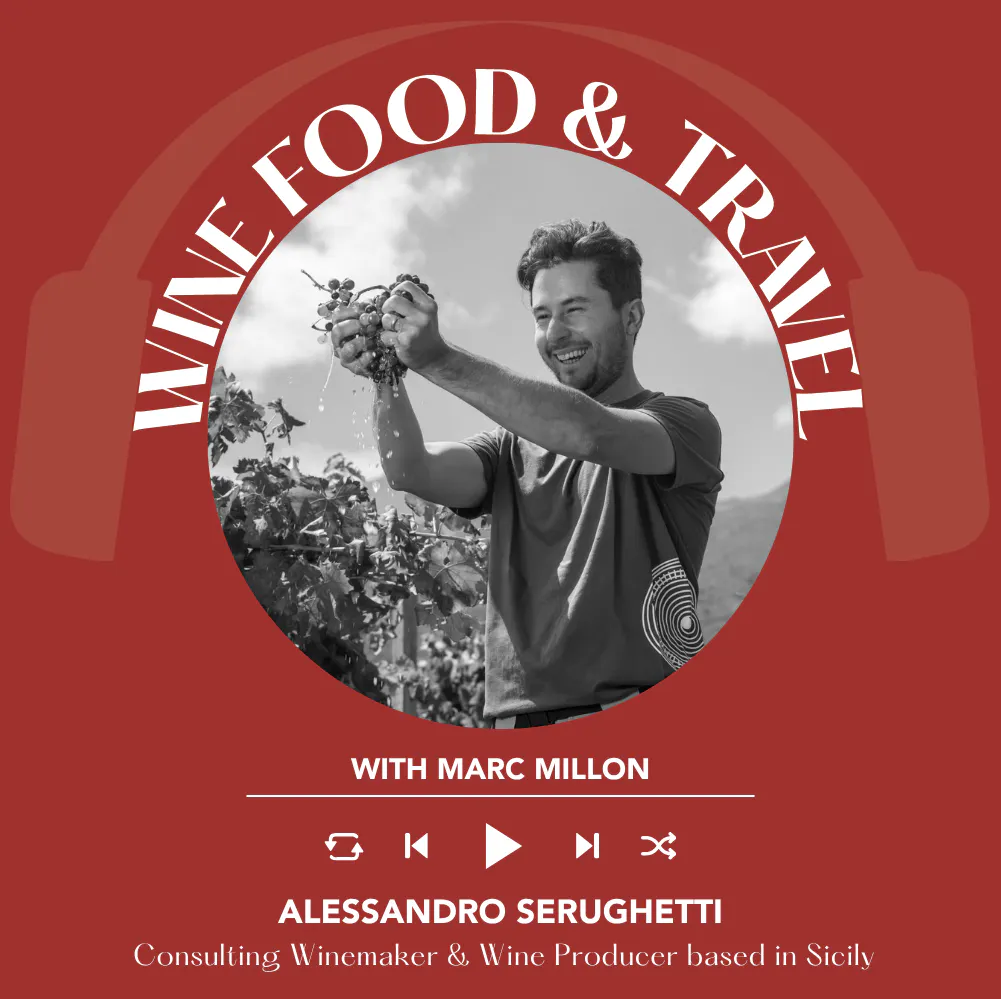
Ep. 2761 Winemaking and Consulting Across Sicily with Alessandro Serughetti | Wine, Food & Travel with Marc Millon
Episode 2761

Ep. 2759 Part 2 – The VIA Educational Program & Italian Wine | Heart-to-Heart Conversation with Sarah Looper
Episode 2759