
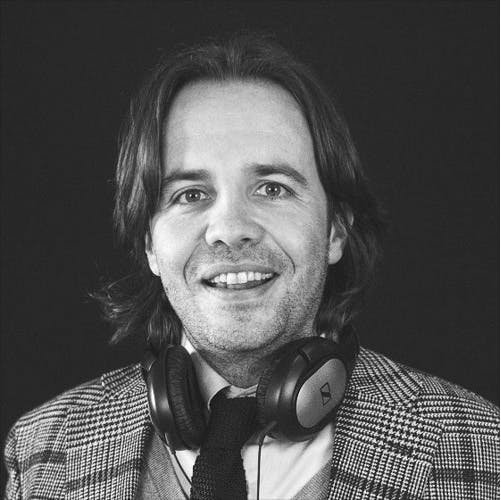
Ep. 207 Monty Waldin interviews Bernardino Sani (Argiano)
Monty Waldin interviews
Episode Summary
Content Analysis Key Themes and Main Ideas 1. The transformation and modern approach of Argiano winery under Bernadino Sani's leadership. 2. The significance of organic farming and biodiversity in Argiano's vineyard management. 3. Specific winemaking and viticulture changes implemented at Argiano to enhance wine quality and aging potential. 4. Argiano's market strategies, including primary markets (North America, Europe, Asia) and efforts to attract Italian consumers. 5. The role of digital communication and direct visitor engagement for wine estates like Argiano. Summary In this episode of the Italian Wine Podcast, host Monty Waldin interviews Bernadino Sani, CEO of Argiano winery in Montalcino. Bernadino expresses gratitude for being at Argiano and details the significant changes implemented since 2012, including a micro-mapping project in the vineyards, a new underground cellar with large oak barrels, and the restoration of the villa. He emphasizes a shift towards producing wines, particularly Brunello and Rosso di Montalcino, that are true to their terroir with clear, fruity noses and good acidity, utilizing large oak barrels for gentle aging. A key focus is on Argiano's organic practices, highlighted by the return of biodiversity, including natural beehives in the vineyards, a testament to their chemical-free approach. Bernadino discusses Argiano's main markets, with North America being dominant, but notes exciting growth in Asia and the importance of regaining popularity within Italy. He also touches on the increasing importance of digital communication. The interview concludes with a lighthearted discussion about food pairings for Brunello. Takeaways - Argiano winery has undergone significant revitalization efforts since 2012, focusing on quality and tradition. - The winery has adopted organic and biodiverse farming practices, evident by the presence of natural beehives in the vineyards. - Argiano prioritizes wines that are true to terroir, with specific focus on freshness, clear fruit, and optimal acidity. - Winemaking innovations include a new underground cellar and the use of larger, less oxidative oak barrels for aging. - North America remains the primary market for Montalcino and Argiano wines, with growing potential in Asia. - Argiano is actively working to attract Italian visitors and emphasizes the importance of digital communication for future engagement. - The concept of ""oxidizing the soil"" through plowing vs. allowing natural soil health is a key viticultural philosophy at Argiano. Notable Quotes - ""I feel so lucky to be in Argiano because it's one of the most fascinating place, in, in the countryside of Tuscany."
About This Episode
The CEO of Arjana, Speaker 3, explains that their company uses younger wood for winemaking and uses a small amount of bees to prevent damage to their wines. They use a hybrid approach to wines, producing less energy and more quickly aging, and use a hybrid approach to wines to create more nutty and inspirational wines. They are creating a small production of honey from the vineyards and using a small amount of bees to prevent damage to the wines. They are creating more energy in the world and need to communicate more clearly with customers and use social media to promote their work. They are also known for their love of fish and their favorite foods.
Transcript
Italian wine podcast. Chinching with Italian wine people. This podcast is brought to you by Lux wines, importer of fine wines, bringing you exceptional wines from esteemed winemaking families, Alegini Arjanno Yerman, Pierropan, for Jual Tesoro Renato Rati and Toranatorre. Find out more at luvswines dot com. Hello. This is the Italian wine podcast with me Montewood. My guest today is Berna Dino Sani Bernadino is the CEO of the Argiano winery in Montalcino. Welcome Bernadino. Thank you very much, Monty. Hi, everybody, and I'm super happy to be here and to speak a little bit with you about wine in general. We're glad I have you here. Now, RGiano is in a state. Obviously, I I know well, some people won't know this, but I did some work with them a few years ago on on organics. So I'll put that one on the table in this, straight away. And now, a lot of changes have gone on recently. And since Bernadino has been there, what have been the most exciting moments are you so far, Arjana? So let me start saying that I feel so lucky to be in Arjana because it's one of the most fascinating place, in, in the countryside of Tuscany. I'm, I'm a local. I was born in Ciena, and I always looked at Arjana is one of the most beautiful property and, building in the, in the area. Since two thousand and twelve, did we developed so many new projects. We started with, a different approach in the vineyards, as you mentioned, and then we started a micro mapping project on the vineyards. So we tried to make a very historical and traditional brunello. So we changed it something in the cellar. We did a new underground cellar. We did start the restoration of the villa. That's a huge project. Sure. Still going on. Yeah. That's going a moment, isn't it? That is, that is, yeah, a headache also. Yeah. I'm sure. But what you're talking about, Arjona already had a very good reputation. And what I think you're talking about is you're making what what a sports man would call and whatever I prefer to voice are these marginal gains, these little changes, little the wine making, a little change to the barrel aging, a little change to the cellar, maybe the cellar temperature, a little changes to the pruning, and the, and the work in the vineyard in general. All these little changes have made a big difference to the to the wine. So in your view, how have the wines change over the last few years in terms of palette, weight, and in terms of fruit expression. So we tried to make wines, especially on brunel and Roso de Montaccino that are the most true to the Terroir possible, and we we try to make wines with very clear and clean noses, fruity noses. That is, something that tell of in the sangiovese, especially when it's young. And then, with the use of the wood, we try to be very light. So very gentle not to have wines that are too much woody or okay and the vertical wines. So we work around the acidity of the wines. Okay. So in terms of the aging, we're going a bit backwards in terms of the doing the winemaking and then the Viticulture, but this will make sense. On with the winemaking. So what changes have you made in terms of the choice of wood and the age of wood for aging the Bruno? We did in two thousand fourteen, a new underground cellar to have enough space toward new big oak barrels. We started, with five thousand, three thousand one thousand liters as Labonne Oak Barros for the aging of the Sanju Vese. Mostly, the Brunllo Dimino, and the Russoino are aged in, big Oak barra. So Les Barrick and more, big oak for the for the brunel and rosso. So instead of instead of instead of wood that's in hundreds of liters, you're talking about thousands of liters. So this is you're getting a slower aging with less loss of fruit. Yeah. The idea. Then, of course, we have to start with, with a great quality in the grapes, and we have to start with a nice high acidity to, in order to make wines that, can age in a very good way, and, wines that they're very nice fruity, inspirational, San Luis. Okay. I was at your in your vineyard recently. I didn't I didn't see you that day, Bernadine, but I, saw the vineyard manager Francesco Monardi, and I saw in your vines, they weren't like beehives, but they were bees nests like colonies of bees. Why are the bees? And they're they're they're voluntarily, they're not like you've gone and bought, gone to the bee shop and and stuck a load of bees in a vineyard because they know that a journalist has walked past. Why are these bees finding Ariana such a nice place to to come and visit these days. So thanks to you. And, if you are the great mentors that we had in the past, the Francisco developed these, really these ideas of, making, a overgeneral, the most biodiversity that we are post and he started in two thousand and twelve to work, organically and to work the soil in a different ways to ban the the use of chemical fertilizers and most important chemical pesticides. So little by little, we had the act coming back. And we are happy to say that the last year we made the the first, little production of honey from the vineyards, only three cans. So it's a very small production, but we are very happy about that because, the more little animals we are tracking the vineyards, the best it is for all of us, and, for the wine, of course. So one of the things that, I mean, he's not here. The the vineyard, Franchesca Vonari told me, and obviously he's told you, I'll try and explain it in simple as possible. If you plow a vineyard all the time to get rid of the weeds. What you're doing is you're creating erosion, you're compacting the soil as well by putting a big tractor in. But what Francesco says is you're oxidizing the soil. So if you think about it, you're opening the soil up and putting oxygen in there, think, well, this must be a good idea. Well, in his view, you said, if you do do that, because we are in a hot climate in Montecino, and that's what gives Montecino its power, this this might hot microclimate, is that you're oxidizing the soil, and because Bruno needs to spend at least twenty four months in wood, which is a porous container, which is oxidative. He's saying, hang on, we're oxidizing our vineyards, and then we're oxidizing our wines. We can't avoid the oxidizing process of the aging because it's in addition to the rules. What we don't want to do is oxidize our vineyards because that will make the oxidation in barrel less strong, and we'll make a wine that's less ageable and will suffer earlier, degradation, and age, and aging premature aging. And the way explained, I have never explained it properly, is a really, really coherent way. And I think anybody, I have no link with Arjona now. Is this kind of approach, I think, is is definitely in the future. And, what you would what he's doing in the vineyard and what was happening in the making is is coherent. It's really coherent. And it's you're making a brunetta that really can age for the long term with plenty of fruit. Have I got that right? I think, I I couldn't explain in a better way. Okay. I haven't seen Bernardino for ages by the way. It's not like we this is me talking from me in the is this is no one told no one's told me to say this. Now, let's talk about Montecino in general. And what are the main markets for Montecino wines, particularly for banana in general? And what are what are the main markets for RGiano in particular? So I think our general respect, pretty well, the situation of Montachino general, North American market is still the most important market, for, for all the big rest of, of ita, I would say, for, barolo, for Bruno and for a Maroney. Beside that, I'm happy to say that, brunello, especially the good brunelos and the one that are true to the the war, are developing and spending even in Asia where they're getting very, very popular. And, of course, Europe remain a big domestic market. We have some, in terms of tasting, we have some, of specialists in Bruno, even not only Italy, but also North Europe, UK, and there, you get a lot of satisfaction because there, you deal with people that, knows about the wines and are able to judge, the vintages, the difference between the DVD Vintages. But the most exciting situation is for sure with the new younger consumer that are so happy to this over something about us, about our history, about our winemaking style that that is making very exciting our job right now. Sure. What about in terms of, I mean, multichannel in general is a mecca for, wine geeks, wine lovers, wine importers, whatever. It's full of people all of the time. What kind of visitors do you get Italian visitors? You know, just not the forum. I don't know about the Italian. We always ignore the Italians. I mean, Italian tourists, can they do they come? To RJ I need to visit? Are they curious or do they just think, oh, no. It's like, it's too expensive or what's the, what's the demographic that comes to visit the estate? We, as our channel, as me, personally, we try to go back to be popular in Italy because I think the most important thing for for a for a for a brand and for a wonder is to be popular among your own public. You cannot be successful outside if you're not, in our own market. So we are trying to attracted the most possible people in our channel, and we are happy to receive everybody. We are happy to receive everybody to explain how we are working, why we are working in a certain way, and to show the beauty full of the place. Italian visitor are usually a little bit more spoiled because, of course, if you live in Siena, you can go in ten minutes to Chanteclasto, you go Radha Gallola, Castelina, then you go South, and you go Monteciano, then Montalcino. So you're spoiled in a certain way, but I can say that, everybody that is coming to Montachi and have the form the possibility of visiting Arjano, at least for the beauty of the place, they say, wow. Yeah. It is a beautiful, and it's the largest Montagena, it's the largest commodity or commune in the province of Yenna, and it's huge. And it's also a little statistic. It's got more forest now than it did in the 1800s. Well, then that's it. So it was a biodiversity. Yeah. That's very good. Yeah. And just say Argiano's organic, and I think, about one in five states now in Monte you know, is, is organic and by now. Now where do you see the future in terms of sales avenues, for RGiano, either in terms of international markets or the way that you're promoting yourself either online or in other ways? You talk about people physically coming to Argiano? What are you doing online, for example? Well, that's a completely new thing for us. I have to say that, we didn't put, so much attention in the past to that, kind of, methods, but now it's becoming more and more important. I think it's, even more important than the traditionally way of communicating with people. They knew I see I have a a fourteen year old boy, and I see him exploring the things on inter it going on with the phone to see video to check things. So I think that for for the future, we definitely need to find a way to communicate properly and to use probably the social, the social media because, sometimes if you use them just to make photos and to show yourself that's not the the right thing. Okay. Final question, you're having dinner with your wife, bottle of brunetta on the table. What is your favorite food match? And what is your wife's favorite food match? Because it might not be the same as yours. Wow. That's a great question. So my wife My wife has a great palette for Bruno despite that, she's coming from Dominican Republic. She law to have, liverness coat fish. That is a coat fish, but cooked in a particular way with a lot of sauce and tomato sauce. And there, she likes to have a red wine. If you have an elegant brunello, like, the one we're trying to make right now in Argentina with a nice acidity that match very well. Me, I'm more traditional. I go for meat, and I I remain with a a big, stick and, and a good bottle of red wine. But in Bruno, especially the Bruno that I like that it's vertical with a higher acidity. I think, tagliatelle with a nice ragu sauce, bolognese sauce are still one of the best match. Okay. So would I go with with pomodoro, with tomato or not? Not. Yeah. The white one. Yeah. That light one. Yeah. That's the lighter one, the one with no, no, no tomato. That or or little bit. Yeah. You're in good shape anyway. Thank you very much. So, obviously, you're eating a lot of rescue. We're not with, are you shared that. Okay. I just wanna say thanks to my guest today, Bernardo Dosani, who's the big cheese at the Argiano, Tinu de Argiano winery, in the southern part of Montalcino. It's a very distinctive building. It's probably one of the biggest buildings, when it's certainly the biggest building in that particular area. It's a beautiful estate. I'm a little bit biased because I've got a connection with it, but I've put that on the table. And I'm really glad that you guys are moving in the direction that you're moving in. I'm so happy for you, and I'm happy for your, insects and birds and bees, and I'm very happy for and those, literally they are beehives, natural beehives that the bees are created in your vineyard, in your vines. That's a very rare thing to see, and that for me is a great indicator of a winery that's that really is working with nature. You can't literally go on Amazon and buy bees and stick them in a vineyard. It doesn't work like that. So it's a fantastic sign. Well done to Franchesca Monale. If he's listening to this, he's doing a great job. And, well done to you, Bernadino, for keeping the team in place and doing what you do. Thank you so much more. Bye worries. This podcast has been brought to you by Lux wines, importer of fine wines, bringing you exceptional wines from esteemed winemaking families. Allegrini, Arcano, Pierman, Pieropan, for Joaltesoro, Renato Rati, and tornatorre. Find out more at luxe wines dot com. Follow Italian wine podcast on Facebook and Instagram.
Episode Details
Keywords
Related Episodes

Ep. 2787 Prosecco Superiore by Dr Susan H. Gordon | Book Club with Richard Hough
Episode 2787

Ep. 2784 The Other Side of Valpolicella: Volcanic Soils & Sparkling Wines with Francesca Marcato of Talestri Winery | Wine, Food & Travel with Marc Millon
Episode 2784

Ep. 2780 The Bridge between the Past and the Future of Wine with Serena Costanzo from Palmento Costanzo on Etna | Clubhouse Ambassadors' Corner
Episode 2780

Ep. 2773 Trento DOC: one of Italy’s finest sparkling wines with Alessandra Caroni of Maso Martis | Wine, Food & Travel with Marc Millon
Episode 2773

Ep. 2749 The Many Faces of Etna: Climate, Contrade and the Art of Volcano Winemaking with Federico Graziani | Wine, Food & Travel with Marc Millon
Episode 2749

Ep. 2744 Ep 25: Pantelleria, Salina e il fascino del vino insulare | Pellegrinaggio Enoico con Attilio Scienza
Episode 2744