
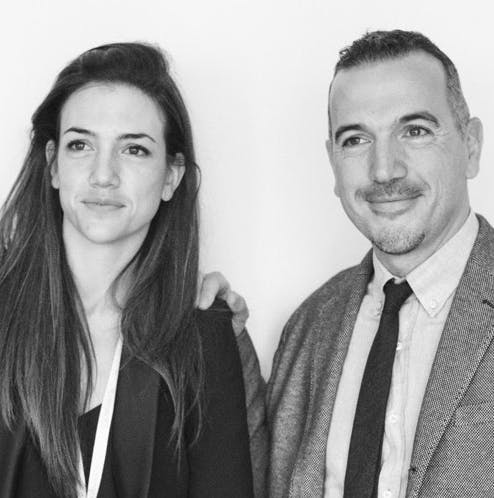
Ep. 213 Monty Waldin interviews Veronica Ruggeri (Le Colture)
Unspecified Series
Episode Summary
Content Analysis Key Themes and Main Ideas 1. The intricate classification system of Prosecco, including DOC, DOCG Valdobbiadene, Cartizze, and Rive. 2. The unique terroir and microclimate of the Valdobbiadene region, particularly Cartizze and Rive. 3. The history and evolution of Prosecco production in the Valdobbiadene area, from humble beginnings to a globally recognized wine. 4. The challenges of communicating Prosecco sweetness levels to consumers. 5. Food pairing recommendations for Prosecco. 6. The role of family and multi-generational dedication in Italian winemaking, specifically exemplified by Veronica Ruggieri's family estate, La Colonna. Summary In this episode of the Italian Wine Podcast, host Monte Wood interviews Veronica Ruggieri from La Colonna, a third-generation Prosecco producer in the Valdobbiadene region. Veronica explains the nuances of Prosecco classifications, differentiating between DOC, DOCG Valdobbiadene, the prestigious Cartizze, and the specific ""Rive"" designation which signifies wines from steep slopes. She delves into the unique geographical and historical factors that make Cartizze a ""gold pentagon"" of quality, characterized by ripe, yellow grapes. Veronica shares her family's background, noting their transition from dairy farming to winemaking with the rise of Prosecco in the 1970s. The discussion also covers the often-confusing sweetness levels of Prosecco (Dry being the sweetest), the optimal food pairings for the wine, and her father's enduring passion for viticulture. She highlights the distinct microclimate of Valdobbiadene, influenced by both the Adriatic Sea and the Dolomite mountains, which contributes to the wines' aromatic complexity. Takeaways * Prosecco has distinct quality tiers including DOC (broader region), DOCG Valdobbiadene (superior quality from specific hills), Cartizze (a highly exclusive sub-appellation within Valdobbiadene), and ""Rive"" (indicating wines from steep, individual vineyard slopes). * Cartizze is historically and traditionally the sweetest version of Prosecco, produced from very ripe grapes on unique, sunny hills. * The term ""Dry"" on a Prosecco label indicates the sweetest style, while ""Brut"" is drier, leading to consumer confusion. * The Valdobbiadene region's microclimate (influenced by sea and mountains) is crucial for developing aromatic complexity in Prosecco grapes. * Veronica Ruggieri's family estate, La Colonna, exemplifies a multi-generational commitment to viticulture, evolving from dairy farming to winemaking. * Prosecco pairs well with a variety of foods, including traditional cured meats, risottos, seafood, white meats, and certain vegetables like radicchio and grilled eggplant. * The Prosecco industry in Valdobbiadene saw rapid growth and transformation, shifting the local economy from agriculture to wine production. Notable Quotes * ""My father, the first bottle that, comes to the market was a dry, really, that is the sweetest version of the prosecco."
About This Episode
Speaker 2 and Speaker 3 discuss the Italian wine podcast and their family estate called Le it's in the Venator region. They discuss the sugar levels and privacy of their acreage, as well as the use of green leaf in wine and the importance of having a bottle of prossecco. They also discuss their favorite food merch and their love for the wine industry. Speaker 2 asks about their main markets and Speaker 3 explains their love for the craft and their passion for their work. They also mention their family vineyards and their love for their father's garden. Speaker 3 thanks Speaker 2 for explaining the importance of high quality wine in podcasts and mentions their family vineyards and their love for their father's garden.
Transcript
Italian wine podcast. Chinching with Italian wine people. This podcast is brought to you by Native Grape Odyssey. Native Grape Odyssey is an educational project financed by the European Union to promote European wine in Canada, Japan, and Russia. And joy. It's from Europe. Hello. This is the Italian wine podcast in Me Montewood. My guest today is Veronica Ruggieri. Veronica's family estate is called le It's in the Venator region, and you are a big producer of prosecco. Not a big one, but alpha. So how big is this? How big is the estate then? We have a thirty forty five actor of Vigna. We produce, seven hundred thousand bottle. Yeah. Right. And do you make all stars of Praseca? I mean, like, Praseca's book, I've got the yard in it, and, you know, the Praseca start, we extra dry. So my father, the first bottle that, comes to the market was a dry, really, that is the sweetest version of the prosecco. And then, the most modern is the the fruit version that is also the the one that we're putting out the opera wine that is Rive de Santos Defano Gerardo that is, in Brute Tavercio. So what's the difference in sugar level between, a brut and, Cartice. Oh, the Cartice, you can produce in which style do you want, but historically and traditionally, is made in a dry version means the sweetest. It's due for, the characteristic and also for the historical meaning of the word Cartice. Cartice means, Carticeo in Italian. That means that the bed were relaying the pasta to dry the grape. So was the one the wine for the Prius, the sweet wine. So traditionally remains the sweetest version, and also because, andologists understand that we is the best way to consume the the Cartice. This hill of one hundred and six are only spread it into one hundred and fifty growers is is very spread. It gives the grape that are very yellow, very ripe. So also that you you're having the wine, the finer wine, there are this aroma of a ripe fruit. That is Africa vanilla or Alemon, for example. I mean, Cartice is like the most one of the most exclusive denominations in the whole of Italy, isn't it? Yeah. Since the most exclusivity and also the name remain the same. Cartice, you know, that this is near the is this, we I called it the gold pentagon for the the reason that I told you that this this, very high level of sugar in the in the grape because also we harvest that late latest. And also because for us it's like a jewel of our land. And the terwar is more or less the same of but the elements are more concentrated. The vines speak to the sun, free under day, per year. So, it's only the sound history, part exposure that is Cartice. The other one is, the normal of the beyondine. So these are these are slopes in a, like, a valley, which are getting sun all day long. Yeah. And that's that's what explains their super ripeness. And, the wines are slightly yellowy in color as well. Yeah. The the side is, doromnia is this type of rocks white, but begins with the decalcados, yellow, a little bit yellow. So it's a very roxy, part but in the same time about the behind the end of the soil, there is a lot of quantity of water that is helpful to the plant to to be, health sufficient for all the year. And also, they are the historical area of Baltimore. And at the same time, the Cartice hill is between the mountain and the the the sea. So we have a Venice, one hour and half in front of us, and one hour and half behind the falls, if I was sure that we have the dollar meet. So in the same time, we are protected, and we have a view to the sea. So this is also a good, species of temperature by day and night that helps the aromatic aroma to to grow in, in the vine and the grape then. So you got the cedaratic sea to the east and the dolomite mountains, which is ski slope territory to the north. Yeah. So getting cold, influences from the mountains and warmer ones from the Adriatic. Yes. But it's in this little micro zone Cartice. Yes. Is is this microclimate that is helpful to to have this particular wines? So tell me about your family, which generation are you of Rudjeri? I'm the third generation. I always say when I speak to the people, we are growners, first of all, because land before becoming so famous that the Puerto Rico and, it's better for it, but don't be out there because we are from the historical area. Before of that, we were, my father, you know, but, they have cow for milk because it was the the economy of the land. And then with the prosseco grows up, the the the economy with the plant. But, this I say because people have to understand that our roots are growners. So we wanted to So when you say grows, you mean, you grew you grew grapes and sold them to either cooperatives or to buy the biosphere. In in the past, the our land was, for the the the holiday, for the venetian people. So we sell the the wine from Venice, but in tanks and not in bottles. And what's only a second economy. The first one was was cast for milk. And then in the seventies, when it was discovered, the, Sherman method, became very famous, was, a huge changing of the area, changing in mind because, everyone started from being a smaller groner to be, a Y maker. So, for example, my father doesn't have an knowledge school, but he attends some courses to understand and also from his anchor that have a a biggest company of wine. And so this is important to understand that the area is made, by simple person, then grow up so quickly in the way to produce wine. I understand that the area was very great for for the wine production. So less quantity of grape for hectares, so measure quality to the wine. And also this style, this style that is the most suitable for the Valeria Dene. I mean Praseko's rise has been incredible as you're outlining here has been incredibly quick. Yeah. What are the dangers for a brand? I mean, it is a brand? Yes. The the dancers was the And the But what is the dangers about having a it's almost like the the the wine is a brand in its own its own self? What are the dangers to that brand? Are you know, people pricing the wines are really too low and and and making the the baseline of the market? Yes. Too unambitious. The most, difficult things I want was to keep the name of, the territory. Okay. The real you what you're saying is about W. W. W. Yeah. Then, yes. I know that it's a little be difficult to explain and also to speak and to to say the word the Baldovialdene for the foreign people, especially. But is to understand that the one comes from Hill from the his and not from the flat area. That is another kind of prosecco that is from a high level. And so make our consortium in two thousand and nine became the prosecco the docG. So what the other way that you could look at it obviously, the lower line valley land. If your prosecco comes from the Clara grave, obviously. Yeah. If your prosecco comes from land that was previously used for grazing for cows, that will probably be prosecco doc. And if it was on the hillier slopes, it will probably be a valdopyard in it. Yes. Is that right? Yes. Yeah. Yeah. I always like to get cows in a podcast. I love cows. Anyway, so that is true. So No. It still exist because, Vatobyadane has also one more time that is called genice. That's still there. There is the the cows for milk and the fields because there you can't, you can plant this one one thousand from sea level. Yeah. Yeah. And so exist. So when you go into the market, first of all, what are your what are your main markets for your wines? Is it Italy or is it America? For me, for La Coltour is the forty percent is, export and sixty remains in Italy. The export, the principally market, are, USA and the Switzerland, Switzerland, first and second USA. And that's also UK. That fairly to, is that fairly common? Is your, in general, for prosecco? Mhmm. Do you have any idea who is is the America, the biggest market? Yes. Yeah. I think so. For the moment, then maybe we'll be changed because also the as yet in part, could be one, one of the biggest in the future, I think. Often prossecco is prossecco bandobiano's drink is is drunk as an aperitif on its own. When you're at home, obviously you eat. Yes. And you often will have a bottle of prossecco on the table. What what is your favorite food merch? Oh, traditionally, the prosseco is matched with salami, because, as I told you before, the the principal are growners, so they have also pick or something like that, and the cheese from the cows, but it's not the affect me. It's, I pair with, for example, a risotto with some vegetables or, for example, pasta or some seafood alone or some fish because you understand we are also near to Venice. So there is a lot of, a small fish from the Adriatic that it could be very much more with, with the wine. And also some white meat, for example, rabbit or chicken, it's it's sweet about. Yeah. So when you say with, vegetables, if you're doing, like, a, a vegetarian pasta Yeah. With vegetables, and you've got a bottle of brassica de valdobbiarni in the fridge, are you using vegetables that are spicy that are steamed, tomatoes? No. For example, now that we are in March is the time of the white herbs. So there are these green grass that you find in, between the row of the vineyard. So it's useful. So don't tell something that is very spicy, but there's some sweetness inside there. I can't think of the word now in, in English, but it's, I know I know I know which plant you're talking about. It's like almost like mustardy. Mustity. Santape. Okay. Unknown bundling leaf, which we should know, and my brain isn't working this morning. Apart from that, what does a good vegetable pasta mix then? What what what other vegetables in as a pasta would do with, would go well with prosequity recipe? For example, like plants, could be good. Which one? Eggplant? Yeah. That's difficult. A eggplant is always a really difficult one. Yeah. It's very difficult. Yeah. And then, okay, we have also the radicchio in the treviso. So we match it with some food that that are from the area. So it's quite bitter. Yeah. So very bitter, but if you compare with maybe some, tomato sausage or something that that gives a little bit of sweetness from the tomato could be a good balance. Yeah. So you do eggplant. How do you do the eggplant? You grill them with olive oil, you put olive oil on the top, or how do you how do you do your eggplant? You're, Yeah. Obijin. I mean, are you? Is it, in Podele? Yeah. C c. With all of it. Good. So good. So good. Okay. Alright. So good pasta. Alright. Next. Any other vegetables? Mushroom, but doesn't go well because it's no. It's a The textures. Yeah. No. Does it really work? But, you know, that, artichoke and, also, Paragos is very typical by us, but it's not a good, for for wine. Why don't you think? It's a little bit some, bitter, yes, some times. But the wide one, it's gonna be, yeah, the wide one are good. Do you get them from the forest? Yeah. Yeah. And they're very they're very thin aren't they? Yes. They're thin. Yeah. Do you go and do that when you're a little when you're a little young. Yes. Yes. Cool. Okay. Now next our grandfather, teachers also doesn't need to know. Okay. So you make a wine with the word Rive, r I v e, or rive, as you would see it on a label. What does that mean? Rive Rive is the new population that came out two thousand and nine, when the badubia adene became a d o c g. There are in the area. The area of badubia adene, prosseco superioris from badubia adene to in all the the the data set thousand actor of vineyard. There are a forty three kind of free. It's the appalachian burner for the necessary to give identity to our wine because in the mind of the people, thinks that Portuguese are the same, but in that sense, you can give more of the entity. So we choose also to have, our own arrived. That is arrived at SanTO Stefano. That is the village that the winery is established and also where we we were born. And also the first vineyard that we have from our grandfather, Gerardo, that is the name of the wine also. Miss, the word mean Riv means the steep slopes. So make people understand that that is not in a flat area, but it is very steep. The vineyard that we use for our rebate is, from three hundred and ninety from the sea level, and it's quite high for the area because for the that it goes between two hundred to three hundred. So it's not so high, but it's very steep. It's, at at the shooter, we have a woodland. So it's a very stone soil. So it gives a lot of minerality to the wines But in the same time, there are the aroma that are fantastic. So, basically, this idea of that in your case, your rive de Santos Stefano. Sorry. So it's got fairly high altitude, three hundred and ninety meters. I mean, that's not low at all. No. No. It's the fact that it's on this. So it's it's steep and stony. So immediately, I'm thinking you're getting grapes that are are gonna be very ripe, fairly small. Very small. Yes. And very yeah. Do they go very yellow? Yeah. When it in that in those conditions? Yes. And also, we choose produce a brewed varicea. So we harvest a little bit earlier to don't have a soil ripe fruit. So how much residual sugar would A five gram liter in that one? So that is it's very confusing when you Yes. Now I it's dry. Yeah. And that is actually sweet and a dry prosecco that is Yes. That is this extra brew that is the dryer, then there is the brew, then the extra dry, and then the dry. Why that? Because, the prosecco was born in dry version. So from dry, people then extra dry, brewed, and dry to become more drier, the the wine. Okay. So, basically, if anybody is listening today, you know, anybody on the planet that can come into the podcast studio and explain sweetness levels in Prosecco in about one and a half minutes, you will win a very nice bottle of Cartice. Okay. That's how honestly I will we will do that. Yeah. I guess. We might have, like, four hundred somme sommelier coming in and and see. And it will be like a beauty contest. Whoever says it in the best way, it's gonna win that bottle. Yes. It's one of the boxes because it is be. It is great. I mean, you walk into a wine shop. You know, I even I walk into a wine shop, and I'm supposed to be in the wine business, and I think I've got a bar bottle of wine for my friends, and I see this per second. I'm dry, and for it to be nice and dry, and I don't know, won't be. It's gonna be quite sweet. Yeah. Okay. Are you going to try and extend your family vineyards? You are gonna rent more vineyards or try and buy more vineyards? No. No. No. Because my father say, no, stop. I am seventy years old. I'm a manager of the vineyards of myself. So it is a little bit. So how the work. We buy the grape, and the vineyard for, be such a instance. And I always say that my father's, grows the vines better than his family and his, his garden. Oh, really? So in love with the the vines and the the territory where we are that, pay your attention to the vines and grow ups like, his garden or, like, his sons. So this isn't, I I think that I admire to to him to have this strength to be all the day in the vineyard. Me too, Matt, but he have the the most passion to device. Is he happy with the work you're doing? Is is he is he kind of up to date like, you know, websites and internet and all that kind of thing. Yes. But now you know that the seventies are on the phone all the days so my father knows everything is on Facebook because he knew you. He's he's, alright. So he's on, he's on he's on line as well. Yeah. Yeah. He's always gonna Now, because I love the mind of my father because even if he is seventy years old, he always wanted to know the new things, the new product, the new technology, the new things for the vineyard, to be more less impact to the environment, everything that is sustainable. And, I love that, that things. And also treat, is it true. The vineyard, like, garden, because we we do some for for also that the people that live in the nearby, that they can work, have a jogging or something like that in our opinion. Yeah. Okay. So I wanna say thanks to my guest today, Veronica Rujieri, from a very well known estate in the prosseca region. Thank you for That's a very general way. I mean, but in Valddob in that I know. I make that mistake the same. Which is always a very difficult word to, to pronounce. It's also, like, when you ask to spell it, you think, okay. I gotta get the exact number of b's right and the exact number of d's right. When I write it down. And then even even the best spell checker that Apple Mac Apple or any No. They just that's one of the words that you're Yeah. Yeah, we can have a little competition about that, actually. Yeah. Who could write that? Who could write maybe what we could do is you have a glass of prosecco, then we say, right. Right, Val Dolbyardine backwards. Mhmm. And then forwards. Yeah. And you have eight seconds to do it. To do it. Yes. Yeah. And then if you do that, then we should be covered by the way. We'll get we'll get complaints from the alcohol body. We'll get yeah. It we're causing so many. I it's my fault. It's not your fault. It's causing so many problems. So I wanna say thanks to my today for Oh, good. For explaining the differences between Rosaka DOC, the Valtobiadine, d o c g, also the Cartice, y o c g, and also telling us a little bit about, some food and wine pairings with Seko. Yes. I hope you enjoy my talk, and I'll have learned something about, Vadovia Adene for Seko Superi. Okay. So we have the word for secret side, and, hope you you enjoy the wines. I understand better this world. Yeah. I'm not having a very health with my explanations. It's all it's all my fault. It's not Veronica. Thanks very much Veronica. Thank you, David. Thank you so much. This podcast has been brought to you by Native Grape Odyssey, discovering the true essence of high quality wine from Europe. Find out more on native grape Odyssey dot e u. Enjoy. It's from Europe. Follow Italian wine podcast on Facebook and Instagram.
Episode Details
Related Episodes

Ep. 2789 ColleMassari: a long-term vision rooted in Montecucco with Giuseppe Di Gioia | On The Road With Stevie Kim
Episode 2789

Ep. 2788 Ep. 14: Austria and Hungary | Study Smart for your WSET Level 3
Episode 2788

Ep. 2785 From Volunteer to Speaker at TEXSOM with Samantha Cole Johnson | TEXSOM 2026
Episode 2785
Ep. 2766 Inside the U.S. Non-Alcoholic Wine Market: What Wineries Need to Know with Jill Sites | Masterclass US Wine Market
Episode 2766
Ep. 2761 Winemaking and Consulting Across Sicily with Alessandro Serughetti | Wine, Food & Travel with Marc Millon
Episode 2761

Ep. 2759 Part 2 – The VIA Educational Program & Italian Wine | Heart-to-Heart Conversation with Sarah Looper
Episode 2759