
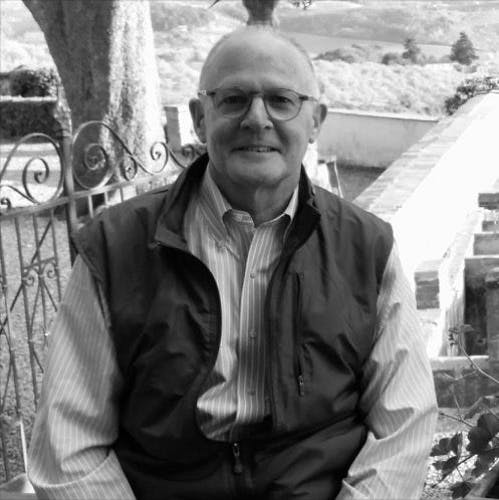
Ep. 374 Steve Raye U.S. Market-Ready | Plan Your Work, Work Your Plan Part 3
Plan Your Work, Work Your Plan Part 3
Episode Summary
Content Analysis Key Themes and Main Ideas 1. Strategies for wine and spirits brands to enter and grow in the US market. 2. The importance of strategic planning and resource concentration for small/new brands. 3. Effective marketing tactics, including in-store promotions, trade shows, and consumer engagement. 4. Gaining and managing distributor attention and support. 5. Utilizing analytical tools (SWOT analysis, behavioral targeting) for market understanding. 6. The power of trade marketing and leveraging technology (e.g., label recognition) for sales. 7. The ultimate responsibility of the brand owner for brand building. Summary In this episode, host Steve Ray, author of ""How To Get US Market Ready,"" concludes his discussion on ""plan your work, work your plan"" for wine and spirits brands entering the US market. He emphasizes that small and new brands cannot compete with large brands' advertising budgets and should instead focus on a few measurable, effective activities like in-store tastings. Ray details various aspects of marketing plans, including securing US ratings/reviews, strategic trade show participation, and leveraging social media to encourage personal recommendations. A significant portion of the discussion is dedicated to gaining ""disproportionate"" attention from distributors by bringing value, such as new accounts, creative programming, and sales incentives. He also covers thinking tools like SWOT analysis, defining target audiences based on behavior rather than demographics, and the growing importance of label recognition technology. Finally, Ray stresses the critical, yet often overlooked, role of trade marketing in securing distributor interest, reminding listeners that brand building is ultimately the brand owner's responsibility. Takeaways - Small/new brands should concentrate limited resources on a few highly effective and measurable marketing activities. - Creative in-store tastings can build both consumer sales and retailer relationships. - Securing US-relevant ratings and reviews is crucial for market credibility. - Active engagement and strategic questioning are vital for maximizing trade show value. - The most powerful marketing tool is getting people to tell your brand's story in their own words to their friends. - Target marketing where prospects are already gathered (e.g., niche industry websites) is highly efficient. - To gain distributor attention, demonstrate value by bringing new accounts or offering creative, mutually beneficial programs. - SWOT analysis helps identify internal strengths/weaknesses and external opportunities/threats. - Behavioral patterns are more indicative for target audience definition than traditional demographics. - Label recognition technology offers a unique opportunity to engage consumers at the point of sale. - Trade marketing is an effective, cost-efficient strategy for garnering distributor interest. - The brand owner is ultimately responsible for building the brand, not the wholesaler. Notable Quotes - ""Experience is what you get when you don't get what you want."
About This Episode
The speakers discuss various strategies for promoting a product, including using media, crafts, and influencers, as well as working with retailers and wholesalers. They recommend targeting specific markets and creating sales incentive programs that meet the goals. The importance of creative programming, social media, and trade advertising is emphasized, along with the need for a strategy for getting ratings, reviews, scores, and points. The success of Barcon Van Brooklyn and the world of spirits is also discussed.
Transcript
Thanks for tuning in. I'm Steve Ray, author of How To Get US Market Ready. And in this podcast, I'm going to share with you some of the lessons I've learned from thirty years in the wine and spirits business, helping brands enter and grow in the US market. I've heard it said that experience is what you get when you don't get what you want. My goal with the book and this podcast is to share my experience and the lessons learned from it with you so you can apply those lessons and be successful in America. So let's get into it. Hello, and welcome back. Today, we conclude our discussion on plan your work work your plan with the following topics. Marketing plans, distributor activation plan, thinking tools like SWAT analysis, target audience definition, and trade marketing. And number nine, marketing plans. The key operating word here is plan. While the big brands may be doing advertising PR adds spend on social media, e commerce, incentive programs, distributor trips, etcetera. Small and new brands simply cannot afford to play that game. Far better to identify the few things that you can do really well, and concentrate funding and other resources against them. And then set quantitative objectives and measure the heck out of them in real time. If something is working, feed it. If it's not working, kill it. What I mean by that is focused resources on the points of leverage that drive the key metric that matters, sales. Some of the tried and true aren't the sexiest, like in store tastings, but the fact is they work. New brands need to find ways to own an in store tasting that not only generates consumer sales, but also gets the retailer to recognize that your promotion is helping them by getting customers to spend more money per visit, to come in more frequently, to tell their friends about the unique program in that particular store, and getting more traffic in their store and bring in new customers. You know, as an aside, I'm working with a craft distillery in Austin, Texas, and they managed to somehow have the manager of the local total wines and more store fall in love with their brand. And through that program, they did these custom displays, which were great. And the guy gave him three separate locations in the store to do these things. And they did things like they put on clown costumes, and they played music, and they did a bunch of things. Which may sound hokey, but I gotta tell you it built and established that brand in that market and made all the difference in the world. Beyond in store tastings, do your homework to find out what programs work best in each market or store. And then develop executions that can build both your business and the business of the retailer on premise account. Marketing plans should address the following. To the trade at two levels, both distributor senior and line management, as well as street level sales, getting US relevant ratings and reviews. And there are several that accept products that are not currently sold in the United States. One is the ultimate wine challenge, the ultimate spirits challenge, the New York International Wine and Spirits Challenge is San Francisco beverage Testing Institute, PTI, which is tastings dot com, and also Texxon for wines and for the Psalm community. I, again, publish a list of these competitions on my w w w dot bevology inc dot com website. And if you click over to blog, you'll see an updated chart of deadlines for upcoming competitions. Next is trade show participation. Which one should you be participating in when and why? How should you staff it? How much should you spend? How can you maximize the value of exhibiting? One of the things that really bugs me is going to a trade show where somebody spent thousands and thousands of dollars to be at, and traffic is slow. So they're looking at their cell phone, which means they're looking down, they're not looking up, they're not making eye contact with people walking by, and all the people that they made spend all that money for to go and talk to, they're basically saying, I don't wanna talk to you. So my recommendation is when you're working a booth, work it. Means, get off your butt, stand up, better, stand to the side over, even in front of it, and ask people questions about their business, not closed end questions like do you wanna try my product? Because they'll probably just say, no. I'm just looking. Better to say, what type of products are growing in your store? What is the new trend in your area? Engage them in conversation, get them talking, then you can get them to taste. Consumer awareness, engagement, and action. By action, I mean, brand call on premise. And if you're not in distribution, the best thing you can have is consumers walking into store and asking, do they have your brand? I guarantee you that the second or third or fourth time that question gets asked. That retailer is gonna put that product in. And if you can come up with creative ways to make that happen, you can be very successful. Some of the tools that you can use are traditional ones like advertising. We spend a lot of money, public relations, still costs money, not as much as advertising, but also carries the third party, authentication that's so valuable. And then also social media. And I divide social media into four different categories. One is platforms such as Facebook and Instagram. The second is tools. Mind searcher is an example of that. So it's Vivino for that matter. Sites, and that would be liquor dot com and Vivino, and then apps. Mini bar delivery, and drizzly. Each of them function differently, and each of them can be leveraged and should be leveraged in different ways. Not all require an advertising budget. That said, if you're going to be using Facebook, it really demands that you do an ad spend. You're not gonna be very successful with Facebook book without spending money. So the next point I'd like to make is about social media made simple. I alluded to this earlier. The goal is real simple. Get people to tell your story in their words, to their friends. Personal recommendation is the most powerful tool to build a brand. Has been is always will be. So figure out creative ways to get people to tell your story in their words to their friends. And that's why the the concept of influencers on social media has grown so much. But I think what we're going to see, in fact, are already starting to see is when you pay somebody to do something, it's gonna be transparent. If someone's making recommendations about a brand and being somewhat disingenuous about whether they're getting paid, it smells. Your best thing is to find ways to legitimately get people to share with their network, the things they've discovered about you. The second piece of that after get people to tell your story and their words to their friends is go where your prospects are already gathered. Here here's what I mean by that. Look at Vinepere, in the case of wine. Vinepere says it's got twenty million interactions with customers or with people per month and five million people visiting the site, the traditional site every day. Plus they have newsletters and a bunch of other things. The cool thing about that is everybody, all five million or twenty million, whatever number you wanna use, you know, are qualified. They're interested in wine. They're so interested. They've actively gone to that place. So you wanna talk to them in the place where they're at, where they're thinking about wine, and contrast that to advertising in a magazine. Say you advertised in Esquire magazine. What percentage of people who read that drink wine or spirits? Certainly less than a hundred. But in the case of these sites, apps, platforms, and tools that I was talking about, that number is almost a hundred percent. So the best place to do your marketing is where your prospects are already gathered, don't make them come to you. Because they're probably not gonna come. And then e commerce. You're gonna need some personnel for back office as well as marketing and sales. It's not something you can do your own in your in part time. There's a lot of blocking and tackling required for this. Two key things is getting yourself listed in beth media and seven fifty, participating in importer portfolio or distributor holiday shows, a bunch of things like that. But one of the most important things we recommend is to make sure that you get at least one retailer in each market that you're in that is very active in e commerce because the number of states in which retailers can sell in trust state within the state, something like thirty five or forty. And the number of states where retailers can sell inter state between states is significantly less than that. So the strategy is if you have an e commerce retailer in each of your states, you effectively have expanded your distribution into all those states, even when you don't have a distributor for traditional distribution. Which leads us to the next point, distributor activation plan. Your goal is to get a disproportionate amount of time and attention from the distributor. I'm gonna repeat that one again too. Your goal, it's pretty simple, is to get a disproportionate amount of time and attention from the distributor. When I say disproportionate, I mean, they don't wanna give you the time because you haven't demonstrated that you're creating value for them, meaning easy sales and high margins. So you have to work at it. And here's a couple of ways to do that. One, be the squeaky wheel. But bring a quid pro quo to the party as well. And the best way to accomplish that is to bring new accounts to their business. That will not only get their attention, but their respect. And we've done that with a number of clients. And I have to tell you, you go to a distributor and say, I've already got some significant retailers in the market who are selling this product. We've solved the distribution thing, but we want you. And hear their names, you can go in and see it. That gets people to say, yes, I'll take the meeting. Second, come with creative programming that includes training. Leveraging the presence of brand ambassadors or local market sales in store bar, restaurant promotions with a focus on ASP, account specific promotions. And that means instead of trying to do a branded promotion that is all about you, find ways to create promotions that fit into the bar's theme. Maybe a bad example, but there was a bar. I think it might be coyote Grell or something in New York City. Where the stick was they if somebody came in wearing a tie, they would cut off the tie. So it would make sense to do a program with ties. It kinda defines what they're all about, and then you can align yourself with that account. Third point there is develop sales incentive programs that meet both your goals. And fit with the wholesaler system. Make sure that the wholesaler is part of the process in creating and fine tuning these programs. We often find that when you come up with a sales incentive or trip or the incentive program, and try and make yours fit into theirs, they're not gonna accept it. It's it's gotta work within their system. So your best bet is to work directly with your distributor, and the best way to get them to return your phone call is to say this very simply. Hey, I've got some money I want to invest in the market. We set up a meeting to talk? Let me repeat that one too, because it's always worked for me. When I needed to get attention from sales guys when I was working at Diageo, and I had a very small, unimportant brand, I would lead off by saying, Hey, I've got some money I wanna spend in your market. Call me back. I always got called back. And last, I talked about account specific POS point of sale materials. Most distributors can do this for you, but a creative brand ambassador or local market rep can often do a much better and much more creative job. Give them the freedom and flexibility to be creative and the approval. Right? Allow them to do that. And we know for a fact that account specific POS works, shelf talkers, bottle neckers, case cards, shelf danglers, and even, or perhaps especially shelf talkers written by store staff. Take a look at total wine. They've institutionalized that, and it works great for them. And especially in terms of promoting their winery direct program. So if you've got this crazy sales guy who keeps coming up to you with ideas, put a few to work. Try them. See if they do work. You will find that that guy or woman who is most excited about making something happen, has the germ of a good idea. And if it's not correct on its own, you can certainly work with it and improve it. This has happened to me a lot of times. And I wish I was quicker to pull the trigger when somebody else had come up with a great idea. I just didn't recognize it as such in the beginning. And think about other local programming from radio remotes to food fairs, to partnerships with other local stores, that may not be able to sell beverage alcohol, but are relevant to the category. If you're selling a cabernet sauvignon portfolio or wines that go with meat, maybe there's a high end butcher shop in town that you can do some co promotion with. And then in market sales support. As we've said, it's expected. So even if it seems at first glance unaffordable for you to have in market sales support, put some creative thinking behind how you can provide that service. Remember, at the end of the day, it's the brand owner's responsibility to build the brand, not the wholesalers. And I've seen some really, really great creative ways, and it's gotta be creative. It's not something I think that you can delegate to an agency. It's gotta be from somebody who has the fire in their belly. It's a true salesman that's dragging a bag and selling to retailers and has come up with an idea that he knows works or he has found works. So number eleven on this list of thirteen, thinking tools, like a SWAT analysis. Yeah, I know it sounds like a lot of work. And in fact, it is. The purpose of a SWAT analysis, SWAT meaning strengths, weaknesses, opportunities, and threats is to help identify factors that are leverageable and exploitable. Simple examples include getting involved in the Grooney week for a new gin, or taking advantage of the Gamaro Russo tour for award winning Italian wines. Or programs that are funded by the various regional generics, as we call them, consortia, conseils, consejos, and the like. And like the Food and wine promotion that the Italian trade commission has done in the past, was a big trade push by a whole country. It's like formula one racing. If you can get in the slipstream of the car in front of you and get pulled along with him, you move faster and expend less energy money on the way. And here's a quick tip. I learned that helped me when working with SWAT. Strinks and weaknesses are internal. Opportunities and threats are external. Let's move to target audience definition. Here's a simple way to think about defining a target audience. Behavior rules. What I mean by that is the days of demographics driving targeting are long gone. What people actually do is more indicative of their future action or interest than anything else. More than where they live, whether they went to college, how old they are, or even what their household income is. These are certainly important facts, but on their own demographics is just not enough. And there's one tool that transcends anything else you can think of, and that's labeled recognition technology. A number of sites are using it now, wine searcher and Vivino, and more are incorporating it every day. But here's the real opportunity. If someone takes a picture of your label, you now know two things about them. One, they're interested in their product. They've taken some action. And two, they're holding it in their hands. So the smart marketers of the future, which I believe are people who are listening to this podcast and reading the book, will find ways to identify and communicate with those people at the precise moment in time that they can buy the product. If they're in a liquor store and they're holding a bottle in their hands and they take a picture of it, think about how you can align with that store to make label recognition turn into a sale. And finally, in the section, on trade marketing. We think it's absolutely critical, and it's one that can be a real point of difference that makes a difference. A lot of brands don't do it, either because they're not aware of it, or they just don't think about it because it's not as sexy as consumer marketing. But trade marketing can be incredibly effective. It is so much more powerful to have a distributor call you and say, Hey, I read about your brand. I'd like you to come in and present it to me than it is to badger them to have an appointment. So part of that is having a strategy for getting ratings, reviews, scores, and points. One of the points I I like to make about points is simply this. It's the first question you're going to get asked because whether it's an importer, distributor, or a retailer, or on premise operator, or Samuel, If they ask that question and you say no, they can then end the conversation. Oh, you don't have any points? Come back to me when you do. But if you do have points, you can preempt the conversation by leading with that. It's not the definitive thing, but it gets you past the first no. Other tools that you can use are trade advertising and PR, incredibly effective and cost efficient, and then participating in events, and not necessarily your own events, but events that other people spend money on. I love the phrase, find ways to spend other people's money. So in the case of spirits, Barcon Van Brooklyn has become this big thing in New York. If you're a craft spirit producer or a small or a new entry, That's where you wanna be. That's the cutting edge of what's going on in spirits and mixology in the New York market. And it's not that expensive, and it also carries the international potential of the Berlin bar, Convin. Think about those. At Bevology Inc, we've developed a proprietary planning program that incorporates the contents of this chapter under the brand name Get US Market Ready. Cool name. Right? We found that the usefulness is not just in the planning discipline itself. It's also in the range of the subjects discussed. Each one is a result of a success or a lesson learned the hard way from projects we've done in the past, which helps our clients avoid repeating the mistakes. Others have made before, again, for the first time. Well, that's it for today. I don't want to take up any more of your time. Next week, we'll continue with Working your plan. Join us then for how to get US market ready presented by the Italian wine podcast. Hi. This is Steve Ray. Another one of my favorite quotes actually is on the chalkboard at the headquarters of Verona Ferre, patience is a waste of time.
Episode Details
Keywords
Related Episodes
Ep. 544 Ryan Malkin | Get U.S. market-ready with Steve Raye
Episode 544

Ep. 509 Giuseppe LoCascio | Get U.S. Market Ready with Steve Raye
Episode 509

Ep. 504 Stevie Kim Interviews Steve Raye | Steve Raye How to Get U.S. Market Ready
Episode 504
Ep. 454 Steve Raye U.S. Market-Ready | Scores Matter
Episode 454

Ep. 389 Steve Raye U.S. Market-Ready | Find the Right Import Solution Part 1
Episode 389

Ep. 369 Steve Raye U.S. Market-Ready | Plan Your Work, Work Your Plan Part 2
Episode 369