
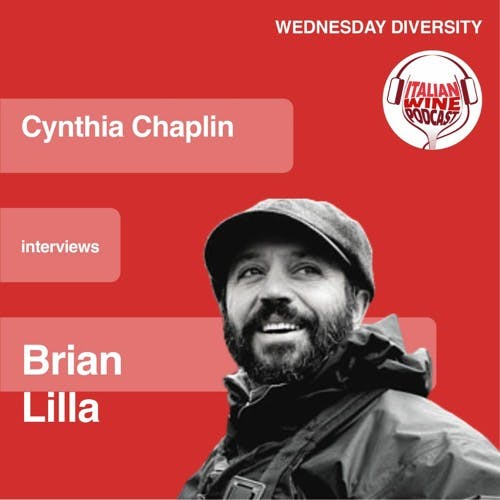
Ep. 1152 Brian Lilla | Voices With Cynthia Chaplin
Voices
Episode Summary
Content Analysis Key Themes and Main Ideas 1. The Pervasiveness and Impact of Glyphosate (Roundup): Discussion centers on glyphosate as the most widely used herbicide globally, its presence in various environmental and biological samples (air, water, soil, breast milk, wine, food), and its classification as a human carcinogen by the WHO. 2. Health and Environmental Consequences: The podcast highlights the link between glyphosate and serious human health problems (cancer, neurological diseases, endocrine disruption, birth defects), and its detrimental effects on soil health and biodiversity, particularly in major wine regions like Napa. 3. Corporate Influence and Regulatory Challenges: It explores how powerful companies like Monsanto/Bayer influence regulatory bodies (e.g., US EPA) through lobbying, leading to a disconnect between scientific consensus and official safety claims, and hindering widespread bans. 4. Vulnerability of Farm Workers: The discussion addresses the particular risks faced by migrant farm workers due to direct exposure and lack of legal resources to seek justice. 5. Greenwashing in the Wine Industry: The interview exposes how ""green certifications"" can be misleading, allowing continued, albeit slightly reduced, use of harmful chemicals. 6. Solutions and Sustainable Alternatives: The podcast emphasizes the viability and success of organic, biodynamic, and regenerative farming practices as effective alternatives to chemical use, demonstrating that high-quality production is possible without Roundup. 7. Activism and Consumer Driven Change: It highlights the role of documentary filmmaking (""Children of the Vine"") as a tool for awareness, and the power of local bans and consumer demand in driving systemic change in agricultural practices. Summary In this episode of the Italian Wine Podcast's ""Voices"" series, host Cynthia Chaplin interviews award-winning documentary director Brian Lila about his film, ""Children of the Vine."" The conversation delves into the alarming prevalence and impact of glyphosate, the active ingredient in Monsanto's Roundup, particularly in California's Napa and Sonoma vineyards. Brian reveals that Napa County has historically high cancer rates, which prompted his investigation into the chemical. He explains that despite the World Health Organization classifying glyphosate as a human carcinogen, the US EPA still deems it safe, largely due to the heavy lobbying influence of companies like Monsanto and Bayer. The discussion highlights the shocking statistic that 43% of Napa vineyards used Roundup in 2018, amounting to 33,000 pounds of glyphosate. The interview also uncovers the issue of ""greenwashing"" in wine industry certifications, where minimal reduction in chemical use qualifies for ""green"" status. Brian underscores the heightened vulnerability of migrant farm workers, who often lack legal recourse. Crucially, the conversation shifts to solutions, showcasing successful organic, biodynamic, and regenerative farms that produce world-class grapes without chemicals, proving it's economically feasible. Lila discusses the film's community outreach campaign, which aims to educate and empower consumers and local communities to demand change. He shares his personal motivation as a parent living in Napa and his hope for a future where sustainable practices prevail, driven by increasing consumer awareness and local legislative action. Takeaways - Glyphosate (Roundup) is a persistent and problematic herbicide linked to severe health issues and environmental degradation. - Corporate lobbying in the US significantly obstructs regulation and bans of harmful chemicals like glyphosate. - Napa County, a leading wine region, has a high incidence of cancer and extensive use of Roundup in its vineyards. - ""Greenwashing"" is a misleading practice in the wine industry that can obscure continued chemical use. - Organic, biodynamic, and regenerative farming are proven, cost-effective alternatives to chemical-dependent agriculture. - Soil damaged by glyphosate can begin to heal within 3-5 years with conventional farming, though long-term persistence and drift remain concerns. - Consumer demand for organic products and local bans are key drivers for industry-wide change. - Documentaries like ""Children of the Vine"" play a vital role in raising awareness and fostering community dialogue on environmental health issues. - Educating younger generations about sustainable practices is crucial for future positive change. Notable Quotes - ""Napa County has or at that time had the highest cancer rates in children and the second highest cancer rates in adults."
About This Episode
The Italian Wine podcast, YF AM, is introducing a new initiative called YF AM, which encourages listeners to donate to the podcast network. The podcast's founder, Brian Lila, is interviewing guests about the potential impact of Roundup on health and the pressure on companies to comply with regulations. The industry's involvement in Roundup is a combination of both organic and greenlaning, and the importance of addressing the issue of Roundup use is highlighted. The potential negative impact of Roundup on the industry's safety and health is discussed, along with the need for more attention and money to address the issue. The community is responsible to address issues such as Roundup use and educate parents and children on their potential for growth.
Transcript
The Italian Wine podcast is introducing a new donation drive this month. It's called y m I f AM. We are encouraging anyone who tunes in on a regular basis to send us your ten second video on why you are a fan of our podcast network or a specific show. We will then share your thoughts with the world with the goal of garnering support for our donation drives Italian wine podcast is a publicly funded sponsored driven enterprise that needs you in order to continue to receive awesome pre wine edutainment. Seven days a week, we are asking our listeners to donate to the Italian wine podcast. By clicking either the go fund me link or the Patreon link found on Italianwinepodcast dot com. Remember, if you sign up as a monthly donor on our Patreon, we will send you a free IWP shirt. And a copy of the wine democracy book, the newest mama jumbo shrimp publication. Welcome to the Italian wine podcast. I'm Cynthia Chaplin, and this is voices. Every Wednesday, I will be sharing conversations with international wine industry professionals discussing issues in diversity, equity, and inclusion through their personal experiences, work in the field of wine. If you enjoy the show, please subscribe and rate our show wherever you get your pods. Hello, and welcome to voices. Today, I am so glad to welcome Brian Lila to the show. He's an award winning director with over twenty years of experience in documentaries, and his work covers incredibly interesting topics such as environmental and lgbtq and social justice issues, And his films include investigative documentaries like Patagonia rising, which helped inform Chile's final decision against building a series of five huge dams, and an intimate tale of two bondage models, So Brian does a lot of pushing his viewers outside of their comfort zone with stories that focus on marginalized communities and really impact people's lives for the better. So the reason we're talking to Brian today is because he recently directed children of the vine, which is a feature documentary that investigates Monsanto herbicide round up and its impact on public health and the environment, particularly in the vineyards of Napa and Sonoma. So Brian is in California. Thank you so much for making time to talk to us today. I said to you just before we started, recording, but when I first reached out to you, I was utterly horrified when I read the notes from children of the vine. I I grew up in the States years ago in Ohio. I thought the Roundup scandal was way past, but, let's talk about what you've discovered in California because at the center of of the documentary and sort of this big controversy is glyphosate, the primary active ingredient in Monsanto's Roundup, which is shockingly the most widely used herbicide in the world. And it's been identified as a cancer causing agent And it's now found in air, water, soil, breast milk, baby food, wine, and eighty percent of food grown in the United States. So a lot of serious human health problems, including neurological diseases and endocrine disruption and birth defects have been connected to this chemical, but the full range of the health effects is still not even known for sure. So what's going on? What's what is happening? Why is this in use? What's the story? Well, the story is that my wife and I moved to Napa, in two thousand nine, and we we wanted to get outside the city to start a family and we had a daughter. And then the year after we had a daughter, I found out that Napa County has or at that time had the highest cancer rates in children and the second highest cancer rates in adults. And that freaked me out. And so initially, I thought, okay, well, I'll, I'll make a story close to home about why the cancer rates are so high, but when I talked to an oncologist, they set me straight and said, you know, that's a ten year study that costs tens of millions of dollars. But what you can do is is use common sense. Look at what the major industry is in your area. And look what the primary carcinogens are. And when I looked into it, you know, wine is the number one industry in Napa County. And when I looked at pesticides and herbicide loads, they've been going down over the last thirty years. But the one that's gone up is round up. So my story shifted from being a story about why cancer rates are so high to what is round up and how's it impacting public health? It's it's just shocking to hear this. I mean, we we spend a lot of our time in the wine sector these days or I do because, of course, it's my sector talking about sustainability and organic and biodiversity and to hear that this is still happening in, you know, California of all places, which is a leader for these other, issues. I'm I'm just astounded. And I did some reading before we got on the phone together. And in two thousand and fifteen, the World Health Organization's International Agency for Research on Cancer classified glyphosate, glyphosate, the active ingredient in Roundup as a human carcinogen, but the US environmental protection agency still maintains that it doesn't pose any risk to human health as long as you use it according to the instructions, blah, blah, blah. A lot of scientists don't agree with this. So what's happening with the research? Why is the government not forced to ban this chemical? You know, with over twenty countries around the world have already banned it and even Italy, who's usually pretty slow to the party on these things, has legislation against it. So why not in the USA? There's a few reasons why. I think one of the big ones is is that the EPA The Environmental Protection Agency approved this product roundup and its active ingredient glyphosate, and they deemed it as safe. And that was a long time ago. Right? That was in the seventies. That was in the early seventies. And so for them to go back on that, That's a big deal. In the EPA's history, they've only reversed course on five different chemicals over the last thirty years in terms of their use in agriculture. I had no idea. That's incredible. Yeah. And so that's a piece of the puzzle. And I think the other big piece on why the US hasn't completely, done a countrywide ban on it is that Monsanto and Bear Pharmaceuticals have such heavy influence in terms of their lobby groups. You know, so that's a big part of what we're going up against. Yeah. Of course. I mean, Bayer is around the world, a very wealthy and very powerful company. And and we know that they already had to pay out eleven billion dollars in twenty twenty to settle thousands of cancer claims that were linked to the the herbicides. Yeah. And a lot of the people who claimed these had jobs in agriculture and maintenance and landscaping and stuff like that. So I'm very interested in what's happening particularly in California because the group that was excluded from all those lawsuits, no surprise, is migrant farm workers who are really on the front lines, especially in our vineyards in California. So they were afraid of retaliation, losing their job, and they didn't have legal resources. So they couldn't really seek any justice or any compensation. And because they are settled, they never had to admit that the chemicals are proven to be dangerous. So how do we protect vineyard stewards from these huge corporations who just seem to have power to do whatever they want? I think the change has to come from the private sector. So I I live in Napa. I am surrounded by thousands and thousands of acres of vineyards. Over forty three percent of the vineyards in Napa use Roundup. In twenty eighteen, they used thirty three thousand pounds of glyphosate based products in Napa County. That is a huge number. Can you just say that number again? Sure. Yeah. Forty three percent of all the vineyards. In Napa County in the year twenty eighteen used Roundup or some sort of glyphosate based product. That's that that comes out to thirty three thousand pounds of glyphosate used in our county. And that's a small county when you think of the rest of the world. It is. And I think where the change has to come within the wine industry are the owners of these vineyards. Because there's not a ban in place, they have to come to the realization that this is dangerous. It's not good for their wine. It's not good for their soil, and it's not good for the health of their workers or the community. And the solutions are there because, you know, we have some wonderful organic biodynamic vineyards here in Napa County and in Sonoma County that are producing, you know, you know, county average tonnage every year And, you know, these are world class grapes, and they're doing it at the same cost as conventional farmers. So I think the change will occur once the vineyard owners and the management companies of these vineyards realized they don't need to use Roundup. And a big piece of this puzzle is that in the United States, we have these Land grant universities. These are universities that are the big ag programs in the US. And a lot of these programs are endowed by Monsanto bare, Dow Chemical. And so they're pushing their chemical agenda through these university programs. So these guys are basically the NRA of of, herbicides. Exactly. Because I talked to Viticultrists here in Napa that went through the UC Davis Viticulture Program and they just praise how great Roundup is. But it's interesting, but they wouldn't go on record. They wouldn't go on camera and tell me this. And I think a big part of that is And you know this better than I do is that brand recognition in the wine industry is huge. You know? Oh, absolutely. And and, of course, reputation is based on that. And, you know, the bottom line is the sales. Based on both of those things. Yeah. But more and more people are, you know, be becoming enlightened to how much roundup is being used. And what we just encourage people is to, you know, just ask when you go wine tasting, ask the vineyard owners, you know, or the people in the tasting room, do you use roundup, you know? And are people honest about that? I mean, when you were filming the documentary, I assume that you went around and and spoke to people. I'll we'll talk about that in a second, but our people honest about it or are they, you know, ashamed about it now? No. They I I feel like people have been very honest with me about it. Unfortunately, one of the things that's happening in Napa County, and and I believe Sonoma County as well is that there's a lot of greenwashing happening within the wine industry. This is a fantastic term, and we we hear it a lot. And I don't think people explain it very well. Can you just tell our listeners what you mean by greenwashing? Sure. I'll speak specifically to what happens in Napa County. We have a green certification program for vineyards, and their policy around the use of Roundup is that a vineyard can get or a winery can get green certification if they use Roundup as long as they're reducing their use of roundup by five percent. So for easy math, if a vineyard or winery is using one hundred pounds of Roundup a year, the next year, they only need to use ninety five pounds. That's just that's insane when you think about it. It's a thing because when you do the full math on it, how many years would it take before they have completely stopped using Roundup? You're probably better at math than me. So let's hear the response. I I haven't even figured it out because you're always diluting it by five percent. I mean, it's gonna be over a decade at least. Exactly. And to me, that's ridiculous, you know. Sure. Because during that decade, we've got pregnant women, young children, people, you know, in the farm fields and in the vineyard getting exposed to this stuff. Yeah. Exactly. So and and there's this whole incentive because there's a belief system that weeds are detrimental to your your vine your vines. And that they're competing for the water that the vines are competing for. And there's truth in that. But it's, like, how do we deal with it? And one of the things that we did with the film is you know, we look at all the problems that Roundup can cause, but we also look at the solutions. You know, one of the, vineyards that we went to was frogs' late winery. And we met with Frank Leeds. They're, he is the lead viticulturist, and they farm over two hundred acres of vineyards in Napa, organically. Which is amazing. It's it can it just goes to show. It can be done. It can be done at scale. And that's the important piece here because, you know, when I talk to people who are very cynical about the movie that I made, they say, oh, you you met and you met with a a vineyard owner who only farms seven acres. Well, I'm also meeting with vineyard owners who own two hundred acres and more. And the other piece I wanna put out there is that when you look at Napa, prior to the sixties, the entire valley was it was all organically grown vineyards. Exactly. And and that's my next point is the expense of this. I mean, part of why it's easier to ban it in in Italy is because most vineyards in Italy don't have the money to buy the stuff. So, not only is it better, you know, environmentally and also better in terms of talking about organic wine, but you know, Italian vendors can't afford to pay for it. So it's almost this, you know, very, very, mixed blessing of having come up with this chemical that, you know, prevents weeds, which as you said, there's a lot to be discussed about whether or not weeds are beneficial because We have a lot of them in our vineyard tier, and there's a lot to be said for they are beneficial, but it was very inexpensive for big winery owners to buy roundup and and dispense with weeds and be done with it. And here, we couldn't afford to do that. So other methods had to be brought in. So There's something to be said for being poor sometimes, I guess. Are you enjoying this podcast? Don't forget to visit our YouTube channel, mama jumbo shrimp for fascinating videos covering Stevie Kim and her travels across Italy and beyond, meeting winemakers, eating local food, and taking in the scenery. Now back to the show. Yeah. And I think another part of the equation we need to examine is short term versus long term, benefits. And I don't see any short term or long term benefits to round up because with the long term, were degrading the soil. And I have a friend of mine who's a French Viticulturist. He was trained in France, came to Napa, worked here for twenty years. And then he left three years ago because he said the soil is just it's gone in certain regions. And so he moved on to the Wlamet valley up in Oregon because of how much chemical use has been happening in Napa Valley. I think economically, you know, we're we're kind of shooting ourselves in the foot here? Well, it's it's a question that you've just opened the door. I I was planning to ask you, and I'll ask it now. I mean, how do we repair the damage done to the soil? How do we go forward? Is there some sort of antidote to round up in the soil? You know, is there a response to this, or do we have to leave fields fallow and let the earth repair itself? I mean, I I am not a chemist quite clearly, but I'm really interested in how we undo this damage that we cost. Yeah. And and I agree with you that I'm not a farmer. I'm not a toxicologist, but what I do is I go and talk to the experts. And what they're finding is is that you can heal these vineyards. You can heal farms. One, just by stop using it. And then there's this whole transition period of figuring out what are the appropriate cover crops that we bring in? What are the native you know, plants that can grow, you know, without being watered, in the vines and can be beneficial to the soil. Or what are the animals that we can bring into the vineyard like sheep? And by them, pooping in the vineyard, not having to spread as much compost. And for the farmers that I talked to that have made that transition from conventional farming to organic, you know, they start seeing the the soil help really start healing within three to five years. And there's in California, there's actually incentives through organizations like the, what is it, the California, CCOF. California certified organic farming program where they actually provide educational opportunities and grants to help farmers transition, you know, from using chemicals to not using chemicals. Yeah. I I think we need to have a lot more of time, attention, and money directed to that because I know, you know, just from my own experience with Italian wineries, and producers here, it's not that easy to transition, and it's it can be quite costly to make that move at the beginning. As you said, there's sort of a three to five year period where, it's it can be a little bit chaotic in the vineyard, but obviously worth the effort. And, you know, it's it's amazing to think that you know, the earth can heal itself in three to five years from what amounts to, you know, fifty years of chemical damage. So that's a really hopeful moment in this discussion. Well, I I have to include something, though, is that, you know, that three to five year period is when we start seeing the soil start to heal itself, but it isn't completely healed because they're finding even in organic wines they're finding glyphosate, and these are vineyards that haven't used Roundup for thirty years. So how is how are we finding glyphosate in the soil of vineyards that haven't used it for over thirty years? And so there's questions of drift. So if your your neighboring vineyard is using Roundup and then it's somehow drifting into your vineyard or is it getting into the aquifer beneath you know, beneath the soil, or does it have such a long life that it can stay in the soil for a long, you know, much longer than what Monsanto is saying? Yeah. That's that's the terrifying thought, isn't it? That really is. Yeah. But I just, you know, I I just kinda feel like as soon as we start making that shift, the better. Absolutely. I mean, do you think that there's gonna come a time when, you know, producers are going to be required to say if they use it? I mean, is that something that you foresee in California? I don't think so. You know, the ag agricultural industry in California is huge. It's one of our leading domestic products. You know, we we label GMO. We label organic. But when it comes to non organic, they don't have to label whether they use Roundup at all. Yeah. Yeah. And that's Yeah. It's it's interesting this dichotomy. As I said, the NRA of of agriculture where you have power and money behind your organization, and it prevents legislation from passing that would curtail your business opportunities. Yeah. I think one of the things that makes me hopeful though is that not only in California, but throughout the US, we're seeing more and more cities ban it ban the use of Roundup, not just in vineyards, but in the use of municipal calities, so on roadways and schools or on, you know, city maintain properties. Yeah. So we last year, we had the first statewide ban, the state of New York banned the use of Roundup or any glyphosate products in the use of New York. And in the US, that's usually an indication that eventually it will go federal. You know, it starts with these very local city wide bands, then it goes county, then it goes state, and then eventually it gets on to the, you know, the doorstep of the, you know, federal regulators. And we, you know, we might get there. It's going to take a while this this is a long fight. No. Absolutely. But it it's interesting to hear that that is happening, and that the pervasiveness of it is being addressed even if it has to start small, you know, it's it's gonna go somewhere. So I'm I'm very interested in that. And it's it's definitely true to say that, you know, children of the vine is not doom and gloom. You you were sort of solution driven while you were making the movie. Let's just talk about it. I mean, you you moved to Napa. You discovered this, and I know there's this huge rate of child cancer in California, the biggest in the nation, if I'm not mistaken. And so you were inspired. And what happened? I mean, how tell me a little bit about the making of the documentary because I know it sort of debuted at Sonoma International Film Festival. So I wanna know, like, a little bit about who you talked to? How did this get going in your head? And then how did you drive it forward? And where are you gonna take it now? Sure. Well, with all my documentaries, especially these big environmental ones, I just reach out to the experts. You know, I go to the organizations that have reputable science, reputable legal, you know, guidance. And so I reached out to, like, NRDC, the Natural Resources, Defense Council, the center for biological diversity. And this is before I even started recording and just started getting gathering information, and I always ask them to say, well, who are the scientists that that I should talk to? And so I narrowed it down. I talked to doctor Nathan Donnelly at the center for, biological diversity who has done years and years of research on pesticides, and its impact on both the environment and public health. And then, you know, I went after, Carrie Gillum, who is an investigative journalist who's been studying the, the ag industry and GMOs and Roundup. For over twenty years. And so I just that that's my method. I just go to the experts, and then I got on the front lines of the farms. You know, like I said before, none of the conventional farmers in Napa would talk to me. So I just went to some big farms in Missouri who, you know, these are like three thousand acre farms that are using, you know, atrazine round up, two four d, just some really horrible chemicals, but You know, they're willing to talk to me about their use of these chemicals on three thousand acre farms, farming wheat, corn, soybeans. And to me, these are the people that are really at the forefront of food production in our country. And they're wonderful people. It's just that, you know, their education has been at these Land Grant universities that are proponents of using Roundup and all these other chemicals. And then I reached out to some farmers who, one of them, Terry McCall, whose husband died of non Hodgkin's lymphoma, another farmer in Bakersfield, which is the central valley of California, who now has stage three non Hodgkin's lymphoma, and they told me about their experience. And and so, you know, one thing leads to another. And then I just went after, I, you know, asked all these questions about, well, what are the problems with Roundup and why? But then I'd started asking, well, what are the solutions? And it was right there, you know, the biodynamic, the regenerative and organic farmers. And so that's what I did. I highlighted one biodynamic vineyard, which is Littery vineyards in Sonoma County with Ted Lemon. I talked with Frank Leads at Frog Leep winery, which is a all organic dry farm wine, and then I went to a regenerative farm that farms vegetables and fruits in Sonoma County, and that singing Frog's farm. And it was so simple when they walked me through what they're doing in terms of their farming practices and their yields are are incredible. And then the last piece of the puzzle was, well, what about all these cities that are using Roundup to maintain their public parks, their public spaces, their schools. And I found out about found out about a great program called nontoxic neighborhoods. And the executive Kim Kante is in the film and just talked about how they developed a whole playbook that they've helped over one hundred cities throughout the world transition away from Roundup to organic based land management practices. So so all the answers are there and that's what I end the film on is hope because if I were to like bring up all these questions about, you know, the problems with Roundup, but with none of the solutions, then I don't feel like I'm doing my job as a storyteller. No. Exactly. And I mean, one of the things that I love about, everything I saw while I was researching you was how exactly that hopeful and solution driven all of your documentaries are. And in this case, how much of this change that you saw with various producers and and farmers do you think is consumer driven. I mean, we know that young people are drinking less wine. They're much more conscious consumers. They want sustainability in their packaging. They want, bio organic and vegan in their, you know, things that they're putting into their bodies. Did did Who talked to you about that? Did anybody have anything to say about consumer driven change? No. I didn't talk to anybody specifically about that on camera. You know, one of the hardest parts of telling this story is that it it's really this Pandora's box that goes on and on and Oh my god. I can only imagine. It was a real challenge narrowing it down to what are the central themes I wanted to discuss in the movie. So, unfortunately, I had to leave a lot of things out, but I have had a lot of discussions with people around consumer driven advocacy in terms of what we ask for and or demand in terms of the food products we want or the wine or the beer, that's our responsibility. And every time we screen the film at a at a community screening, we have these panel discussions where we bring in a vertical trust, usually that's rowing, you know, organic grapes, or we bring in a health care worker or professor, people that really have the answers, and we really create this environment within the, you know, the screening setting that people feel comfortable that this isn't a witch hunt. We're not trying to take down farmers that use Roundup. We're not trying to take down hardware stores that sell it. We're just trying to say, Hey, here's an opportunity to have a discussion with people in your community. And, you know, the the question always comes up about consumers. And that's something that we can all take a part in. By asking, you know, our restaurants or asking our stores, can you carry organic wines, or can you carry organic beer, or whatever the product is that you want? And what we're finding is, is that there's been more and more demand for organic wines over the last ten years. Absolutely. And I think that's that's very true around the world now. Yeah. So I I think there is a shift. And I think you know, my hope is is that on an economic level, it can balance itself out with conventionally grown food or conventionally, you know, made wine so that, you know, somebody doesn't have to pay three dollars for a organic avocado, but they can pay ninety nine cents for a conventional one. You know, that there's a, you know, and and I'm a parent that doesn't have a ton of excess money. And I I make those considerations when I go shopping. Me too, I have six kids. Wow. Yep. So I this is very interesting for me on a personal level as well as professional, because of all of those things, which you just said. And It it's it's fascinating how what you said, I really liked that that as consumers, it's our responsibility to ask these questions. And I think, we sometimes tend to sit back and and hope that the government does its best for us, and that's not always the case. So you know, things like your documentary are really opening up that opportunity for dialogue as you said. So I'm just curious. And and this is a curve ball. I didn't talk to you about this before, but did you reach out to Mayor or Monsanto about roundup. Did they get back to you? Did you try to talk to them? I did. You know, that's a big part of the story. And you'll see it in the film. I reached out to Monsanto, and I was able to get their PR relations our PR team on the phone, and we talked for about an hour. And I was very transparent about the story I was telling of Roundup and where I was going with it. And they passed me on to their science group. And they said to me, their relations team that, you know, I'm not speaking to their lobby groups, their science groups, or their farm groups, and I told them that's why I'm calling you because we want to get your voice in the film. And after several back and forth emails, they just stopped communicating with me. And what I found out was because I talked to some other investigative journalists is that bear in Monsanto, they were just information gathering for the film. So they can be prepared for when it came out. Sure. I mean, as I said, you know, they've they've already, you know, settled a load of cases. So I suspect they're anticipating many, many more. They've already said that, you know, they're they're supposed to be removing glyphosate from their products, but they're only doing it, and and I'm quoting exclusively to manage litigation risk, not because of any safety concerns, which is pretty bone chilling when you think about it. It is. It's extremely scary. One of the most interesting parts of the discussion that I had with Monsanto is one of the first things they told me was that Monsanto no longer exists as a brand. Everything is now under the Bear pharmaceuticals umbrella. And bear, you know, they have their pharmaceutical division and then they have a agricultural division, which is bear crop sciences. So this is now all on bear because they bought Monsanto. So that's where the responsibility now lies in terms of the the decision to continue to sell it. Yeah. It's it's it's really, it's really, really surprising. Considering, you know, the years have already passed since it was, you know, pretty much agreed by scientists worldwide that it's a carcinogen. So you you finished the movie, and you debuted it at Sonoma International Film Festival, which was pretty recently. When when did it first come out? The movie came out in March. That's when it premiered at Sonoma International Film Festival And then this summer, we kicked off our nationwide community outreach screening campaign. How's that going? Where are you going? Yeah. It's going great. You know, what we're doing is is we're having these screenings Sometimes they're in movie theaters, sometimes they're in churches. We've had screenings, outdoors on the middle of a twenty eight acre organic farm. And then every time we have these screenings, we get panelists, local people in their community that can address whatever the concerns or needs are for use of Roundup in their community. And it and it just gives people an audience members an opportunity to talk with scientists, farmers, healthcare workers. And so that's the first part of our screening campaign, and we're going to be doing this for about a year. The other part of that campaign is that we're getting it into colleges and universities. So this Wednesday, the film is gonna be screening at the Evergreen State College in Washington is part of a food justice symposium. On Thursday, it's going to be screening at the University of Syracuse in New York for a class. So those, you know, those are big deals because we're able to get, you know, future farmers or future scientists or future lawyers really, some insight on round Absolutely. I mean, please tell me that you are planning to expand this, viewing potential into Europe and beyond. We are. And a big part of this campaign that it is that it's community driven people in London have reached out to me saying we wanna have screening in London. I've had farmers reach out to me from Nova Scotia saying we wanna screen this in Canada. And so any community around the world can reach out to me through the project website, which is children of the vine movie dot com, and then I help those communities organize a screening. Before I let you go, I just wanna ask you two things. And the first one is a little personal. Because you've been so open with me. I feel like I'm just gonna take advantage of you. So please forgive me. Go for it. But, you know, you you live in Napa. You're a dad. How do you feel personally, like, on an everyday basis? You know, it this seems like the most infuriating situation and and difficult to combat. And, of course, you know, we have other things to worry about in California. You've got fires. You've got crime. You know, there's there are other things going on. So Some might say this isn't the top of their list, although I now think it probably should be. How are you personally sort of staying positive and promoting everything you learned while you were researching children of the vine and and just having a happy normal family life with your partner and your children. That's a good question. And, you know, I do still have concerns about the amount of Roundup used in our community where our houses were about, I would say, a quarter mile from the closest vineyard, which I don't feel like that's the safest buffer zone, you know, because there's just so much of it here in the valley. But where I do feel we have a little bit of protection is that My wife and I make a very conscientious effort to buy as much organic as possible and also grow some of our food. And so that brings me a little bit of relief. And then the other piece of that puzzle is that we put a really good reverse osmosis filtration system on our water system in the house. So all the water we drink and all the water we use to cook with and wash our vegetables, we know it doesn't have all these other chemicals besides Roundup in it. And I'm imagining that you're, you know, sort of educating your kids. I don't know what ages they are, but, you know, in whatever way is age appropriate about this. Oh, yeah. No. They're fully aware, and they they they're funny because we'll go out and they'll they'll ask, you know, another family. Are those organic? And, you know, we try not to get them too scared about everything in the world, but, you know, bottom line is we don't want our kids to get sick. And, you know, we probably invest, you know, most of our, you know, our money into organics, you know, and it and it's and it's not one of those situations where you know, we have an excess amount of money, but, you know, to be frank, I'd rather spend money on getting organic food than going to Disneyland. No. Absolutely. Where you're definitely not gonna get organic food. Definitely. But, yeah, it's It pays off too. It pays off, you know, with children grow up. My children are are grown up. I've always had a garden and, you know, it wasn't we didn't talk about organic and things, but, of course, it was. And my children now come home and say, oh, You know, we're so happy to be eating your vegetables. Nothing tastes like it anywhere else, and they're all growing things now on their own. So it does, you know, these little these little steps as a parent and little steps in the community even, you know, as you said, showing in churches or in fields and things. These are the ways that we educate people. Yeah. And what's really I mean, as a parent, my kids are five and eight. It blows me away the education they're getting. Not only, you know, hit school, but just in our community where, you know, there's so much, talk around these issues that, you know, I didn't learn about this stuff until I was almost thirty. And they're getting in it five years old. Yeah. Well, I'm a lot older than you. So, yeah, believe me. This wasn't a topic of conversation when I was in elementary school. I can promise you. But one of the things that also gives me hope is that There's so many wonderful, like, farming garden programs in schools now. When we screened the film in Berkeley, I brought in, the executive director of this program called edible Schoolyard, which is the chef Alice Waters program. And what they had done for the last, I think it's almost twenty five years, they've installed over sixty five hundred edible school yards, organic garden programs, and public schools throughout the US. Oh, amazing. Amazing. And it it it is the best way to teach and the kids love gardening. And and like you said, you know, the difference between a strawberry that's grown in your backyard or at your school organically versus the one that you get at a, you know, a conventional strawberry that is just loaded with chemicals is a big difference. You know, for me, I just We try and, you know, we're not trying to freak our kids out, but we're also very honest with them about it. And and that gives me hope seeing the kids. And the other big part of this is what really gives me hope are the farmers in our community And, you know, just throughout the world that are showing that you can grow great food, great wine grapes, beer hops, whatever it is you're growing without the use of these chemicals. And so rather than running from the problem and saying, okay, I gotta get out of this county because the cancer rates are so high or because there's so much roundup. I'm like, no. I'm gonna stay. I'm gonna dig in and hopefully, you know, make some change in our community. That's so it's so brave and it's very inspiring and it's it is the way to be a role model in an effective immediate sort of hands on way. So I salute you for that. Thank you. It's something we should all be aspiring to do. And before I let you go, because I've taken up so much of your time, I've gotta ask you, what's your next project? Because the things that you're exploring in your documentaries are powerful and your approach is so, humble and positive. What's coming next? Well, currently, I'm working on a mini documentary series about a a toxic landfill also in Napa County. Oh my god. So depressing. I know. It's horrible. As soon as I finished children of the vine, a group of people approached me and said, Hey, do you know about this landfill? And I was like, oh, god. Really? Another thing. But we're already seeing some positive change with that series in terms of the landfill addressing the toxic chemicals coming out of it. And but, you know, I you know, every time I choose to take on a story, I get very invested. And it's usually personal. You know, for me, children of the vine and this landfill documentary are because of my concerns about about my children's health, and the greater community. I don't think there's anything more valuable than that caring about your children in your community and doing something that makes a tangible impact. And I think you have clearly done that with children of the vine for Napa in particular, but also California. And and probably you know, as you go forward and and carry on showing. And as you said, starting in small places and getting to bigger places, I I've become a fan during the course of this conversation. Oh, thank you. I'm hoping oh, absolutely. I'm really, really pulling for you, and I'm hoping to see children of the vine cross the pond to get to Europe and and make some impact. So I cannot thank you enough for coming on today, Brian. And I really wish you well. I'm so glad that there's somebody like you who feels passionate and vested and is honest in in exploration of these really difficult topics. People find them very uncomfortable to deal with, and we need more people like you to explore them in a sensitive way. Yeah. Well, thank you. You know, and I try not to look at the world through a lens. It's all doom and gloom. You know, I have a lot of optimism. I I have to because, you know, I love life. I love my children. I love, you know, getting out into the ocean. I love getting out into the mountains. So I I enjoy myself too. But when I see a problem and it's impacting my community, that's when I get fired up. Well, it was great to talk to you. And I am expecting my California wine to, to be exhibiting the benefits of your effect in the next few years. So thank you so much. Alright. Thank you. Thank you for listening. And remember to tune in next Wednesday when I'll be chatting with another fascinating guest. Italian wine podcast is among the leading wine podcast in the world, and the only one with a daily show. Tune in every day and discover all our different shows. You can find us at Italian wine podcast dot com, SoundCloud, Spotify, Himalaya, or wherever you get your pods.
Episode Details
Keywords
Related Episodes

Ep. 2651 Diversity in the Wine Industry and Wine Tech Innovation with Jeremy McCarty | Voices with Cynthia Chaplin
Episode 2651

Ep. 2627 Regenerative Winemaking, Mentorship & LGBTQ+ Perspectives with Terah Bajjalieh | Voices with Cynthia Chaplin
Episode 2627

Ep. 2545 Building Inclusive Wine Spaces Through Storytelling with Amari Collins | Voices with Cynthia Chaplin
Episode 2545
Ep. 2531 Winemaking Journey from Mumbai to Napa with Priyanka French | Voices with Cynthia Chaplin
Episode 2531

EP. 2517 Sarah Looper | Voices with Cynthia Chaplin
Episode 2517

Ep. 2505 Ren Peir | Voices with Cynthia Chaplin
Episode 2505