

Ep. 3 Monty Waldin interviews Federica Mascheroni Stianti from Castello di Volpaia | Discover Italian Regions: Tuscany / Toscana
Discover Italian Regions: Tuscany / Toscana
Episode Summary
Content Analysis Key Themes and Main Ideas 1. The historical narrative and family legacy of Castello di Volpaia. 2. The distinct terroir of Radda in Chianti and its influence on Volpaia's wines. 3. Commitment to organic farming and broader environmental sustainability in winemaking. 4. The challenges of distinguishing Chianti Classico from generic Chianti in the market. 5. The personal journey and diverse background of Federica Mascheroni Stianti. Summary In this episode of the Italian Wine Podcast, host Mark Millen interviews Federica Mascheroni Stianti from Castello di Volpaia, a historic Chianti Classico winery. Federica recounts her family's unique history with the estate, starting with her grandfather's acquisition in 1966, which was initially a hunting lodge. She details how her parents defied the trend of urbanization by investing in the Tuscan countryside, transforming Volpaia into a renowned winery and olive oil producer. Federica highlights the unique characteristics of Volpaia's location in Radda, particularly its high elevation and distinctive soil, which contribute to the elegance and character of their Chianti Classico wines. She passionately discusses Volpaia's commitment to organic practices since 2001 and advocates for a broader community-wide approach to environmental protection. Federica also shares insights into her former career as a painting restorer and candidly addresses the ongoing market challenge of differentiating Chianti Classico from the wider Chianti region, advocating for clearer distinctions between these ""different products."
About This Episode
Speaker 1 and Speaker 2 discuss Speaker 2's decision to leave their village and move to a smaller town. They talk about their past work as a builder and how the winery and village they are in have unique characteristics that impact their county classico. They emphasize the importance of protecting the environment and creating " environmental zones" in the wine industry, and discuss the challenges of achieving this and finding "quarantine" in the Italian wine industry. Speaker 2 thanks Speaker 1 for their time and ends the conversation.
Transcript
Italian wine podcast. Chinching with Italian wine people. Hello. My name is Monte Walden. I'm with Federica Masqueronistiente from Castello Deep volpea in Canti Glassico. Hi? Hi. Thank you for the invitation. That's alright. Thanks for coming. Just tell me a little bit about the history of your of your estate. I mean, you want one of the county Glasgow's historic wineries, not just in terms of, obviously, your history, but also in terms of quality. How did how did it come into your family? Pull off, we can say, like, everything started with my grandfather in the nineteen sixty six. That's the first time that they put the step inside the winery, and then, took us a few time, you know, we are in Italy to two years to sign all the papers. My grandfather was a printer, actually. Okay. And he was, printing books, and so He was going there only for hunting, for having fun, joy. So it was like a hunting lodge. Your your what what became your house, your wine area? Yes. It was, at the beginning, really only fun. I mean, go there, have a glass of wine only for, with friends. And then when my mother and my father get married, my grandfather give it as a wedding present to my mother, Vopaya. And so after my father and my mother, I started to build what is now Vopayas. It was a step by step and was a long time ago. And so now I'm very proud of what they created. So when your granddad was hunting, what was he actually hunting in that area? What could you hunt was faziano. So that's pheasant. Pheasant? Thanks. It was mainly that one. They had the reserva. A reserve. Yeah. Yeah. And so, but then they took off all the license to have a reserve So it was much more difficult. So it was, in the middle like a transition moment. It was like a house solely. And then, they start the passion for the wine and everything, wine, oil, and all the things that the agriculture keeps and gives. So what's the name of the village and how old is it? The village name is Volpaya. So it's the winery and the village is, So it's his own village, basically, US State? Yeah. We don't own all the village. We own quite a big part of the village. It was a step by step. Again, not everything in the same moment, but, one building after the odd one. So basically, if you're a postman in, in the Volpio, you got a pretty easy job. Right? It's, what is nice is that time that takes me to go from my home to the office is more or less thirty second, between thirty second, one minute. So it's everything inside. No problem to escape. No way to escape. Okay. So that period in Tuscany says to you at the end of the 60s, that was the end of what was called the sharecropping. Yes, sir. And so presumably, it was pretty run down when your parents got a hold of the estate. Yeah? Exactly. Was everybody was leaving the the country, the the land was very cheap, and nobody wants to stay in the in the countryside. And they made the the opposite movement of everybody else. And I think they had the the right options. Well, I mean, I think you said that your, your parents a little bit sort of hippie? Definitely no hippie. But they they did meet on the beach, right? Is that correct? Yes. The meat on the beach was in, Virzylia, so on the coast of Tuscany. My father is from Milano. My mother is from Tuscany. And they met the year. They said, okay, they will not get married. It's impossible. They are too far away. Think about Milano fit into that. Now we consider so close. They get married. They moved to Milano. And so my mother said, how can I follow a Vopaya? We'll never follow any more Vopaya, but actually also my father first in love with the Vopaya and start to go up and down from, Milano to Firence, every single week. Right. So, basically, he he he was torn between the city and the country and ended up ended up going for the country. Yeah. And actually the my family is still moving up and down. My father is still living in Milan, from Monday to Friday. My mother depends about the period, and, and comes down every weekend. So you've got your sort of, you know, you don't have your parents sort of when you're back during the week then all the time. You got a bit of freedom to do what you want. Freedom? What does it mean? Freedom? Not really in the job. I tried to escape as much as possible, actually, from my family, but finally, yeah, I'm I I decided I'm very happy about the decision, but it takes me a while to make a decision. What was your previous career? I was restoring paintings. So you, and were you like restoring paintings that were very young, very old? I'm restoring more or less several type of paintings, but the most amazing part was when I had the opportunity to put the hands on paintings of, the fifteenth century, Mila Cortrointo. There was something of, was a, a wooden painting and was something of amazing. I still remember the motion every single touch that I put on. I mean, are you very, very nervous when you, when you're touching something that's, you know, several hundred years old? Do you not get incredibly nervous? Oh god, if I do this wrong? It's like much more emotion than nervous. It's your job. So you have to be serious and you have to be definitely sure what you do. It's, but definitely an emotion. Yes. You cannot control the emotion. Okay. So just tell me a little bit about, I mean, Volpai, you said it's his own little village, but it's part of a larger in it, do you call it a commune or a commune geographical sort of township, if you like? What is so, and it's in Rada, yeah? Yes. It was a very famous footage. What's special about Rada? Why does it make wines that are so distinctive in the Kianti classico zone? Radda in the area of Radda, like, for example, especially Volpaya is the elevation of the place, and most of the one are quite elevated. Volpaya is one of the highest in the soil of Volpaya, and on the Saudi around is quite different. It's, this is that you can find there in, like, in La Malene, not really other places. And so it's quite unique to the place. And a lot of woods, so so nice going around is not only vineyards, no landscape. Does that make it quite cool? Not the fact that it's also it's high and it's also surrounded by woodland, which does tend to have a cooling effect. I mean, what impact does that make on your county classico? Makes a quite different county classical. We cannot follow the fashion. We wish that follow the fashion, but actually the soil and the landscape and the place makes really a big difference in the wine. So when you say it doesn't, you're talking about a wine that's quite, quite savory, quite tannic? The characteristic usually is that when somebody tastes the wine, isn't much more in the elegance. And, it's definitely a one with character, not not shy. Okay. No. No. Just like you, basically. That's much more like my mother than me. I'm telling you, you said that. No. No. Okay. So else? I mean, do you have any other, you have your vines? Any other crops on the farm? We do also olive oil. We do some vinegar, also aromatic vinegar. The vinegar is the only part. When when you say aramad, you mean, why is it aramad? Is it infused with herbs or something? Yes. As in fusion, with herbs, we do five different aromatic vinegars. And so we make, like, a tea bag with different recipe, with different quantity of herbs. And we put in infusion for three months, And so we have, five different type of vinegar starting from, a white and a red vinegar. So what are the flavors you put in? Just some examples? Like, there is one of this, it's called a Frisco. Because the reason slides are mint. So another one is called Arto vegetable garden, and all the vegetable garden, flavors like carrot, fennel, and all that, and go on with different type. What's your favorite? The Frisco. Okay. And what do you mean when you when you when you garnish a dish, what kind of dish does that go with, or what do you eat it with? The Frisco, what is nice is because of the mint inside, you can even put on strawberry. So it's not in the sweet, like a balsamic one, but it can give them like a nice touch. You know, on the strawberry, you can put some lemon and some sugar. It's the same. You put instead of lemon, the vinegar. Now, obviously there's a sort of move in the Canti area to be more environmental globally, but to be more environmentally friendly because you've got a lot of tourists that come there. What's your position on sort of creating, what we call environmental zones or Bio distretti? What would you like to see? How would you like to see them organized? I'm definitely thinking that it's important to protect the environment. So we are organic since the two thousand and one. So it's really important for us. So I think organic should be the winery, the feel, but all the environment. So everybody has to do something, school, office, hotels. Everybody has to put some effort inside. Susan, it's not it's not just worth having the the pharmacy right. We're organic. And then you have a lot of pollution created, say, by, hotels with their towels or wasting water, you really feel important that everybody buys into it in the community? Yes. I mean, how difficult is that to achieve? I'm not just in Italy, but just generally with human beings trying to deal with human being, you're quite a strong character. So I mean, I like that, but I mean, how, you know, how do you, how do you think you can sort of get around the, the sort of, problem with people not really always wanted to collaborate? I think, for everything, you, it's a step by step. So we cannot do it in one second. Something that you have to teach to the people and they will understand. And especially the new generation will talk much more to the older generation. So what's your, if you're not doing wine or picture restoration, how do you unwind? How do you switch off? What do you do? Your spare time? In spare time, sports, all the type of sports that you can have, try to be in the natural and, not not really in the fashion area, much more in the landscape, so go, sailing, go, hiking or Chialpinismo that I don't know even. Alpine alpine skiing. Yeah. And as much as possible. So when do you get that kind of, I mean, you're going from picture restoration where you're just every movement of your thumb could be critical to to gallivanting down a ski slope at high speed. Where does that come from? It's, you needed both in your life. You cannot have only one part of, you need to have several, part, to build your personality. And so is that? What's your what's your next challenge? Either at Volpire or personally? I don't know. I think this is a big challenge for me. It's it's not since a long time that I worked with my family. It's only since, almost five years, six years almost So I'm still really learning a lot from them. I'm I still have a lot to learn from them. So this is for me, this moment is a big challenge. Yeah. And and how do you think Kianti Glasgow is is viewed in the market? Is it is it just terrible? Do people find it terribly confusing? All these different cantilevers? Cantile County class? All these different villages? How how are you do you think you'd be able to sort that out? It's, make it easier for consumers because it's it's difficult for, you know, us professionals, you know? Yes. It's something that I think we have to work a lot. We did a lot of mistakes in the past. And so we we thought we were too much proud. I mean, who decided to give the word candy to everything and to let them understand, ah, yes, you can use it to word candy. We are the county class because everybody will understand. So, basically, what you're saying is there's a there's a difference between the the what's called the better sites in the classical part of county and then the the rest of county, which is just called county without the classical bit. Yeah. It's I I don't want to say the word better. They are really different products. And the problem that you can now make a distinction between these two products is like, I think, Bruno and Canticlassico. I don't say that Bruno is better than Canticlassico. It's only they are two different products. It's the same. Kanty and Kanty classical. They are two different products, but they use the same word. So how can you make the station between the two area? Yeah. It is very computer. I think I think it's probably an intractable problem. You're better better off climbing the mountain and just Definitely. Yes. And I'm skewinged down. Federique Listen has been fascinating talking to you. You are an incredibly dynamic, person. You have a multi faceted character, and, it's been a real pleasure talking to you. Thanks. Thank you very much for your time. Thanks. Bye. Follow us at Italian wine podcast on Facebook.
Episode Details
Keywords
Related Episodes
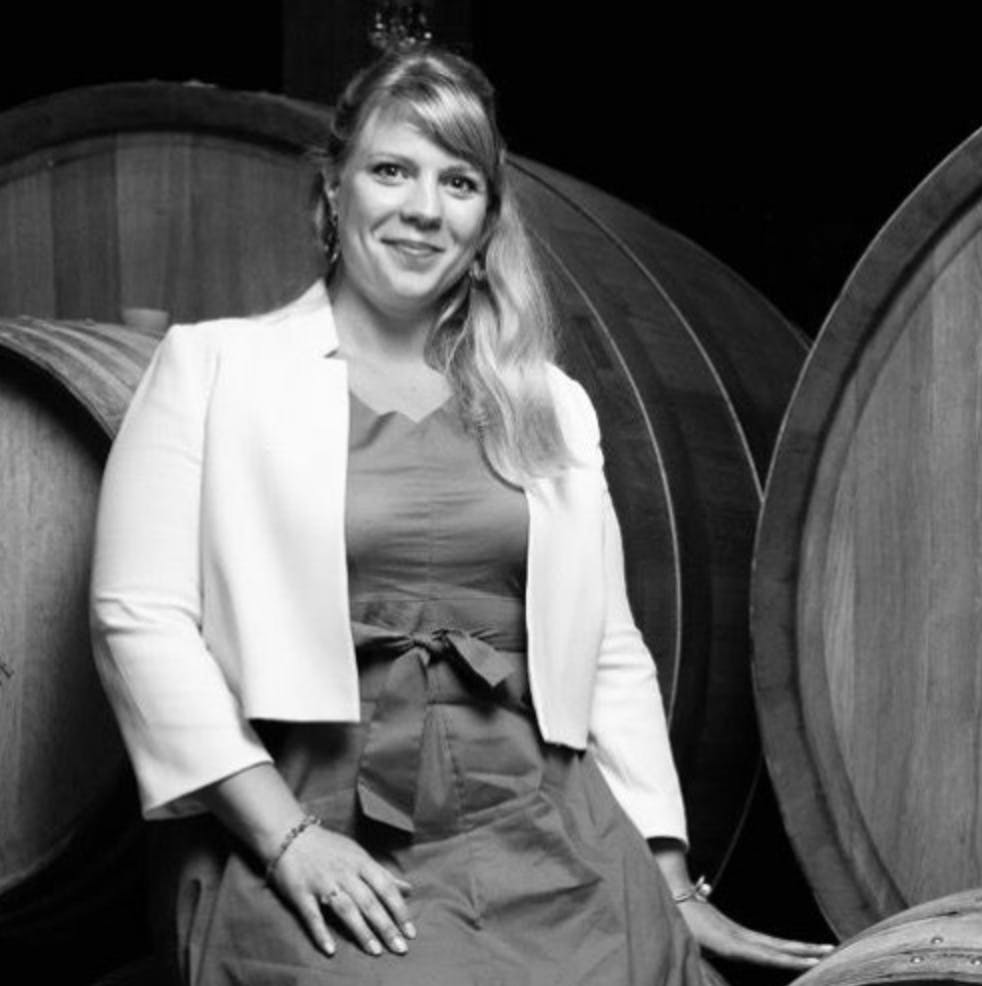
Ep. 395 Milena Pepe | Discover Italian Regions: Campania
Episode 395
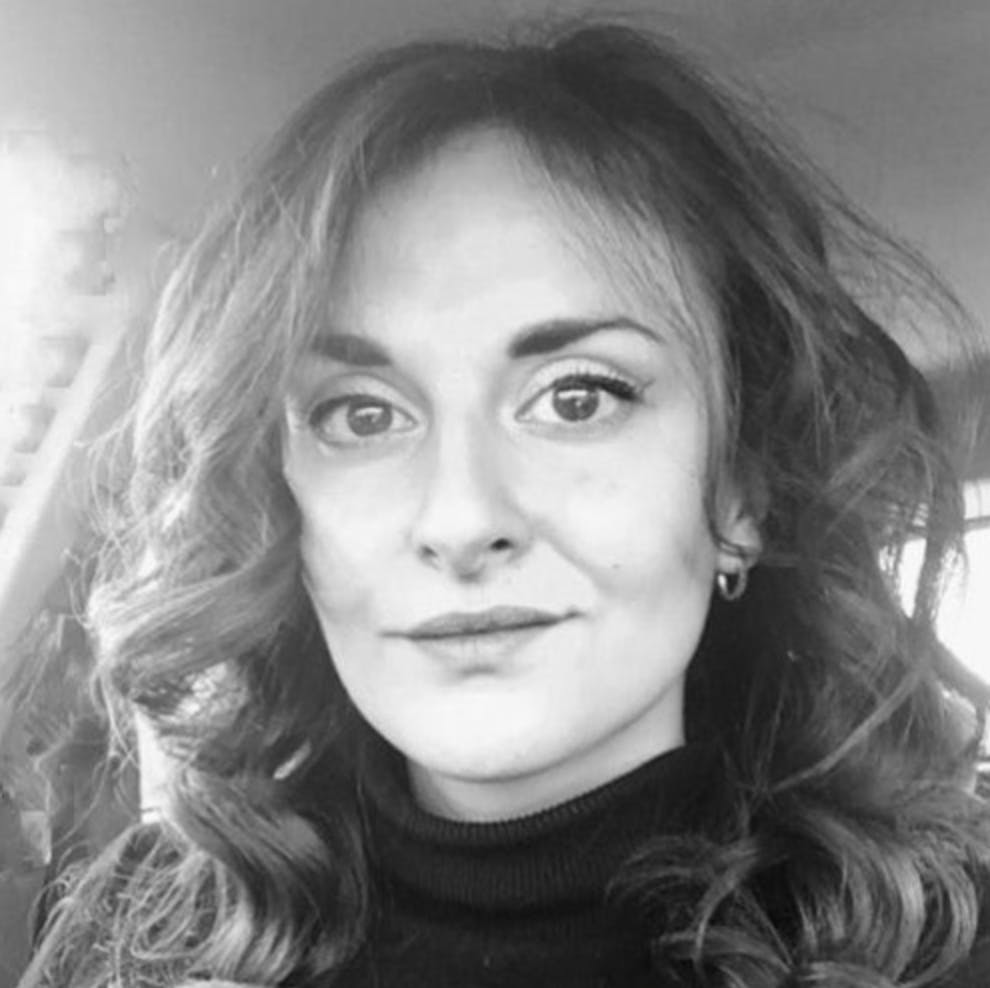
Ep. 306 Monica Colangelo (Nativ) | Discover Italian Regions: Campania
Episode 306
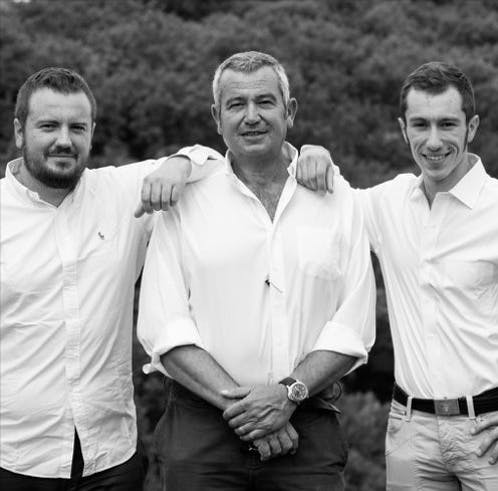
Ep. 293 Gianlorenzo Neri (Casanova di Neri) | Discover Italian Regions: Tuscany / Toscana
Episode 293

Ep. 190 Monty Waldin interviews Federica Capobianco (Silvio Carta) | Discover Italian Regions: Sardinia / Sardegna
Episode 190
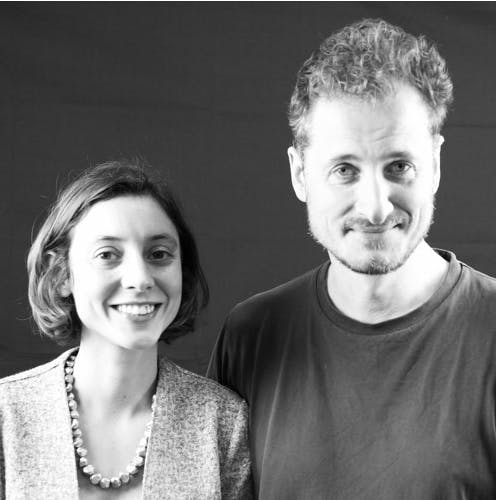
Ep. 187 Monty Waldin interviews Chiara Meloni (Tenute Olbios) | Discover Italian Regions: Sardinia / Sardegna
Episode 187
Ep. 179 Monty Waldin interviews Giovanni Mazzoni (Podere Forte) | Discover Italian Regions: Tuscany / Toscana
Episode 179