
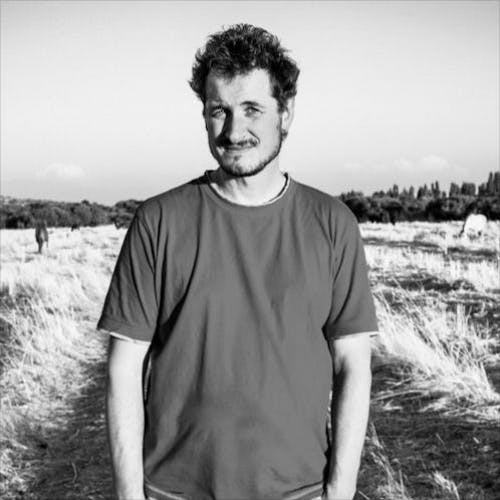
Ep. 376 Monty Waldin on Biodynamic Wine | Epilogue
Epilogue
Episode Summary
Content Analysis Key Themes and Main Ideas 1. The principles and practices of biodynamic viticulture and agriculture. 2. The influence of celestial cycles, particularly the moon, on wine taste and vine development. 3. The educational and training aspects of biodynamic farming. 4. Rudolf Steiner's foundational role and anthroposophical background in biodynamics. 5. Personal perspectives and practical advice for appreciating biodynamic wines. Summary This episode marks the conclusion of the Italian Wine Podcast's series on biodynamic wine, hosted by Monte Walden. Walden begins by highlighting the growing interest in organic, natural, and biodynamic wines. He thoroughly explains biodynamic training, which encompasses practical farming skills like tractor driving and botany, alongside deeper understanding of celestial cycles, biodynamic preparations, and the anthroposophical philosophy of Rudolf Steiner. A significant portion of the discussion is dedicated to Maria Thun's influential theory that the sidereal moon's phases impact how wines taste, suggesting that wines exhibit different characteristics (e.g., fruity, earthy, vegetal) depending on the moon's position in specific constellations. Walden shares his personal approach to tasting biodynamic wines, recommending wines from vines with at least seven years of biodynamic practice and suggesting extended decanting times. He concludes by stating that while celestial influences are considered, his appreciation for wine is ultimately enhanced more by good company and food than by lunar cycles, echoing the sentiment that ""there are no great wines, only great bottles of wine."
About This Episode
The hosts of the Italian wine podcast, Monte Walden and Maria]], discuss the importance of learning about the biodynamics and learning about the photosphere of the Italian wines. They also mention a new app called Matias Teach wine taste best, which provides a calendar for wine drinkers to try. The hosts emphasize the importance of good company and good food in bringing out the fuller impact of the wines, and encourage viewers to donate through the podcast.
Transcript
Italian wine podcast. Chinchin with Italian wine people. Hello. Welcome to the Italian wine podcast. I'm your host, Monte Walden. In recent years, I've noticed increasing interest in ideas such as organic wines, so called natural wines, and biodynamic wines. I'll read for you some excerpts from my book Biodynamic wine and follow-up with some commentary on the topics covered. Thank you for following our Biodynamic wine series. This is our final such episode for the Italian wine podcast. We'll leave you with some more resources where those wishing to learn more can continue their studies, as well as some final thoughts on the subject as a whole. So studying biodynamics. Biodynamic training and education centers, provide full or part time courses offering both formal biodynamic agricultural qualifications and informal training, which prepare adult students to be able to run their own economically viable biodynamic pharmacist and not just vineyards. It could be, I know, dairy farm or a vegetable business. Would be professional biodynamic farmer study practical aspects such as tractor driving, botany, geology, bookkeeping, and the law. But the main focus is on making and using the biodynamic preparations, composting, understanding celestial cycles, and the anthroposophical background to BioDynamics. Rudolphsteiner founded his center for spiritual scientific or anthroposophic research and learning at Doorak in Switzerland in nineteen thirty nine. Naming it, the Gothianum, after Johan wolfgang von Gerta. The current building dates from nineteen twenty eight, three years after Steiner had died. Tasting wine by the moon. Those who accept Maria Tung's contention that the siderial moon, variously influences the vines for organs, its root system, its leaves, its flowers, and its grapes, understandably feel that this twenty seven point three day long lunar rhythm also affects how wines taste. Wines should thus show more obvious fruit or grape characters if tasted when the sidereal moon stands in the fruit, seed, or warmth, constellations of ram, lion, and archer. FX should be especially noticeable if the moon is also in its ascending phase, Ram in the northern hemisphere, or Lion in the southern hemisphere, and Archer in either hemisphere. This is because the ascending moon should make wine aromas more pronounced as the aromas ascend or are pulled upwards out of the bottle or glass. And during earth or root sidereal moon periods, the same wine, might be expected to show more, obviously, earthy characters. And during water or leaf periods, wines might taste more vegetal or dilute and so on. Those keen to taste wine by the moon can consult Matias tunze when wine tastes best. A biodynamic calendar for wine drinkers. This is published by Flores, which is a publisher based in the United Kingdom. So this, Matias Tun wine taste best, a biodynamic calendar for wine drinkers, is not only available in a book form, but there's an app for it as well. I have to say the app, even if I don't buy into this, tasting calendar, the app is absolutely stunning. Honestly, really is good. I mean, it's, I don't know, how many it's not very expensive. It's a really beautifully done app, honestly. When asked to organize wine tastings, I favor wines from vines with at least seven years, Pyodynamics on their CV. This is so that the full biodynamic effect has been felt strongly both by the vines. And by the winemaker and the Viticultureist, of course, I also usually uncork the bottle or decant it twelve to forty eight hours in advance. Biodynamic wines often need a little extra time to breathe or loosen up. Coming in theory, hopefully in practice to, from especially strong rooted vines producing balanced grapes, which are fermented with minimal intervention. Exposing the contents of the bottle to the elements, allows any beneficial celestial influences to be fully expressed too. However, I find my appreciation of a wine is augmented, more by good company, and good food than by a good moon or a favorable set of stars. And, anyway, there are no great wines, only great bottles of wine as the saying goes. Thank you for tuning in each week. To the Italian wine podcast for me Monty Walden, this concludes our series on Biodynamic wine. As always, please stay tuned. Listen to the Italian wine podcast wherever you get your podcasts. We're on SoundCloud, Apple Podcasts, HimalIFM, and more. Don't forget to subscribe and rate the show. If you enjoy listening, please consider donating through Italian wine podcast dot com. Any amount helps cover equipment, production, and publication costs. Until next time, chi chi
Episode Details
Keywords
Related Episodes
Ep. 371 Monty Waldin on Biodynamic Wine | Certifications
Episode 371

Ep. 366 Monty Waldin on Biodynamic Wine | Celestial Rhythms
Episode 366
Ep. 361 Monty Waldin on Biodynamic Wine | Teas Decoctions and Essential Oils
Episode 361

Ep. 356 Monty Waldin on Biodynamic Wine | Other Sprays and Techniques
Episode 356
Ep. 351 Monty Waldin on Biodynamic Wine | Dynamizing
Episode 351
Ep. 346 Monty Waldin on Biodynamic Wine | Using Biodynamic Compost
Episode 346