
Ep. 346 Monty Waldin on Biodynamic Wine | Using Biodynamic Compost
Using Biodynamic Compost
Episode Summary
Content Analysis Key Themes and Main Ideas 1. The foundational principles and philosophy of biodynamic viticulture, focusing on compost. 2. Practical considerations for making biodynamic compost, including siting and raw materials. 3. The importance of balancing carbon and nitrogen in compost for optimal fermentation. 4. The role and application of the six biodynamic compost preparations (502-507). 5. Benefits of biodynamic compost for soil health, plant vitality, and ""terroir-driven"" wines. 6. Methods and timing for applying biodynamic compost in vineyards. Summary In this episode of the Italian Wine Podcast, host Monte Walden discusses the practicalities of making and using biodynamic compost in vineyards, drawing insights from his book ""Biodynamic Wine."" He introduces biodynamic compost as a means to enrich both the vineyard and the wine, fostering ""terroir-driven wines"" that are complex and vital. Walden explains the composting process as transforming organic waste into a homogeneous substance that feeds and enhances soil, emphasizing that healthy plants are crucial for creating healthy soil by capturing solar energy. The discussion covers essential aspects like strategically siting compost piles (windrows), ensuring access and runoff collection, and balancing nitrogenous materials (e.g., animal manures, fresh greens) with carbonaceous materials (e.g., shredded prunings, straw). He highlights the role of microorganisms like actinomycetes in creating a healthy soil ecosystem. A significant portion of the episode is dedicated to the precise application of the six biodynamic compost preparations (502-507), noting that their qualitative impact outweighs their small quantities. Finally, Walden advises on the optimal timing for spreading compost in vineyards, typically in autumn after harvest, and reiterates its benefits for improving soil structure, microflora, and humus content, citing the consistent positive experiences of viticulturalists. Takeaways * Biodynamic compost aims to create ""terroir-driven wines"" by enhancing soil and plant vitality. * Composting is a process of transforming organic waste into soil-enhancing humus. * Proper siting of compost piles (windrows) is crucial for accessibility and preventing runoff. * A balanced carbon-nitrogen ratio is essential for effective composting, with cow manure being a preferred nitrogen source and woody matter a key carbon source that encourages beneficial actinomycetes. * The six biodynamic compost preparations (502-507) are added in small but qualitatively significant amounts to enhance the composting process. * Biodynamic compost improves soil structure, introduces beneficial microflora, and increases humus content, leading to resilient soil. * Compost is ideally spread in vineyards in autumn, after harvest and before pruning, and should be incorporated shallowly to prevent anaerobic conditions. * Viticulturalists who adopt biodynamic composting tend to continue the practice due to its observed benefits. Notable Quotes * ""Compost made using biodynamic preparations should enrich both the vineyard and the wine grower in varied balanced life enhancing ways to promote teraward driven wines which people should find taste ripe and clear, but which are also complex, original, and vital."
About This Episode
The hosts of an Italian wine podcast discuss the benefits of using biodynamic advised wine tasting, including elevating the wine and improving taste. They emphasize the importance of self sustaining organic plants and balancing nitrogen and carbon content in beer to improve taste. Cal manure is recommended for improving crop growth, but there is attention to ensure proper nutrition and stability. The use of polymers polymers is recommended for preventing damage to vines and preventing crops, and is recommended for vines with a stable total organic content. A 15% discount is available on podcasts and a free book and TV show.
Transcript
Italian wine podcast. Chinchin with Italian wine people. Hello. Welcome to the Italian wine podcast. I'm your host, Monte Walden. In recent years, I've noticed increasing interest in ideas such as organic wines, so called natural wines, and biodynamic wines. I'll read for you some excerpts from my book Biodynamic wine and follow-up with some commentary on the topics covered for those interested in acquiring the full Biodynamic wine text. It's available from my publisher, infinite ideas. Who right now is offering a discount of fifteen percent through July thirty first twenty twenty to get the discount use the code, which is bio fifteen off at infinite ideas dot com. That's bio, which is a b I o one five o f f. Today, we look at some of the more practical considerations of making and using biodynamic compost on the farm. Including how to build compost piles and how to work the finished product into the farm or vineyard. Compost made using biodynamic preparations should enrich both the vineyard and the wine grower in varied balanced life enhancing ways to promote teraward driven wines which people should find taste ripe and clear, but which are also complex, original, and vital. Biodynamic compost. We tend to think that healthy soils are what make healthy plants. In fact, the opposite is true. Plants grow by being able to capture solar energy. And when they die and decompose, they condense the intangible matter They took from the sky into those tangible substances, which create both soil and soils core constituent, fumous. Composting is simply a way of getting microbes already present in disparate organic waste materials, like plant leaves, plant prunings, plant residues, such as great pumice, plants which have been eaten and digested by animals, manure. And other biodegradable waste first to decompose and then to break down into something more homogeneous. And finally, to reconstitute what has broken down into something capable of feeding and enhancing soil in the ideal way. Compost improves soil structure, bringing both nutritional balance and beneficial microflora. Rudolf Steiner said that, quotes, in compost, we have a means of kindling the life within the earth itself. Without the digestive activities of animals, Plant fibers would be much slower to break down and return to the soil. Thus, a diversity of both plant and animal species is needed to assure rapid recycling of plant materials. In order for farms and vineyards to become successful, self sustaining organisms capable of transforming one way waste streams born of a acquire, use, and discard mentality. Into instead, a regenerative cycle of fertility. The two most obvious compostable byproducts of wine growing are cut vine prunings in late winter and early spring. And anything left over from winemaking every autumn, mainly the grape promise, the pressings, the stems, and the lees. Biodynamic compost is the best tool to enhance both the substance of the soil, via more stable humus, and the soil's capacity to hold and resonate the formative forces needed by the plants it supports. Citing compost piles. The first thing to decide when making compost is where to site the piles. Access is needed so that compostable raw material can be delivered and taken away once composted. Allows space for several piles. Material to be composted, material which is composting, material which has composted. Compost piles must usually be cited in such a way that all runoff, slurry can be collected before it runs into the water table or local water courses. Compost is made essentially from two main types of organic materials. Those with a high nitrogen content and those with a high carbon content. The most common nitrogenous materials are fresh animal manures, fish wastes, and freshly cut green plant materials, weeds, grass. The most common carbonaceous materials include hay, straw, shredded vine brunings, sawdust, and other wood waste, dried seaweed, and dead leaves. Wine growers seeking biodynamic certification are actively encouraged to get some livestock onto the vineyard. Even if this may only be a few chickens to scratch around the vineyard. Cal manure is the best material as a base for compost, but other manures can be added in, such as chicken, horse, sheep, or goat manures. Whose hot character can be beneficial on colder, for example, clay soils, while cold manure from ducks, pigs, and cows, suits dry, sandy soil, or places where it is too sunny. Balance compost is often principally defined by the ratio of carbonaceous and nitrogenous materials it contains, the so called carbon nitrogen or c n ratio. As described above, the best nitrogenous material for composting is cow manure. An important source of carbon for a vineyard compost pile is shredded prunings or other woody matter. Research suggests that prunings and woody matter, and also seaweed help compost piles to develop organisms called actinomycetes. Actinomycetes give the characteristic earthy smell to soil. And help maintain a quote's forest floor type ecosystem. Actinoma seats give the characteristic earthy smell to soil and help maintain a quote's forest floor type ecosystem. One, that some wine growers argue is especially beneficial to vines, which evolved along the edge of forests where they use trees as supports, enabling them to climb in search of light. The other advantage of carbonaceous matter is that it is more stable than nitrogenous matter. And if the compost pile smells of ammonia, it means that nitrogen is being lost. Because manure in the pile has become too hot due to a lack of carbon to bind it. The pile is overheating. If there is a lack of nitrogen, however, the pile is too cool and will fail to ferment. A compost pile should smell only when the fresh manure it is being built from is being moved around. Once a built pile begins working fermenting, It should do so in an almost odorless way. Building compost piles. Compos piles are long heaps called windrows. Standard practice is to make piles about two meters high and one point five meters wide at the base. It is easier to achieve a homogeneous blend of carbonaceous and nitrogenous material in compost, if alternate layers are made of animal manures and fresh green materials interspersed with straw wood chips, shredded wood, and so on. The idea is you wanna get some, fungal activity and bacterial activity. Compost piles built in autumn are often covered with straw to keep the rain off and the cold out. Piles which start off too dry or become so will need watering. Piles which start off too wet will need turning. Usually, the six biodynamic compost preparations, numbers five zero two to five zero seven, are added to compost piles immediately they are built. This ensures that the beneficial forces the preparations carry can radiate throughout the piles entire composting process. Enabling live forces to be better retained and with less loss of nitrogen and providing compost capable of promoting optimal crop growth. How to add the biodynamic compost preparations five zero two to five zero seven? The five solid biodynamic compost preparations, which are the arrow five zero two chamomile five zero three, stinging nettle five zero four Oak bark five zero five. And Dandelion five zero six are all usually dropped into the center of the pile via holes made at regular intervals along either the sides or the top of the pile itself. The holes can be made using a wooden post or rake handle. Solid compost preparations can become stuck halfway down what are deep narrow holes and thus fail to reach the center of the pile. To stop this from happening, first roll each one into a separate ball or sausage of earth or old compost before dropping this into the hole and back filling it. This method also helps prevent preparations made in drier, flakier, less humic, styles from blowing away in windy weather as they are being dropped in. The liquid Valarian five zero seven preparation can be sprayed over the entire outside layer of the compost pile or the compost windrow is the technical term. Or half the valerian can be sprayed over the top, and the remainder can be poured directly into a separate hole made in the side or top of the pile. In line with the biodynamic idea, of all preparations carrying etheric formative forces. The quantities of the biodynamic compass preparations five zero two to five zero seven are less important than the qualities they bring. In any event, only tiny amounts of compost preparations are added to compost piles. One to two square centimeters of each, roughly a level teaspoon of the six preparations should be added for every ten square meters of compost material. Spreading biodynamic compost five zero two to five zero seven. An old saying suggests that good compost can be applied at any time on any crop and in any amount. When spreading compost, wine growers should aim to leave soils with a stable total organic matter content of one point seven to two point five percent, the exact level, depending on the soil type. Compost for vineyards, is usually spread in autumn after harvest and before pruning begins. This is when the earth is breathing in, and the soil is also still warm enough for bacteria and other microorganisms to incorporate it. The compost can be left to decompose on the surface of the soil, but is more usually turned in using discs and to a shallow depth too deep, and it may turn anaerobic. Consultant Graham Sate says, I have yet to meet a viticulturalist who has used compost, who does not continue with this practice. Compost adds hummus, a new microbe workforce, and complex minerals beneath the vines. It also triggers more hummus formation and can promote a resilient soil, particularly if it contains predatory fungi. This has been a brief overview of using biodynamic compost. As always, thank you for listening to the Italian wine podcast. With me, Monte Walden. If you're interested in my book, biodynamic wine, my publisher, infinite ideas, is currently offering fifteen percent off through July the thirty first two thousand and twenty, with offer code bio one five, o f f. Listen to the Italian wine pot wherever you get your podcasts. We're on SoundCloud, Apple Podcasts, Hemali FM, and more. Don't forget to subscribe and rate the show. If you enjoy listening, please consider donating through Italian wine podcast dot com. Any amount helps cover equipment, production, and publication costs. Until next time.
Episode Details
Keywords
Related Episodes
Ep. 376 Monty Waldin on Biodynamic Wine | Epilogue
Episode 376
Ep. 371 Monty Waldin on Biodynamic Wine | Certifications
Episode 371

Ep. 366 Monty Waldin on Biodynamic Wine | Celestial Rhythms
Episode 366
Ep. 361 Monty Waldin on Biodynamic Wine | Teas Decoctions and Essential Oils
Episode 361

Ep. 356 Monty Waldin on Biodynamic Wine | Other Sprays and Techniques
Episode 356
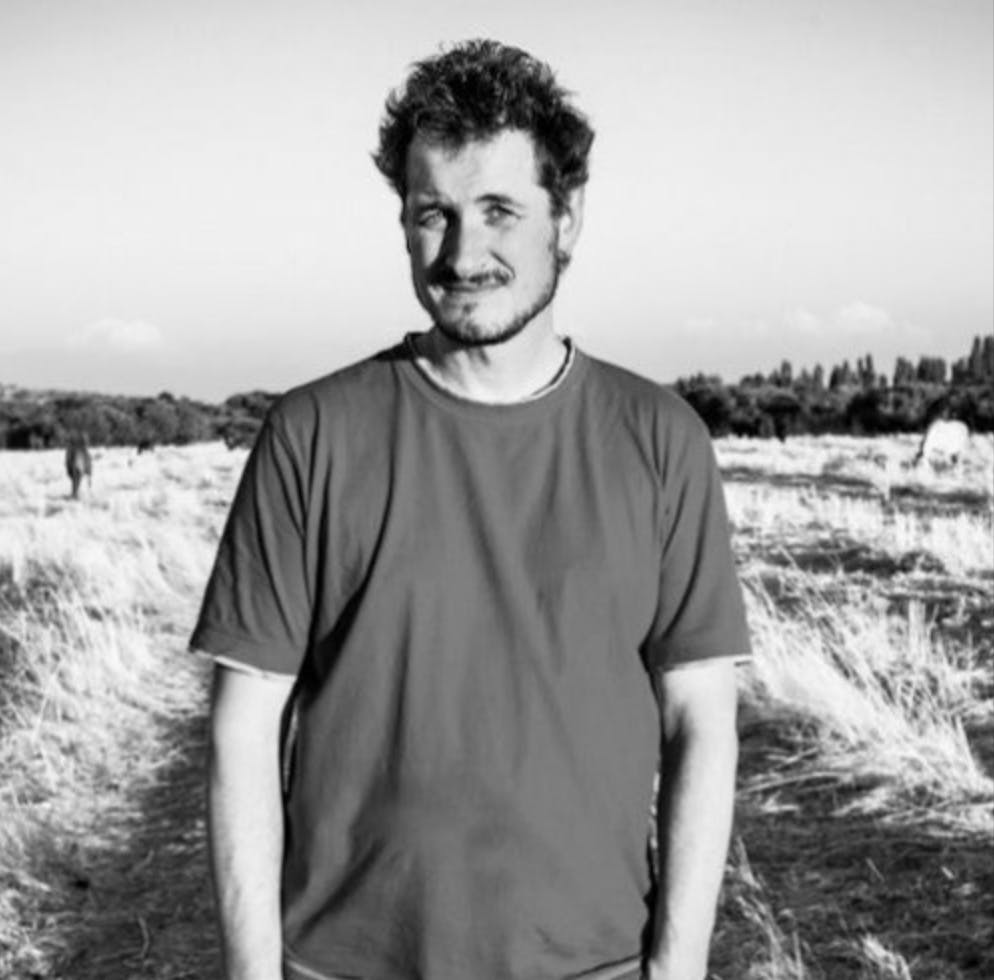
Ep. 351 Monty Waldin on Biodynamic Wine | Dynamizing
Episode 351