

Ep. 321 Monty Waldin on Biodynamic Wine | Introduction
Introduction
Episode Summary
Content Analysis Key Themes and Main Ideas 1. Demystifying the concepts of organic, natural, and biodynamic wines. 2. The historical shift in how wines are defined, from origin/style to production method. 3. The benefits and philosophical underpinnings of biodynamic viticulture. 4. Comparison of four distinct farming models: traditional, industrial, organic, and biodynamic. 5. The importance of economic, environmental, and social coherence in sustainable wine growing. Summary In this episode of the Italian Wine Podcast, host Monty Waldin presents excerpts from his book, ""Biodynamic Wine,"" to clarify the often-confused terms of organic, natural, and biodynamic wines. He highlights a recent shift in wine definition, moving beyond origin or style to focus on how grapes are grown and wine is made. Waldin contrasts conventional/chemical winegrowing with ""green alternatives,"" advocating for biodynamics as an effective and sustainable solution to common vineyard challenges like soil fertility and pest resistance. He outlines four farming models: traditional subsistence, industrial, organic, and biodynamic, emphasizing the latter's holistic approach that integrates self-sufficient fertility, harmony with nature, and cultural significance. The episode serves as an introductory foundation for deeper exploration into biodynamic practices. Takeaways - There is significant confusion surrounding the definitions of organic, natural, and biodynamic wines. - Biodynamic farming is promoted as a holistic and sustainable method to address modern viticultural problems. - Traditional industrial farming, while productive, often depletes soil health and natural resources. - Organic farming prohibits synthetic products, contributing to healthier vineyards and wines. - Biodynamics extends beyond organic by emphasizing self-sufficiency, ecological balance, and cultural integration. - Successful sustainable viticulture requires aligning economic viability, environmental responsibility, and social purpose. Notable Quotes - ""There still seems to be plenty of confusion around what these terms mean, and what sets different production methods apart from conventional grape cultivation or conventional agriculture."
About This Episode
The Italian wine industry is increasingly popular due to the use of agricultural and industrial farming models, which are fundamental to the wine industry. The industry is experiencing increased demand for organic and organic wines, but there is concern over potential harm to the environment. The speakers discuss the benefits of organic wine farming, including reducing soil fertility, fine tuning crops, and creating a happy future. The history and culture behind the pressure of more people to try and avoid the negative effects of traditional farming are also discussed, including the use of agricultural, environmental, and social factors, including environmentalism, community perception, and the need for more transparency in wine farming.
Transcript
Italian wine podcast. Chinchin with Italian wine people. Hello. Welcome to the Italian wine podcast. I'm your host, Monte Walden, and I've prepared for you some excerpts from my book Biodynamic wine. In recent years, I've noticed increasing interest in ideas such as organic wines, so called natural wines, and biodynamic wines. Though there still seems to be plenty of confusion around what these terms mean, and what sets different production methods apart from conventional grape cultivation or conventional agriculture. In order to explore the concept of biodynamic wines in particular, I'll read for you some excerpts from my book. And follow-up with some commentary on the topics covered to hopefully help further the conversation about the range of techniques available to the modern winemaker. Ideally, this should also give the consumer some ideas about what is actually happening out in the world that brings us the wines we experience in the bottle. For those interested in acquiring the full biodynamic wine text, it's available from my publisher, infinite ideas, here right now, is offering a discount fifteen percent through July thirty first twenty twenty. To get the discount, use the code, which is bio fifteen off. At infiniteideas dot com. That's bio, which is a b I o one five o f f. So without further ado, here is a short introduction to Biodynamic wines. That will help set the foundation upon which we will build future recordings. Wines are generally defined in one of three ways, by the country or region of origin, by the colour red, white, pink, or by their style, still Sparkling fortified. Only recently have wines begun to be defined according to how they have been grown and made. There is now a clear if over simplistic divide between modern conventional or chemical wine growing on the one hand, and green alternatives on the other. These include natural wine, organic, and biodynamics. Skeptics derived biodynamics as an extreme form of organics, with its quasi religious overtones, and possibly even voodoo practices at best merely organic agriculture. With a peculiar twist. For advocates like me, however, Biodynamics offers effective, creative enjoyable, stimulating, and sustainable solutions to common problems, experienced by contemporary wine growers, such as reduced soil fertility, fines, diminishing resistance to pests and diseases, and grapes which despite being increasingly complicated to ferment risk producing ever more banal wines largely devoid of individuality and interest. If consumers are to be successfully encouraged to change their environmental habits, then eco warriors must play a part by altering their relentlessly downbeat message and offer instead a happy future to look forward to rather than a bleak one to avoid. Biodynamic wine is one of those often every day yet also conveniently rarefied products capable, not just of encouraging that change, but of leading it. Let's go through the four ways there are to farm grapes. Start with the traditional subsistence farming model. From around twelve thousand years ago, hunter gatherers began domesticating plants and animals. Traditional subsistence farms emerged. The late Biodynamic farming consultant, Doctor. Andrew Lorand, said that in terms of resources, subsistence farms make above average use of what is already available on the farm or grown there. So little needs to be bought in. In wine, for example, rather than purchasing wooden support posts for vines, fruit trees can be planted as supports instead. Their fruit also provides an extra crop. However, because the traditional subsistence system produces even fewer outputs than inputs, little if any of the farms produce being sold or even bartered. Ultimately, this system is not economically sustainable. The closest modern day equivalents of traditional subsistence vineyards still a feature in some Latin American Mediterranean and Eastern European countries form part of mixed small holdings or farms in which wine is a minor activity. Any wine produced is for the family table rather than for sale. So the second farming model is the industrial farming model. Modern industrial farming and wine growing was spawned by the agricultural and industrial revolutions. In the industrial system, any resources, either already available on the farm or grown on it, are poorly used. An example would be if prunings or grape residues left over from wine making each year, were burnt rather than recycled as compost or were left to compost by neglect on the vineyard in ways that might actually increase pests and diseased problems later on. Although the modern industrial system is capable of producing huge outputs, lots of bottles of wine, this is only at the expense of even greater inputs. In the vineyard, Such inputs might include soluble fertilizers to boost yields and man made sprays to control weeds, pests, and diseases. In the winery aids, additives, and agents, such as enzymes, acids, tannin, sugar, yeast, and yeast food, or can be purchased to compensate for grapes lacking color, freshness, texture, brightness, and fermentability respectively. Most contemporary wines, whether sold in bottle or bulk, result from this system. The vineyard and winery become conduits through which myriad materials pass. Few, if any of which, enhance the most precious and irreplaceable resource of all for a wine grower, namely the soil. The third model is the organic model, organics. Organic wine growers have promoted the organic system as producing superior, potentially more authentic tasting wine because organic stipulates that no synthetic or man made products may be used. Organic growers maintain that as their system is less likely to leave unnatural residues either in the soil or the wine, it must therefore be considered sustainable. The numbers of organic vineyards worldwide have risen consistently since the mid nineteen nineties, albeit initially from a very low base often encouraged more by financial subsidies than consumer demand. Consumer perception that all wine is organic has proved hard to shift. Recently, rises have become especially significant in France, particularly in El SAS, beaujolais longerdoc, Rousillon, provence, the loire, the Ron and the juror, also in Austria, in Italy, in Spain, especially in Pinnitus, and in New Zealand. Worries over soil erosion, spray residues in wine causing problems in export markets, reduced groundwater quality, pest and weed resistance to expensive conventional sprays and potential lawsuits from angry parents, as in, Bordeaux in twenty fifteen, where children, in schools near Vignards were seemingly affected by some vineyard sprays, the fears these things damage the health, not only of their children, and have contributed to the fear factor generally around conventional farming. On the positive side, there is increased market demand for more quotes, terroir driven wines, wines of higher quality, both from Fusty state alcohol monopolies and trendy natural wine bars. For Viticulture ecology or any kind of ecology to work, wine growers must try to get three things lined up. Economic, environmental, and social. First, coherent economics. You can't be green if you're always in the red. This is why self sufficient fertility is a pillar of biodynamics. Second, coherent environmentalism. The most efficient and successful farms and vineyards work with rather than against nature. Romini County Domin LeFlev and so on, didn't go by a dynamic for a headline. They see by dynamics as enhancing their priceless and unique real estate. Third and finally, we are living creatures as sentient and social beings we seek a higher purpose. There's no food or wine if there is no culture. Agriculture is the culture of the farm field. Viticulture is the culture of the wine field. The biodynamic way of using wild plants like nettles and chamomile to keep crop plants like vines healthy allows farm and farmer to interact as equals, not as enemies. You can't have a balanced wine if Finjold and farmer. Are fighting all the time. Balance, harmonious wines come from solvent vineyards run by engaged staff who try to work with nature rather than against it. So I hope this gives at least a basic understanding of some of the terms or concepts that will assist us in our exploration of biodynamic wines will continue to expand on these ideas moving forward. Coming up, we have a brief introduction to the origins of Biodynamic grape production, certification, and how the practice has developed over the years. We'll also get into some specific treatments on how these are actually put into practice on the estate. Thank you for listening. And please join us next week for more on Biodynamic wine. Remember? The book is currently discounted fifteen percent from my publisher, infinite ideas when you use the code bio one five off. Until next week, this has been the Italian wine podcast with me. On team building. Listen to the Italian wine podcast wherever you get your podcasts. We're on SoundCloud, Apple Podcasts, HimalIFM, and more. Don't forget to subscribe and rate the show. If you enjoy listening, please consider donating through Italian wine podcast dot com. Any amount helps cover equipment, production, and publication costs. Until next time.
Episode Details
Keywords
Related Episodes
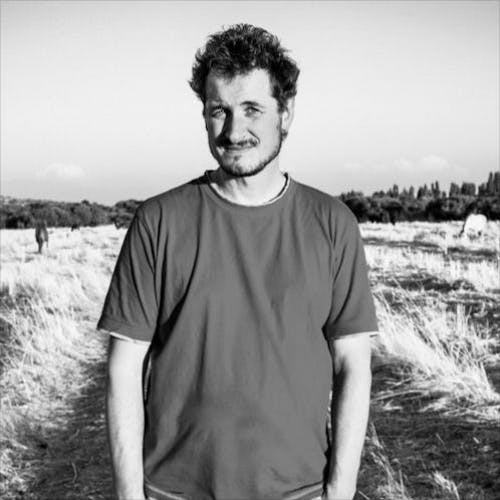
Ep. 376 Monty Waldin on Biodynamic Wine | Epilogue
Episode 376
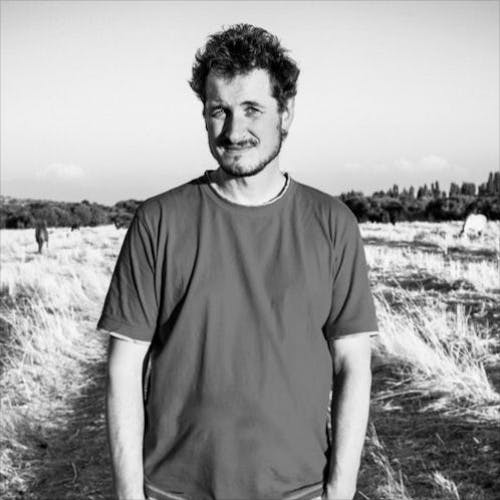
Ep. 371 Monty Waldin on Biodynamic Wine | Certifications
Episode 371

Ep. 366 Monty Waldin on Biodynamic Wine | Celestial Rhythms
Episode 366

Ep. 362 Sangiovese Lambrusco... | Introduction
Episode 362
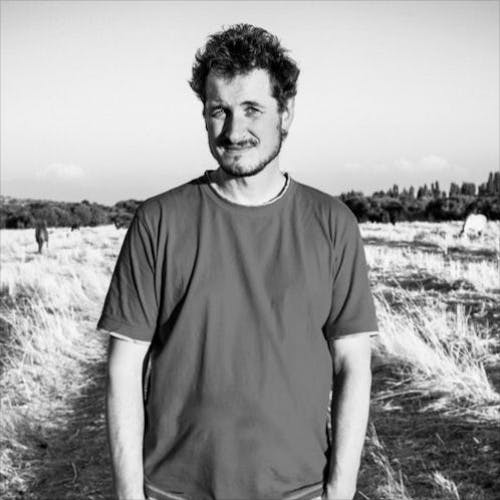
Ep. 361 Monty Waldin on Biodynamic Wine | Teas Decoctions and Essential Oils
Episode 361

Ep. 356 Monty Waldin on Biodynamic Wine | Other Sprays and Techniques
Episode 356