

Ep. 2278 Barbara Fitzgerald Interviews Alisha Zaveri | Masterclass US Wine Market
Masterclass US Wine Market
Episode Summary
Content Analysis Key Themes and Main Ideas 1. The evolving landscape of digital marketing for wineries in the US. 2. The ""TikTok phenomenon"" and its implications for brand strategy. 3. Strategies for optimizing existing digital platforms (Meta, YouTube Shorts) and mastering their algorithms. 4. Key performance indicators (KPIs) for measuring success in digital marketing. 5. The importance of a diversified marketing mix and experimental approaches. Summary In this episode of ""Masterclass US Wine Market,"" host Barbara Fitzgerald interviews Alicia Zaveri, Digital Accounts Director at Colangelo & Partners, about mastering digital marketing for wineries. The discussion begins with the uncertain future of TikTok in the US, emphasizing the risk of over-relying on a single platform. Alicia advises wineries to continue experimenting with TikTok's unique algorithm for younger demographics but to diversify their efforts. She then offers actionable strategies for Meta platforms (Facebook, Instagram) and YouTube Shorts, highlighting the importance of engagement, consistency, strategic use of video (reels), and interactive elements. Alicia details key performance indicators for measuring digital marketing success, including reach/impressions, engagement rate, website traffic, conversions, and video completion rate. The episode concludes with a strong emphasis on the importance of a diversified marketing mix, including owned channels like email marketing, and allocating a percentage of the budget for experimental initiatives, encouraging wineries to engage with consumers in unexpected places. Takeaways - Do not overly rely on a single digital platform; diversify your marketing mix. - TikTok's algorithm is unique in reaching new, younger audiences, making it a valuable experimental platform despite its uncertain future. - Engagement, consistency, and strategic video content (reels/shorts) are crucial for success on Meta platforms and YouTube. - Metrics like reach, engagement rate, website traffic, conversions, and video completion rate are key to evaluating digital marketing effectiveness. - Optimizing content for SEO involves using relevant keywords, localized content/geotags, and an effective link-in-bio (e.g., Linktree). - A useful budget allocation rule is 70% for proven strategies, 20% for re-testing, and 10% for entirely new experiments (e.g., non-traditional partnerships). - Authentic storytelling is paramount for building emotional connections with consumers in the wine industry. Notable Quotes - ""Relying or overly relying on one platform is never gonna be strategic to your marketing strategy."
About This Episode
The speakers discuss the impact of TikTok on the wine industry, including the federal ban of the app and the potential for wineries to be banned. They also discuss the importance of understanding audience and platforms to communicate with them, and the importance of creating a plan in place for long term use. The success rate for text in captions and the importance of being authentic in the industry are also emphasized. The speakers provide advice on improving digital marketing strategies, including sharing emotional stories and being authentic to oneself. They also recommend building a great digital strategy, including sharing emotional stories and being authentic to oneself.
Transcript
Today, I am very excited to welcome Alicia Zaveri to the show. Our three key takeaways for today's master class and what we're really excited to learn from Alicia are first. We're gonna talk about the TikTok phenomenon. So what's actually going on with TikTok at the moment and what can wineries do about it. Number two, how we can breathe new life into existing digital platforms and kind of master their perspective algorithms. And then lastly, diverse buying your marketing mix to really capture attention on multiple channels. Welcome to Masterclass US wine market with me Barbara Fitzgerald. In this show, we'll break down the complexities of selling wine in the US by discussing the relevant issues of today with experts from around the globe. Each episode serves up three key insights to help elevate your wineries presence in the US market. So grab a pen and paper, and let's pave the way for your success. In the US. Hello, and welcome to master class US wine market. Today, I am very excited to welcome Alicia Zaveri to the show. Currently, Alicia is the digital accounts director at top agency, Colangelo, and partners where she leads her team in developing cutting edge digital strategies for wine and spirits clients, also boosting e commerce sales and creating buzz through influencer collaborations. Her impressive career includes work with big names like Quaker oats, Danin Yogurt, and renowned chefs like Guyieri and Jack Torres. Alicia's campaigns have earned prestigious awards like the PR SA big Apple award and the PR Bulldog award. With a double masters in global media and communication management from the London School of Economics and University of Southern California, along with a media, culture, and communications degree from NYU, Alicia is a true powerhouse in the world of digital marketing. So welcome, Alicia. It's really great to have you here. Thank you for making the time. Of course. Thank you so much for having me, Barbara. I'm excited to talk all things digital and our learning knowledge that I have with everybody. Amazing. Well, this is really what you live and breathe. So we're really excited to have all of your expertise. But before we dive into that, can you tell us a little bit more about your background and how you came to work in the wine business? Absolutely. So, you know, I think your bio and introduction of me did make justice and then some, but just talk a little bit more about, you know, who I am and where I'm from. So I come from as you saw a food and nutrition background. I kind of fell into it just being a big foodie I've lived and worked in different countries as well. So bought and bought up in India. I did go to school in Singapore and the UK, so just having experiences of different cultures and worked in them and know, just mingling with people from different backgrounds really gave me a very interesting and cultural approach to how people live their everyday lives. And as we know, food is a big part of every culture. So knowing how integrated food and wine is, I thought you know, going down the wine route after having a food background was just the logical next step for me. So I fell into beverage alcohol, meaning wine and spirits, about eight years ago, and having left since. So just you know, being a big foodie like I mentioned and seeing how intertwined food and wine is. It's exciting to be a part of the industry, and especially within digital, which I know we're gonna talk a little bit more about, you know, it changes every day and no days that we're gonna be the same. So just trying to stay on top of what's happening with the algorithms and platforms and legalities just keeps me on my toes and I love a good challenge. So excited to jump in and talk a little bit more about, you know, everything digital marketing today. That's fantastic. And a pretty cool blend for you because, you know, wine has all of these kind of lasting things about it that maybe won't change, you know, how much it brings people together, its heritage and all these things, but you get to combine it with the things that change day by day. Absolutely. And, you know, just looking at just different cultures and the way people intertwine, you know, consumption occasions, celebratory occasions, but what's food and wine play such a big role across different countries across different cultures, and I feel like Sometimes you often forget that, you know, it is such a big part of everyone's lives, but it's so important to show up in different ways based on who you're talking to. So I think that blend of just understanding who your audience is, you're trying to connect with them, which platform are you communicating with them on? Those are the things that truly get me excited because it's not only what I love, but to your point, it changes every day, and, you know, I enjoy learning more every day as I go. That's fantastic and an excellent segue into what we're gonna talk about today. So, three key takeaways for today's master class, and what we're really excited to learn from Alicia are first. We're gonna talk about the TikTok phenomenon. So what's actually going on with TikTok at the moment and what can wineries do about it? Number two, how we can breathe new life into existing digital platforms and kind of master their perspective algorithms. And then, lastly, diversifying your marketing mix to really capture attention on multiple channels. Okay. So let's dive in. Maybe the most relevant and slightly confusing thing. What is actually going on with TikTok in the US at the moment. I'll note that we're recording this on January twenty seventh. So what's happening with TikTok and what should wineries do about it? So just to, you know, a lay of the land and provide some context, the initially TikTok was supposed to be banned by January nineteenth unless its parent company, which is bytedance, divest its ownership. Unfortunately, by the deadline, which was John nineteenth by chance, was unable to do so. So the Supreme Court unanimously upheld that the federal law will move forward and TikTok would be banned in the United States. With the new administration coming into play. There were some conversations and executive orders that were sent, which from there, the ban has now been pushed out by seventy five to ninety days. So the availability of the platform is still in the US. You are unable to download it currently if you have not already downloaded it. But the biggest part of this is the unanimously the government feels that the practices and connections of the app to the Chinese government is of concern. So we don't know what the future of TikTok is gonna hold. I think that's still to see depending on how the next few months go. But as of today, if you are on the platform and you have the app, you are welcome to continue posting. All of that just say, what does that matter for wineries? What are some takeaways that we can learn from this? Right? So like we know, it went back and forth a lot, and I think it's just a great learning for every brand to understand that use their platforms as channels to communicate with the audiences, but do not rely on anyone's channel only because you never know what's gonna happen to a platform down the line, but you still wanna make sure that you're communicating with your current Annie audiences in different ways. So relying or overly relying on one platform is never gonna be strategic to your marketing strategy. In general, if you are a winery and already have a presence on TikTok, continue to leverage it but don't over invest in it. Right? Don't don't create, you know, expensive and, new content that ultimately you may, I mean, I'll be able to use three months from now. So use it as a tool for engagement. You already have great content. Continue focusing on building your audiences, but at the same time, work on making sure that your audience is on other platforms are not forgotten. So we wanna make sure that on meta, which is Facebook and Instagram, and YouTube as well as email marketing is still continuing to communicate, not just because TikTok has gotten away, but those are the most stable platforms that we know will be be here long term. I'm not but I'm gonna say that TikTok doesn't matter. It still does. And one of the main reasons for that is because their algorithm just has its unmatched ability to get your content in front of eyeballs that probably other platforms are currently unable to do so. Additionally, in the wine industry, and we have a lot of conversations about this is how do we engage younger audiences? You know, how do we get the younger demographics who are, of course, legal shrinking age to consume wine and make it part of the everyday lives. And TikTok, because of the fact demographically that they have younger audiences, you are able to connect with them on that platform. However, experiment with it. Right? It is a platform to try new content, try different things, bring a brand ambassador to be a little bit more fun, relatable, humorous. So it is a space for experimentation and continue to do so. Because you never know that if admin TikTok would be banned in the future, those audiences are gonna gravitate and move towards different platforms. So once they do, you know what content already works, and you'd be able to leverage it much more efficiently in the future. So can I ask with regards to the algorithm? I know these are like kind of like big, you know, such broad terms that are not always clearly definable, but what is it about TikTok's algorithm? Like, is it less dependent on comments and shares and more kind of on content itself? Or what is it about that algorithm that gets to the to the viewer more organically? So the great thing about TikTok's algorithm is the fact that you are not shown content just by the accounts you follow. So they have something called the for you page, which essentially means the platform being TikTok decides what is some of the content that is relevant to you and they look at it from a global perspective, not just regionally or nationally. So you're able to see content that perhaps you might not have thought you were interested in or perhaps not an account that you would have followed. That just allows people to be a little more excited by what's coming their way and participate in conversations that are trending. So to answer your question, it is heavily reliant on comments and shares. Because the more engagement a piece of content is getting, the more it's gonna be pushed out by the algorithm. So oftentimes you'll see, you know, a conversation or dialogue that's happening in Australia, but I'm sitting in San Francisco being like, I didn't know about that. But it's great to know because if it hadn't shown up on my TikTok, I probably would not have known. So it is really an international way of getting people together, connecting different people from around the world. But at the same time, we don't have access to the algorithm. So that's part of the problem where they control the algorithm, control what content your audiences are seeing. So that's one of the reasons why we go back to the potential ban of the platform in the US. And it does though kind of you know, perk your ears up, you know, us in the wine industry, again, always having these conversations. How are we gonna invite new consumers that don't aren't already searching for wine to be interested in wine? That does seem exciting for something like that, but I guess it's The key takeaway at the moment is kind of wait and see. Correct. And then continue to experiment on it. Right? If you're already on the platform and you already have content, like, now is the time for experimentation. Like, see what is performing well, see what the audience is, and not just who'd follow you, but beyond that the younger demographic, what are they engaging with, and take those learnings and apply it to the more stable platforms like Instagram, Facebook, and YouTube. I don't know if you know this kind of specifically, but how many TikTok users, for example, are also on Instagram? Do we have data along those lines? Not that I know, but I I do know that Instagram and Facebook have a larger following in general of consumers on the platforms than TikTok does, but I'm not sure what the overlap between the two would be. I think what would be interesting to see though is how many consumers that are on TikTok are also on Facebook And I think that would have the least overlap just by looking at who currently consumes content on this platform. So I think TikTok and Instagram would have a lot more overlap just by the nature of how they share content, what the algorithm is looking for, but if some of the requirements to post content on it, but I think you you'll be surprised by the lack of overlap between Facebook and TikTok. Yeah. Well, speaking of the kind of platforms that are not going away is at least we don't think anytime soon, you know, especially when we talk about meta, Facebook, and Instagram. As you mentioned earlier, this stuff is kind of changing every day. So it's, I think, helpful for anyone no matter what you're kind of engaged current engagement is on social media to do a check-in and kind of understand where things lie right now. So what are some strategies you can offer to really, you know, crack the Facebook or the Instagram algorithm? Yeah. I think that's a great question, and I think, you know, just looking at our conversation about the potential ban of TikTok. I think Meta is using that as an opportunity to tailor their platforms and tailor their algorithms to continue to capture the interest of the TikTok users who are no longer on the platform in the future. So I think, you know, they definitely are looking at changing up the way that they put content out there. They're looking at How do we once younger consumers do come to our platforms, which will happen by default, the bigger question is how do we keep them on there? How do we make sure that they understand that Instagram could be a great alternative to TikTok. So I think Keeping an eye on just the changes that that are gonna happen on Facebook and Instagram is gonna be key. I think an additional platform really in my opinion to keep an eye out for is YouTube shorts. I think they have untapped potential and a lot of overlap between what TikTok produces in terms of educational content but still fun and short form and engaging. So with YouTube being a video platform first, I think they also have tremendous opportunity when it comes to really keep those audiences on the platform for a similar experience that they used to get on TikTok. Can I just ask a quick more specific question about the YouTube? So the short form about how long is that number one, and Number two, traditionally YouTube was more of like a highly produced style video. And so is it still okay to have that more kind of authentic, you know, with your iPhone camera content on the YouTube shorts? Absolutely. So, yes. I think YouTube as a platform will continue being a hub for long form and educational content. But I think the shorts is pivoting away from that highly produced highly stylized content, and the recommended limit of what your content should be is usually under fifteen seconds. This sweet spot is usually between eight and ten, but sometimes especially, you know, if you're looking at an educational video introducing your brand history and heritage, those tend to run a little longer. But in general, I would say YouTube shorts fifteen seconds and under sweet spot between eight to twelve seconds is really what's gonna recapture the interest of your consumer, but not get them bored to see something that's too long. Because if they really wanted the long phone video, they would go to your YouTube channel and not be scrolling YouTube shorts. So I think it's just important to see where you're posting that content and making sure you're communicating in the way that the audience is looking to consume it. I think it's a perfect segue into, you know, we asked what are some of those strategies to crack the algorithm. And the first is engagement is keep. Right? And the secret to having good engagement is understanding where you're posting the content because where you're posting it depends on how consumers are gonna be engaging with it. If you're looking to post, you know, that twelve minute long phone video on Instagram about your brand history and ethos, that's probably not gonna do the best on a platform like Instagram. But I think what would be better is taking the twelve minute video and snipping it into, you know, one to two minutes that are short form that are engaging. Let's say, you know, take that video and make it five facts about x mind brand that you really need to know. And you just spike through the five facts. Then what you can do is say if you're interested in learning more, visit our YouTube channel or click on our website, because that has a long form video. So understanding that engagement is key, and the way to get that is to encourage people to like, comment, share. So having good call to actions. Right? Take your best friend who you wanna open a bottle of wine with this Saturday. Or, you know, send this to someone who you think deserves a bottle of prosecco or champagne because they had a grade twenty twenty four. That's the type of call to action that you're gonna see people sharing. And the more engagement you get, the more the platform is gonna push your content as well. So number one, I would say engagement is key. Second, I would say it's consistency, and I think sometimes people forget that. It's it cannot be a one and done type of policy and strategy. I think you have to make sure that you have a plan in place that's long term. That you're posting at least two to three times a week because not only does it keep your brand top of mind with the consumers, but the platform recognizes that. So YouTube Facebook, Instagram, they'll know that this brand is posting consistently. They're bound to get more engagement. Let's give them a nudge and make sure that the content has been seen by their followers and then some. So just making sure that you have scheduled your post or planned for at least a month ahead. I think it's a good rule of thumb. The third I would say is using real strategically. I know I've said this all the time, but video content is king or queen, I should say. So understanding, you know, that because the platform is prioritizing short form video, try to use what you currently have in your library, to make it into a video. Right? So I know sometimes budgets are tight and resources are limited. Take existing static images and put it together in a video. That is equally as engaging as creating a new video from scratch. So being creative with what you have available and using, you know, platforms such as Canva or CAPCAD, they really give you templates that already in place that you can just pick and choose your text, pick and choose your images, and the app with the platform will put together the video for you. So that's a creative way to go about kind of leveraging the video capabilities of these platforms. And I would say, last but not the least, interactive elements. Right? I think we forget that people sometimes, yes, they sit on their phone to just scroll through, but sometimes people looking for entertainment. So have polls, have quizzes. We see a lot of engagement on our clients' platforms with, you know, giveaways which are tied into quizzes about fun facts about either the wine brand or the wine region or how the wine is made. So just asking people those questions. You'll see kind of the community going back and forth with the responses in the comments. Those are great ways to just keep the community engaged. And on top of that, engage back with them, respond, like, comment, keep the conversation going. So it's a two sided way, not just a one-sided conversation that's happening with your audiences. So overall, I think it's just again important for us to understand who we're talking to, where we're talking to them and adjust your content accordingly. Definitely. And so with regards to the consistency of posting, can you recommend any, like, platform software that is good for organizing, like, planning ahead scheduling posts? Absolutely. So, you know, two of the most common platforms that we have out there is sprout social. You're able to not only schedule posts which is, you know, a week in advance or a month in advance, but the platform also gives you the best time and day to post the content. So they'll analyze where our audience is located. If it's global, where the majority of the audience is located. Because the last thing you wanna be doing is posting at four AM, which no one is gonna be awake to be viewing it. So, sprott social is a platform that gives you the scheduling ability, the best time to post, as well as community management. It's kind of like a one stop shop. So you're not going between different platforms, going between different brands. Similar in a competitive spot social would be Hootsuite. They do the same thing. They have the same capabilities. I think it's just a personal preference of your user experience of what you prefer. But at the end of the day, I would say those two are the most common platforms. Okay. That's good to know. And so correct me if I'm wrong, but my understanding also is the timing of your post, like, that first hour that something gets posted is kind of the most important for this excess of the post. Is that right? Like, what happens the engagement? Usually. Yes. I think if you'd asked me this five years ago, a hundred percent, I think understanding, you know, when your audiences are online and posting in that one to two hour time window is key. But more recently, just with all the changes, I think we have seen posts as well as influencers share the content on a predetermined day and time that we think is best optimized for it. And for some reason, the algorithm would just not push it out. No one is viewing it. It's not being seen by anybody. And in those cases, which doesn't happen often, but happens enough. We do ask that we take the post down and try again the next day. And there's nothing wrong in it. If you got two likes on your post and nobody else has seen it, take it down and try again. Right? So that's something that we're experimenting with too, and it's in the hands of the algorithm at the end of the day. So we're trying to keep on top of it as best as we again. That's a really great tip though. Like, don't be shy to give it another go. Not at all. And I think if people like your post before, they're probably gonna like it again. So I think we overestimate how much our audiences are keeping tabs on us and how much they're know, looking at what are we doing and what time are we doing? And I think we all understand the world human that we're all trying to do our best. I think a lot of audiences know that it's a social media manager behind the scenes who's just trying his or their best to get the post up. And I think having that human element is also gonna be key in just trying different things and not being afraid to take it down and try again. Yes. Again, great tip. So how can we kinda optimize content currently for SEO? What is working best right now? Why don't we let's divide it into three buckets. Right? And I would say the first bucket is the most obvious one, which is captions and hashtag, making sure that you're using the relevant keywords and your captions about what it is are you describing what it is that people are searching for and you're best using those high volume search terms in your caption itself, and then specific hashtags. You'll be surprised how often people just search food and wine pairing. Our best food with cabernet. Those are some of the key terms that you would need to have in your caption, as well as your hashtag. It could just allow us for the ability to con for consumers to discover new things that they probably would not have because that are following you. But hashtags get those audiences to your profile. The second bucket that I would say is localized content. So I would say the younger generation, you know, and I'm not part of gen z, but me me myself too and my partner When we go travel to different places, we use TikTok and Instagram as our first, I would say, a search platform. If I'm going to a new country, I will always search, you know, best distilleries to visit, best wineries to try. And I think having some of those geotags in your content itself really helped people to say, oh, I didn't know that winery was in Sonoma. Or I didn't know that I had to go to Italy and there's another one freight by it. So I think making sure that your content is localized and geotagged goes a long way. So it's not a only geotagged and localized content, but I think it has to be a balance between we're talking to a wide international audience, but we're also talking to the community that we live in. So just striking that balance, I think, is not only great for people to understand who you are, but it's also great for new audiences to discover together. And the third one, I would say for the third bucket is having a link in bio is so important in on your Instagram channels. People, if they come across your profile, they come across your hosting they want to learn more, they will go to the link in bio. So making sure that it's optimized with very clear call to actions, right? Shop now, which takes people to your online shop. Whether it is join our wine club, which is a very easy click on the button. You put your email address, your name, ZIP code, whatever information they're looking for. That's key because people don't wanna jump through five different hoops to give you their information. Making sure that it's all in one place, and the link in value really allows you to do that. There are different platforms like linktree, but it can just put all your links that organizes it for you, tells you how many clicks are on there. It's a great way for people to stay on Instagram, but still connect with you across different channels. So I was gonna ask what is kind of the success rate if you know between having just like a single link in bio call to action versus a link tree. The link chart performs the link in bio for sure. So your link in bio could be a linktree link, and that redirects people to your website, your online shop, your mind membership, if we direct people to your YouTube channel, your blog, it can also redirect people to a giveaway you're running or a sweepstakes. So your linktree usually always outperforms a general brand link that's only in the bio. Okay. Good to know. And then also with regards to captions, is there kind of like an ideal length? Is there something that is too short? What is too long? Like, how should people be kind of writing, organizing their captions? I would say always have text in your captions and recently, a lot of younger consumers only have emojis and emojis are not as highly discoverable. So there's nothing wrong in having a post every now and then with just an emoji or two. But I would say keeping your captions between, you know, at least five words to twenty five words is is the sweet spot. And sometimes a lot of global wineries who have audiences that are hyper local, but also internationally have one global account. They have a translation. So they'll start with, like, the English caption, and they'll have, you know, a little bit space in between and then they'll have the Italian caption or the French caption. So there's nothing wrong in that because both sides and both languages, your captions are discoverable. So don't be afraid to, you know, go beyond the twenty five word limit or the thirty word limit. Especially if you're looking at some of those translations, but you don't want an essay either. Right? Because the moment you have five paragraphs worth of content. That's not what Instagram is for. That's what YouTube is for. So making sure that again, depending on who you're communicating with on what channel you're tailoring options accordingly. Okay. So now we wanna track, you know, how well all of this is doing. What are the key performance indicators that will help us understand if we are actually reaching our audience in an engaging way? That's a great question. I think, you know, especially in digital marketing, there are so many metrics out there that say such different things. And I think sometimes we get overwhelmed by trying to track it all. And then you're like what metric is more important than the other, what holds more weight in determining the success of a campaign. And just simplify it. My recommendation would be six metrics that will stay consistent across different channels because you also wanna evaluate what channel is outperforming the others so you can dedicate your budget and resources accordingly. So I think, normally, looking at it, like, how do I evaluate success on a platform versus how do I evaluate success across my digital marketing efforts and looking at metrics through that lens is key. So the first is region impressions. That's a standard metric we've always used for always continue using. And that essentially is to measure brand awareness. Right? It's it's simply how many people are viewing your post or your ad and how many people viewing the same ad multiple times. That's a great indicator of how far your ad or post is reaching. The second which follows suit, I would say, is engagement rate. What is the engagement rate? Engagements basically include and track likes, comments, shares, and saves. And all of these engagements are basically an indicator of how consumers are responding, reacting and interested in their content. A good engagement rate across the board. I think again, depending on the following, how much ads spend we have behind it. But a good engagement rate is usually one percent, but we have seen brands go all the way to sixty nine percent. So it really ranges the more because the higher your engagement rate, the better your content is, and the higher engagement rate is usually the video content that you're pushing out there. So the minimum minimum you want is one percent, but higher is always the better. The third metric is website traffic. Right? So If your call to action is click here to learn more or shop now on our website, how many people are actually clicking through and what is your cost per click? A healthy cost per click is anywhere between forty cents to eighty cents. And that you're looking at it from a national perspective. The moment you look at it, if it will be targeting, you know, let's say it's free markets in Texas, that's gonna drive a cost per clickup because they're narrowing your geographic focus tremendously. So from a national perspective, I would say forty to eighty cents per click would usually be a sweet spot. And in suit with website traffic, you can drive a thousand people to your website, but how many people are actually converting. How many people are actually purchasing your bottles are signing up to be a part of your wine club. That's when conversions come into play. And with digital marketing today, you're really able to track end to end conversions. So all the way from launching an ad, who's seeing it, who's engaging with it, who's clicking, and what the consumer activities on the website, you can track it all. You just need to have the right pixel set up on the back end. And the same pixel needs to be set up on your meadow, which is your Facebook and Instagram back end. So just making sure everything is integrated is gonna be key. And in terms of metrics with a rather newer version of a metric, which has come out in the past few years, which is video completion rate. So you can have great video content out there, and people track not only if you bought your video for more than three seconds, the platform tracks it as a video view. But Sometimes, you know, let's say you're taking your makeup off or you're brushing your teeth, you forget to swipe, but you're not actively looking at it. So I think understanding how long are people actually viewing the whole video is another way to understand what content is outperforming the other. So if you have five different pieces of video content, each is, you know, ten to fifteen seconds, take a look at your video completion rate because there would be two or three that are outperforming the others, and that just means that you need to put more resources behind the ones that are actually performing better. So it sounds like too, for somebody that is maybe feeling very daunted about how do I even start creating content, you know, just developing the strategy of what I want from my brand that it maybe should be a little bit of kind of testing and putting out there because you have all of these metrics to see what is really landing. So there's, like, doesn't need to necessarily be so much fear in finding the right content right away, but you just have to be willing to kind of constantly read the metrics and understand, you know, what is really landing with the people that are there? Absolutely. Always try. Don't be a fit to experiment and If it doesn't work, you can always delete the post. Just because you posted bonds doesn't mean it has to live on your channel indefinitely. Like, if you don't know that there's certain things that were just not a good fit or just do not perform well, there's nothing wrong in taking it down and trying again. So, I mean, people fear once it's on the internet, it's on the internet, which is always the case, but I don't think anyone's digging through the dark web to find the one post to delete it from three years ago. So just being, you know, like you said, not afraid to try and seeing what works based on the metrics would be a good indicator to how you wanna have a successful social media strategy. Good suggestion. Thank you for that. So let's kind of wrap up here talking about the importance of having a diversified marketing mix, which you already talked about a little bit, you know, with the example of TikTok, you know, we don't know where it's going. So we don't wanna put all our eggs in one basket, but What would you say is like a good healthy mix for a winery, especially, you know, an international winery looking to get, engagement here in the US? Absolutely. So I'll keep it short and I'll say you need to have a social media strategy both paid and organic. You also need to have a great website. Your website needs to be optimized for DTC, especially the world that we live in. So people might not always convert, but tracking a consumer behavior on your website absolutely important. Email marketing, I think oftentimes we might not give it enough of an allocation when building up budgets. But, you know, looking at TikTok that we talked about, email marketing is a platform and database that we own. Those are our contacts, our subscribers. We can communicate with them anytime we want in any way we want, but not limited by budgets or algorithms. So email marketing is also very important. And then if you have extra budget lying around, I saw this awesome speaker at the DTC session that says he follows this rule called the seventeenth, twenty ten, where seventy percent of your marketing is things that you know have worked are solid and will continue working. Twenty percent are things that have you've tried before. You're not quite sure if they're worked or not. But you wanna give it another shot just by external factors, whether it be, you know, people changing how they can see or more people changing how they purchase. So twenty percent is a little bit more. We think it might work. Let's try it again. And the ten percent is completely experimental. Right? Like, I wanna sponsor, you know, the National Hockey League. And I don't have budget to do that across the board, but I have a budget to sponsor a team in my local area that eventually will make it there. So trying something extremely out of the box and seeing what works for you, that ten percent is part of the experiment. So the ten percent bucket, I would say, is what you wanna be doing with influencer marketing. Content marketing, participating in different festivals, sponsoring different events. That's something that I think we should continue trying because we always talk about how the wine industry only talks to wine people. And I think it's important to brush that bubble a little bit and go out there and talk to consumers, but they wouldn't expect us to show up. And I think that's such an important call out. And we're really seeing that, you know, so much success with that right now. Like, you know, partnering with fashion shows or partnering with sporting events. You know, these are places where why why wouldn't people be drinking wine? They're convivial, they're celebratory, and wine just hasn't always shown up. Absolutely. Like even music festivals, you know, a really great brand sponsored this big influence of Kachella, their marketing strategy was we're gonna work with one big influencer. We're gonna rent a house, do it up, and buy all her friends, And I mean, that that collaboration was a huge success. And it wasn't that expensive because they worked with one person rented one house for, like, maybe eight to ten of our friends, and that was it, but she blew it out of the water. So again, like, that ten percent experimental Maybe the influencer would not have worked. Maybe her reach would be limited, but they were willing to try. So I think that's really important is take ten percent off your budget and try something different. And I also really like the call out too that, you know, digital marketing is not just about being on a device. Like, you're talking about ways to connect with people in person that then can, like, this reach can be scaled to followers and audiences across platforms. Exactly. Exactly. I love that. Well, we are gonna start to wind down. So as we do here on Master Class US wine market, we do our rapid fire quiz. So I'll ask you three questions to help our listeners better understand engaging with consumers in the US market and this episode more specifically. So number one, what is your number one tip for mastering digital marketing in the US wine market? I would say focus on storytelling and being authentic to who you are with the people that are communicating with. So, you know, like I mentioned, just living and working across the world, I think wine is such an emotional connection that people have integrated with food. So sharing, you know, emotional stories about your history, about your vineyard, about the people who work as part of your team behind the winemaker. I think those are so important to build that emotional connection. So don't be afraid to, you know, be honest with who you are and talk to consumers in a similar format. I love that. Just show up as you are. Mhmm. It's like, like, like, every parent likes to tell that kid, you are perfect exactly as you are. Just be new. Fantastic advice. So what is something you would have told your younger professional self about selling wine in the US? I think the more I have stayed in the industry, the more I've realized that the wine market is very complex and highly segmented. Right? So I think people consume wine in different ways. So I think building different personas of your audience and then finding ways to fit into their lifestyle and to their cultural moments into the way they consume wine is key. And I think Keeping that in mind, I think it's also important to embrace digital marketing tools earlier. Right? So I think social media and specifically e commerce are game changers, especially because younger audiences are no longer walking into a retail store the same way we used to. So I think Having a really great digital strategy, a great website, really good e commerce, is gonna really help drive sales in the future. Fantastic advice. I think also, you know, we as are selling a product often that is so meaningful to us that sometimes it can get lost on us that we're not trying to sell what we love about the product to this person. We're trying to understand what they might love about the product and how that into their world. So, yeah. You said it perfectly. Yep. Alright. Last question is, what is your favorite travel hack when you're doing market work? I I'm always scared by this, but downloading offline Google map and pinning all the restaurants, bars, places you wanna visit prior to showing up is key because you never know you might be in a remote area and all of a sudden Google Maps doesn't work. And I'm like, where am I where is this great list of things that I had I wanted to visit, but pinning it on an offline map is a game changer. That is so practical. Yeah. Excellent advice, especially because especially if you're Italian and you're here in the US and you have a different phone plan, and yes. So great. Well, Alicia, thank you so very much for joining us today on Master Class US wine market. This really was chock full of very valuable information and insight. And how can our listeners connect with you? Well, thank you so much for inviting me. Always a pleasure speaking with you. I had a great time, and I hope our listeners found some interesting tidbits that can take away and apply to their digital marketing strategies. In terms of finding me, please visit calangelo p r dot com. It's our agency, calangelo, and partners. I'm also on social media as a digital marketing expert, and I'm easily discoverable by my first name and last name, which is Alicia Zaveri. So thank you again for having me, and I hope this was helpful. Yes. Thank you. I hope to see you in person very soon. Same here. Bye. Thank you. And that's a wrap for this episode of Masterclass US wine market. Thank you so much for joining us. If you enjoyed this episode and want to stay up to date with the latest industry trend, remember to like, follow and share our podcast. And if you find value in our conversations, please leave us a review to help others discover the show and grow our community. Stay tuned for new episodes every Monday. Until then,
Episode Details
Keywords
Related Episodes
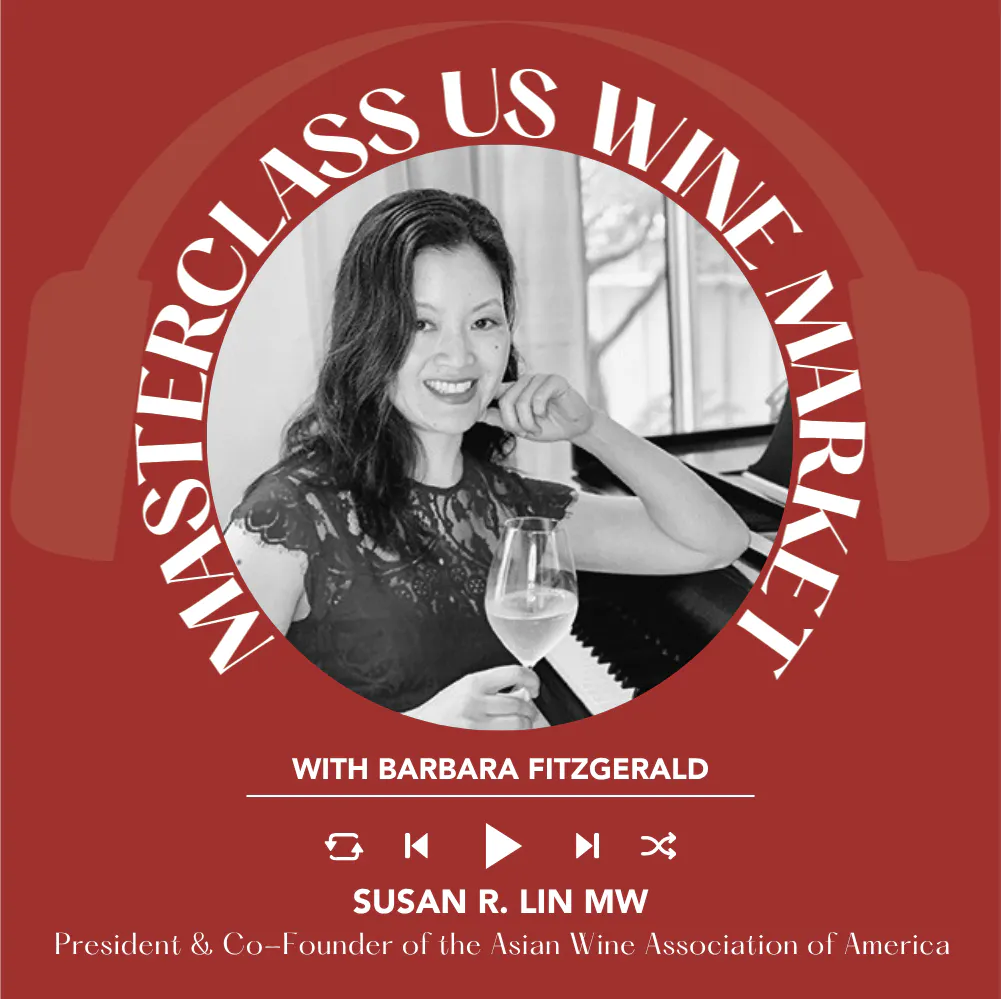
Ep. 2790 Italian Wine in the US: Building a Narrative and Reaching Asian American Consumers with Susan R. Lin MW | Masterclass US Wine Market
Episode 2790
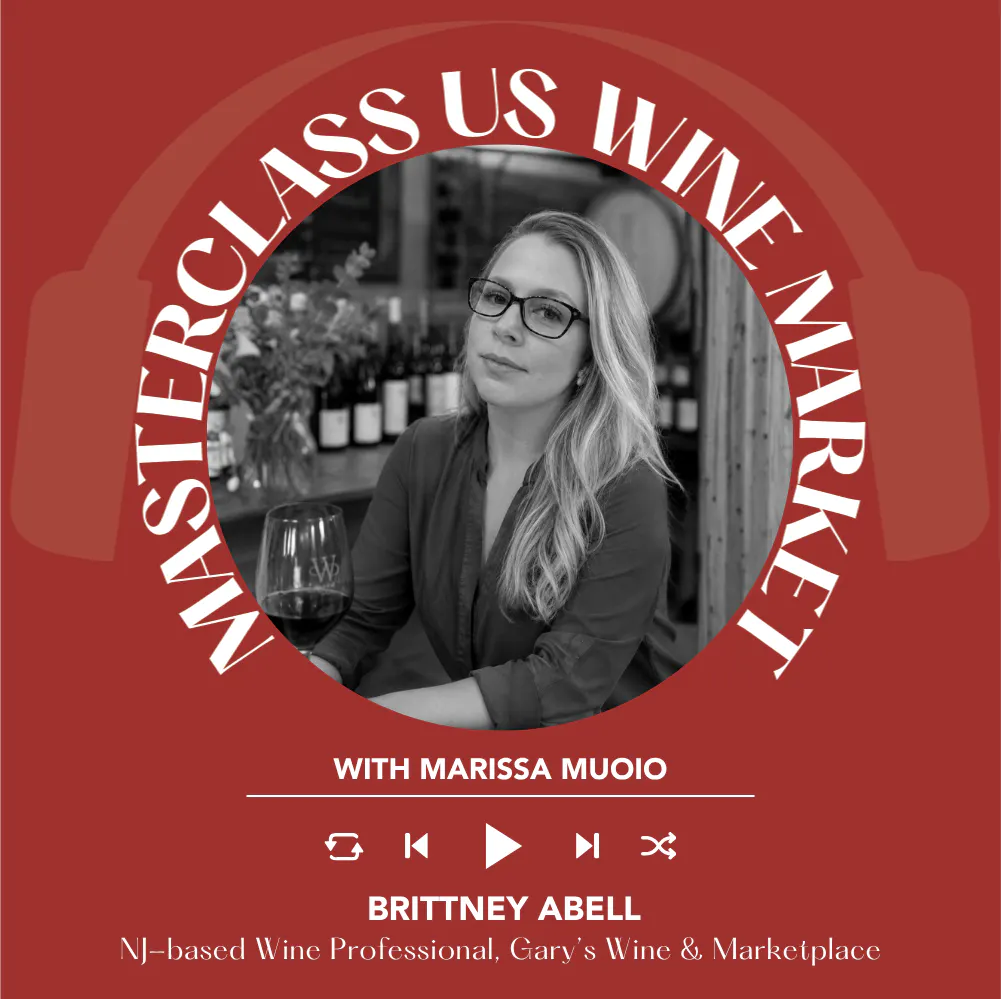
Ep. 2783 The Suburban Gold Mine: Insights into New Jersey’s Wine Market with Brittney Abell | Masterclass US Wine Market
Episode 2783

Ep. 2772 A Surprising Partnership between Japanese Sake & Italian Wine with Monica Samuels | Masterclass US Wine Market
Episode 2772

Ep. 2770 China’s Wine Market: From Misleading Import Numbers to Today’s Consumer with Fongyee Walker MW - Part 1 | Asia Wine Market
Episode 2770
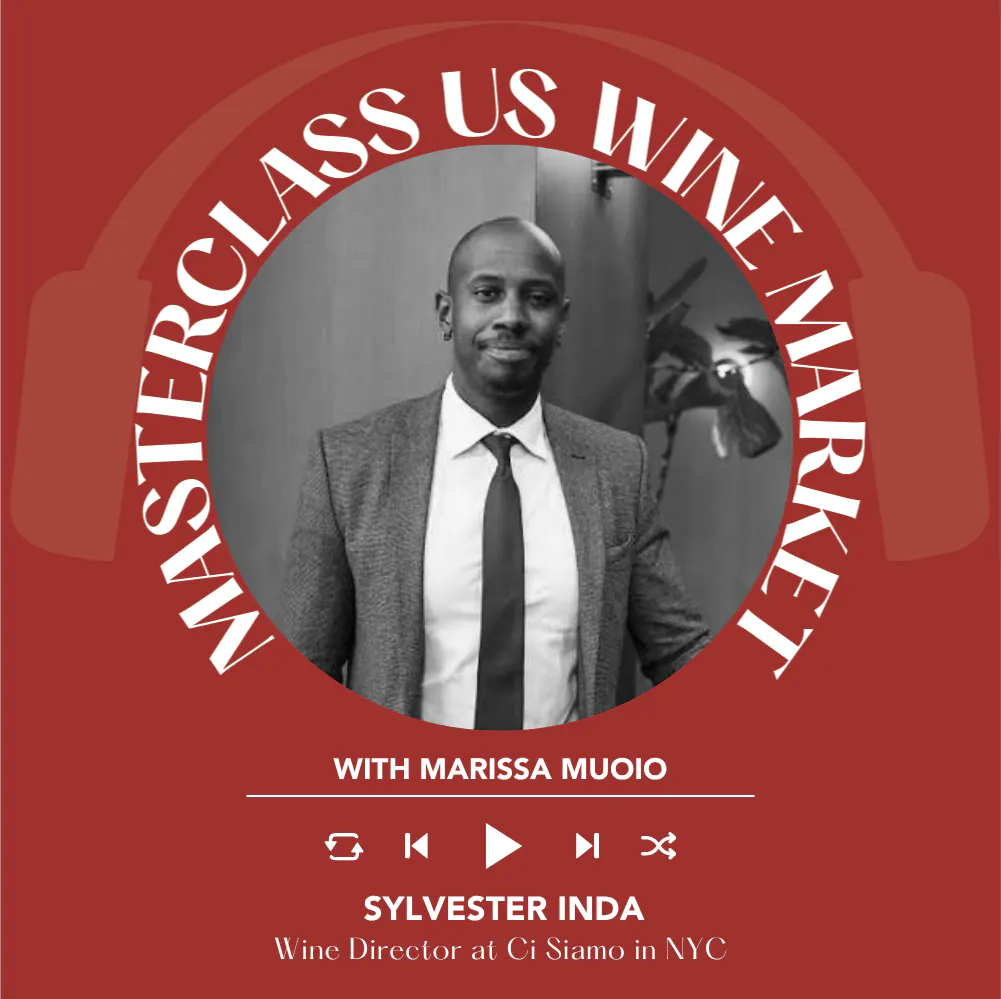
Ep. 2760 Winning the Restaurant Floor: Training, Education & Italian Wine with Sylvester Inda of Ci Siamo | Masterclass US Wine Market
Episode 2760

Ep. 2751 From Montalcino to Kazakhstan with Francesca Arquint of Collemattoni | Asia Wine Market
Episode 2751