
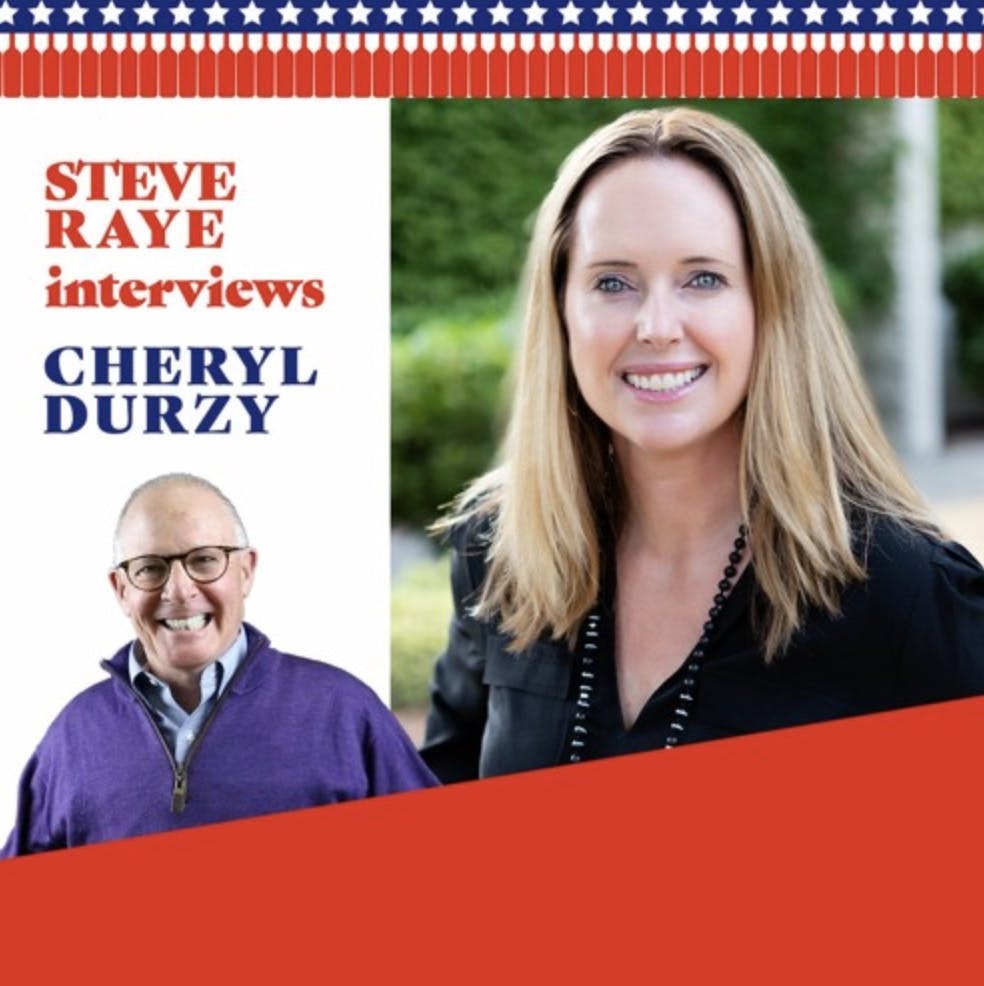
Ep 514 Cheryl Durzy | Get US Market Ready with Italian Wine People
Masterclass US Wine Market
Episode Summary
Content Analysis Key Themes and Main Ideas 1. Challenges faced by small to mid-sized wineries within the traditional three-tier US wine distribution system. 2. LibDib's innovative technology platform operating as a licensed wholesaler, streamlining distribution for wineries and distilleries. 3. The critical role of e-commerce (""e-premise"" and ""e-tailing"") in modern alcohol sales and brand management. 4. The growing emphasis on suppliers taking direct responsibility for marketing and data acquisition in the US market. 5. LibDib's strategic partnership with RNDC to enhance logistics, technology, and data analytics capabilities. 6. The impact of the COVID-19 pandemic on shifting consumer purchasing habits towards online channels. 7. Navigating US market entry for Italian wines, including import requirements and the current tariff situation. Summary This episode of ""Get US market ready with Italian wine people"" features an interview with Cheryl Durszy, CEO and founder of LibDib, a technology platform designed to modernize wine and spirits distribution within the US three-tier system. Durszy explains how LibDib addresses the challenges faced by small to mid-sized wineries, which often struggle with traditional distributors, by enabling direct sales relationships between makers and accounts. LibDib operates as a licensed wholesaler via a marketplace model, offering an efficient and less expensive path to market. She differentiates between ""e-premise"" (online marketplaces where suppliers gain consumer data) and ""e-tailing"" (online retailers without direct supplier data access), stressing the importance of suppliers taking responsibility for their brand's online presence and marketing. The discussion also covers LibDib's strategic partnership with RNDC for logistics and advanced data analytics, the acceleration of e-commerce in alcohol sales due to the pandemic, and the specific considerations for international brands, including the necessity of working with a US importer and the impact of tariffs. Durszy emphasizes the future growth of online alcohol sales and the critical need for brands to have a robust ""online plan"" to succeed in the US market. Takeaways - Traditional US three-tier distribution poses significant challenges for smaller wineries due to distributor consolidation and lack of dedicated sales focus. - LibDib offers a technologically advanced solution for efficient, compliant distribution within the three-tier system, allowing makers greater control over their sales process. - Supplier-led marketing and direct data acquisition through ""e-premise"" models are becoming crucial for effective brand building and customer relationship management in the US. - The COVID-19 pandemic has significantly accelerated the shift towards online alcohol sales, making a strong digital presence an imperative rather than an option. - International brands entering the US market must work with a US importer and develop a clear, actively managed ""online plan"" to navigate the complex regulatory landscape and competition. Notable Quotes - ""I was really struggling to sell my cases of wine that I was allocated to sell every year. And, it was because I was losing distributors left and right."
About This Episode
Live Dib is a technology platform and marketplace for wineries and distillers. Their shipping model is different from traditional distribution, but they are a direct-to-consumer presence. Their direct-to-consumer model is designed to ensure direct relationships with consumers and customers, and they have a graphic dashboard to show data and make recommendations. Their success in the past has been due to online sales and social media presence, but they have seen a shrinking inventory and a shift towards more traditional distributors. They plan to expand their direct-to-consumer model for imports and discuss the challenges of selling Italian wines during the pandemic. They emphasize the importance of creating a good brand voice and brand image to attract customers and discuss the potential for growth in the wine and spirits industry.
Transcript
Thanks for tuning into my new show, get US market ready with Italian wine people. I'm Steve Ray, author of the book how to get US market ready. And in my previous podcast, I shared some of the lessons I've learned from thirty years in wine and spirit's business helping brands enter and grow in the US market. This series will be dedicated to the personalities who have been working in the Italian wine sector in the US, their experiences, challenges, and personal stories. I'll uncover the roads that they walked shedding light on current trends, business strategies and their unique brands. So thanks for listening in, and let's get to the interview. Welcome to this week's show. I'm pleased and honored to have as a guest this week, Cheryl Durszy, the brains behind the concept of Libdip Cheryl, why don't you introduce yourself and tell us a little bit about the company and how it was developed and more importantly why? Well, thank you so much. First of all, for having me, Steve. I always enjoyed chatting with you. And so, yeah, my name is Cheryl Durs. I'm the CEO and founder of Live Dib. I spent almost twenty years in the wine industry at my family's winery and recognize that the distribution system needed a little bit of a kick in the pants when it comes to the evolution of the process of three tier distribution. So I was really struggling to sell my cases of wine that I was allocated to sell every year. And, it was because I was losing distributors left and right. They were either getting bought out. They weren't paying me. There was all kinds of just challenges being this small to midsize winery. And being here in Silicon Valley, I said, hey, there's gotta be a technology way or a marketplace that we can create that will allow for three tier distribution through the three tier system for all wineries and all distilleries who need distribution. So that was kind of the the start of the company. And, you know, we've evolved over time. We've been doing this almost four years or four year anniversary is in mid March. And, yeah, thank you. Yeah. We're currently in six states and, you know, any winery and any distillery can get online and have distribution in a matter of sometimes days and at the most a couple of weeks. So it's the most efficient path to market, I think, and it's definitely the least expensive when it comes to getting into the distribution world. So you said six markets. Can you tell us which ones? Yes. We're in California, New York, Florida, Illinois, Colorado, and Wisconsin. That's an unusual set. I mean Yeah. Yeah. How did that all come to pass? Was that by choice or by chance? It well, we started out when we launched the company, we were in California and New York. Then in two thousand and eighteen, we partnered with RND. And so that kind of started putting us on the path to getting licenses in r and d c markets because we utilize a lot of their logistics when it comes to warehousing and shipping. So that's kinda how Florida and Colorado came online. Illinois was a market that was highly, highly requested from people. They have pretty strict shipping laws and pretty strict at rest laws. So and we found a great warehouse partner there, even though RNDC is not in that market. And likewise for Wisconsin, while Wisconsin wasn't as requested as much. We do have, especially kind of on the California wine side, people who have good customers, especially in Milwaukee. So we partnered with a different distributor there and are utilizing their warehouse. Cool. So I'm sure the question that gets asked, because I know I've asked it a number of times. How does Libdip differ from the traditional three tier system, or is it functioning within the three tier system, but with emphasis maybe in different places? Can you clarify that? Yeah. Absolutely. So it is important to note that we are part of the three tier and we are a licensed wholesaler in the states that we operate in. And that's that's an important piece of the puzzle. You know, we pay taxes. We follow all the compliance rules. We're certainly not trying to disrupt or break anything when it comes to the three tier system. We operate within, and that's how we built our platform. So when a product is shipped, it can it knows it has to go to a warehouse or can it go direct to the account depending on the location of where it's going. We differ in that we are really a technology platform, we're a marketplace. So in any supplier, can be a part of it. So that that's very different than the traditional distribution model where you have to pitch a distributor. They have to decide if they're gonna take you on. You have to negotiate margins. You have to launch the product. You gotta work with their Salesforce. We've actually built the platform so that the maker themselves can be that Salesforce. I come from, you know, I was in sales. I worked with my distributors, but there was really no better salesperson than me versus my distributor sales rep. So I was able to be a lot more efficient in the marketplace, and that's how we build the platform. I was just gonna say that the shipping model is different in that we don't take pallets and store them in warehouses and ship them after our sales rep sells them. It actually is a just in time shipping model. So we get a demand for an order, We order the product. We have we get it on the road through a number of different ways, whatever's compliant in that market, and then and then it's delivered to the account at some point. So it it's just very different. What's the turnaround time on those things? It all depends on where it's coming from. Mhmm. We have some warehouses that can ship it and it's there overnight, and we have other people that are on the other side of the country. It can take five to seven days. And we've discovered that if we're just very vocal with our customers and say, hey, you know, this is as long as they have the expectations and the expectation is being set, then they're okay with the extra shipping time. Okay. So a lot of the the people listening here interested in the US, of course, but the focus is on Italy, and there's another layer in the chain there with an importer. Can you talk about how imported brands differ from domestic brands that are using the livediv platform? Sure. So we purchase from an importer. So any winery or distillery from from Europe needs to be working with an importer in order to work with livediv. Because we have to purchase from a US licensee. But importers are usually very tied in with good warehousing. Right? So if you're importing through us, you know, we work well with MHW and Park Street American spirits exchange, and they all have warehouses that we that we currently work with, and those are kinda located around the country. So once you're with an importer and in the United States, then you can be in any of the Libdib markets. But you do but that import piece is is key. We can't work with someone without an importer. So a supplier who's interested in using you has to come to the party with an import solution. And I'm sure there's a variety of of those. Can you speak to that? Oh, there's all kinds. Yeah. You, you know, I had mentioned before there's the park Street's MHS and American spirits exchange. There's a number of different types of importers, but here's something that I'm super interested in, and this can probably this ties into our whole e commerce thing is how can a lot and I've been talking to a lot of wineries from from all over the world that all they really want when they get to the US is a direct to consumer presence. And how can they do that through, you know, the three tier system that, you know, because an importer can't sell direct consumer. They still have to go through a distributor and a retailer. So it's been fascinating starting to work with some of these different companies that can provide this kind of e commerce marketplace for I like to call it e premise. You know, you have on premise off premises is e premise. They can provide these on these online marketplaces for direct to consumer and via the importer on Live Dib and some of these programs, foreign winery wouldn't have to deal with kind of the traditional model, which takes so long and so much money as you as you know. So what what I would call the agency brand model where they take full responsibility. I think the hook on all of this, and you you mentioned it is now we're seeing suppliers who are interested in taking responsibility for marketing their products in the United States where they didn't wanna take that responsibility in the past. And, obviously, the internet and bunch of various ways of getting to the consumer have changed that. Can you comment on that? Absolutely. Yeah. I mean, if things have really changed, I've noticed with domestic and out of the country suppliers when it comes to managing your brand and how your brand is built online. There's so much money being put into various marketing programs. And the greatest thing about that is if if that's kind of your path to market, you can measure it. Right? So you can know if I put in x amount of dollars into this marketing channel online, and I'm going through these direct consumer channels. I know how much my customer acquisition cost is and kind of what my my customer life cycle is and all of those things that have been so hard to measure in the past when it comes to the three tier system because you are you work two or three tiers separated from your end customer. So I think that a lot of, especially wineries in Europe, are used to this because you can do this in Europe, and you can ship direct to consumer. Your distributors can ship direct to consumer. It's kind of it's a lot different than it this year. But now with a lot of these different programs in place, the the wineries really now can have that direct relationship with their customer, which I think that's the future of alcohol and e commerce alcohol. It's gonna be how you connect with your consumer, re market to them, how are you selling to them and how are you finding them? You know, what do you what are you spending to to find those people? Or how are they finding you? And, I mean, there's also, like, you know, you think of all, hopefully, when the world open up opens up again after COVID, there's, you know, there's gonna be a lot of travel people will be going back into the world and going to visit wineries and how can you they continue to get those bottles from their favorite winery in in Italy. Right? That is now going to be possible when people invest in these different channels here in the US. You had mentioned something earlier, and I think it's really fundamental here. We were talking about the suppliers having the responsibility, but the flip side of that is they also have control. That's what you're really referring to here is you can have a direct communication with the people who are buying your product in spite of or using the three tier system and maintain the relationship with the customer without having to rely on the retailer to do that. Well, that's great, except for now what do the retailers do? Exactly. And you lose a lot. I mean, through some of the programs that we're seeing is the retailers are just fulfillment houses for the most part. So I think this is really important when you're deciding on, and and these types of programs are, you know, they kinda started with distilleries, but I'm starting to see more and more importers working with these programs. There's there's one called speakeasy. There was one called thirsty. There's one called Barkhart, all of these different programs, and reserve bar as well. All of these different programs, it's an investment by the supplier. However, they get the data back about their consumer. Which I think is absolutely invaluable. Right? So if you send someone to a retailer, you kinda don't know what happens at that point. Right? They can go anywhere and they can click on something else or maybe they buy something, maybe they don't. But with some of these programs, you know exactly what they bought, and you know exactly how to get back in touch with them. You have all their contact information, which I think that's absolutely invaluable when it's building a brand here. Huge. Yeah. Speaking of that, just to clarify the difference for listeners You know, we use the phrase in the US DTC, and traditionally that is meant for domestic wineries selling outside. Actually, it's the only place where you can sell outside the three tier system into some states. I think it's about it it varies depending on which state shipping from and which state is shipping too. But there's a lot of misunderstanding about the terms e commerce, internet marketing, direct to consumer. Mhmm. Can you help clarify that? Yeah. You know, and I think it's interesting because I think every company kinda has their own somewhat definition of it, but I've, you know, I actually just wrote a blog about this because the way that we define it internally here at Libdip, because the way we kind of track our orders and figure out where we're getting all of our customers from, you know, I talked about we talked about on premise and off premise, but the e premise is those programs that a supplier would pay into to get that data back. And it's still going through a retailer, but they're building their presence online, shipping the orders through different retailers in each state, but and then they're getting the data back so they can use that in their sales and marketing plans. And then I like to think of an e taylor, like a retailer, but an e taylor, but someone who's mostly e commerce is like a wine dot com or any kind of retailer that has an online presence, whether it's their own white labeled app or using something, like, a drizzly or whatnot. That's kind of more of the detailing where the supplier is not getting any data back on the customer. Both are important channels, by the way. You need to think about both of them when you're thinking about your presence in the United States because they're both important. You're still gonna have retail relationships even if you're doing kind of an e premise opportunity. One of the things that I get involved in a lot is different expectations on the part of suppliers, whether domestic or important really doesn't matter. The kind of information they're getting back from the people to whom they're selling. So if we use Italian producers as an example, they're selling to an importer traditionally in the old agency model, it was a bit of a green curtain. Some information was available. But not the level of detail that many would want. And and I can understand why because having worked on an importer and owning an import company myself, you don't wanna be bothered by every Tom Dick and Harry question that really isn't mission critical, and it's not a good use of your time. So understand that. Now there's a lot of places where you can get some of this information. And how does your system fit or does it mesh with seven fifty and some other trade ordering systems? So we've actually done some work in Wisconsin with ProVie. We have not been on any of those kind of aggregator sites at this point. Aggregator. Aggregator. Oh, not aggregator. Not aggregator. No. No. No. No. Not aggregator. I know both of the folks at seven fifty and Provy, and I, you know, we're all trying to do the same thing. Right? We're trying to drive buyers online when it comes to trade buyers. So all that we're talking about is really to consumer. That that's kind of been the focus. Yeah. What I was talking about was all the direct to consumer. Provy and seven fifty are both kind of the, you know, where all the trade goes if they wanna only order from one spot. And, you know, we haven't worked with them at this point. Who knows what happens in the future? We'll see. But between us Libdib and our partner, R and D. C, Like, we, you know, most customers are kinda going to those sites anyways. So we're not, you know, we're still getting the traffic that we need. You've been pretty aggressive in growing your system and its capabilities. And you just recently had an investment with couple, different being the the first one. You wanna talk about that? Yeah. Sure. So this year or late last year and early this year, we we've been able to jointly launch our analytics lab with RDC, which is really cool. Cause, you know, especially when it comes to big suppliers, like analytics is everything. Like, you need to know where you're spending and what the results are and what people are clicking on and all of that kind of stuff. And then also to be able to make smart artificial intelligence recommendations of different products. This is what's been happening in the consumer world for years and years and years on Amazon and all these other sites. And I think alcohol is finally starting to catch up. Ticker super interesting because it takes that data, but also all kinds of other data into consideration and provides these really cool dashboards. So, you know, someone's doing a social media promotion in Indiana, and they wanna see what their results are both on the consumer side and the trade side. It can kind of aggregate everything, which, you know, again, with the three tier system, that's been very difficult because you've kind of had those two or three steps in between. But now between the amount of data of what RDC has and what we have, and then all of the different feeds that come in from the ticker program, it's gonna be stuff that people have never seen before when it comes to analyzing their business. So super cool. They're also Silicon Valley company So we now have the exclusive rights for the alcohol business. So there's all kinds of different things that we can do when it comes to building dashboards and providing access for people whether they're smaller big suppliers because even small suppliers have to start catching up to the data game. Right? Gonna need to start looking at things as they plan their business and more and more business goes online. So it's a very cool addition to what our offerings are as they build out. I mean, they're still building it out, but we have five data scientists here at Live Dib that are dedicated to, you know, just the data piece of what we've built on the platform and what we're working on in the lab. So that that's good and bad. The good part is, you know, you'll have a massive data, and I like to talk about, you know, there's data, which needs to be turned into information, and then information needs to be turned into insight. And that insight into action before you can use it. Mhmm. You kinda gotta go through that those those steps. Exactly. The challenge for a lot of wineries, in many cases who are just farmers, I see trust. I mean, there are farmers, that's a principal business. Don't have the experience or expertise or time to learn all that. How do you onboard people so that they can have a graphic dashboard so they can see what's going on? That's the whole concept. Right? Well, I mean, the whole point of a dashboard is to make something really easy to read, right, with graphs and to say, okay. Whatever insight you're looking into, you wanna be able to know exactly what you're looking at with the dashboard, but I one hundred percent agree with you that it has to be turned into actions. And I think that there's a lot of opportunity there where you can say, okay. It looks like this is happening with Nebula, for example, in this part of the country. And how can you literally break that down and say, contact this buyer? Because that's what it means. Right? It all comes down to how to how to sell a case and how to get that placement and how to build that relationship and and translates into dollars. So I think that's gonna be the next step is how do you take these insights and then recommend options and have people follow through on those actions? So that's the question. Is that a is that a service that you're gonna offer? Or is Maybe. Okay. Fair. Seems like a pretty good idea. I mean, look. Yeah. I mean, you're look, it's gonna be if you look at it at distributor level, like on the RDC side, they're gonna send those insights to their Salesforce, and their Salesforce is gonna do it. Well, who's our Salesforce? Our Salesforce is our suppliers. So it would make sense that those kinds of insights would be sent to them and say, yeah. This is an action you should be doing based on this data. Okay. I I'm I'm not, don't wanna be negative about this, but what what I often find is if export brands are operating in the US market, things that may be patently obvious to you or me, we'd look at three or four disparate data points and immediately see a conclusion, they wouldn't. Yeah. So you've got a a graphic dashboard here that allows you to see that. But then capitalizing on that is requires a whole different set of skills, marketing skills, and so forth. Sure. The most successful brands that we've seen, you know, international brands, to be honest, have some kind of sales representation in the United States. That was gonna be my question. Yeah. You it's just too hard to do it. I mean, right? I've done it the other way. You know, when I was selling wine for my family's winery, I was also working in Europe, and just going to Europe twice a year was not enough, first of all, to try and build a presence. And it was very, very time consuming to do it too. So I feel like if you're really gonna commit to the United States, now this could be different if you're just focusing on the direct to consumer channel. Right? But if you're gonna commit to the United States and you wanna get into restaurants or if you have a plan, what's your plan, and your plan is outside of kinda that channel, then you really probably should have someone here helping you. And there's lots of different companies that can provide that feed on the street access. But again, like I mentioned before, I think it's really interesting what brands can do now just direct to consumer if they invest in it. So if you have a good story or if you have a customer list from people that visited your winery, how can you potentially take advantage of that and build on that over time? Okay. You've brought this up a couple of times, and we really haven't talked about it, but how does Libdip fit into the on premise world? Yeah. I mean, we sell to hundreds and, I mean, thousands of restaurants and bars and towels and boat, you know, we have, but we have a category on there for boats that have bars on them. So I would say on premise for the last year has been nothing. Right? We went from being about thirty five percent on premise last March. And now it went down to pretty much zero. It's starting to come back, which is cool. Like, especially, like, New York just opened up twenty five percent post COVID, and we're starting to see the bars reordering. We were pretty we were pretty tied in with a lot of the very crafty cool cocktail bars, especially in, like, New York and LA. On the restaurant side. Yeah. It would seem like that your client or the people who would go to you would be the ones that the mixologists would want and the Absolutely. Not the Psalms necessarily, but, you know, people who are really into wine looking for something a little bit different. Yeah. The Psalms, we've definitely got some good relationships. It's interesting because we started building some really good relationship with Psalms, especially in New York because they're always looking for something that's unique and different. And we have thousands of wines on the platform, but it just like I said, it just went to nothing, you know, at the end at the, you know, last March. I think it's gonna be really interesting. This whole reopening because well, a lot of people sold off their sellers to stay afloat. I don't think there's gonna be a huge capital investment in wine sellers, and so people are gonna have less things on the list, but they still have to find that selection for people. So it's gonna be really interesting what happens in the next three months. I I also believe that people are gonna be going out, like, they've never got out before. So everyone's gonna be going out to dinner all the time as soon as things kind of get a little bit back to normal. So I think there's a lot of opportunity in getting on these lists and building these relationships with these psalms and the buyers cool thing about lived up is you can offer those types of things that they want when it comes to, you know, can you offer a mixed case where it's four bottles of cab, four bottles of Pino, and four bottles of Pina grigio so that someone doesn't have to commit to three cases. You're kind of keeping an eye on their capital expenditures well. That's not super easy to do with a traditional distributor, but it's very easy to do with Limden. Wow. I think that's huge, especially with where I think everybody's been talking about when people come back. You know, we've seen a kind of a shrinking of inventory as you alluded to. But also in terms of what they think is the sweet spot going forward. So if they had sixty wines on the list before COVID, they might be looking for a target of thirty now. Now during this period, it's been reverting to those brands that are familiar. LibDib is almost the opposite of that. It would be, I would imagine, mostly brands and people are not familiar with. Yeah. That's been a very interesting because, especially at the grocery channel, like, people have been looking for the familiar because they don't wanna walk in and spend hours at the grocery store looking for stuff, they wanna get in and get out. And that where we've really seen our business grow since the pandemic, it was online. It was a lot of our e premise and a lot of our e tailers because people are spending the time online and shopping and looking for new things and researching and all of that, whereas it definitely wasn't happening at the at the chain level. And which is interesting because it, like, at the beginning of last year or beginning of twenty twenty, I actually launched a chain department Wow. Because you can't sell the, you know, selling to the chains is very different than just selling to a restaurant, right, or or having a buyer go online and source something. The chains don't do that. You have to get on a presentation schedule and you gotta go in. Send them up. There's a whole process to her. So we had launched a chain department. And then for the first six months, we didn't see any sales because all the chain buyers were like, yeah, we're really interested in your products. However, you know, we usually do a spring reset or a fall reset. A lot of them are canceled. And also, they usually take out the bottom ten or twenty percent performers. Well, because the grocery channel was so way up. Nobody was down. So they weren't taking out SKUs to replace them with other SKUs. So it's actually interesting. You know, we just got a bunch of placements for the spring resets this year, but it I would say that the chain business that we were trying to build last year was delayed about six months. But now we're all tied in with all the buyers. So we're, you know, we're we're making presentations right now for fall. Okay. Can we, shift the conversation a little bit to Italian wine or as we are on the Italian wine podcast? Are you working with any Italian wines now? And do you see any things that are particularly relevant to Italian wines versus, say, those that get taxed, like terrorist countries like France. Yeah. Yeah. You know, right now, currently, I have not we don't have any Italian wineries who are doing any significant business. I would say about a year and a half ago, we had a kosher Italian wine that was doing pretty well in California. They were selling palettes to all a lot bunch of and this is a perfect kind of use case for limited. They're selling pallets to different kosher retailers in the state. So I think that a lot of our kind of our imported wine was stunted a little bit because of COVID and it so it's been a you know, it'll take some time to come back. But we have a ton signed up on the platform and kind of figuring it out. Like, what are they gonna do when are they gonna invest? And I've had some great conversations with some people lately who are building businesses around this kind of direct to consumer model for imports. So it'll be really interesting to see what happens over the next, kinda, six to twelve months when it comes to imported ones. But, yeah, I mean, the whole tariff situation is just, I think that's made things also really hard. Yeah. There was an article in the paper this morning about the importers being hit with hundreds of thousands of dollars in taxes when goods that they ordered before the taxes were imposed. Now it comes through customs, and they've gotta come up with the cash right away. That's a big challenge. And and it's so obviously, as we've talked, you know, it's oriented towards France and Spain and and even UK, but it's ignored Italy for now. But it looks like they're gonna keep these tariffs as they are at least for the next round of the of the carousel. It gets visited every six months. Yeah. It's an unfortunate situation. I'm hoping that that cuts off soon because I think it does limit consumer choice, and it just makes it that much harder to do business here. You know, it's already difficult for importers to navigate this whole challenge of every state is like a different country when it comes to the regulations and the taxes and all of that. So hopefully that gets solved soon. Yeah. I tell people working in the United States, it's like peeling an onion. And every time you peel a layer, there's another layer underneath, and it makes you cry. I read that in your book. Yeah. It's true. Even if you're domestic, it makes you cry. Yeah. But it's like, then people kinda discover it for the first time. And it's like, well, that doesn't make any sense. Right? Well Yeah. Once you gotta figure it out, I mean, again, like, it's all about the relationship with the customer, whether it comes to the consumer or that trade customer. Because you look at the big suppliers here in the US, what are they doing? They've got their own salespeople out there building their own relationships. People have to invest in sales and marketing of their brand, whether it's the direct to consumer side, whether it's building the relationships with the restaurants, whether it's getting into the cocktail bars, you have to figure what's your path to market and what are you gonna invest in it? Because if you don't invest in it, it's just like posting and praying. You can throw something up on the internet and hope that someone buys something, but that's not how you build a business. You gotta go out and you gotta sell. And that's the most successful suppliers on our platform who are out there and have some have the plan of how they're gonna get to market and what are they gonna do? And and those are the ones that are the most successful at on international distribution as well. Wow. Okay. Let's flip back a little bit. Can you talk about how you got started with r and d c, what that role is now and how that impacts other distributors. Sure. Shortly after we launched, I really recognized early on that in order for me to scale and to do what I wanna do with this business, which ultimately is be a distributor in every state for any brand that wants it, you know, even one case at a time. I knew I was gonna need to partner with someone because of the logistics piece of it. So when I started looking for kind of our second round of funding, I said, you know, it'd be better for me to have a strategic partner than to go that venture capital route. It made a lot more sense and I started talking to people. And one of the very first people I talked to after we launched the brand was a CEO of R and D. C. Tom Cole. And we met shortly thereafter at WSWA, had a great connection early on. I believe in his vision of the industry. He believes in mind, we have a lot of good synergies. And we just kinda kept in touch for the first year and a half of Libdib. He was always checking in and seeing seeing what we're doing. And when I made that decision of I need strategic, he was one of the first people I called and said, let's let's have a meeting and put something together. And that's how it came to be. They also needed some help on their technology side when it comes to their e commerce and supplier portal and sales rep experience. And since we were the only platform that was built entirely for alcohol distribution. I mean, you know, it was completely custom. It wasn't something built on top of Salesforce. They wanted the technology for their own uses too. So there was a lot of great synergies and it just seemed to make sense. They had what I needed. I had what they needed. So at the end of two thousand eighteen, we built partnership. We've I mean, technically, it's a joint venture between the two companies and both invested into it. And that's how it started and how it's going. I mean, I really I can't be happier with how it's going. I mean, we have a really good relationship with, you know, both the c the CEO and the CFO sit on the board of the joint venture. So we have a lot of great ties to the very top at r and d c. Our COO is is on the, you know, ownership committee at at r and d or part of the ownership team at at r and d c. So we we're able to get stuff done within the company. Is great because we're I was a little worried at first, like, oh, we're a small company. They're a giant company. Will we be able to get anything done? And we we really have. So, you know, just go look at the analytics stuff that we've done already. And, you know, we have a bunch more states coming online in the near future, and that'll be with them. So it's been a really, really good experience for me thus far. Well, that begs the question about do you work with other distributors? And if so, how does that You know, we're working with Capitol Heesting in Wisconsin. That was something that we started doing prior to the R and D. C deal. We'll continue to work with them because they're great as well. But going forward, we'll just be working with R and D. C. We don't have any other plans to partner with any other distributors. So one of the things we're gonna be doing on this podcast is ending with a big takeaway. And the hope is that the guests are gonna have something that listeners can put to use immediately. So out of all the things we talked about, not necessarily selling limited services, but what are your recommendations of what somebody can do based on what we just discussed? My big takeaway is what's your online plan? Have a plan. Find the channel that you wanna get to to get to your customer and invest in it and work it. I think that's gonna be success. But so many people just they come to a market and they don't have a plan. That doesn't work anymore. You can't just expect your distributor to go out and do it for you. You need to tell them whether you're working with Libdib or you're working with a traditional distributor like RDC, you need to tell them what your plan is. And my takeaway, if I was coming into the US or if I was starting a a winery or distillery a year, I would just focus on direct to consumer and find a way to do that through retail, and then making sure I was getting that data so I can continuously market to those folks. I think that's the key to success because Right now you have a very, very small amount of alcohol sales happening through the e commerce channel. It's gonna grow. You know, you saw the whole drizzly acquisition of one point one billion by Uber. They're they're counting on it too. So Yeah. What I've heard is a ten years worth of growth catching up and ten years going forward in ten months. And it's gonna and and people like it. Right? So they're not gonna go back. It's gonna stick. Yeah. It's just like work from home. People like it. So it's gonna stick. So when we talk about take responsibility for your brand and all that, when we talk about online premise, what what are some of the components that are mission critical? You need to have a good store. I mean, you still have to have all of those things that you when you're launching a brand. What's your story, what are images, have beautiful images, make sure your branding is consistent, have a good brand voice, differentiate yourself from competition. You know, the wine and spirits industry is heavily heavily competitive in terms of how many players there are out there. But if you make sure that you're doing all of those things and then have an easy way for customers to find you, make sure you have your social media with all your links. And you'd be surprised so many people have a website that there's no link on where they can buy something. That's step one of, like, a hundred. You should always tell people where they can buy some things or, you know, and have a buy it now button and all of those types of things. Yeah. We've been advocating that for our clients for fifteen years. You know, starting on the website and then into these things called social media. It's Unbelievable. Yeah. One of the things that I particularly liked about the label recognition technology that we see with wine search and also Divino is it allows you as a marketer producer to identify the precise moment in time when a prospective customer is interested in you because their behavior demonstrates it. They just took a, you know, took a picture. And two is probably able to buy at that moment because they might be in a store. They might be taking a picture of a wine list. And that's really revolutionary. And all of a sudden, there's an opportunity for you to connect with someone at the point in time when they're considering your product. Yeah. You know, it's interesting though because I think it depends on I and really, this is, like, super generational. Some people would find that awesome and cool. And other people might be like, that's creepy. You know, like, you I mean, what's the balance, right? Like, what's the balance of That horse left the barn a long time ago. We all gave up our rights to privacy when we signed on to Facebook. Oh, god. I well, yeah, we did, but still, you know, like I said, I just got a new dog, and I'm now getting ads for dog toys and all that stuff. And it's like, but, yeah, it really is. But guess what? I bought the dog toy. So you know, the creepy stuff may it works. Yeah. I guess we have to redefine what creepy actually is. Yeah. And is it creepy or is it convenient? Well, it's it's where do they intersect? Obviously, it starts with convenience, but, you know, you get bad actors. Than leveraging that data. And all of a sudden, you have the problem like Russian hackers influencing the American. Yeah. Elections. You know what? The election's been over, so we just haven't been thinking about it the last month and a half. Well, we've just been talking with Cheryl Darzy, president of Libdib, and I wanna thank you for your time. I think it's fascinating the kinds of things that you guys have come up with, and it feels pretty comfortable to me that you've got a number of things on the horizon that you're not talking about. That are gonna be even more shocking than the ones that we've talked about. Yes. We definitely have some great things coming up. So I would recommend everyone get involved and go and sign up and check it out. It's free to have an account. Just visit libdip dot com and stay involved with what we're doing. But, yeah, there's, you know, my goal was to to help the three tier system evolve with the times and with technology. And I believe we're well on our way. I think that just summed up everything that we're talking about here. Have have the three tier system come up to speed, and I think it's doing it. There there's still huge headroom. I mean, numbers I've seen is something like e commerce represents about four percent of the total of sales may or may not be true. But if you look at books and shoes and those kinds of things, it's upwards of fifty percent. So there's head space here for sure. How much we don't know. But the reality is if everyone is shopping for everything else online, just because we have a restrictive three tier system doesn't mean that they don't expect the same level of service and choices in points and spirits that they do in shoes and books. Yeah. Well, you know, what was it? Ten, fifteen years ago, nobody thought that anybody would buy clothes online and now look at clothes and shoes. So you're absolutely right. There's so much headway. There's so many things that are gonna happen in the next five to ten years. And just everybody should should have their plan. Have your online plan. Great. Okay. Thank you to Cheryl, and, we appreciate you sharing your time. Thank you so much for having me, Steve. This is Steve Ray saying thanks again for listening. On behalf of the Italian wine podcast.
Episode Details
Keywords
Related Episodes
Ep. 2790 Italian Wine in the US: Building a Narrative and Reaching Asian American Consumers with Susan R. Lin MW | Masterclass US Wine Market
Episode 2790
Ep. 2783 The Suburban Gold Mine: Insights into New Jersey’s Wine Market with Brittney Abell | Masterclass US Wine Market
Episode 2783

Ep. 2772 A Surprising Partnership between Japanese Sake & Italian Wine with Monica Samuels | Masterclass US Wine Market
Episode 2772

Ep. 2770 China’s Wine Market: From Misleading Import Numbers to Today’s Consumer with Fongyee Walker MW - Part 1 | Asia Wine Market
Episode 2770
Ep. 2760 Winning the Restaurant Floor: Training, Education & Italian Wine with Sylvester Inda of Ci Siamo | Masterclass US Wine Market
Episode 2760

Ep. 2751 From Montalcino to Kazakhstan with Francesca Arquint of Collemattoni | Asia Wine Market
Episode 2751