

Ep 564 Paul Mabray | Get US Market Ready With Italian Wine People
Masterclass US Wine Market
Episode Summary
Content Analysis Key Themes and Main Ideas 1. The evolution of digital technology and its impact on the wine industry. 2. Paul Mabry's pioneering career in wine tech, from early CRM to e-commerce and social media solutions. 3. The mission and development of Pix.wine as a comprehensive wine discovery and search platform. 4. Challenges and solutions related to wine data, content aggregation, and consumer information. 5. The changing landscape of wine journalism and criticism, and the need to elevate diverse voices. 6. The importance of understanding wine consumer behavior through psychographics rather than traditional demographics. 7. The accelerated adoption of digital tools in the wine industry due to the COVID-19 pandemic. Summary In this episode of the Italian Wine Podcast, host Steve Ray interviews Paul Mabry, a long-standing pioneer in wine technology. Mabry recounts his 28-year career, beginning with early CRM innovations, leading to the founding of WineDirect (e-commerce tools for wineries) and Vintank (social media solutions). He then introduces his latest venture, Pix.wine, which aims to be the ""Google for wine"" by aggregating commercial inventory and providing comprehensive consumer information. The discussion delves into the significant challenges of managing vast amounts of wine data, the difficulty of accessing critical reviews often hidden behind paywalls, and the need for accurate, easily digestible content for consumers. Mabry emphasizes shifting from demographics to psychographics to understand consumer behavior and highlights how the COVID-19 pandemic significantly accelerated the wine industry's reluctant embrace of digital tools. He also touches on the fragmentation and evolution of wine journalism, stressing Pix.wine's commitment to elevating diverse and underrepresented voices within the wine community. Ultimately, Mabry encourages the wine industry to fully embrace technology as an indispensable tool for growth and consumer connection. Takeaways * Paul Mabry has been a significant innovator in wine technology for nearly three decades. * Pix.wine is a new platform designed to centralize commercial wine inventory and consumer information, acting as a dynamic search and discovery engine. * The wine industry, historically slow to adopt digital, has seen a rapid acceleration in tech integration due to the COVID-19 pandemic. * Understanding consumer behavior through psychographics (what they do) is more effective than traditional demographics (who they are). * There is a critical need for universal access to high-quality, up-to-date wine assets and information, which Pix.wine aims to solve. * Wine journalism and criticism face challenges with monetization and broad consumer reach, particularly for respected but less publicly known critics. * Pix.wine is committed to fostering diverse voices and providing accessible content to help consumers understand and discover wine. * Wineries and industry professionals must invest in digital strategies and technologies, as the shift to online engagement is permanent. Notable Quotes * ""I wanna be Levi Strauss for the wine industry. I wanna sell shovels and pick axes."
About This Episode
Speaker 1 discusses their past success in selling wines online and building their own software solutions, including Vintank, which became the largest software solution in the world for wineries. They also address the challenges of the industry and the importance of organizing wine assortments. They emphasize the need for a new way to monetize criticism and promote it outside of the books, and discuss the importance of language and language in the media and the future of the industry. They also mention a program with SmallAs to help the industry and thank Speaker 2 for their time.
Transcript
Thanks for tuning into my new show. Get US Market Ready with Italian wine people. I'm Steve Ray, author of the book how to get US Market Ready. And in my previous podcast, I shared some of the lessons I've learned from thirty years in wine and spirits business helping brands enter and grow in the US market. This series will be dedicated to the personalities who have been working in the Italian wine sector in the US, their experiences, challenges, and personal stories. I'll uncover the roads that they walked shedding light on current trends, business strategies, and their unique brands. So thanks for listening in, and let's get to the interview. Hi. This is Steve Ray, and welcome to this week's episode of the Italian wine podcast get US market ready. Today, I'm very pleased to have as a guest, an old friend in the industry. And one of the pioneers on the tech side of, the wine business, Paul Maybury. Great to be here. Paul, why don't you give us a brief bio of your history. I think that your history in the industry and kind of some of the accomplishments you've had are very significant and stellar having lasting effects. So talk us through some of the things that you've done. Super very kind. I think it's just, age and endurance that's kept me here to have some accomplishments. But, yeah, I've been in the industry. I'm gonna say this out loud, and I can't believe I'm putting it on a podcast twenty eight years. How old are you? You look like you're twenty nine. I'm not gonna tell that answer. But, yes, I first started working, in, when I went to college as a sales rep, I'm a terrible sales rep. I work for John Wright, who founded domain shadow in USA. But I wrote my own CRM program, and that kept me going because I was a nerd. So he was just paying attention to the accounts. John was a great guy, promoting the vice president when I was too young and too stupid. I thought I wasn't gonna be, CEO young enough. So I moved over and worked at Niban Kopala with Francis Fort Copala's winery. I work more directly to Earl Martin who's probably one of the greatest CEOs in the business. I'm a big fan, and he's actually a neighbor in my neighborhood now. And I was kind of a scout court guy. Know, I worked to report directly and I did all kinds of craziness, ERP compliance, some, normal cow sales, and then he gave me the wine club. And back then, when the wine club was there, if you ran the wine club, you were quasimodo at the winery. I actually cried. Honestly. I was like, please don't give me this part of this project, but he did. And we we were incredibly successful. And in fact, so successful we had to hire a technology company because the in those days, a hand keyed credit card We had, like, almost like a library case where you pull out the library cards, they pull out a name, and it would have the credit card number. We'd hand key it. It'd take three weeks to get the whole line club processed. And instead, when we hired the person, gentleman named Rob Crum, who did access for dummies, He did the first wine club processing software. And we used the first three p l over, which was, I think, it was called wines West. It was a whole thing just trying to make that faster more efficient. So we would process the club and send it within three days, which used to take, like, five to six weeks. So it's pretty amazing. And a very challenging club, it had, like, pasta in it. It had movies in it, and it still exists like that today. It's to some degree. Super successful. And then I became a dot communist like everybody else. You know, in the late nineties, joined, a Kleiner Perkins, Jeff Bezos, called wine shopper dot com, is one of the first two wine startups, Chevron, and virtual vineyards were the two big ones. Virtual vineyards bought the URL wine dot com from a bulletin board. And then we ended up, one day we were fighting in the streets, Alleys, and the next day we were seeing cubicles next week when they merged the two companies, which was, a tale of one of the the most amazing culture shocks about an organization. You know, these very two different cultures jammed together. And that wine dot com failed, as you remember, when bankrupt sold the URL and the inventory in bankruptcy, they became the wine dot com of today. Leaving that, I was like, hey, you know what? I don't wanna build a wine retailer. But this internet thing is gonna be amazing. I wanna be Levi Strauss for the wine industry. I wanna make macro changes. I wanna sell shovels and pick axes. So that's when I founded what's called now called wine direct, you know, essentially selling e commerce tools to wineries. So if you bought wine online from two thousand two to two thousand six, there's a pretty high chance that it was our software powering it. You know, and I was always focused on more than just DTC. I was looking at marketplaces back then. We were looking at we were the first ones to launch direct to trade in New York City. Which was a whole craziness now. That's why my friends with Cheryl Durssey from, lived in because I was kind of generation one, and she's generation two in that whole DTT, direct to trade. I I I was CEO for seven and a half years. Left that organization and found a company called Vintinc, which was, you know, I'm, like, around two thousand nine. I'm, like, god, this social media thing is here to stay. And I felt like I'd move the industry forward a little bit with e commerce, but it was not as far as I wanted to go. With social media being kind of the next wave by I ran around knocking on winery stores saying, hey, this is amazing. This new social media is is unprecedented. We're able to see customers talking to us. They're like light bulbs lighting up in Boston, in Austin, in in Idaho, in Florida. You know, it's it's amazing. We should It's like breaking down the Berlin Wall for us wineries. We can actually communicate directly with a consumer, and then I went and build a software solution called Vintank. And Vintank became the largest, software solution at the time in the world for wineries. It was about fourteen hundred wineries paying us money plus another you know, eleven hundred that were using the free software at that point, twelve hundred or more. I sold that company twice. Then, two and a half years ago, it was great. I when I was sold, I moved out of the wine industry, and I tried to escape a little bit, you know, and manage the technology department at, w two o and see that we sold it to. We were doing really cool stuff with, you know, Dell and and HP and, all kinds of interesting projects. Also, a lot of analytics. That's what I loved about it, digging really deep into social media data to inform, you know, sales and marketing decisions. But left there after the second sale, managed to follow it along to a restaurant middleware company, and then was, looking what I was gonna do when I grew up and, group of guys asked me to join the board directors of imagery. They had challenges with the CEO. They were, failure to launch process. So they dropped me in the driver's seat to do a turnaround. I'd spent two year by a year and a half turning around the company, and then we metamorphosized in November two pics, which is, really trying to be the Google for wine. Okay. There's one point that you didn't mention that I will. One of my, sharpest recollections of you is at wine to wine, Stevie Kim's event that takes place in the fall in verona. And you kneel down at one point in your presentation behind the wine to wine sign. And that image became I I saw it all over the place everywhere. It's even your avatar on a couple of places. Congrats on that very well though. Oh, thank you. You were actually were the one that introduced me as he became. So I thank you for that. And I I I love that event. I think it's one of the best events in the world for bringing together the greatest minds in line. And I'm very fortunate that they continue to invite you and me back with where we get to have a a reunion every year except for this pandemic year and really and really learn from each other. I think that that's also instruct. I mean, we learn a lot in a year, and especially me in the dot com space. I mean, I don't even remember what happened last month. We're going so fast in the machine learning and all the things I'm learning that I can take back and teach the wineries is is a great path. Well, cool. So let's, get right into picks dot wine. And, first thing I would mention is you've put together what I think of as a dream team of people in the industry. You as the founder, Jay Spoletta, who came from wine enthusiast, Erica Dusey, who's been at a couple of places, and really making a name for herself and Felicity Carter, who was a former editor of Meinerger's wine business international in Germany. How did that all come together? Well, you know, like you, I've been around a long time, you know, as I said, a long time in the industry, And I've been looking at the talent of what it's going to take to put together this digital platform. And there's more voices behind it, people that worked on wine tech that you don't know about. And I saw Alder Euro is this Amy Hoops just joined, as well. So Dale Stratton, but everyone has a skill set to really unlock wine online and either wine and digital. And so I fundamentally believe that bringing talent together is the way that you win and that if you're able to organize and focus that talent, you can change things. It doesn't matter what the idea is, actually, to be honest with you. Now the idea is good. If you have a a good idea with a great team, it goes even better. Right? So, I think we have a great idea with a great team. Okay. So when you morphed from Emma was it Emetry two? Yeah. And I hated the name Emetry just to be for the exact reason that you just said, what's how do you pronounce it? It's terrible. I I never said that to you, but, yes, I agree. When I took over a CEO, you know, you you start to fix all the problems. And I looked at the name, and I'm like, I have ninety nine problems to fix. That one I don't need to fix today. Yeah. That would have been one on the whiteboard that you would have scratched off early on in the process. Anyway, so what was the need that you saw in the marketplace and how did you what did you pivot to and how did you go about that. Yeah. I wouldn't say it was a pivot. I mean, it was really a metamorphosis. We're using data always in that piece. So our joke is we did Google analytics before we did Google. We went backwards. But the knee in the market didn't exist as well prior to COVID. I, you know what, there is nothing we can say about COVID that's good around, you know, the loss of lives, the businesses that are affected. But in our wine industry, something's most slightly wonderful happen. We woke up to the internet. As the last industry to probably wake up to, and that genie is out of the bottle now. But the problem with the internet is as much hope and promise as it as it represents, and it will give a lot to us and create us and make us more sustainable. It's hard to do. No one is aggregating demand and helping producers of all sizes connect to consumers using these digital tools in a in a singular focused, ways. And that's that's what I strive to do with PIX is that really bring suppliers sellers and consumers together. That's my job. Okay. That sounds noble. Now how does that work? Like Google does, but only the commercial inventory of the world, the the wineries products, the retailers products, and putting them in front of consumers where they can get them and buy them the way they want to, when they want to, how they want to. So one of the challenges that consumers face in traditional retail is you walk into a store, you see the wall of wine, Not enough information, necessarily on a front or back label or a shelf talker if it has one. We now have tools with label recognition technologies such as Vivino, and wine searcher, helps but still, I think consumers are still very confused. Well, agreed. I think that cons there's a lot of products. Let's be it's the it's one of the rare super long tail industries, meaning that it has, you know, hundreds of thousands of products. That you're trying to understand. And when you go worldwide, it's millions of products. Right? And, you know, essentially, you know, there's nothing like that in consumables. There's not a hundred thousand butters. There's not a hundred thousand milks. There's not a hundred thousand cereals. You know, it's pretty diverse. And that's both the beauty and the pain point that consumers are facing. I said as a discovery platform as a search engine, our job is to deliver that information wherever they are. If they're in the retail store, scanning, if they're at the restaurant, doing the menu or if they're online trying to buy. Our job is to help them find the wine they're looking for, find the ways to buy the wine, and find other wines to buy. Discover all of those three things. Okay. One one of the points I try and work with my clients on is this a tendency old world thinking of demographics that because people live in a certain place, went to college or in so much money that they share other behavior characteristics with everybody else. And so it used to be this strategy of segment, and differentiate, and I believe real strongly in aggregating based on behavior, not by demographics. And basically saying that somebody who has taken a positive step that is indicative or a proxy for something close to what you're selling makes them that much more of a prospect as opposed to a suspect. That's a hundred percent correct. And psychographics, trump, demographics, completely. Demographics only tell you three things, how far away from birth you are, how close to death you are, and in line a little bit where you are in your earning potential theoretically, that category. I have to introduce this one too. You know, Tish. The editor at beverage media had a great line about exclamation points. You said you were given three for use in your lifetime, one for your birth announcement, one for your obit, and one other that you should use very, very carefully. Now that's violated every day all day on the internet, but, I love Tish. So can we get more into detail of how this might work and what it might look like to a consumer and what role the trade might play on that importer. Obviously, the bias of this, broadcast is imported wines and particularly Italian wines. Your residence in California gives you a bias towards California and domestic wines, although you have a lot of expertise internationally as well. Could you address that import versus domestic? Yeah. So domestic's pretty easy. I mean, you know, it's got its own kind of universe where they can sell either three tier through the reach wholesalers and retailers or they can sell direct to consumer, importers don't have that same luxury unfortunately yet. I do hope that we'll see that in the next, you know, five years to decade. Remember, for importers, it's not a three tier system. It's a four tier system. You know, they're reaching, you know, the the wines from Italy are reaching through the importer who's reaching through the wholesaler, is reaching through the retailer that's the consumer. I'm providing a direct line without getting in the way that they can talk to those consumers and help stimulate sales at the retail level. I'm, you know, by putting good information by telling their story about their wines, or helping make that clean. And then I'm matching the retailer's offers to that product information so that whether they're in the store, helping them looking to figure out you know, what is this wine I'm trying to buy or whether that the restaurant or they're looking for that wine, it's my job to provide those answers. And the better that the importers can do the content, the better that the wineries can give the content to the importers that's clean. That's not in first person. That's in third person. That tells a decent story. It's not not hyperbolic. So that someone can make a decision. You know, if they pull up that label and scan and see is that it has barnyard qualities or or grassy, when you unblock, maybe those are that's what they're trying to understand. Do I wanna put that bottle in my cart or back on the shelf? Our jobs to solve for that. Okay. So you just touched on something that's a big pet peeve of mine because it's taken a lot of my time and energy to make happen. A universal source for access to up to date assets, meaning high resolution, bottled images, high resolution, label images, ratings, current vintage ratings, reviews, food and wine pairings, the kinds of questions, and consumers have. What does this wine taste like in words I understand and is going to have, go with what I'm going to have for dinner? That doesn't exist in the US. There's a company that, just solved that problem for the beer industry called Cindigo. I don't know if you're familiar them. Started some conversations with them. As a smaller footprint, no, a beer, then there's wine. Well, absolutely. Yeah. Probably, but orders, plural of magnitude. But why doesn't that solution exist in the wine industry? I know we're slow to the, get off the mark. In terms of e commerce, but content is the same thing. So we got a lot of people scraping content and often scraping bad content and just slapping it in. Yeah. We're gonna have to solve that problem. Unfortunately. I I hate to say that, you know, it's one of the things that I have to solve in order to do this correctly. A hard problem. It's, you know, there's a lot of people trying to solve it in a lot of different ways to be really fair. There's a few people that collaborate. We collaborate with the LiveX team. They're trying to solve it through their Elwind project. In fact, I think we have a meeting with them tomorrow. We're big fans of what they do. We have different paths to the solution and we have different magnitudes of our solution. I mean, they're really kind of focused on the fine line category. We're focused on boat a box to Patrice. It doesn't matter. Right? You know, our job is to help the consumer. But it's a big problem. And that that's the kind of problems that are exciting. Those are the kind of problems that that I'm suited for. That's what I was built for essentially. So I'm excited to solve it with the team using all kinds of different combinations of whether it's machine learning, whether it's speaking, whether it's content teams, All of those are parts of solutions, not one single answer, and that's the only way we're gonna get there. Okay. So data is at the heart of what you're doing. We've talked a lot about that in the past. How will suppliers benefit from access to the kind of data you're going to be able to generate and then put that into practice with programs that can reach consumers to drive more sales. That's a great question. So, you know, the origin story of, obviously, what we do is we were selling behavioral data to large wine enterprise groups. We were exploring big swaths of data to say, you know what? Consumers in Boston that buy this wine look like this. Right? You know, that's the job to do. That's a byproduct of any digital effort or energy. That's the magic of digital. Right, is that that feedback loop that you can actually cluster and group and say, okay. People that buy sovignon blanc also buy, Pino greet you. I'm making that up, obviously, but, you know, but in this area of this, of the and that look like this, right, So really building these micro tribes based upon region. I mean, because people that drink wine in Georgia look very different than people that drink wine in California and look very different than people that drink wine in New York, to be really honest with you. So there are lots of wines that are similar you know, and every tier has a different grouping. You know what? It's people that buy, nineteen crimes and apothic, drink wine differently than people that buy mathias and and Massacre. Right? They're very different consumer ideas and segments at different price points. You know, at the bottom, sometimes it's just good alcohol delivery and a fun time. The other ones are looking for existential experiences in their mouth. You know, I don't know the answer to any of those pieces, but identifying them and clustering them and helping laundry to target them as we'll be part of our job for sure. So where are you in the development stage? You talked about launching in twenty twenty one. Well, that's what you have on your site. Okay. Well, it's now April. Yeah. Yeah. Yeah. You have dark circles in the eyes for a reason. So, I mean, we we started in earnest in November, this this metamorphosis. We are in what's called closed beta. Closed beta is for us to talk to consumers. Magical. Okay. And we're test them and watch their behaviors. And see how they're using the software, see how they're interacting with our content to make sure that we have market fit before we launch. My number one job is to make sure we have market fit. It's a very tech concept, which is is my tool doing the job for you Steve Ray. Do you like is it solving your problem? Is it helping you do what you wanna do? And when it is, the minute you go, yes, this is helping me solve a problem. That's when we open it up to the world. And I'll hold it behind closed beta until I get to that side, honestly. If I have to. Yeah. I think asking that question is kinda like saying when is the COVID thing going to be over? It it never is. I am developing projects like this. My philosophy is you can never get it right, but you can keep getting it better. Now the counter of that is good enough done is good enough. So so we have two things around that. Perfect is the enemy of good, good is the engine of better, and fast gets good better than good gets fast. Okay. One of the things that I think you do better than everybody else is to capture the essence of things in, some short, descriptive phrases. And there's a number that you had used in previous conversations. That I thought were particularly interesting. And you were talking about, eliminating the the the entropy in the system of wine and and the gazillions of products that are out there. Can you talk about that? Yeah. You know, there's a half life of wine notes, the entropy of wine. Also, there's so much of so confusing. I I'm trying to understand the exact point you're making, but there's so much wine out there. Trying to organize it in a way that the consumer's going to think of is really interesting. And the the there's a big problem is that the methodology of discovery is locked behind walls. What I mean by that is most of the critics are struggling to survive. Right? They wanna earn a living. You can't give away your your criticism for free. But how many consumers want to subscribe to all of the discovery platforms? Meaning, you know, Jeb Dunning, Galoney, suckling, enthusiast, dictator, to cancer. That budget goes away. That's too much money to to discover, and, they they can't rate enough lines to match the volume coming out on an annual basis if you only pick one of those critics and maybe the critic doesn't even align fully to your thing. So it's a big problem about discovery based upon, criticism or even enrichment, tasing those. Right? Because this lives behind a paywall. So donning it all down on the issue that I see with, working with new brands is the first question we get from anybody we talk to is always do have scores. And there's fundamental issue that there are some publications that won't give a score to a product that's not currently sold in the US, but you need a score in order to sell it in. So that's a challenge. One of the things I did this year was an analysis of filters being used by a variety of e commerce resources, anything from supermarkets all the way down to individual stores. And there once again, there's no unanimity in that. There's no consistency in that. And it's almost as though nobody really knows the process of elimination that a consumer goes through. I guess the assumption there is a consumer, you know, everybody's gonna be doing it differently. Some people care about what country is from. But you boil that down to a physical store, they gotta make decisions. Are we gonna organize the store by country? Are we gonna organize the store by style of wine, price of wine? Those kinds of things. How will Pix wine be able to help consumers wade through all that complexity? The great news about digital is you can move the shelf space quickly and fast. Right? You can make them organize in a hundred different ways at the same time. To be really honest with you, I think that that's the fundamentals. But I actually don't necessarily believe in looking at it through the lens of that organizational system. I believe in the lens of their ears, it's they're different types of buyers. Right? They behave even. There's a collector. Baby, as we've been talking about. That's the differentiator. It's a differentiator. I mean, like, my job is to help them discover wines in their behavioral slipstream. You know, if you're a collector, is gonna be your place to go. And you'll probably sort it by scores, and you'll probably sort it by limitation in dollars and, you know, a myriad of different kind of very complex factors, whereas maybe a new Vogue buyer or somebody who doesn't wanna be embarrassed is gonna go to the popular area, you know, wines. These are the most popular. Or maybe you're a wine guy like you and me, and I'm like, look, I've drank all the popular wines ten to ten. I'm looking for the weird stuff now. I wanna go I wanna go explore, weird regions, weird varieties, weird winemakers, weird ex you know, I wanna test something and and find a new path that I get to share with my friends when I find something interesting. Right? Those are all different behaviors. And so we're analyzing those behaviors continuously. We'll put up original thesis with the site, and then we'll test and we'll change the site based on that thesis. So let's talk about Italy as an example, particular example. One of the things we know, well, you can argue the number, but there's hundreds of indigenous varietals, which are very poorly known around the world, even amongst people who know a lot about wine. That's a challenge. I get emails all the time from my produce Grenolino, and it's the best Greeniolino in the world, and I need this. Somebody else with a barbera from Monferada, somebody else with, Frappiano and somebody else with Greco De Tufo and so forth. How is your project going to help the Italian winery. So in many cases are just farmers. They're not marketers. They're not corporations. Yeah. I believe in two parts of my business. Right? The utility and functionality of the site that we're building. That's fun that's fundamental. I also believe the discovery is driven through content. So I put together the best team in the world of content right now, and their job is to be a big tent and invite everybody into the tent. And their job is to tell a story about why these wines, varietals, regions, wineries are interesting, and then make that shoppable. So the editorial team is completely separate, and they are unpertasable. There's not a single business person that can sit in editorial me, except for me accidentally as the CEO. That they there's a divide of church and state like you've never seen in this kind of industry. And because we don't make money off a sponsored con content, we don't sell our content. It allows for wineries to go pitch you know, these interesting browsers. Hey, we wanna pitch about Italian varietals that are indigenous that you've never heard of. And in fact, if you've seen our emails in the beta test, one of the most interesting and most responded to was crazy varietals you've never heard of, and they had a shopping list of them and why you should buy them and why they're good deals. And people loved it. So I hope that helps the Italian wineries to say, look, there's great stories in all of this stuff. There's different stories for different people. A collector's gonna wanna know possibly a story about these are the next cold wines you haven't heard of. Right? An explorer might live variety or maybe a casual consumer is like, wow. I've never heard of this variety before. I'd like to try. Every variety is new to everybody at some point in their journey. Absolutely. And and can be rediscovered by the way as well in their journey. So What do you mean? Some explain. Give me an example. If it's new to you and you went on, you moved on to cab and you go, but, well, I forgot about how great, Vina and Yay taste. Let me come back to it. You know, this story has re inspired me to go try some again. It's been a long time because we are not one taste profile in our wine journey. Right? We're not static in it. Yeah. It it evolves. Right. Yeah. Right. We evolve. And we evolve at different times too. That different situation. We're kind of situational as well. So very fascinating. I believe content is fundamental to that change. And yet, there's a movie. I forget the name of it. You'll probably remember where the guy says I'm not drinking F and Merlo. And and it had a tremendous impact on the lack of sales on Willow. Granted, that was twenty years ago now. Can that kind of thing still happen as public opinion on perception of wines manipulatable by Hollywood or national publications? So there's a lot of studies into the sideways effect as it relates to Merlo and pin and pin and wire. You know, interestingly enough, I think the confluence of a lot of events tied together. And then we're we like to make things simple. We like to make answers simple. Right? So There was a overproduction of Merlo. There's inflation of price of Merlo. You know, there's a lot of it coming at the same time as that movie what's happening, right, and then that piece. And then let's not forget that the movie has less effect than the gatekeepers. And when I say gatekeepers, I mean, the buyers. Tasting notes aren't written for the consumer for the general for the most part. They're written for the buyer. Consumers don't care about the soil for the most part. Consumers don't care about elevage. Consumers don't care about all of these different what native yeast you use. It's a small small small subset of consumer security. That doesn't make it less important. It's still important in the process. It's still important to those consumers. It is important for the trade. And the trade are really the gatekeepers of, like, what am I putting on the shelf today and why? You know, if you love natural wine, you got a natural wine selection. If you don't, you don't. Right? And then the pieces, if you if you hate big b big wine, you probably try not to carry things like Gallo. If you know that the consumer likes apostock, and you're gonna make money on it, you put it in the store. All of those are true stories. It just depends on if the buyer has a decision about his path. So they're the bigger gatekeepers. Well, I think that's a really good point. You touched on something, I think, very important to me. And the evolution of journalism in the wine industry who's seen, obviously, a decline in what used to be magazines, newspapers, the way people consumed media and the role of the journalist as gatekeeper or critic as gatekeeper. You touched on this before. Where is that going? You know, there's all this it's all broken up. We've I've five, ten years ago, you did that, thing about we're still here or the blogger thing. I forgot what it was, but I thought that we're really seminal at at the time. That it kind of changed the way the industry looked at how people are influenced. So now there's more evolution. COVID has come. How is, picks wine going to go the next evolution. Yeah. So let's let's talk about journalism first in general, and then we'll move into pics. I think the reality of it is is the internet change journalism in general. And what it is, you know, magazines are not as measurable as a click. Right? So that that was really the big bifurcation of decision making it. You know, the old adage in advertising was, I'm advertising half of it works, half of it doesn't I don't know which half. Right? Well, the argument I used was we use demographics because that's the only metrics that they could provide us as a as an ad buyer, but it wasn't relevant metrics, but it's all we have. Right. So that was a big change. You could actually say, look, for every hundred clicks, I get ten purchases or for every thousand. So you could buy, you can make them everything became a good math equation on that piece. And that was a big shift. Unfortunately, in wine journalism, it was more of the luxury part of the magazine. It wasn't the driving core. So whether you had it in major publications or minor papers, we started to see quickly the atrophy of of that category down to where there's really twenty five super critics in the worlders. You know, the other part is there's a conflation between criticism and and journalism as it relates to wine. Chances Robinson does journalism. She does criticism as well. I'm right. But there's a big difference between what Robert Parker did, which is only criticism versus journalism. And that that's that's a really interesting problem that we we conflate those two things. One of journalism has always been pretty small in general. To be honest with you. Wine prose are wine storytelling, you know, between the spectator and, you know, of the enthusiasts or decanter and everything. So some people have more journalistic frameworks, but they also added criticism. I think that's what made the the the conflation. Now that being said, because we've reduced ourselves to twenty five super critics in the world, we need the other outlets to take those wines. I mean, in the United States, we come out with what? One hundred and sixty thousand wines per year. And there's no way that those twenty five super critics from Esther Mobley to Eric Asimov to Leslie Sabraco can drink a hundred and sixty thousand wines unless we put a dialysis machine on their back to to transfer that. So I think that that's the core problem. So we needed to expand out. And the internet gave us a pro platform for that, you know, way back when when the blog started. It was a Gudenberg Press with a distribution network for any fool that wanted to write about wine. And there were a lot of fools that did it, and there were a lot of talented people that did it all their yarrow. You know, Tyler Coleman, Joe Roberts, great talents that went out there and worked the market, worked hard, became actual people that are, you know, recognized critics at this point. You know, I mean, all their works for SSis, rights, for her as well. So then that transformed into micro influencer microblogging. And that's kinda I think that that was part of the death of blogs. Not only did the wineries not pay a lot of attention to them, but they moved into this pace where you could write little mini notes you could go out and create audiences. And the shift of journalism, really, the part that most people struggled with was, in the old days, you had a distribution platform just like wineries sold the distributors, and that was the job. Riders wrote their content, newspapers, magazines distributed, right, essentially, and that piece of editors cleaned it up. At some point, when the internet came, the shift came where they not only wrote the content, they had to go help make build an audience and move that content, you know, build their Twitter following their Instagram following blog on the side so that they can tell people about that. That was hard for some people to make that transition. One of my favorite books is, by Clay Shirky, who teaches at, NYU, and it was titled. Here comes everybody. And it basically talked about that when when the people who control the press are no longer the people who control the press, press is open to everybody. It changes the whole nature of journalism. And that's a subject very dear to my heart. That's what I majored in in college and have always been a writer. I love journalism, by the way. I think that that needs to be reinforced and criticism needs to be reinforced in a positive way. And and we need a a new way to monetize it that's differentiated. I think that's fundamental. You know, I'm looking at that every day. Every day picks us talking about how do we help monetize criticism. How do we help unlock these walls that are are holding back great voices? Look, let me put in a small example. There's no more respected human being in my mind on the planet for wine than Jansis Robinson. You cannot hold a greater pillar of thought and innovation, especially female lead on that piece. The amount of people in the United States that know who she is, the outside of the eno files, it is close to zero. Right? That is a tragedy on itself. Right? I mean, she is the greatest of the great. And I I believe that truly, unfortunately, the internet hasn't allowed her to expand that because she has to generate dollars. I mean, the reality is you have to make money from the stuff you're right. How do we do a better job? Unlocking that. How do we do a better job exposing this great mind outside of the books about to average consumers? So they see this in a different way. Right? We did it for Parker, actually, in the old days. You know, he he made it in an easy matrix for a consumer who didn't know about wine to make a judgment call. He put a hundred point scale. He he dumped it down to them. I know that everyone whatever we wanna say about that, and he became the greatest critic in history for any category. No other industry held one person that held so much power over an industry like Robert Power, not movies, not books, not anyone. So fascinating. I don't know what what the answer is yet, but I believe me I study it every day. Yeah. And I guess it's a function of fragmentation. The the more data we get, the more ability we can target things or people can search for things that fit their needs and interests. The challenge, as you say, is You can't search behind the payroll though. That's the thing. You can't see something. That's the key. That's the secret. Even those searches lets you have the library of Alexandria in your pocket. If one of the rooms is closed or one of the library wings is locked, you don't learn. So we can look forward to you fixing that lock and opening that door with picks wine. I mean, that's the job. And and not just that elevating other voices. How do we get other voices of? How do we get BIPOC voices? How do we show I mean, look, one of our core principles, and then this is very essential to our culture is how do we lift other voices that aren't being lifted? How do we show, an Asian person using their taste profiles with wine? How do we an African American person, you know, lgbtqi do we get all these people up so that they have a voice? And that, actually, the wine consumer looks like America. The wine consumer looks like the world, and we can start to learn from that too. Nitsiki is one of my friends that she talks about flavor profiles that people are telling her about gooseberry, and she lives in Africa. She's all I've never seen a gooseberry. How would I know what that tastes like in South Africa? You know, and and and we need better we need to use people to have that language that helps other people. And by building that big tent, and sharing it will expand the category in my mind. Okay. Good point. I I'm a big believer that it's an issue of, vocabulary that we've gone to an extreme about in fact, I use the example of fried gooseberries and all kinds of different things. That don't really I've never seen a gooseberry and never had a gooseberry and I don't know what a sauteed gooseberry might taste like. That those types of descriptions don't answer the questions that people have. What does it taste like in words that I understand? Yeah. I think it's a duality, to be honest with you. I I I I think it's not one answer or the other. I think it's both to be really fair. I mean, look, wine is not singularly simple and not singularly complex. It's both of those things. And depending on your need state, depending on your level of education and your want, the different language will answer the questions at different times. Right? And so I think that we shouldn't we shouldn't be so anti intellectual that we I I we rail against dumbing down language not myself included, but we should also think that there's a place for that smart language. There's a place for professors. There's a place for those pieces. You know, the the the best critics of movies don't always choose the movies I like to watch all the time. Right? Right. Robert Joseph says it best. He goes, I love, you know, Nabokoff. I love those chess key. I love, you know, Dickens, but I wanna read them every day. Sometimes I like a good Stephen King book that makes me you know, move through. Okay. Question, this is all about wine. Are you guys considering incorporating spirits now or at any time? Absolutely. I mean, picks isn't open, name for that. I think that the fundamental job versus a new one. But, yeah, obviously, the categories wide. Alcovev is all in our lens, and in fact, we are focusing all alcovev, but wine is our primary focus. And that's the more complicated one to deal with. So good on you. So wrapping it up. I like to end, each interview with a big takeaway of people are listening to all this future talk and what can they walk away from having listened to this, interview today and be able to put to use immediately. Well, alright. If you had a lot of topics, we covered a lot of ground, I think that, you know, we're we're talking macro topics. I mean, simply enough, it since Pix was generally a good focus, thank you for doing that. You know, obviously, if you wanna participate and fix, it's free, you can email us it doesn't matter if you're a winery or a retailer. The thing that we'll ask is it will integrate with your systems, you know, or you'll be able to also enter your content in for free if you're a winery. You own your message. I don't want to own it. I want you to own your message just uniquely us. That uniquely picks. We want you to touch the consumer with your words wherever they're at. As it relates to the bigger macro topics that you and I talked about, I think it's time for you to invest in tech and digital if you're not doing it today. You're missing out because the reality is everyone else is doing it. The genie's out of the bottle. You can't put it back in. And you can't use it as excuse. Oh, I don't understand social media in this. Find somebody who does. The genie's out of the bottle, you're if you're not doing it, I promise your neighbors are at this point. You know, and and the good news for everyone, the good news for the entire industry is that the efficacy and the tools are getting faster and better for us every single day since the beginning of COVID. And the knowledge base and our learning the gap that we have, the deficit that we didn't have before is closing up a bit. We're catching up with yesterday. Yeah. One of the things I heard when we were ten months into the the COVID thing that we've we've caught up to where we should be ten years in ten months. And we've also advanced ten years in ten months just to get where the rest of the world is now. Yeah. I think that's optimistic. I I I think we're still catching up with yesterday. But it sounded good. So, you know, ten and ten and ten. That was kind of the idea. Accelerated ten years ahead. But we were a hundred years behind. So it, you know Okay. Well, I wanna thank, Paul Mabry for, participating with us today. I thought you had made some brilliant comments there and some insights. And as always, really great quotes that get people thinking about things. We have covered a lot of topics. But a big thank you. I mean, it's been fun fun to be friends with you over all these years and watch all this stuff evolve. I'm a big fan. So thank you for participating. Well, I'm looking forward to seeing you in person. Hopefully, in November this year. I'm gonna give you a big hug. I'm gonna be a hugger. After after Cohen, I'm gonna be an over hugger. Yeah. And over tipper. I think that's what a lot of people in our industry are saying is now it's time to, you know, pay the people who you talk to. Oh, yeah. We're we're actually doing a program with SmallAs right now where we're hiring SmallAs like crazy, bringing them in, trying to help that industry and giving them a second job if they wanna work outside the floor forever with picks. Yeah. I mean, that that makes brilliant sense. I love it. Cool. Okay. So Paul, thank you very much. Maybe next year, we'll talk about that. Yeah. Sounds great, my friend. So this is Steve raising. Thank you for listening this week. We'll be back next Monday. And a big shout out to Paul Mabry for being our guest today. Thank you, Paul. This is Steve Ray. Thanks again for listening. On behalf of the Italian wine podcast.
Episode Details
Keywords
Related Episodes
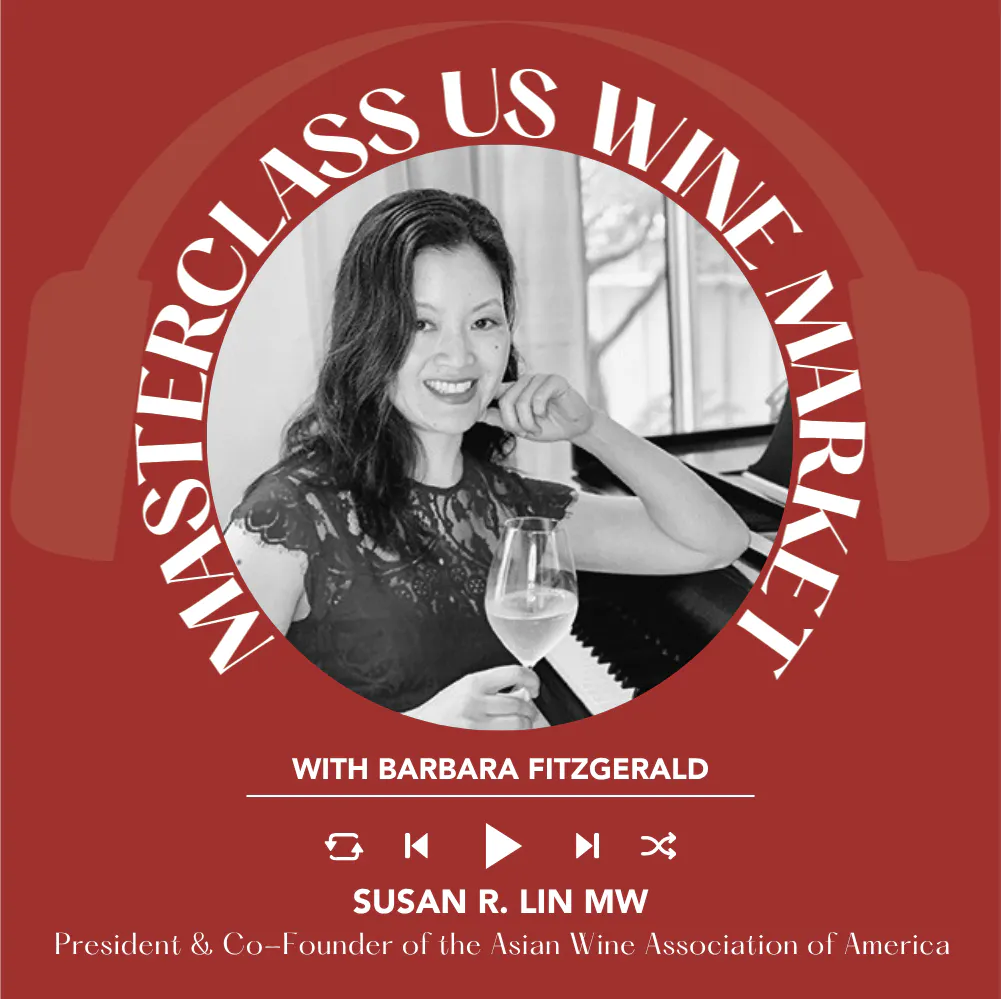
Ep. 2790 Italian Wine in the US: Building a Narrative and Reaching Asian American Consumers with Susan R. Lin MW | Masterclass US Wine Market
Episode 2790
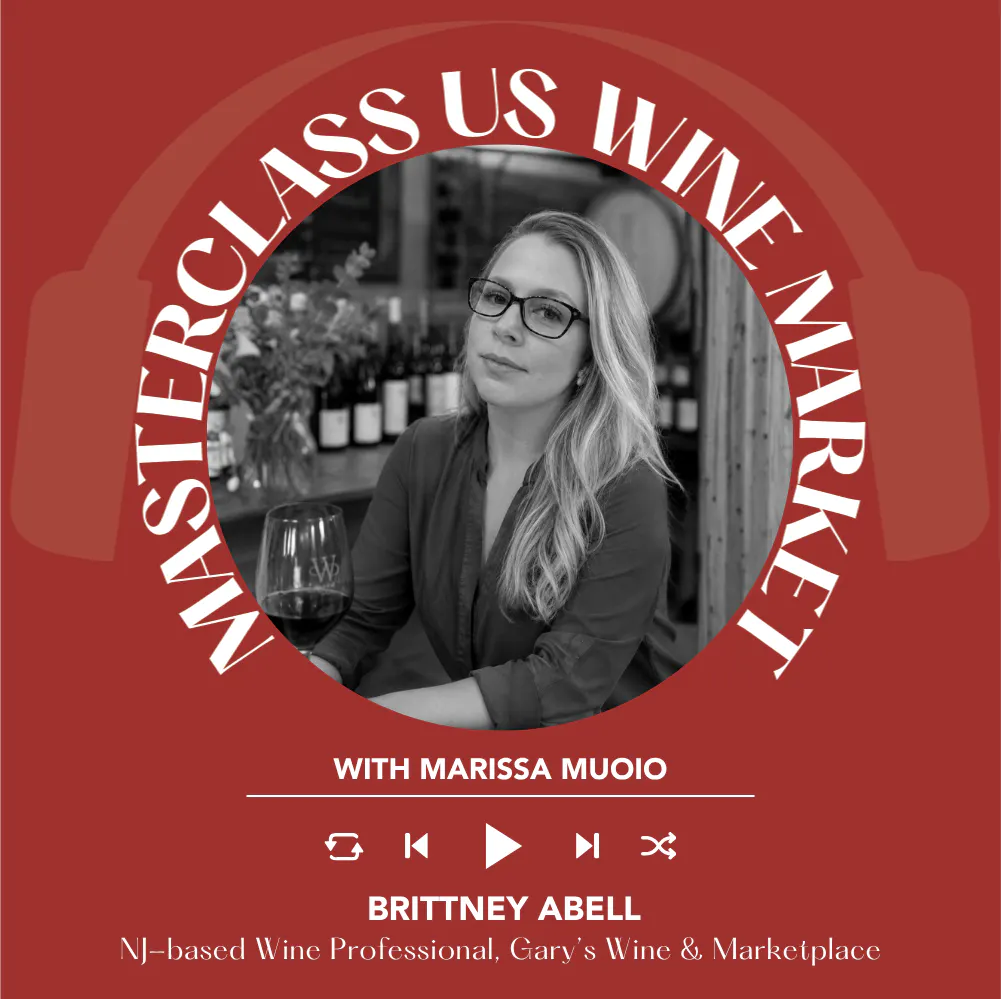
Ep. 2783 The Suburban Gold Mine: Insights into New Jersey’s Wine Market with Brittney Abell | Masterclass US Wine Market
Episode 2783

Ep. 2772 A Surprising Partnership between Japanese Sake & Italian Wine with Monica Samuels | Masterclass US Wine Market
Episode 2772

Ep. 2770 China’s Wine Market: From Misleading Import Numbers to Today’s Consumer with Fongyee Walker MW - Part 1 | Asia Wine Market
Episode 2770
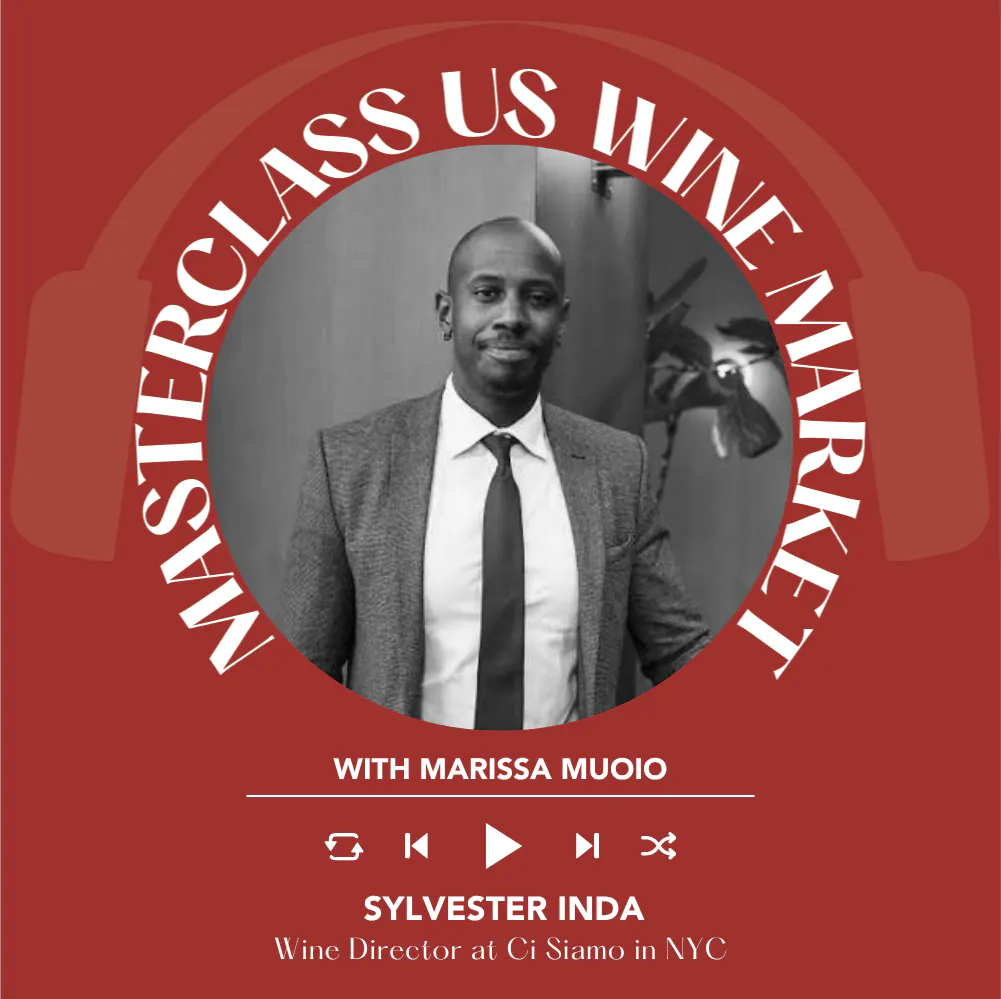
Ep. 2760 Winning the Restaurant Floor: Training, Education & Italian Wine with Sylvester Inda of Ci Siamo | Masterclass US Wine Market
Episode 2760

Ep. 2751 From Montalcino to Kazakhstan with Francesca Arquint of Collemattoni | Asia Wine Market
Episode 2751