

Ep. 644 Josh Wand | Get US Market Ready With Italian Wine People
Masterclass US Wine Market
Episode Summary
Content Analysis Key Themes and Main Ideas 1. Introduction to Steve Ray's new show ""Get US Market Ready with Italian wine people."
About This Episode
The show is designed to help companies find leaders and grow their organizations. The show is designed to help companies find leaders and bring their mission to life. The majority of roles looking for leadership roles are not going to retain search on, but they have the ability to access the job board and have a direct integration with their ATS systems. The shift in recruiting and the need for diversity and inclusion in the industry are important, and the importance of communication and access points to be made is crucial. The importance of balancing compensation and hiring talent in high-growth companies is emphasized, and the need for a culture of diverse opinions and a mandate to build collaborative, diverse companies is emphasized. The importance of finding a culture of diverse opinions and a mandate to build collaborative, diverse companies is emphasized.
Transcript
Thanks for tuning into my new show. Get US Market Ready with Italian wine people. I'm Steve Ray, author of the book how to get US Market Ready. And in my previous podcast, I shared some of the lessons I've learned from thirty years in the wine and spirits business helping brands enter and grow in the US market. This series will be dedicated to the personalities who have been working in the Italian wine sector in the US, their experiences, challenges, and personal stories. I'll uncover the roads that they walked shedding light on current trends, business strategies, and their unique brands. Hi, everybody. Italian wine podcast celebrates its fourth anniversary this year, and we all love the great content they put out every day. Chinching with Italian wine people has become big part of our day, and the team in Verona needs to feel our love. Producing the show is not easy folks, hurting all those hosts, getting the interviews, dropping the clubhouse recordings, not to mention editing all the material. Let's give them a tangible fan hug with a contribution to all their costs. Head to Italian wine podcast dot com and click donate to show your love. Hi. This is Steve Ray. Welcome to this week's show. I'm really pleased to have a special guest with me this week because it's an old friend in the industry. Who has, I believe, transformed the industry and how job searches happen and how employees improve. And that's Josh Wonde, who is the founder of what I knew as Ben Force, but now has many manifestations in terms of forces including beauty force and a couple of other categories. So, Josh, welcome to the show. Thank you. Thank you, Steve. For having me, it's a pleasure to be with you. And, why don't you give us a little bio background of view and kinda how you got to where you are and what where you are is or where where you are. Mainly through passion for the wine and spirits industry in the beverage alcohol space. I've been studying, you know, hospitality in school and growing up around a lot of friends who were restaurant tours. I was just always fascinated with with wine and spirits and went to school in Vegas, actually, to study the hospitality program, which is, pretty renowned. There's a few great programs across entry. And when I was there, I had the opportunity to start working while in college for Southern wine and spirits, of Nevada, which was such an incredible opportunity, probably the best education I could have ever had. It would have made me realize was the restaurant space working within that specifically probably wasn't where my passion lied, but being able to serve the restaurant space and help them curate incredible products for their cocktail menus, for their wine list, for their sake programs, it just pulled it all my art strings, and I had incredible mentors and trainers there. And ended up working for an Italian wine importer out at school, vis a vis, Southern wine and spirits, and then ended up, co founding in my early twenties and running sales and distribution for a rum company, called Montecresto, which was way before the craft spirits movement even existed. It was pretty much Henry Price back then, who's, the godfather of craft spirits, and we were, you know, making credible rum that was, you know, age for twelve years and and had an had a wonderful experience there. And I did that in my twenties, and then I realized that, you know, my magic in life was about connecting people. That's what helped elevate me on multiple levels. And just ultimately made me feel good. And I was really I can I can point to one specific instance when I was at the South Beach Food and Wine Festival? I think it was in two thousand seven, I believe. And I was making a mojito. And and it was my feet in the sand because that's what you do. When you have a room company, you go to the trade shows, well, not over the past year and a half, but that's what we were doing. And we're shaking up shake shaking up cocktails, and someone came and asked me if I knew anyone hiring, in the wine and spirit space for specific role. I was like, you know what? Not off the top of my head, but have Omega mojito. Hopefully, you'll enjoy it. And fifteen minutes later, someone came up to me and told me that they were hiring for a specific role that was spot on with this person I just spoke to, actually specialized in. And so at that moment, I had this light bulb, that kind of went off my head. And I was, at that point, dating, who's now my wife and the mother of my two children, I said, oh, this I have this idea. I've kind of always felt this could be a good thing and drove up to, West Palm that night to meet with my my future in laws. Now they're my in laws. And my father-in-law is actually my mentor in life, business, spiritually, a lot of cross board. And I told him the idea. I said, hey, I think that's pretty good business, actually. I think, you know, there's a big opportunity. Lots of other industries have this, you know, kind of ability to to recruit and connect and, you know, help companies find leaders to grow their organizations. I said, I think they're sawn in beverage alcohol, but not too many. And it turns out there weren't so there were some great players that A couple of people. Right? Yeah. There are a couple of people who had established a reputation, but no entities. Exactly. People that I respected, great deal, that actually taught me a lot. And then, you know, we decided to do it. You know, it's always a it's always a risk to build your own business. And, you know, I always my advice to anyone is if you if you wanna build your own business or you wanna create your own business, do it while you have a job, you know, do it on the nights. Do it on the weekends. Like, make sure that when you can jump off, you're fully into it. Put the plan in place first. And so I put the plan in place while I was still doing the wrong thing on the nights on the weekends, and it turns out the guys that I was working with the wrong business are my very dear friends to this day, very dear friends. I'm actually going to one of their bachelor parties this weekend. And I just got to a point where I said, alright, this is fully baked. I think I can do it. And so we launched in two thousand seven Beforce, which was basically affirmed to help companies find leaders and grow talent. But we said, we want to have a tech enabled platform. We wanna build a marketplace, and we wanna have high touch handheld white glove service too so we can help build org So we did it. We launched in two thousand seven, and it's morphed into multiple entities that now consist of Bevforce, which was beverage alcohol, which is our primary focal point, which is where we were born. But we do non alcoholic beverages, sparkling waters, juices, sodas, all the stuff you can buy in a whole foods or and we also launched another division called Food Force, and then we have Beauty Force, and we have herb Force, which is in the cannabis space, which we're pretty deep in, and pet Force. And so it's all about consumer, consumer tech brands, and in beverage alcohol, wine spirits, beers, just, you know, it's something I'm really passionate about, and we get to help a lot of great people find their dream jobs and help companies find great people to bring their mission to life. So it's pretty fulfilling. What was the Italian importer you said you At the time, it was called AV imports. And AV imports was Oh, AV. Yeah. Avenue brands, and then they got bought by, Oregon Yue. Gordon Yue. Right. Yeah. Yeah. Yeah. Yeah. It was it was Ron Woman and Alpo Korra, wonderful, wonderful gentleman who I learned a great deal from. And so I got to do that. I worked for them for about fourteen months, and Jetta College, and I won think I won, like, national sales manager of the year. Okay. Well, what were some of the brands that you worked on back then? I mean, the so they had they had incredible wines from all the regions within Italy. They had a great Polinese portfolio like Leonardo De Castreus, you know, Solice, Valentino's. They had, from Freolia, they had a Camantini pinot grigio, which was absolutely stellar. They did Poccini wines out of Tuscany. Oh, yeah. Yeah. Yeah. Yeah. Bernelos. A lot of small batch stuff, they also did Belmondo. And Belmondo was, like, an Italian table wine. And when I saw it, and I saw the price point, I was like, there's something here. So I went to all the hotels and casinos in Las Vegas, and I said, listen, you can pour this California table wine that'll cost you x. But, you know, to to all your Black Jack players in your hotels, your banquets and conventions and pool bars, or you could have an import a little bit more of a price point, and we banged out some of these big hotels and casinos and Belmondo was flowing like water. Because in Vegas, they cop at twenty four hours a day, seven days a week if you're playing. So the MGM or the Venetian can do what, you know, a state, a small state in America could do in volume. So I was young. I was twenty two. And, you know, I learned so much and, you know, you had great mentors, and, you know, it helped shade me a great deal. Okay. So that was the end. This is now. Could you categorize the balance of the type of work the company does when I think about it, I think of you as an executive, sir, retained search headhunter, but you have Beth Forest the site. I know you do a lot of C suite management consulting. Kinda, how does it break out in terms of focus for the company? Yeah. It's a good that's a great question, Steve. We we have a team of about probably sixty peoples, I would say, across the country. And we really work to build boards and executive leadership teams. C suite, VP, director level roles across all functions, marketing, sales, finance, operations, d to c HR and legal. So we help build the leadership suite of teams. But we have functional experts that that happen to be really tapped into the community of thought leaders in those specific specialties. So we can always curate the right type of, you know, talent, if you will, or leadership for these orgs. We also have a a a marketplace, if you will, a job board, do it yourself. And so the majority of the roles that these organizations are looking to fill, they don't wanna go to retain search on. They don't wanna go to executive search on. They might have to hire, you know, fifteen sales reps across the country or or Brenda Bachelors. So they have the ability to access our our our job board. And it's got direct integration with their ATS systems. It's got a mini applicant tracking system. They can rate their candidates. And we I mean, we work with the distributors. We work with suppliers. At any given time, we have eight, nine thousand jobs on there and growing. So it's become what we like to think as a focal point for the industry where people can go for curated jobs with within the industry. More, entry mid level roles, And then the executive search is for more of the, the leadership roles. So, and what's the, URL for that website? Force brands dot com. So it's for the corporate thing. Okay. What happens if I type in Bedforce? Dot com. It'll direct you right there. Get to the same place? Okay. Yes. Absolutely. But let's cut to the to the real essence of all this. You know, we're coming out of COVID and all that. What's the future of the office in America in a post COVID world of remote work and Zoom meetings. We've seen some dramatic changes in the world take place. We're still not out of COVID by a long shot, but a whole lot of things have changed. Well, give us your perspective on it, you know, from hiring entities. Yeah. I mean, a big part of what we do is organizational design and advisory work to think about the future state of of the industry and these companies that are looking, they have to change the structure and their makeup and how they've operated because No longer are the days of all employees must report to central headquarters and go there five days a week. I believe those days are numbered. Five days a week in an office, unless it's a production facility or essential work, it's it's very challenging to attract people to that now. You know, I believe there's gonna be a hybrid situation, and we're already seeing it. We're already seeing it. You know, LinkedIn just announced a couple days ago that in perpetuity, you know, their teams can work remotely. And, you know, it's it's so interesting where, you know, backtracked two years ago because I was an office person. We had a wonderful treehouse in the sky in tribeca fed people and had games and cultural act activities and, you know, and all this amazing connectivity. It was just it was wonderful. I mean, I I yeah. Like, literally it drove me. It's what I one of the things I loved most about the business, but people always wanted to have the optionality to work remote. And I was opposed to it. I was like, oh, I don't know. I don't know if we'll get the output. Like, will you really be connected? Like, really should be here. And Right. Old school management questions about how is this really gonna work? Well, now we know it works, but how does it work? Well, so I questioned it. I am a huge proponent of it now. We have people working in fifteen, sixteen states across the country have decided they can they can live wherever they wanna live. Right now, we're approaching a situation where we realize the importance of giving access and and freedom for people to be wherever they wanna be. You can find the best people anywhere if you let them live anywhere. So the talent pool has opened up pretty significantly because it's not just about finding people in New York or LA or Chicago, you could find them anyway. However, people miss people, and people wanna be around people. And it's very challenging to work in a silo in a five hundred square foot apartment in the lower east side of New York when it's freezing cold, you wanna go to an office, you wanna have coffee, you wanna see people. These are where a lot of your relationships exist. We were spending more time with our team members than we were our family. Well, The pendulum shifted where people have more of their own private time now and more of their alone time and less time commuting. However, you know, they they wanna be they wanna be able to see people. So what we're doing is we're doing a lot of we're gonna be doing a lot of leadership retreats we're gonna be doing, you know, combination in different markets where people can come in a couple days a week and work together in spaces, but for impactful meetings. Not administrative work where I'm sitting shoulder to shoulder typing in in logging, you know, my my conversations in Salesforce, but the type of meetings that require strategic collaboration. And I believe that the big thing that gets missed with the virtual workforce is kinda, you know, after the meeting, tapping someone on the shoulder and saying, hey, here's what I meant by that. You wanna go grab a coffee? Did you get that? Did you understand what that meant? Because I'm here to I'm here to support you. I wanna mentor you. Or someone that's out of college that's never worked office environment, it is so hard to learn on Zoom. I mean Yeah. Well, that was a specific question I had. How does that work? Because that's what people have been doing. Mentorship programs. We're working with several companies on this. You know, really developing tracks within organizations and allowing people that are early in their career that might be looking to work in new functions of the business to connect directly with someone who's a thought leader in that space and kind of, you know, bring one of their wing. And whether that's virtually or, you know, grabbing a virtual coffee once a week or a real coffee that they happen to be in the same market or getting together once a month, like, real accountability. And I believe that now more than ever, leadership coaching is critical. Coaching for C suite, coaching for VPs, directors, managers, early stage. We have a whole leadership coaching band across the organization, for all of the emerging you know, thought leaders in our company because it's so important. They wanna work on growth, and it's really hard to do that independently. What I would say is office space is definitely back. It's coming back. Delta has thrown everyone for loop. People will be in offices again for sure. But when they're not required to be there five days a week, will they live in the most expensive cities in America? That's the question. I what is the the purpose of a city now when proximity and centrality were kinda core in Noah. Is New York gonna survive this? I think not only will we survive, we might just thrive. You know? You you talk to people that have space and the quality of work that they can no. Listen. Not all work can be done independently. Retail work can't be independent done independently. You gotta go into retail. If you're in production and you're in winemaking and you're distillation, you you gotta be there. But for the professional services side of it, sales, marketing, finance operations, do you see e com? People want flexibility. People want flexibility. And now more than ever, the beverage alcohol industry is going through this transformation of direct to consumer and online and where are they attracting people from? Beauty, personal care, consumer products, luxury lifestyle, Instagram brands, all the stuff that we buy every day, it all happening in beverage alcohol. Where do these people live? Not in all of the major markets where all the beverage alcohol companies are headquartered, the best people are the best people. So being flexible in where they live will enable companies and organizations to attract the best and and and brightest talent for their specific organ. Everyone's got their own different culture. However, setting expectations and letting people know you might be working remote, but this is how often we're getting together. And this is how it's gonna work. If you're not gonna spend the money in the office space, you gotta spend the money on bringing people together. For experiences. I, I think that's an absolutely critical thing. And I'm thinking of it from a management perspective. I mean, you know, it used to be, maybe you still do, you know, personnel reviews and those kind of a, a one, once a year type of thing, which wasn't very efficient. Either, but at least there was the conversation was forced, but at least guaranteed. How do you do that in a remote environment when you don't see somebody working or they can't say, hey, no, what was something we were talking about, you know, unless you're just live on with them. You know, it's the challenges it becomes very production focused, what was the output? You know, and that's where it becomes very robotic. Because what you can evaluate is the quantitative. But the qualitative is very difficult to do because you come into a zoom. You got thirty minutes. There's six other people in the call. You might not have the chance to say, well, here's my real feeling here. Here's how I think we can do this better. So my as leaders, the like, I personally feel the leaders have to work harder than ever to connect with the people that are in the front lines and connect with the people that hear what's happening in the real world and with their customers because right now the actual the days of tenure tenure determining leadership it companies is over. It's no longer about tenure. It's about who is going to contribute at the highest level peak performance and engage. And if you are someone who just got your MBA, you're out of college and there's someone else that's been in that business for twenty years, you've got as much access as CEO as the other person on Zoom. You can easily reach out and say, hey, can I talk to you and and and and leaders are doing that with their teams too? I I see that point, and and I like that. But our industry, I think, and maybe it's because I am also tends to be old white men, or has been for my whole professional life. Is that changing? And, you know, to speak to that in a whole, you know, where we're going with me too, Black Lives Matter, diversity, inclusion, equity, all of that kind of that? It it has to change. It it it has to change. If the industry wants to continue to prosper. I mean, if we wanna continue to lead the charge, there is zero question. I was just having to talk with, Deborah Brenner from, women of the Vine and spirits last week. We did a LinkedIn talk together. We're about to release. It's all about that. It's by the way, everyone needs to get better ourselves included. But it's not about it's not a quick fix fundamentally systemically. It needs to be you know, integrated in every organization because the data shows that the more diverse and inclusive a company, the higher the profitability of the company. It's fact based across industry. There's so many studies that have been done, but it has to start fundamentally, like, out of college too. And access programs, you know, where people where where where where there's the ability to go work for suppliers and distributors. And by the way, there's great work being done right now. It's just it takes it takes real collaboration throughout the industry to do it because think, it it has it it has been, you know, without a lot of diversity in the past, it's getting better every day, but, like, you can't rest. You can't rest. You gotta continue to do it. We look at it. We brought in someone in our organization just to work with, diversity inclusion with us. Like, we have to practice what we preach and we have to figure out a better way for the next twenty years to grow our organization. And by the way, these companies, these wine companies, spirits companies, food companies, beauty companies, cannabis. They're coming to us asking us how to do it. So there's an ecosystem to support it. I would say, women of the Vine spirits has done a great job with it. Be the change did a great job with, with with with the job fair they did. But, like, you know, the work continues. And and I I do believe that, we'll get there. I'm I'm really optimistic, and we find ourselves in a really valuable seat to, to influence and connect. And, it's a it's a big part of the future. Okay. So I guess The the the question I asked was if we were an an industry that was not very diverse, and you say you are seeing that change. Is that different or is this the speed of change or rate of change different for suppliers, domestic or international or for importers or for distributors or retailers or service companies or for all the other things that, you know? I think it's I mean, I think it's across the board, man. You know, it's like you look at all the venture capital and private equity coming into our space, flation. Shoot. We deal with most of them. They don't want to invest in companies unless there's a diverse board. They wanna they they wanna know that there's real diversity in organization. Like, it's a mandate. And the board is really kind of like the the biggest picture that anybody can show. Right? Well, the board dictates the growth trajectory in conjunction with the CEO and the COO or the CFO of the company, to build an organization that consists of, like, collaborative diverse opinions so they can really go successfully, you know, position themselves in the market. So the more diverse the board, the higher the likelihood that you will have, like, real value propositions in the market and run a company in a healthy way. So, like, the Nasdaq just announced this, you know, diversity and boards is build its passing. So I I I believe that, you know, it's not happen nothing happens overnight, but every little bit matters. And no one can no one can avoid it. I think it's it's it's critically important. And we've gotta we we've gotta educate the younger generation on how wonderful this industry is. Ten years ago, fifteen years ago, you go to a job fair and a career campus, You might see a distributor. You might see, you know, Red Bull. No one was recruiting. You know? That's changing systemically. Like, like, at the point of career journey, these organizations are going deep in, and they are making sure that they have really wonderful, you know, talent acquisition, organizational design, like human resources thought leaders to be to to be choiceful. About about how they how they how they grow, like, the future state of the business and and in the way they recruit. So I believe it is changing because it's, like, we hear it all the time. It's just, you know, it it it's gonna it's gonna have to be a constant evolution and nothing's overnight, but I feel really optimistic about where we're headed. Okay. So I couldn't get through to say, yes, the industry is lagging behind. The Bevauk industry is lagging behind others. Thought that was my feeling. Well, I mean, listen, most industries were lagging behind. Right? Okay. Fair enough. It's all about what you do now. You know, like, I can't you can't think about yesterday. You gotta think about what you're you you have to acknowledge what happened, but I do believe that people have, woke into the reality. Especially with organizations, I keep going back to women of the vine spirits are doing a great job with this. If you see how many people are involved in this community, it's very important. So it's a it's a relevant conversation, and I I would say that, you know, consumer in general was lagging behind. Okay. So let's think about you were talking about the recruiting thing. You know, it used to be that, you know, they would send, some representative who went to a school and go to the business school for a couple of the Iber league schools or Sanford or something like that. I don't know if that's happening anymore, certainly not the way it used to. How does somebody who's not physically in in New York or in Boston or in Miami or in Chicago or whatever it is? Connect with those intern opportunities or career starter type things to say, yeah, to to get to onboard into this industry. Yeah. I mean, obviously, the the past sixteen, seventy months have been horrible for that. Right? I mean, it's it's all it's all virtual and digital and applying online and hoping, you know, get some type of access point. I mean, that's gonna start to open up again. You know? How do how can someone differentiate themselves or or be recognized in a world of digital evaluation and computer. Good old fashioned courtesy gratitude and thoughtful outreach. Let me give you an example. And that wasn't a a a a softball question. To everybody out there. So I've known Josh for a long time. We hadn't spoken probably in a year. One day, I literally got a handwritten note in the mail saying, Hey, Steve. We haven't spoken together I haven't spoken for a while. Let's get on the phone together. I gotta say if my world stopped. I mean, that kind of stuff used to happen. We used to write letters, you know, in the days before FedEx, but that was so unique and so differentiating, not that I'm gonna hire you. Although, yeah, we might do some projects for you. But the idea of separating yourself from everybody else and saying this is a personal relationship. This is important to me. You are important to me. That kind of a thing is, incredible. Do are people doing that or what are some variations on that that they may be doing them in the digital? Yeah. I mean, I still do to this day, right, fifteen thank you cards a week, probably. And I mainly do it because I enjoy it. It's I enjoy it. And I can't tell you how many CEOs and founders. I I mean, I couldn't even count it. It's dozens and dozens have written me thank you cards, thanking me for the thank you card. Alright. When when does it stop? I mean, you name it all the way to the top. And it it it and so it's because because it's not a law start, it depends. And I, you know, I I think that, you know, email has become so obligatory, you know, and we get bombarded by emails. And everyone's pitching you on something. And nine times out of ten, people don't even send a follow-up. Thank you. And sometimes they do. And Gratitude matters. You know, like, if you are a human being that wants to persuade an organization to bring you on to join that specific organization, you have a much higher likelihood and probability of being asked to join the organization if you have some type of compelling communication style. And what I mean by that and I get this I get linkedin requests all the time. I don't need a time to respond to all the requests, but when I get a message from someone on LinkedIn or an email that expresses how much they respect our organization and what we're about. And exactly what we do and quote a specific comment on an interview or talk to me about one area in my career or someone that they know that I know in the industry who they respect a great deal, who they had a conversation with. And, by the way, everyone knows someone that knows someone. That's why LinkedIn connections exist. Right? But if you're thoughtful in the way you do that in a fun professional, thought evoking way, anyone's gonna respond. And you know what? If you get the attention of a CEO or a VP of finance, or a v p s l say, man, that that was really that was really I really liked that person. If they respond to you, they're gonna say, whoa. That's something that could really add value. Of course, we're gonna let them talk to our team because they're not robots and just sending pieces of paper and resumes out everywhere. That's the big mistake, I guess. Is is don't confuse activity with results. Yeah. I mean, if you're, you know, if you are, you know, six months out of college and you see a posting, for a CFO for Petrone, probably don't apply for it. What it says fifteen years experience. Right? So what you could do is reach out to whoever's in the role and say, Hey, I'm really interested to get involved with finance, and here's what I done. And here's why I think this is such a compelling company, and and and share some thoughtful insight about why. And so people people very often know the what and that they very often get caught up in the how. Like, if we just thought about the why more, the why is very often how we can emotionally align with other people on the other side of the table. And I think that's key to the the whole thing, because it to have a conversation, not a one way communication, which is what email is, to get some feedback, and we do it in terms of, you know, for pitching importers from new brands or whatever it happens to be. What are you bringing to the party? What is the need that they have? And if you demonstrate that you've done your homework and listened to some, it doesn't take a lot to, you know, it's so easy to, to do a search online now or find something in LinkedIn or a presentation or a quote or anything like that. I find ninety nine percent of the people don't do that, and it's so easy. I I gotta tell you. You can call old school, call call it whatever you want. I mean, you know, I'm forty four years old. I feel like I'm old school and new at the same time. I'm just my school, whatever. I I promise that, like, people will never, ever, ever get sick of receiving thank you notes or thoughtful gift ever. And if you do the the little things, you talk to someone who responds and you send them a thank you or something thoughtful for the alma mater. I gotta tell you what. We'll respond to you anytime. And it's all about access points. And so at this day and age, people are so limited with their time, they don't have to take all the meetings that they used to. You can't just have them on their shoulders at the office. You got twelve Zoom meetings a day. That's it. Know, you're really choiceful for your time. Maybe you have kids. Maybe you're at home. Maybe you wanna be done by five or six. You don't have to commute. You can. You're not just gonna respond to everyone. But if someone pulls at you and gives you a reason to believe that that conversation would be really interesting, people wanna be mentors. People wanna give back. You know, it's like you think about the mentors you found in life, how do you find them by pulling at their heartstrings? Not by just saying, give me, give me, give me, here's a piece of doc here's a document. No. No one cares about that. One of the things that I I've used successfully is a follow-up forwarding an article that was relevant to the conversation that we had or a book or, you know, that lands on their desk and today, I think you'd be interested in reading that. I I do that a lot. Amazon's my best friend for that. And I I I think it's a good, I miss work well for my business. Yeah. You gotta figure out, like, you know, if you talk to, talk to someone and they desperately miss New York Bagles, you know, get on send them some H and H bagels. Guess what? H and H. On the west side, the one that has the sign on the west side highway? Yeah. Good good bagels. I mean, I'm in Santa Monica right now. I miss New York bagels desperately. I was just back there with my kids. I know they have them in California. I think it's the New York water and it can't be duplicated. Florida too. It's it's like the New York pizza. There's a Joe's pizza here and a Joe's pizza in New York. Santa Monica, it's pretty good. It ain't Joe's of New York. Okay. So one of the issues that I see coming up, I read a lot about is salary expectations being out of sync for a lot of younger kids for lack of a better word, people that pack some experience, but, you know, think after two years of working, you know, as a sales rep for Diageo, they ought to be, you know, divisional vice president next year. Can you talk about salary expectations and job responsibilities and inflation in there? Probably the most challenging conversation right now, because there's I mean, you read about it. Across the value chain, there's a shortage of of of labor, if you will. Starting starting at retail to, you know, college graduates to mid level management to director VPs. Salary and compensation expectations have shifted so significantly. It's like, at the beginning of COVID, like, all of us, like, we are just grateful to have a job. But, like, thank god. We're employed and we can feed our family. Right? And, like, that was really the case. Oh, man. There's a lot just so thankful for that. And a lot of people post COVID as we get to the tail end, I've never seen comp structures look like they do now. And I believe so much money is hitting the private markets right now through investment, through venture and private equity, see, especially in consumer consumer tech, anything you'd order on Amazon. Right? Anything you'd order on drizzly. There's so much funding evaluations are so frothy that with that comes the ability in a healthy balance sheet to pay, compensation, you know, packages and structures that were twenty, thirty percent what they were a year ago. And the tech industry is not helping with that. You know, because when you look at you look at where our business is shifting and the fundamental kind of like evolution is d to c and e com. Right? I mean, that's where it's really your technology integration. Where do those people come from? Silicon Valley, Silicon Ally. Right? Compact relationships, what type of companies is the worker? Andries in back companies, Sequoia back companies, bessemer back companies, because guess who's investing in these BevTech companies. So with that comes an imbalance, what I mean is If all the tech talent's gonna make this much, then there's gotta be parity, why wouldn't the traditional sales talent make this much? Why wouldn't operations talent make this much? Why wouldn't finance talent make this much? Because these are high growth companies that are that are very well back. Even the public companies, the public beverage alcohol companies, they cannot keep people employed because people are leaving for more money. They're saying, what do you mean? We always had compensation committees. We always have these bans. It's kind of out the window right now. And it's to a point where It's really it's it's really hard because I think there has to be a course correction in the economy in general, where compensation has to be in line with contribution and skill set, but it just there was kind of a misalignment where in a lot of areas, people weren't being paid, what they were in other adjacent industries for the same role, and that's changed. And, you know, I think I believe that it will continue to. It's gonna be interesting to see how much volume is driven, you know, omnichannel together. And what type of talent you see the big the big suppliers and distributors investing so much in technology and engineering and product? I, you know, I believe that, you know, if there's gonna be a lot of specialization in the field. I think I think it will enable sales people to be much more powerful, actually. You know? Yeah. And I think the, fundamentally, the role of what we thought of as a salesperson, whether it's a distributor person who's dragging a bag, whether it's a brand ambassador, whether it's, you know, importer sales team, their jobs are different. You can no longer just drop, not that you ever should have, drop into a retail store and say, Hey, you know, let me tell you about product a or product b. You need appointments. And even now, you need more than an appoint, you need an appointment and a subject, and a a clear idea of what the action might be or what's under consideration. And what these companies are doing so well is they're providing these, like, central dash boards, you know, these sorts of truth. I mean, my other software company pinata does that for all the trade activity for demo sampling merchandising in store surveys and what you're able to have at your fingertips with these software companies is pretty powerful because now when you go into an account, you can be really consultative. There's great advice that you can really share categorically what's happening in the space so they can make smart informed decisions opposed to just selling one on five. Right? But so so it's really I think it's gonna man in power sales specialist to be really effective in the field. So you raised pinata, and then that's what I wanted to explore too. Tell us about what that is and and how it's working. And Yeah. It well, it's basically, it's evolved quite a quite a bit since we first founded it, and I have a great About, like, seven years ago or something like that? About about five, the idea. And, you know, until I brought in a wonderful partner, Ian, who's really the the the president COO who has architected this platform, It was, really figuring out what the industry needed to kind of in the field, you know, this this task management function all below the line trade marketing. There's so much of that activity that that happens, and there's so many so many organizations that have to cross collaborate. Distributors have to manage budgets for suppliers, which, you know, in the in the actual funds get deployed to agencies, promotional staffing agencies, and then money gets paid to people to perform tasks out there in the field, and those people actually have to perform a job and collect data. So what we have developed and built is a software platform that is basically the pipes and the connective tissue between all those organizations. So they can build we just signed that national deal with Campari for all of their activations. And the way in which they would do programmatic management in the past might might be harder to manage. Now it's one central dashboard. They've got distributors in every state that they're collaborating with. They've got promotional agencies. Everyone's using the software to collaborate and communicate. Real time inventory is part of that. Yeah. Yep. Doing in store survey checks, setting up samplings, activations, promotions, promotions, all of that, everything below line. And it's all, you know, it it's a click of a button. And so when people are out there in the real real world, they can go collect data you know, record it. And then it gets rolled up into local regional and national programs. They can slice and dice based on their portfolio based on price points based on who's performing well. So it's really all about visibility and transparency for task management in the field. And gives so so it's really become such a powerful exercise, and we've got, you know, great people involved. And now we're really building the team, but you do this by listening. You know, for me, it's always been about solving problems and finding white space, well, you learn a lot when people start to use the software. What do they really want? How are they really using it? And so the power of engineers and great product teams to that that are intuitive has It's really taught me a lot, and it's been incredible. And I believe that we're positioned to become, you know, I I believe that the industry platform to to serve up this data and business intelligence. So we're excited. So and that's pinata dot com? No. Yeah. Go piniello dot com. Okay. We've gotta bring this to a close. I could sit and talk to you for hours. Me too. Really enjoying this and, clearly, you've given a lot of thought to it. I think, you're explaining it quite clearly. But we do have to end it. And one of the things I'd like to end with is kind of the big takeaway. So everybody's been listening, well, who's ever been listening, who's ever left listening, and I think there are gonna be a lot of people. What's some things that everybody can take away from what we just talked about put to use immediately and improve their own situation, whether it's a job, not necessarily a job search, but in the way they conduct themselves in business and so forth. Yeah. I mean, this, for me, it's simply do what you love, know what you're good at and double down there. And You're making it step in your career. Find a company that's meaningful to you and have a clear idea of actually what you would enjoy doing. There's no shame in figuring out what you'd enjoy doing. If it's sales, if it's marketing, if it's operations, if it's making things production, all these companies, they do all of that. They literally do all of that. So figure it out what it is or the type of organization in an industry or the type of sector that aligns with your values and excites you and find the people in that company that run that department and do that job in respectfully and thoughtfully and humbly reach out to them in an engaging way to find out more. And if you're a senior level exec and you've just gone through the pandemic and, you know, you're just staging your career where, you know, you've been able to reevaluate life and gain perspective. Do what you love there too. Life's too short. Like, like, join a company that matters. Like, if you've always wanted to be with a high growth private equity backed company and build and sell it, like a deep eddy, then go join a company like that. You know? If you've always wanted to work for a global CPG, go do it. But if you don't take the steps to go do it, no one can do it for you. And there is a big demand for talented people at all levels right now. There are more jobs than I've ever seen ever, and there's gonna be no slowdown, I believe, in the next twelve to eighteen months. So now's the time, you know, to to kind of dig deep and figure out what you wanna do and go find it because no one else is gonna make it happen. You know? I mean, the best usual I talk to Josh again, I'll look excited with these great ideas. I hope those of you who are listening are gonna put that into play. At the very least, even if you're not looking for a job, all of those things make sense for networking because you're always looking for a job, even if you're not looking for a job. And that's part of, I think, being a curious individual engaged in society and contributing, and part of something that buildings, not just get me a better job and get me more money. You can be better at what you're doing. Get more enjoyment out of it. I love the way you you phrase that, Josh. That was really wonderful. Thank you. So, we're gonna bring this to a close And, once again, I I big thank you, Josh. Thank you much for your time. Thank you much for your friendship. Thank you much for your personal notes. I really like what you're doing. My well, Steve, it's my pleasure. And I've, you know, such a great deal of respect for you, and we've known each other since I pretty much started this company. And you know, there's certain humans along the way who you just really enjoy spending time with. You might not see him every day. You might not see him every month, but when you do, you know, it makes you feel good. And I just I I I just have a lot of admiration for what you've done. And and the place that you sit in this industry. And it's just, you know, it's an honor to be able to, you know, have this talk and, you know, love it. Love it. Okay. Alright. We both meet it. So if that's cool. Alright. So a a big thank you to Josh and check-in next week, and we'll have another great interview. This is Steve Ray. Thanks again for listening on behalf of the Italian wine podcast.
Episode Details
Keywords
Related Episodes
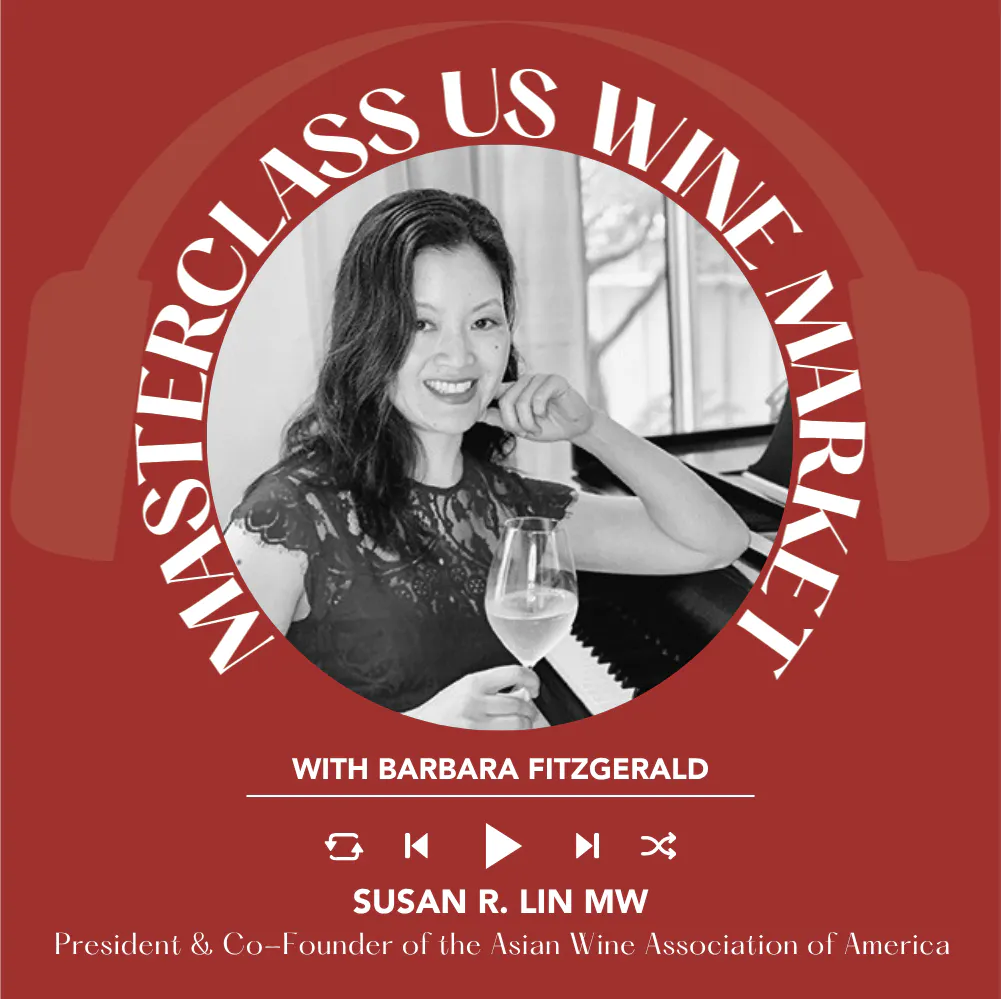
Ep. 2790 Italian Wine in the US: Building a Narrative and Reaching Asian American Consumers with Susan R. Lin MW | Masterclass US Wine Market
Episode 2790
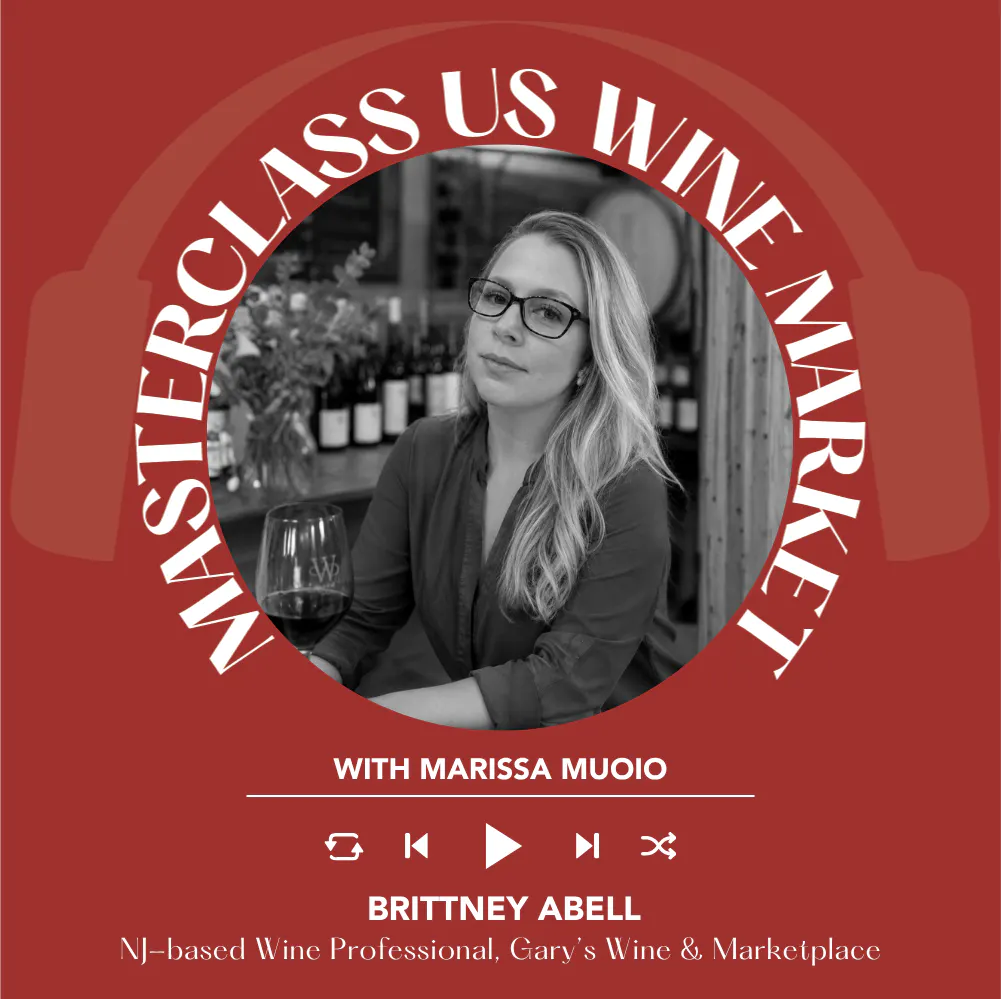
Ep. 2783 The Suburban Gold Mine: Insights into New Jersey’s Wine Market with Brittney Abell | Masterclass US Wine Market
Episode 2783

Ep. 2772 A Surprising Partnership between Japanese Sake & Italian Wine with Monica Samuels | Masterclass US Wine Market
Episode 2772

Ep. 2770 China’s Wine Market: From Misleading Import Numbers to Today’s Consumer with Fongyee Walker MW - Part 1 | Asia Wine Market
Episode 2770
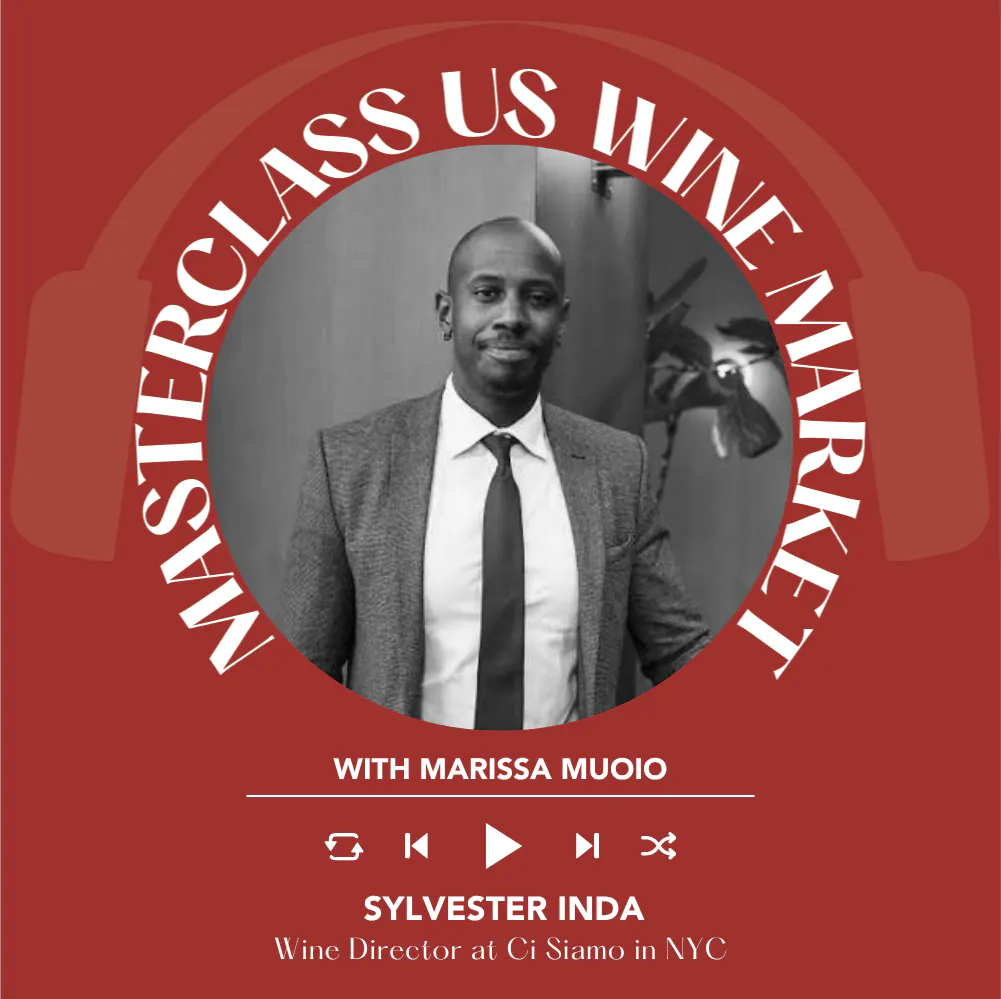
Ep. 2760 Winning the Restaurant Floor: Training, Education & Italian Wine with Sylvester Inda of Ci Siamo | Masterclass US Wine Market
Episode 2760

Ep. 2751 From Montalcino to Kazakhstan with Francesca Arquint of Collemattoni | Asia Wine Market
Episode 2751