
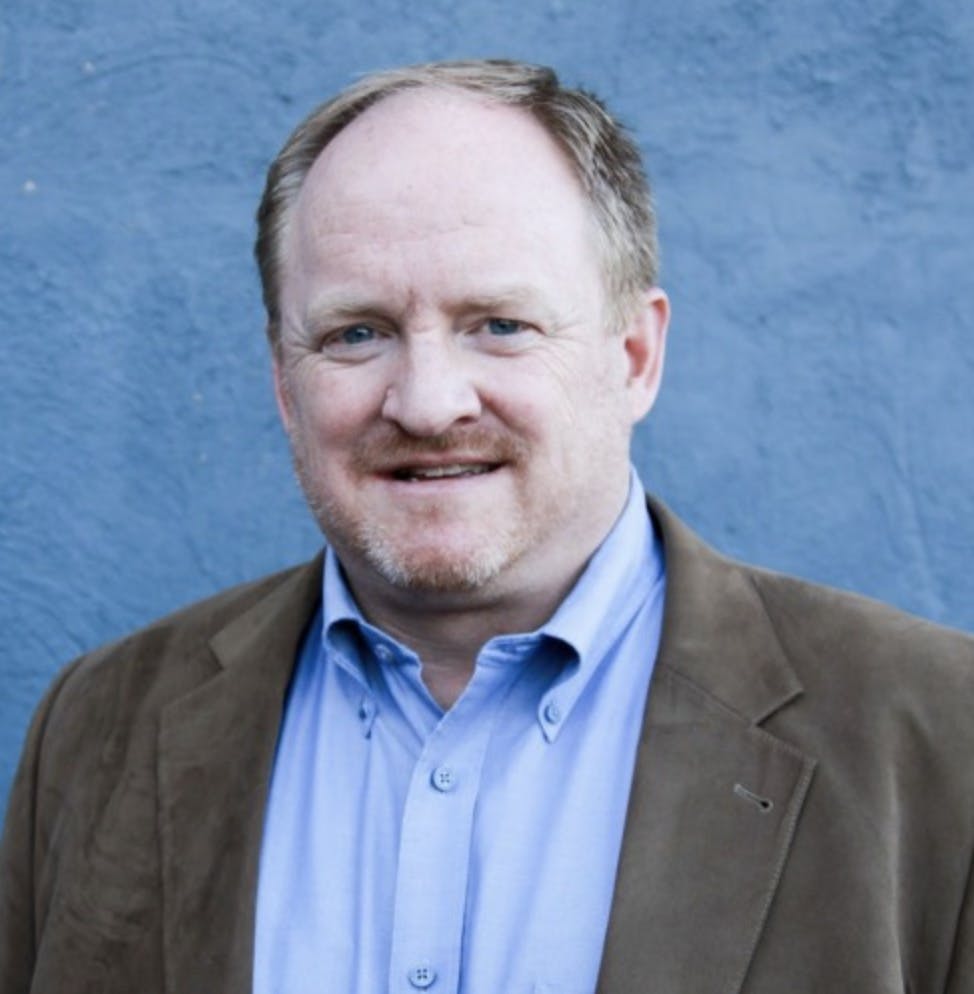
Ep. 562 Mike Provance | Wine Business Talk With Colangelo & Partners
Wine Business Talk With Colangelo & Partners
Episode Summary
Content Analysis Key Themes and Main Ideas 1. The application of hyper-targeted digital marketing in the independent wine retail sector. 2. The role of real account-level retail sales data in building consumer profiles and marketing strategies. 3. The distinction and importance of psychographics and lifestyle over demographics in understanding consumer purchasing behavior. 4. The impact of the COVID-19 pandemic on consumer shopping habits in the alcohol industry. 5. Metrics for defining success in digital marketing campaigns for wine brands. 6. Current trends and observations regarding Italian wine demand in the US independent retail market. Summary In this episode of the Italian Wine Podcast's Wine Business Talk series, host Juliana Calangelo interviews Mike Province, CEO of Three by Three Insights, a digital customer engagement company specializing in hyper-targeted advertising using retail data. Province explains how his company leverages sales data from independent retailers to build detailed shopper profiles, focusing on flavor preferences, lifestyle, and occasion-based motivations rather than just demographics. He discusses how this data is used to create highly specific digital marketing campaigns across social media, programmatic ads, and search, aiming to drive consumers to stores or online platforms. The conversation also touches on the impact of COVID-19 on purchasing patterns, the various ways success is measured in marketing campaigns (e.g., sales lift, market share, foot traffic), and current surprising trends in the US Italian wine market, including strong demand growth in independent channels and the unexpected limited negative impact of tariffs on sales volume. Takeaways * Hyper-targeted digital marketing, leveraging retail sales data, is crucial for reaching consumers effectively in the competitive wine industry. * Understanding shopper psychology, including lifestyle and occasions, is more vital than broad demographics for predicting alcohol purchasing behavior. * The COVID-19 pandemic led to less frequent but larger basket purchases in independent alcohol retail. * Successful marketing campaigns can be measured by sales lift, increased market share, foot traffic to stores, and conversion rates for online sales. * Italian wine demand is currently experiencing strong growth in the US independent liquor store channel, outpacing French and Spanish wines. * Prosecco remains a significant and consistent performer in the US market. * Despite tariffs, US consumer demand for Italian wine has seen sales by dollar increase faster than sales by volume, suggesting consumers adapted to higher prices. Notable Quotes * ""Our business focuses on hyper targeting, which means we're interested in how to reach consumers locally near the stores where they shop and help them find the right products to do that."
About This Episode
The three by three insights used in their podcast use sales data from retailers to reach consumers locally and build audience profiles. They use digital marketing to optimize shopping outcomes and spend in different channels to target customers. They use social media and programmatic ads to optimize spending and optimize spending in different channels to target the right audience. They measure success through their brand's strategy for the product, which is the measure of success for the brand. The Italian wine market is experiencing a strong increase in demand due to tariffs and the demand trends in the US and Italy wine market.
Transcript
Welcome to the Italian wine podcast's wine business talk series. Every Thursday, we will be connecting with our Italian wine podcast listeners all over the globe on all things wine and business. This podcast has been brought to you by Colangelo and Partners, the leading fine wine and spirits agency in the US. Visit Colangelo and partners at w w w dot calangelo p r dot com. Hello. Welcome to wine business talk on the Italian wine podcast. I am your host, Juliana Calangelo. For us in the wine industry, it's no secret that it is more competitive today than ever before to get your product in front of the consumer. Today, we have the pleasure of speaking with Mike Province CEO of three by three insights, a digital customer engagement company that enables hyper targeted advertising by using real account level retail data. Mike, welcome to the show. Thank you so much for being here today. Thank you so much for having me. Absolutely. Alright. So before we get into the nitty gritty of today's conversation on marketing and technology, let's stay at Gmail a little. It's a it's over a year now and in lockdown and things are starting to get back to normal, but we're not quite traveling just yet. So describe for me your perfect vacation day in Italy. Perfect vacation day. Well, I'd have to say it'd be sailing up the multi coast and then pizza and Naples for dinner. Sounds pretty beautiful. And what what would you be drinking? Definitely a red wine, probably, something something from Tuscany. Perfect. Well, sounds pretty amazing. Okay. Well, now for the now for the technical stuff, So last episode, we spoke with Aaron Sherman over at seven fifty and we learned how Italian wineries can reach the retailer and sommelier in the US. Today, we're gonna take a step down in the the three tier and talk about how to reach the consumer and how the combination of strategic, targeted marketing, and retail data can come together to allow retailers and brands to reach new customers. So to kick things off, tell us a little bit more about three by three and how it enables wineries and retails to use sales data for marketing this Well, as you mentioned, our business focuses on hyper targeting, which means we're interested in how to reach consumers locally near the stores where they shop and help them find the right products to do that. So we use our data, sales data coming from the stores that we have, collected through our network to build profiles of those shoppers. And that comes both from a flavor profiling point of view of the products that are selling and the baskets that are are being bought. And the shoppers themselves and understanding the lifestyles, the occasions, the things that motivate their shopping behaviors. Got it. Okay. So to you take those two things together in order to allow wider reason retailers to then more specifically target you know, their marketing strategies to their end consumer. Absolutely. Both of those data sets, enable us to build or to triangulate in on who are the right shoppers for a particular bottle of wine or a particular spirit. Particular, particular products that that the retailer wants to sell. We use that and couple that with a digital marketing strategy that lets us build the right audience, target that audience locally around the retailer and send them to the store so that we're getting foot traffic in the store, getting traffic to the store's website, getting store traffic to to the brand's website to create that opportunity shop. Interesting. So You know, in twenty twenty when so many consumers moved online for almost all their shopping, how did COVID and the pandemic change or alter the opportunity to utilize this data? Interestingly, everyone moved more to digital and understanding what products they wanted to buy. But in the independent retailer channel that we focus on, the the buying still happened curbside, and some of it still happened in store, although we did see a dip, we because we tracked all the sales that happen in the retailer stores, we were able to see more larger baskets shopped for on a less frequent basis. We would see surges of purchase, then a burn down, and then another surge, and another burn down. Where it had been more smooth in the prior years. So that all kinda happened from March to July of twenty twenty. And then everything started to return to more normality after that. Although sales still stayed a bit higher than normal. Got it. Alright. Well, that's that's a positive. K. So let's talk a little more specifically. How could an influential brand say Italian one for today's sake count on three by three to acquire new customers in the independent retail channel in the US? So our our focus and the way we work with brands is to move the right shoppers through their their buying process, through their journey, and get them to that point to purchase faster. So with an an Italian wine brand, we would build that audience that is likely to want to try or switch to that Italian wine. And that may mean pulling from audiences of similar wines or from the same region, or even going to build audiences more broadly that have a similar interest in wines of a similar taste profile so we can bring them to that wine, to that wine brand and get them to try it. So we the audience building process is really one of understanding the shopper behavior. Then the next step is to use digital, marketing through different channels, whether it's social media, programmatic search, or programmatic ads or search to drive that shopper to the store to purchase, drive them to a website to check to to purchase, get them to the brand website if they have a direct to consumer, option there. But it ultimately, it's about moving them through that prospective shopper to put it putting the product on a consideration list to actually getting them to purchase. Got it. Okay. And you mentioned that social media and and search are the primary media channels in which the ads are running. And programmatic ads run on apps on the mobile. So we we tend to target people on their mobile devices because we're either capturing them in a moment of content consumption or on the run out doing errands when they're likely to stop and make a purchase. Yeah. So it's definitely happened to me. I know I've I've made a few impulse purchases that way. So between the social and then the programmatic and paid search, is there one sector that's maybe performing better than the other or do you work with them pretty evenly? We optimize based off the results we see. So we'll start with what we believe the right mix of channels should be, and that, is driven largely by what we think the shopping outcome is going to be e commerce, tends to perform very strongly with social media, where programmatic ads, you know, frankly, if you're out running errands, you probably have apps open on your phone and you're likely to see programmatic ads more more likely and get you to to walk into the store and shop. But we we will be optimizing throughout a throughout a program with our brand, brand partners. So we'll look at channels, and we'll adjust spend in different channels to accommodate that. There's there's no one solution that works definitively because so much of it has to do with where that ad is placed and when it hap when it shows up on the device and all those other factors play into it. Yeah. So it's hitting multiple touch points. That that makes sense. So you talked a little bit, previously about the target audiences and and how important it is to develop those target audiences to see success with with utilizing this this data. So talk a little bit more about how that works. You know, are you using demographics, psychographics, a combination of both? And also, how are you defining the psychographics when you're putting together these these customer target audiences? Really, it it boils down to shopper psychology and in alcohol shopping, the re research has shown that our buying habits are much more closely tied to lifestyle and psychographics and occasion. Meaning, you know, you can't just kinda group all white men or all you know, young black females and tie that to a particular product selection, that it's more often has to do with why they're shopping in the first place. I might shop in a grocery store for wine on certain occasions Mike, I need to restock my refrigerator. But if I have a nice dinner that I'm going to, I'm gonna wanna bring a better bottle of wine, I might shop at a local liquor store to do that. And so the the motivations for why I'm shopping are very strong occasions coming up, but also looking at just lifestyles of people who are, maybe concert goers or beach, you know, beach goers can have a much more profound impact on predicting purchase. So we use psychographics. We use attributes that help provide a reflection of households' lifestyle behaviors more than what the demographics are. Obviously, demographics come into play when you're talking about higher end wines, you're looking at more affluent purchasers typically. So there is a level of demo that comes into it, but we don't start there. We start with trying to understand why people are shopping for the product, and then we work kinda down into the the more, typical measures. Right. Right. No. That makes sense. So with that in mind, is there any typical profile of the Italian wine consumer in the US or if you need to drill it down more specifically to a specific region? But are you seeing any shared psychographic behaviors among this target consumer? Well, I mean, I think trying to trying to have a single consumer type for all Italian wine is a is a broad undertaking. But if I think about some specific ones, you know, throughout, you know, twenty nineteen, And even into twenty twenty, we saw growth in sparkling wines. So especially Italian sparkling wines we're doing, and Rosets were all kind of strong. Pink wines are very strong in that period. That was reflective of more of a female demographic. Right? It didn't that end, but it also had very strong ties to summertime behavior, outdoor behaviors, you know, picnics and parties and get togethers where where you know, kind of the the wine tied in well to the the occasion. What was interesting is that that's that trend continued post summertime into the winter period. We still saw growth in in the product. So that seemed to become more of a fundamental product shift, buying shift for consumers. In a different way, you see, you know, different regions of Italy having different demographics and different not just different demographics, but purchase patterns that are more emphasized in the wintertime versus the summer. You know, so I think one one of the things that that led to, I think what during last year in the the pandemic was we saw the impact of things like tariffs and COVID on demand in the US for the product, and that impacted, you know, an a shift in behaviors as well. Right. Yeah. No. Absolutely. Okay. That makes sense. I I understand. It's a it's a big category to try to categorize to down to one person, but it the the shift in the sparkling and and Pinkwine is is interesting to to try to link that to some psychographic patterns. So, you know, that's super interesting. So tell me a little bit more, you know, when you're putting together a campaign, for particular brands. Say, it's a prosecco brand here, just for argument's sake. How do you define success for that brand? That that's an interesting question because the the ultimate answer is it depends. When brands come to us, we start with what their strategy for the product is, and strategy is determining of what the how you measure success. By and large, success comes in one of a few forms. One, Can we show increases in lift in sales over that campaign period? Can we show that it took market share from competitive products? So we've worked with some brands where those were measures of success and we would measure that through our network of retailers where we deploy the campaign. But in other cases, we measure things like foot traffic into the store. Now, you know, they're that that's kind of a secondary measure because we don't know for certain that they bought that bottle, but the ad campaign got them into a store to shop and the and the brand then gonna finish as the closes the loop by being placed in the right part of the store. The other the other measure success is when we're working with online sales and e commerce, being able to cap sure that sale kind of all the way through to the basket on the the website or capturing things like email that give the brand some value, ability to speak to that consumer directly down down the road. Alright. Okay. And just, you know, for to illustrate it further how exactly it works, is there a particular success story that you might be able to share of a campaign that worked particularly well? Using the the data retail data? Well, like I'd mentioned about about measuring lift, we've worked with a a wine company several months ago where our focus was on share capture from competitive products. And so we were able to not only helped them understand the competitive landscape within the independent retailer. That was really the starting point because assumptions that they'd made about who their competitors were changed once they saw the data. And then once we were able to run campaigns, we were able to show significant lift for the product while a couple competitors stayed flat and while one actually lost share. So we were able to show a very definitively a positive impact for the brand and, in its goal to take share away from the competition and increase growth as well. Super exciting. Very cool. So how we still have you. You know, let's tell us a little bit more about Italian wine right now in the US market. What are to me some of the most surprising consumer demand trends out there that we might not be thinking of? You know, is there a region or variety? We should really be paying attention to? Well, I I think in general, what we're seeing in the US is a strong increase in Italian wine demand through the local liquor store channel. So, you know, thank you know, more more select brands, more unique and different, varietals that are available to the to the consumer. In fact, we saw Italian wine grow in this independent channel over the past, past year. While French and Spanish wine stayed flat. So I think that that this is a good time to be an Italian wine producer because the, the consumer demand is shifting in your favor. It was, you know, be led by forsecco. So even though In terms of exports, Italy showed a bit of a decline in sparkling wine. It's a big brand for Secco like La Marca, stayed very strong, within the US independent liquor store channel. And I think we'll we'll continue to stay that way. It seems to be a a staple of the local liquor store today. Yeah. Definitely. Got it. I think I think one of the other one of the other surprises is worth noting is that prices have seemed to go up because of the tariffs, which has led to it didn't have an that much of a negative impact on sales. In fact, it resulted in sales by dollar going up faster than sales by volume. It'd be interesting to see what happens as tariffs begin to relax, whether we see a decline in price or if we are able to, you know, the the producers are able to keep their pricing Right. Did the consumer just get used to it? So kinda maintain it. Yeah. Mhmm. That'll be interesting to see. Well, thanks so much for joining us today, Mike. It was great to have you on. It's super interesting conversation. So thanks so much for being here. Thank you very much for having me. Of course. And to our listeners, you can learn more about three by three at three x three dot u s, and you can reach out to Mike at mike at three x three dot u s. Thank you so much for tuning in and join us next time. See you again next week on the Italian wine podcast for another episode of wine business talk brought to you by Colangelo and part For more information on this series, you can visit Colangelo and Partners at w w w dot calangeloPR dot com. And remember to rate our show wherever you listen to our podcast.
Episode Details
Keywords
Related Episodes

Ep. 2570 Promoting wine - achieving success in a hostile environment | wine2wine Vinitaly Business Forum
Episode 2570

Ep. 2561 An Inside Look into Wine Enthusiast’s 100-point Rating System, Upholding Blind-Tasting Protocols, and Scoring Non-Imported Products | wine2wine Vinitaly Business Forum
Episode 2561

Ep. 2402 Margherita Andrenacci interviews Erin Kirschenmann of Wine Business Monthly | Next Generation
Episode 2402
Ep 2332 Compiling a Vintage Report with Michaela Morris DipWSET, IWE | wine2wine Business Forum 2024
Episode 2332

Ep. 2239 What’s next for wine – What wine for what’s next | wine2wine Business Forum 2024
Episode 2239

Ep. 2033 How to make more money from your wine | wine2wine Business Forum 2023
Episode 2033