
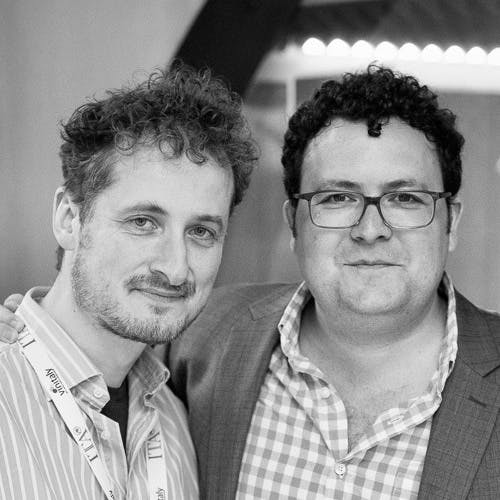
Ep. 178 Monty Waldin interviews Mark Cuff (The Living Vine) | Natural Wine
Natural Wine
Episode Summary
Content Analysis Key Themes and Main Ideas 1. The business model and philosophy of The Living Vine, an importer of organic, biodynamic, and natural wines in Toronto. 2. The unique challenges and strict regulations of the Canadian/Ontario wine market. 3. The global growth and evolving trends within the natural, organic, and biodynamic wine movements. 4. The strong presence and consumer preference for Italian wines in the Toronto market. 5. The role of education and trade programs (e.g., Vinitaly Ambassador) in promoting Italian wine. Summary In this episode, host Monty Waldin interviews Mark Cuff, founder and owner of The Living Vine, a Toronto-based agency specializing in importing organic, biodynamic, and natural wines since 2005. Mark shares his journey from sommelier to importer, driven by a passion for biodynamic winemaking and the lack of such wines in the Canadian market. They discuss the stringent quality assurance regulations in Ontario, which, while ensuring safety, can pose unique challenges for natural wines (e.g., detecting historical residues like arsenic or copper from past farming practices). Mark highlights the rapid growth of the natural wine movement, noting its quicker adoption compared to traditional organic or biodynamic categories. He also observes that Toronto's vibrant restaurant scene is increasingly demanding lighter, food-friendly wines, shifting away from oaky, high-alcohol styles. Italy's strong foothold in the Toronto market is emphasized, with a significant Italian population and a deep appreciation for Italian wine. Mark praises the Vinitaly Ambassador program for effectively educating local sommeliers on Italy's diverse native grape varieties and winemaking techniques, making Italian wines highly accessible and understood in the market. Takeaways * The Living Vine exclusively imports organic, biodynamic, and natural wines, focusing on quality and expression of terroir. * Ontario's strict wine regulations can present hurdles for natural wines due to testing for historical chemical residues or specific naturally occurring elements like copper. * The natural wine movement is expanding rapidly, even in relatively conservative markets like Toronto. * Toronto's culinary scene drives demand for lighter, food-friendly wines, favoring medium-bodied reds over heavily oaked, high-alcohol styles. * Italy is a dominant and beloved source of wines in the Toronto market, with strong consumer and trade interest. * Educational initiatives like the Vinitaly Ambassador program are highly effective in fostering deep knowledge and appreciation for Italian wines among sommeliers and the trade. * The use of copper in biodynamic vineyards and cellars is a point of discussion regarding quality control and testing in certain markets. Notable Quotes * ""The Living Vine is a wine agency, that, represents imports, organic, biodynamic, and, and natural wines exclusively since... two thousand and five."
About This Episode
The speakers discuss the increasing popularity of organic and natural wines in Toronto, where the pressure on quality assurance regulations is ahead of the biodynamic movement. They also discuss the use of buttermic wines and the problem of poisonous ingredients in wine. The importance of educating consumers on their past experiences and the success of their program is emphasized. They also mention the potential for native varieties in Ontario and the importance of educating consumers about their past experiences. The speakers recommend getting certified wines from native varieties and offer a new digital version of the program. They suggest creating a podcast on Facebook and Instagram to improve the podcast's audience.
Transcript
Italian wine podcast. Chinching with Italian wine people. Hello. This is the Italian wine podcast to make guest today is Mark Cuff. Mark is the founder and owner of the Living vine, which is based in Toronto. What is the Living vine? And why did you give your company that name? The Living vine is a wine agency, that, represents imports, organic, pandemic, and, and natural wines exclusively since, around two thousand and four? No. That's that's actually a lie, five, two thousand and five. I had to think about for a second. We got the lowest to check that. Oh, yeah. We'll do it. That's a TV three of them. Yeah. We'd like to be accurate on us, on this show. Yeah. Mainly with a focus on Biden wines. I was a, I was a sommelier in my twenties, working in, you know, restaurants and hotels in, Toronto, and I developed a real interest in, vitamin wine making. And, we didn't see a lot of these wines in our market. We definitely didn't see a lot of very agents or importers, as where there's agents in Ontario versus importers, marketing, biodynamic, organic, and and sort of natural ones. And I'd read a couple of books. One was actually yours. Jake's in the past. And, which, you know, in your book of Biden McWines was a reference point for me to, you know, reach out to and research all of these wineries, that just weren't in our market. And, you know, Ontario's can be a challenging market to, import wine in in, compared to other markets. As I was reaching out to all these other wineries to find out where could I buy them? Where could I get them? More information. They weren't represented? They weren't in a market. And I saw an opportunity to search a different business. They really knew nothing about other than, you know, the guys who would knock on my door and try and, you know, sell me Pina grigio and Napa Cabernet. So that's how the business started. Do you have a background? I mean, do you got a business degree? I mean, you No. I barely graduated high school. Yeah. Yeah. Do you was just laziness and and boredom rather than, you know, the fact that, you know, you got a brain. Yeah. I think, well, I my my goal was always, I I wanted to to open my own restaurant. It was, I was, I loved hospitality. I love restaurants. So the sumer thing for you was a way to get into that world. Was that right? Yes. Yeah. So I I I was very young. I was like twenty four, twenty five years old. It's difficult to get a, a job managing, in a good restaurant in Toronto at the time, without a lot of experience, which I didn't have, and, getting a simulated diploma, got me into a suit basically the day after I graduated, and becoming a simile, it wasn't my goal wasn't to be a simile, the goal was to develop a skill set that would enable me to open a really cool ride Sturant, Weinberg, and Toronto. And, I had saved up some money, to do that. And, sort of, at the last minute, I decided to shift and and import wine instead with a focus on Latin America. Alright. So did you start off with France and then gravitate to Italy or our first winery, funny enough was, Nicholas Jolie. And, he was a famous biodynamic producer in Little War Valley. Yeah. And, and a hero and inspiration to many people. And, you know, he's, you know, they're serious winery. They do they do really amazing things. You know, some I think some people don't get it and they those people probably never will. The people that do, I think, really appreciate the effort and enthusiasm that he puts into. He's he's mister he is mister Biodynamic, isn't he? Yeah. I think so. And and and rightfully so, and I think he was there there's a lot of credit owed to him developing that category, especially with the Renaissance de Zapoli shown, tour and shows that the due, and, it's a group of borrowers that are, all go dynamically that travel and do off tastings around larger shows to promote vitamin growing. And they have Italian members as well. I used to be just French, but yeah. Many. Yeah. I I mean, I mean, French is probably still, you know, more French people, but, definitely a lot more Italians. So what do people do? I mean, now what is on trend in terms of, obviously, you only deal with this particular category of the organic biodynamic and natural? I mean, Italy has a very strong and well organized, so I should say natural wine movement. I think it's ahead of actually the biodynamic movement in is a body based in the north of Italy and all their members have all their wines analyzed as a group so that there are no people in charge can check that there are no residues and stuff like that in the wine, which is very sort of clear thinking from the organizes there because sometimes you can get people with natural wine that say that they're natural and there's no real control. So that's why Italy's number one. Are you focusing on that as well in terms of, selection of, of wines are natural in Italy or the biodynamic the organic, or is it just anything? Yeah. I mean, we've always been a premium focused agency. So it's quality first. It has to to drink wine because it's organic as, you know, excuse, it's ridiculous. It has a taste good. It has to be excellent. Farming has to be great. You know, our main focus still is buttermic wines. We have a lot of a lot of our buttermic growers are making natural wines, because, they also buy into it and believe in it as well, and they wanna make wines that are healthier and more vital provided they can also express tarwar and style and all these other things. You know, that's why movements really it's really interesting. It's it's taken off in a faster, you know, more intense way than, say, organic or biodynamics did. I don't sort of see either categories really niche anymore, just another category, because there's so many wineries, there's so many shows are so much being imported and distributed now even in Toronto that tends to be a couple years behind other larger more mature markets, you know, for new things. What is that? I mean, Ontario has, some of the, strictest quality assurance regulations, on the planet. I I mean, you can be sure that if you're drinking a bottle wine no matter how it's grown or made, that, it's below all the legal thresholds for any additives and things like that. So one of the problems with that system, you know, you know, discussed this before, but, you know, for example, if somebody a biodynamic vineyard in Italy, and my grandad farmed it in the sixties and used, for example, an arsenic based, spray. That residue will still turn up in my wine or can still turn. So when I go to the Canadian Monopoly, Mark wants to import my wine, and they analyze say, hang on. Looks like Monty's using arsenic, and you think, you know, but Monty hasn't used arsenic. It was his granddad. How do you get around that? And what is the frustration for you when that sort of thing happens? The mechanics of getting the wine in? We can't really get around anything that's poisonous or talks So the wine other has to be returned or destroyed. And there's two ways to look at it. You could say, well, you know, are these thresholds designed for daily consumption? Like, if I have, a glass of, like, a fruit liqueur that has a high level that the carbonate, which I might have a Christmas or at least or when family's over once. It's very different than consuming a glass of orange juice every morning with my breakfast containing six hundred, approximately, and at the carbonate or something like that. You know what I mean? So so that's one way to look at it, and you could almost make that argument, but in another way, you, you know, I I think that anyone that's growing organically or naturally, I think has the environment in mind that they don't want our snick in their their wines. And I think they would be disturbed to find out that it was there. I doubt that they would feel good about it. We're starting to see copper pop up a lot in biodynamic growing, and, it's used in the vineyard, and it's also used in the cellar as sort of a last resort to, so maybe a fixed reduction. Yeah. I mean, that for me, that's just bad wine making. You know, you shouldn't have any need to use copper in the wine. Basically copper, if a wine smells a bit eggy, normally red wines, you can just get rid of that with racking and just aerating the wine. You shouldn't be using copper at I really don't think it should be now copper sulfide. Yeah. That makes the takes the iggy span away. But I think it's it's so widely accepted because it's a naturally occurring element that I think some sometimes maybe newer growers are a little heavy handed with it and it shows up or maybe you're just, you know, wherever the bottle's coming from the tank, there's some residue. But on again, Ontario is one of the few markets in the world that even test for that. So, I understand some other markets are looking to start to test for it, but, because Ontario is such a sophisticated lab. They're one of the best in the world for testing alcohol I mean, the people from all over the world ship their wines there to have certain tests on. Look, they can't get done in any ISO lab in in Europe. So the the it's almost too good. So, you know, especially when we're focused on bringing wines that literally lab every time they arrive because of an organic certificate, you know, maybe labeling requirements or maybe the volatile acid is a little high and we, you know, there's things like that. Although volatile acidity is poisonous or it's toxic. So maybe you can, you know, maybe there could be some small exceptions made, but, but anyways, that's that's that's our that's that's that's the world I live in. So So what about the market? What is hot at the moment in to in Toronto? I think everything's in Toronto right now, to be honest. Toronto, has never had a more vibrant, seeing restaurants, seeing qualities, at a place. I never would have imagined Toronto restaurants reaching even ten to fifteen years ago. There are always a few really good restaurants, wherever you go in the world, but what are people drinking there? What are they? What are they? What are they screaming out for? So I I think, well, less regional food from all the worlds were the common, more more popular now. It's not just steak houses, that sort of thing. Veg focus. There's, more more of a focus on veg vegetables. Lighter, fair, healthier eating. And one wise. And so wine wise, stylistically, we're seeing restaurants buy more medium bodied reds versus okie, heavier, alcoholic wines that aren't food friendly, but quite frankly. Austrian wines, there's definitely a big increase on stuff like that. The number one, number one on the planet for both, but it's quality of its biodynamic wine growing by far and away. Yeah. That's far away. Yeah. Yeah. That that that we're seeing a lot more interesting. But, I mean, and but Italy, I mean, listen, Toronto was might be half Italian. I don't know. There's like, there's a lot of Italians in Toronto, a lot of Italian restaurants, and we love Italian wine. It has to be one of the biggest markets for Italian wines on the planet. Everything sells well there. Provided you have a good agent that, you know, can get it into the market either privately or through the monopoly? What are your biggest sellers? What are the big of the wines that you familiately that are the the quickest movers. Oh, for us? Oh, we saw a lot of wine from, like, Ariana Kapinty, cause, Sisserie, Sliciline wines are really, on trend. Really on trend right now. There's just a, prosecco. Yeah. Short fedora prossecco. We saw a lot of in the Pina Grigio. They're a great organic grower. It's a seventy four. The one of the oldest organic growers in, in Italy, for a Dory, women winemakers I think Elizabeth does, like, a real inspiration to, let it women in her industry. And I I think we're seeing more and more women, psalms, dressed up or things like that. Wineemakers. And Yeah. One hundred percent. Beautiful wines. I mean, it's like legendary stuff. You know, there's some really, really great wines coming into our market. And, and these wines were almost impossible to sell ten years ago because we just wanted oak, alcohol, parker points. If it didn't have ninety by points. You couldn't sell it. I mean, when I when I was buying wine, most wine lists in the city had, like, two pea Agrios, and two different terraces, one from Burosa, one from McLaren Vail and, you know, Napa Cabs and Merlo, and it just re it's really changed. And especially with the Van Italy Ambassador program that they do the bringing over lots of new and older and and, you know, veteran Psalms, to come over and study and learn about a timeline. So they can then communicate about these native great varieties, etcetera. Yeah. I think on, Ontario, I toronto's sommeliers for the most part, I think, understand Italian wines. I think better than maybe most countries. I mean, we all, we all have our favorites and we love it, but I mean, they can really go deep now with, obscure varietals, local varietals indigenous, graves, wine making techniques. They know the people. They've met them. I think you need to get us done a great job with, with with that. And, I I don't even think I could pass the program, but I I see every time I come here in the last couple of years, I see, you know, twenty, thirty, of our customers with pins and stuff and So it's a little bad you get when you pass the Yeah. Yeah. Yeah. It's really exciting. I recommend anyone, to do that if if if they can. It seems like a tremendous opportunity. Yeah. It's a great idea. I mean, Italy's often criticized for not being very joined up, right? And, to Flfly, opinion, formers, influences, Psalms, journalists, whatever importers over from a foreign country citizen. We know twenty one is complicated. We're gonna help guide you through by educating you about the native grape varieties that we have, and what they taste like where they're grown and how they're grown and how they're made. It is pretty joined up and it's a fantastic program, so long may it continue. Yeah. I hope so too, I I think it's made a huge difference. And, it's also nice to see, like, not just importers and consumers walking around. It's nice to see the the people that that are the filter for everyone's hard work, to consumers to come here and and really, and really takes take it's a gift, I think, for for most of them to to take back, to their businesses and restaurants. So Cool. Yeah. It's a nice way to finish this. Nice to get someone that comes in the podcast. He's actually not talking about himself. He doesn't come and talk about something else. Yeah. Other than himself. Well, that's why I I know you and only for a long time. Yeah. And that's the only guy you are. Oh, thanks, thanks, plug my book, which is now out of date and out of print, or should be. Oh, there's a new version. Yeah. If you are, we're not gonna talk about that into our list anyway, but the other ones are very old. But anyway, I just want a digital copy at some point. So I Yeah. No. Yeah. That's, we know, I I knocked my first book out on with a chisel and a stone. And I'm just writing. I'm using a pen now, which is cool. It definitely took you a while to do it. That's what we all thought was the the process. Yeah. Yeah. Yeah. I've I've only got my first mobile phone about the last couple of years. That's pretty amazing. Yeah. Yeah. It's just in carrying a pigeon. So I don't even know how this recording equipment works, really. There's a few little red lights on this little machine I'm using. So, anyway, I was gonna say thank you to my guest today, Mark Cuff, who is CEO and founder of the Living Vine, which is a super duper importer of green organic natural and bionic wines. Thanks, Monty. It's been a it's been a life long dream wine to be on a podcast. So this means a lot to me to be here. And, it won't happen again. But I probably won't be invited back. You only got one shot mate at this. I know. I know. So it's exclusive. But but you know what? It's it's, you know, it's in the back. What what can I say? Yeah. I mean, it would need severe editing. Normally to get my my boring voice out of it and would listen to you a little bit more, but it's been a great pleasure. Yeah. I'm not being disingenuous. You know me. Thank you very much to my guests today, Mark Cough. You're welcome. And good luck with the series. I love it to listen to it all the time. Thanks. You don't have to say things, though. No. It's true. Everyone listens to a back home. I think we're all big fans of, of this. It's nice to have more stuff like this. It's wonderful. Thank you. This is the fourth time I'm gonna try and do the outro to this particular episode of the Italian wine podcast. My guest today was my Cuff marked the doors over there, mate. Just take a right and don't turn around. Who is chairman and founder, CEO chief executive officer, officer, financial, wizard, whatever it is, linguist, wine lover, importer. The living wine based Toronto that specializes in weedy, beardy wines. Yeah. And we have a great Instagram account at the living vine. Yeah. Give it to a handle. Yeah. At the living vine. Yeah. Facebook. At the living vine. Instagram? At the living vine. What are the ones out there? That's it. I guess that's all they are. Lind LinkedIn? Linkedin. I don't know. It's probably just Mark Kaufman. You're quite impressed on you all these things, didn't you? What's that? Well, you at least I know the names of these social media. I'd I'm impressed. Yeah. No. No. I'm impressed with the headphones on. I mean, this is they don't work. They don't know. Yeah. They look great. There's a prop. Yeah. The photos. Yeah. We got a glass. We went to glass studios, so they've taken photos outside. So I look I don't like to know what I'm doing. I've got a pen in my hand, a gold laptop, which doesn't work. It's not on. You can see it. Thanks, Bob. So what we need to do next time is maybe do a podcast where the outro isn't actually longer than the podcast itself. Oh, sure. A little bit out of balance. Hold on. You know, I have a very hard time saying goodbye. I think that's it's more my, I love what I guess. My own manager. Yeah. Yeah. Yeah. Should we do it? Say goodbye. Goodbye. Thanks. Goodbye, Mark. Yeah. Thanks a lot. Follow Italian wine podcast on Facebook and Instagram.
Episode Details
Keywords
Related Episodes

Ep 2339 A Blind Tasting Journey exploring the nature of Natural Wine with Isabelle Legeron MW and Robert Joseph | wine2wine Business Forum 2024
Episode 2339

Ep. 177 Monty Waldin interviews Adriano Zago (Biodynamic Viticulture Consultant & Enologist) | Natural Wine
Episode 177
Ep. 170 Monty Waldin interviews Emma Bentley (Vin Natur - La Biancara Angiolino Maule) | Natural Wine
Episode 170
Ep. 33 Monty Waldin interviews Master Sommelier and Natural Wine enthusiast Pascaline Lepeltier | Natural Wine
Episode 33

Ep. 32 Monty Waldin interviews Wine Writer Alice Feiring | Natural Wine
Episode 32